
Every generation has its tells. The way people dress, communicate, and carry themselves online all carry subtle generational fingerprints that the generation just below them can clock in seconds. For Gen Z, watching millennials do their thing online or in person can produce a very specific, silent reaction: a slight wince, a barely suppressed eye-roll, an internal groan that never quite makes it out loud.
The gap between millennials and Gen Z is actually smaller than most generational divides. Millennials, born between 1981 and 1996, are the generation that bridged the analog and digital worlds, remembering both dial-up internet and the birth of social media. Gen Z, born roughly between 1997 and 2012, are the true digital natives who don’t remember a time before smartphones and have never known a world without social media. They’re close. But close enough to notice every difference in excruciating detail.
Using the Crying-Laughing Emoji Like It's 2015
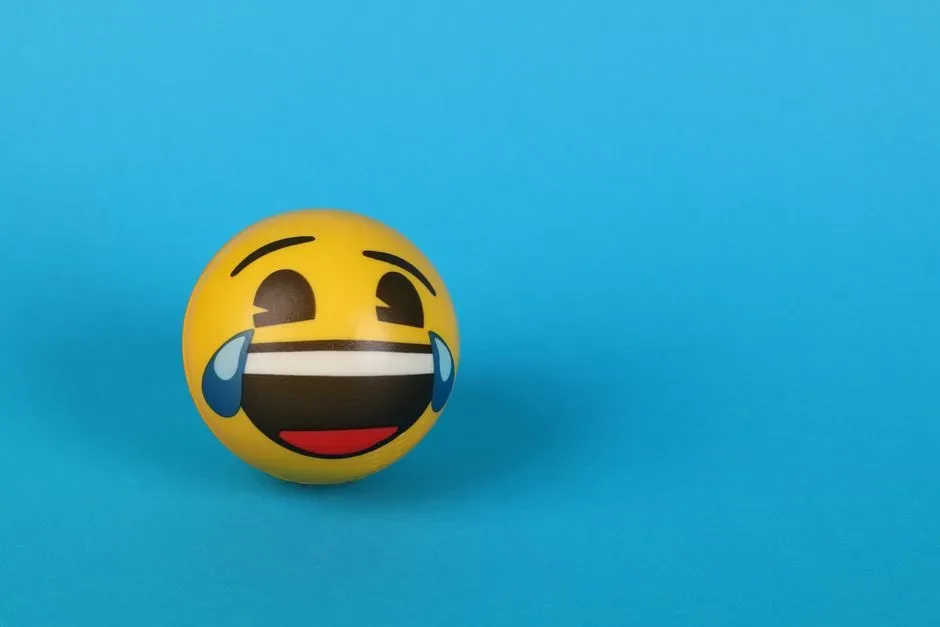
Using the Crying-Laughing Emoji Like It's 2015 (Image Credits: Pexels)
Few things signal “millennial” to a Gen Z audience quite as instantly as the face-with-tears-of-joy emoji. Gen Z declared the laughing-crying emoji a “millennial emoji” around 2022 and moved to the skull and loudly crying face to signal laughter instead. The shift was partly generational differentiation – every younger generation needs to mark itself as distinct from the one before – and partly because the skull and crying face carry the dramatic exaggeration that Gen Z communication tends to prefer.
The data behind this shift is actually striking. Across all social platforms, the loudly crying face was the single most-mentioned emoji with approximately 814 million public posts in 2025, a position it held since overtaking the crying-laughing emoji in 2024. Among Gen Z on TikTok, using the crying-laughing emoji sincerely in 2026 signals that you are probably over 30. The millennial attachment to this particular emoji isn’t wrong, it’s just very, very legible.
Leaving Voicemails

Leaving Voicemails (zaneology, Flickr, <a href="https://creativecommons.org/licenses/by/2.0/" target="_blank" rel="noopener">CC BY 2.0</a>)
For millennials, dropping a voicemail when a call goes unanswered feels perfectly natural. Millennials don’t think twice about leaving a voicemail when their call goes unanswered. For them, it’s a natural extension of phone communication. They grew up in a time when voicemails were a common way to convey messages that didn’t require immediate responses. To a Gen Z recipient, that voicemail notification might as well be a mystery package left on the doorstep.
Gen Z sees voicemail as an unnecessary relic, preferring to text or send voice notes as quicker alternatives. The idea of waiting for someone to check their voicemail seems inefficient to those who value instant communication. For Gen Z, voicemail is an outdated technology that doesn’t fit into their fast-paced world. The irony is that the millennial impulse to leave a voicemail often comes from wanting to be more personal, which is precisely the quality Gen Z appreciates. They just want that personal connection delivered via a different format entirely.
Oversharing on Public Social Media Feeds

Oversharing on Public Social Media Feeds (Image Credits: Pexels)
Millennials built social media culture. Facebook, early Instagram, Twitter – these were their playgrounds, and public posting was just how things worked. As digital pioneers, millennials explored and in some cases exploited social media, making public their thoughts, opinions, and every noteworthy or mundane life update. That habit has stuck for many of them, even as the platforms themselves have evolved.
Gen Z has quietly moved in the opposite direction. Gen Z has grown up online but that doesn’t mean they’re buying into the filters, curation, and perfectly polished aesthetic of old-school Instagram culture. Where millennials chased the perfect grid and influencer vibes, Gen Z is actively rejecting content that feels forced, scripted, or attention-seeking. They now prioritize selective sharing over oversharing, and intentional connection over audience size. Watching a millennial post a detailed life update to their entire follower list is something Gen Z processes internally as the social media equivalent of announcing personal news over a loudspeaker.
Holding On to Skinny Jeans and Side Parts

Holding On to Skinny Jeans and Side Parts (Image Credits: Pixabay)
Fashion is often where generational friction becomes most visible, and for Gen Z, a few specific millennial style choices have become almost a cultural shorthand for being out of touch. Millennials, who paved the way for the style bloggers and influencers of today, are facing a fashion identity crisis. Once trendsetters, their signature looks made with skinny jeans and fitted blazers are now labeled “outdated” by Gen Z, sparking heated debates online.
The millennial style staples creators frequently reference or poke fun at include heavier makeup looks, skinny jeans, fitted blazers, rose gold jewelry, and tucked-in tops. While both generations care about quality and price, Gen Z places greater emphasis on trends and social responsibility, while millennials prioritize comfort and convenience. The side part specifically became a TikTok flashpoint, with Gen Z firmly planting their flag on middle parts as the only acceptable option. First it was one isolated TikTok slandering skinny jeans, but soon more started popping up, taking aim at side parts, boomerangs, and the crying-laughing emoji. The silent judgment hits especially hard because millennials were the ones who built influencer culture in the first place.
Using Millennial Humor Markers Like "LOL" and "Haha" in Text
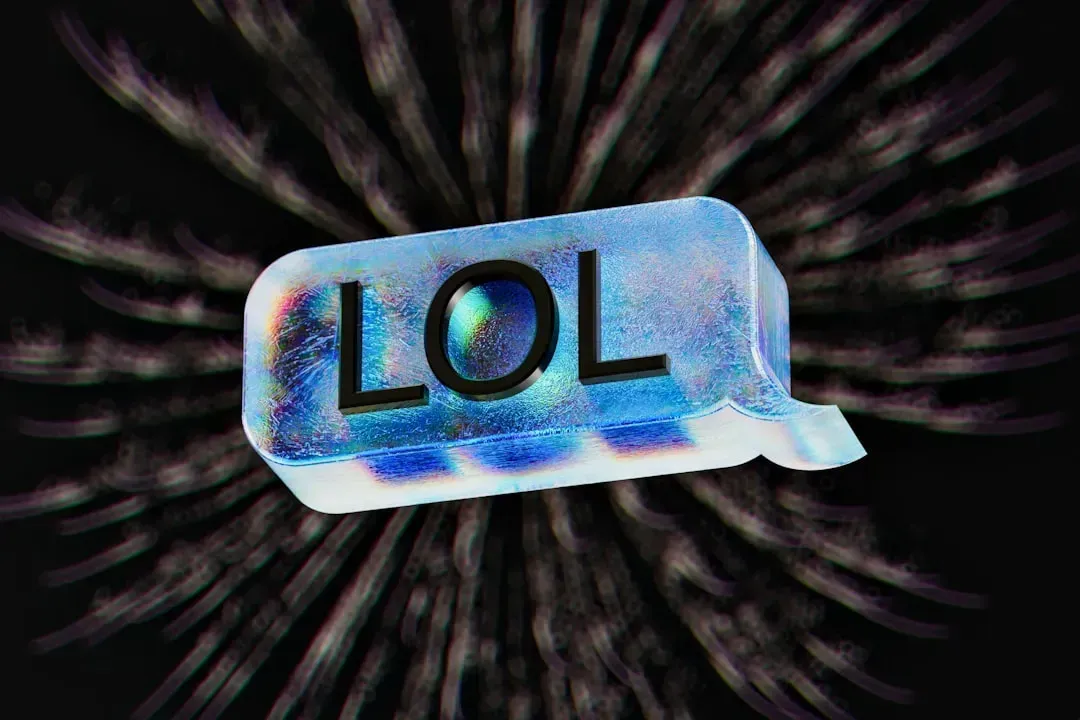
Using Millennial Humor Markers Like "LOL" and "Haha" in Text (Image Credits: Gallery Image)
Millennial texting has its own unmistakable cadence. There’s the reflexive “lol” tacked to the end of a sentence to soften it, the “haha” that softens a serious observation, and a general tendency to lighten every exchange with a written laugh marker. While both generations are adept with tech, Gen Z and millennials use it differently: Gen Z emphasizes video and fast-paced visual content, while millennials tend to value written communication and curated online personas.
Research reveals that while Gen Z might mean something entirely different with digital expressions, millennials seem to take them more at face value. It’s the same reason younger users stopped saying “LOL” – once adults started using it, it lost its currency. The millennial habit of softening every text with a written laugh or a sunny emoji reads to Gen Z as performative rather than authentic. It’s not that Gen Z doesn’t find things funny. They just prefer to express it through a skull emoji or a crying face rather than spelling it out. The same feeling, delivered in a completely different language.
Gen Z and millennials are, in the long run, far more alike than different. They share concerns about financial precarity, care deeply about authenticity, and both grew up shaped by the internet in one way or another. The cringe is almost never malicious. It’s mostly just the natural friction that happens when two generations are close enough to understand each other perfectly, and still different enough to notice every gap.