
Clearing out a child's room feels productive in the moment. Boxes get sorted, closets get lighter, and the guest room finally has space for guests. Yet years later, plenty of parents find themselves wishing they had paused before tossing certain items into the donation pile or the trash.
Some objects carry more weight than their size suggests. They are not just clutter but small anchors to a specific stretch of time that never comes back in quite the same way.
1. Handwritten letters and notes
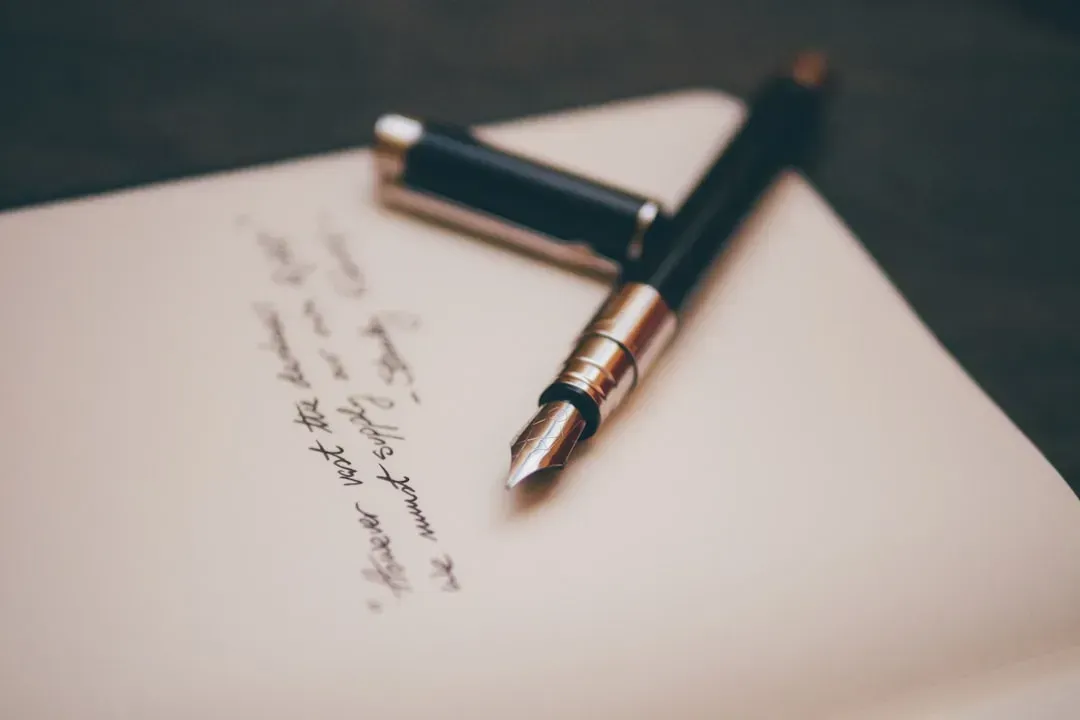
1. Handwritten letters and notes (Image Credits: Unsplash)
Before texting and group chats, kids passed notes in class, wrote thank you cards under duress, and scribbled short letters to grandparents or pen pals. These scraps of paper capture a child’s actual handwriting, spelling attempts, and phrasing at a specific age, which is something photos and report cards rarely preserve. A messy note that says “I love you mom” in a six year old’s shaky print reads very differently once that child is grown.
Many parents admit they tossed stacks of these notes during moves or spring cleaning sessions, assuming they were just paper waste. Archivists and family historians often point out that handwriting itself is becoming a less common artifact as more communication moves to screens, making these notes quietly more valuable over time. What felt disposable in the moment often becomes one of the few tangible records of how a child actually thought and spoke.
2. Well worn stuffed animals
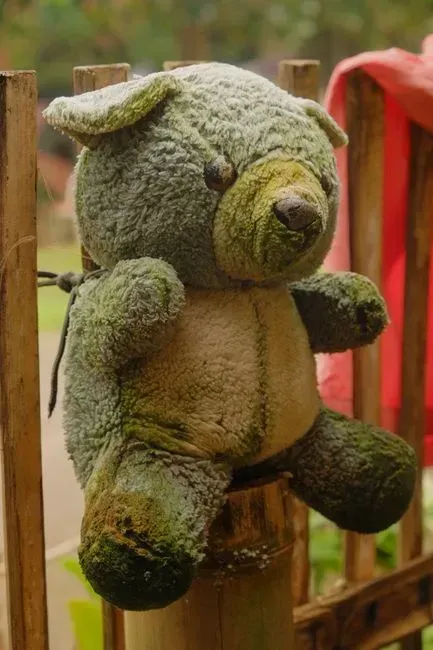
2. Well worn stuffed animals (Image Credits: Pexels)
A stuffed animal that has lost an eye, half its stuffing, and most of its original color is easy to justify throwing away, especially when it looks more like a health hazard than a keepsake. Parents frequently make this call during a decluttering phase, reasoning that the child has outgrown it or barely notices it anymore. It is only later, often when that child becomes an adult, that the absence registers as a real loss rather than a tidy solution.
Child development researchers have long noted that transitional objects like stuffed animals serve an emotional function beyond simple play, helping children process separation and comfort themselves during early years. That function does not necessarily disappear once the object is set aside in a closet, and many adults report feeling a genuine pang when they discover the toy is gone rather than just tucked away somewhere in storage.
3. School artwork and projects
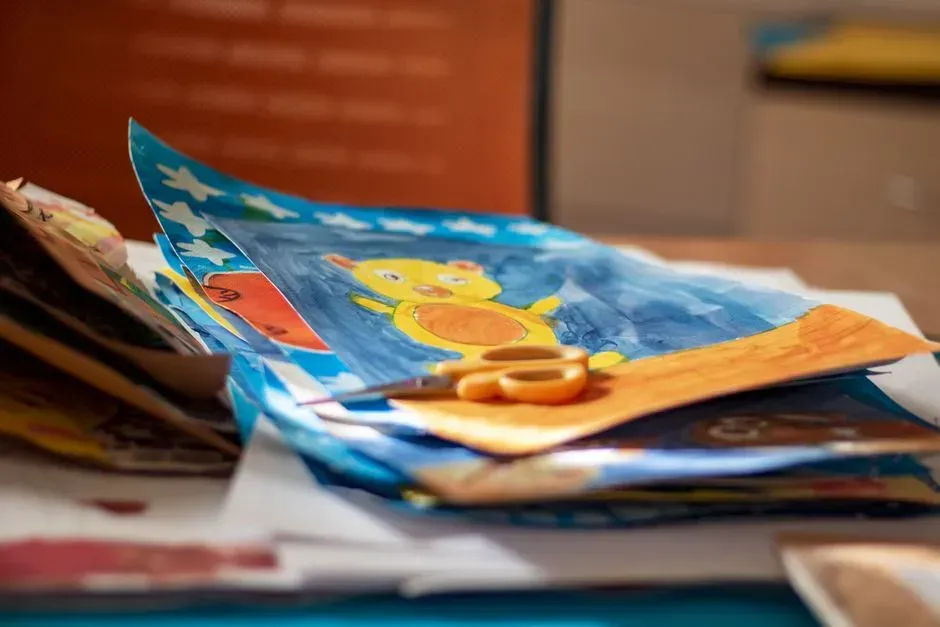
3. School artwork and projects (Image Credits: Pexels)
Not every finger painting deserves a permanent shrine, and most parents know that realistically only a fraction of school artwork can be kept. The problem is that the sorting often happens in a rush, with entire years of work discarded at once without much thought given to which pieces actually mattered. A single drawing from a hard year, a project made right before a big life change, or artwork tied to a specific teacher or friend can hold more meaning than its craft quality suggests.
Organizing experts who specialize in family memorabilia generally recommend keeping a curated selection rather than everything, but the emphasis is on curated, not eliminated entirely. Digitizing pieces by photographing them before disposal has become a common middle ground in recent years, though many parents say they wish they had physically kept at least a handful of originals rather than relying only on digital copies.
4. Concert, movie, and event tickets
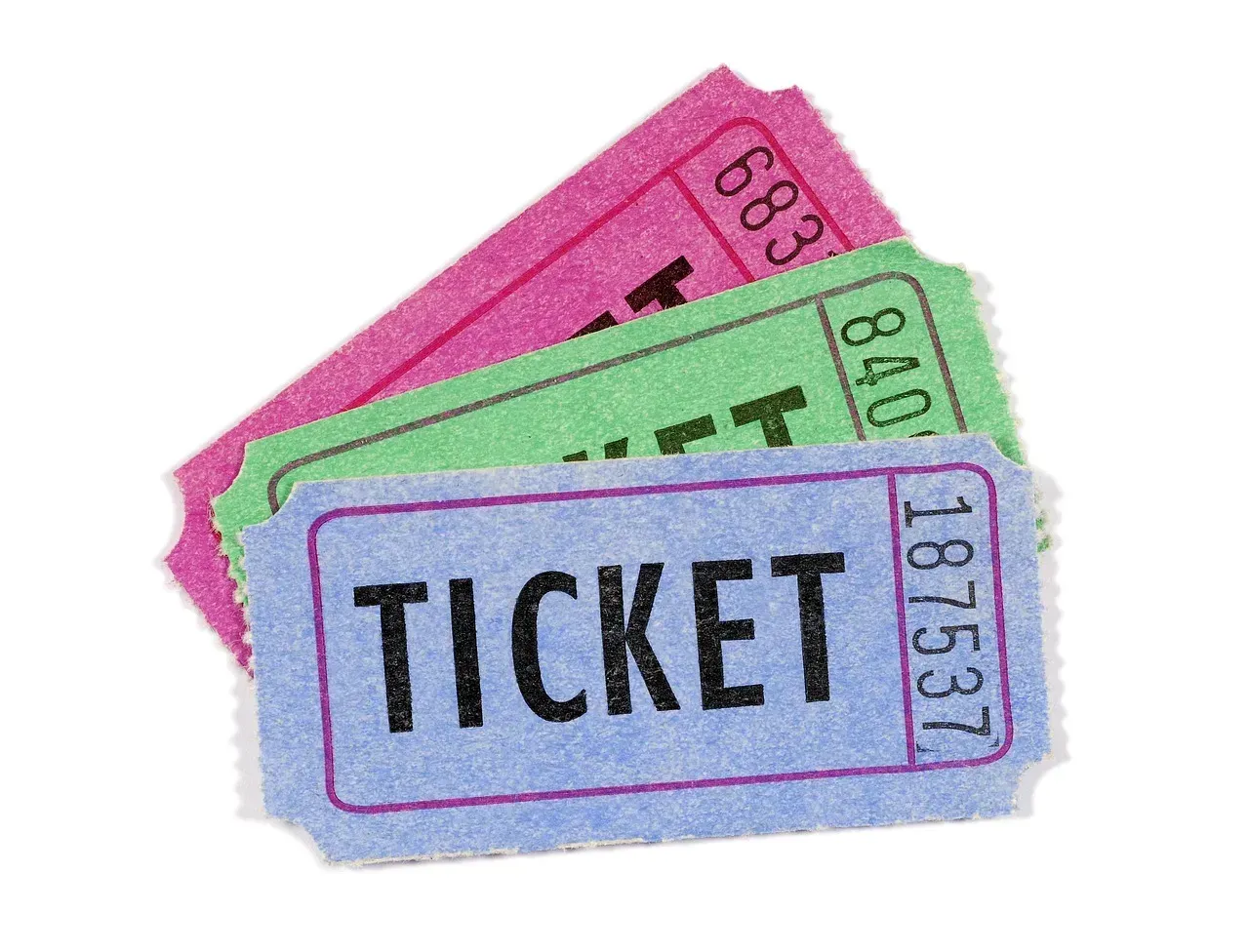
4. Concert, movie, and event tickets (Image Credits: Pixabay)
Ticket stubs from a first concert, a school play, or a family trip to an amusement park often get swept up in general cleaning without much consideration. They seem like trash almost by design, printed on flimsy paper meant to be discarded after the event. Yet these small pieces of paper often mark firsts, a first live show, a first solo outing with friends, a first date that turned into something more.
Because many venues have shifted to digital or mobile tickets in recent years, physical stubs from earlier eras have become somewhat rarer artifacts than they once were. Parents who kept even a small envelope of these tickets often describe flipping through them later as a surprisingly effective way to reconstruct a timeline of a child’s interests and milestones, something a phone photo rarely does in quite the same way.
5. Handmade or gifted jewelry and trinkets
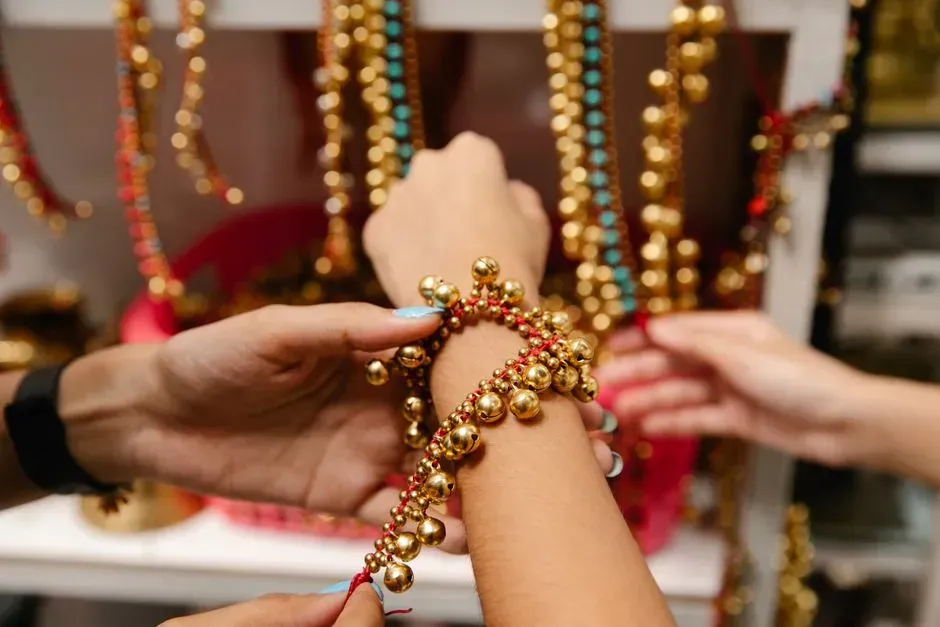
5. Handmade or gifted jewelry and trinkets (Image Credits: Pexels)
Friendship bracelets, beaded necklaces from summer camp, or a cheap ring won at a school fair rarely have monetary value, which makes them easy targets during a cleanout. Parents often reason that these items are replaceable or that the child has forgotten about them entirely. In many cases the child has not forgotten, and finding out years later that the trinket is gone can sting more than expected given how small the object actually was.
These items frequently mark specific friendships or social phases, a best friend from third grade, a camp counselor who mattered for one summer, a sibling relationship captured in a matching set of bracelets. Once discarded, there is rarely a way to recreate the specific context that made the object meaningful, since it was tied to a moment rather than to the object’s actual craftsmanship or cost.
6. Baby teeth, hair clippings, and hospital bracelets

6. Baby teeth, hair clippings, and hospital bracelets (Image Credits: Pexels)
These items sit in an odd category, often kept briefly out of tradition and then quietly thrown away once the novelty fades or the storage container gets lost in a move. Baby teeth in particular get treated inconsistently, some parents keep every one in a labeled container while others discard them almost immediately after the tooth fairy tradition runs its course. Hospital bracelets from birth and hair from a first haircut fall into similar territory, treated as sentimental in theory but disposable in practice.
Genealogy and family history communities have noted a modest resurgence of interest in these physical artifacts in recent years, partly tied to interest in DNA testing and partly to a broader cultural pull toward tangible mementos in an increasingly digital world. Parents who kept these items, even in a simple labeled envelope or small box, often describe them as oddly powerful later, less because of what they are and more because of how specifically they mark a single unrepeatable moment in a child’s early life.
Keepsakes rarely announce their importance at the time they are created or discarded. Most only reveal their weight in hindsight, once the child they belonged to has grown well past the age where the object made obvious sense to keep.