
Most homeowners assume that owning a property means owning everything on it, roots to canopy. That assumption can get expensive. Across the United States, local governments treat many trees as community resources regardless of whose deed they sit on, and cutting one down without authorization can trigger fines, mandatory replanting orders, or even court appearances.
Many cities consider all trees within their limits to be community trees. You don't truly "own" a tree simply because it grows on your land – trees bring enormous benefit to the broader community by cleaning the air, reducing the urban heat island effect, and creating habitat for local wildlife. The six trees below are among the most commonly protected species in American backyards, and millions of homeowners have no idea they're living with a legally restricted asset.
1. Live Oak (Quercus virginiana)
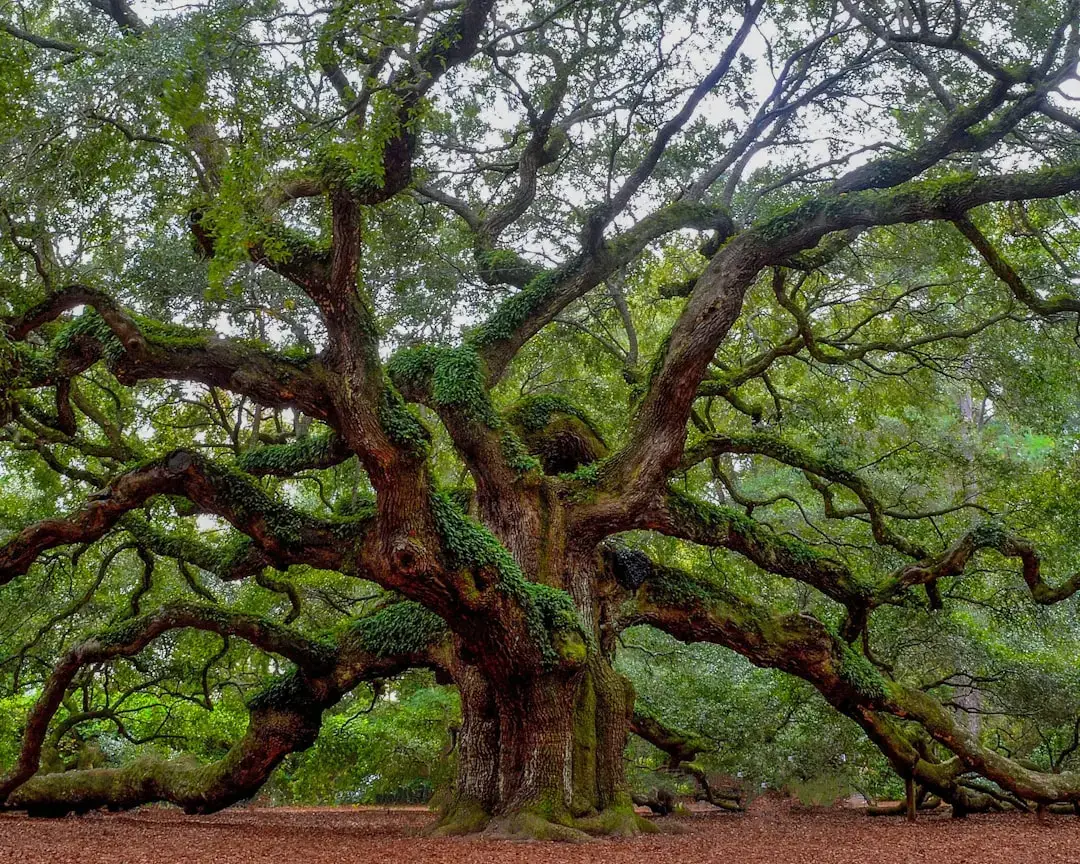
1. Live Oak (Quercus virginiana) (Image Credits: Unsplash)
The Live Oak is probably the most aggressively protected tree in the American South, and it earns that status. With very long-lived wood and prized shade and storm performance, the Live Oak is the species agencies fight hardest to preserve. In Florida, Texas, and much of the Gulf Coast region, removing one without going through proper channels is among the costliest mistakes a homeowner can make.
In Orange County, Florida, the cost to remove a Heritage Live Oak tree begins at $21,200. That's not a typo. Once Live Oaks pass local diameter thresholds, they usually need a protected tree removal permit before you take a saw to them. In Austin, Texas, within the protected class there's an elite group known as "Heritage Trees," which includes native species reaching 24 inches or more in diameter and receiving the highest level of protection. Removing a Heritage Tree is extremely difficult, requiring a special variance that is rarely granted, because these trees are considered irreplaceable community assets.
2. Douglas Fir (Pseudotsuga menziesii)
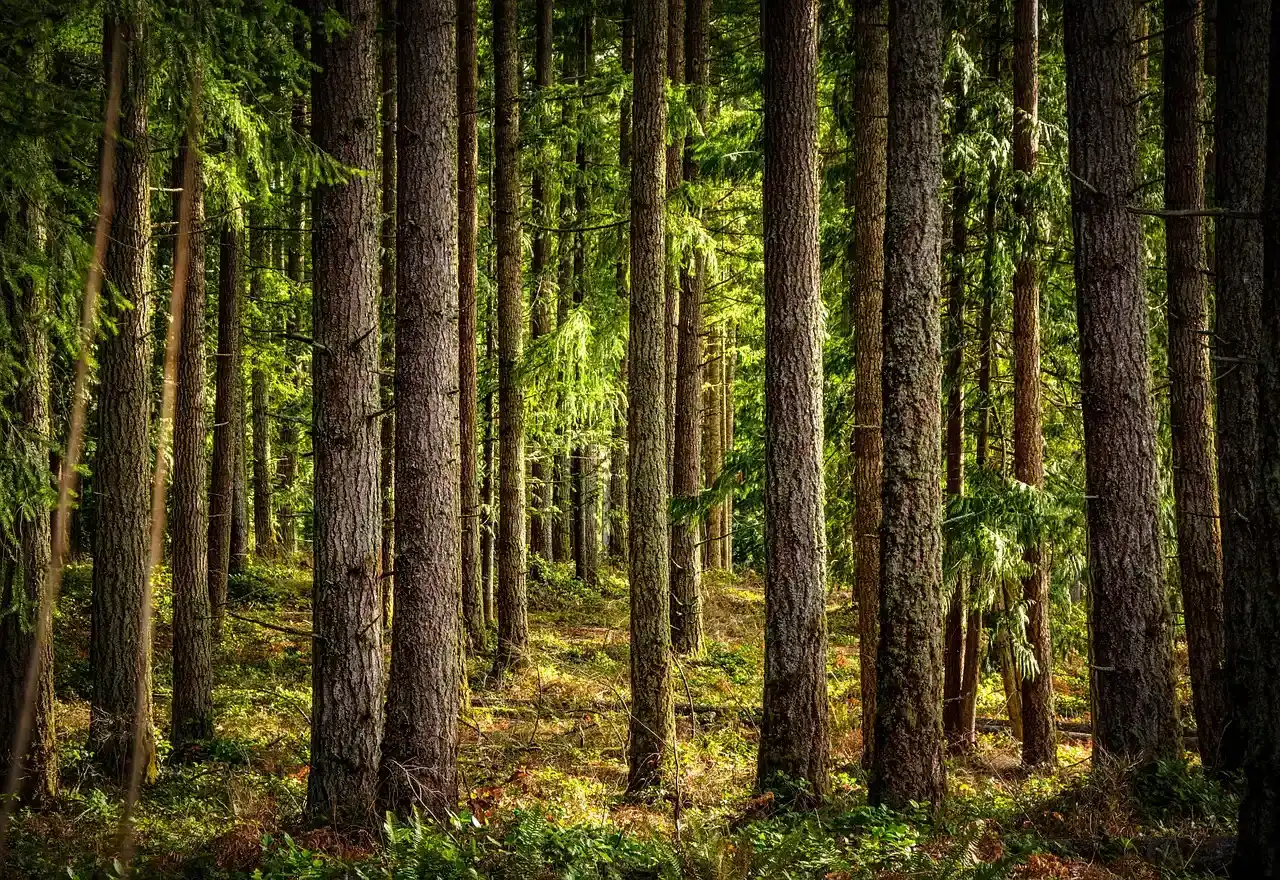
2. Douglas Fir (Pseudotsuga menziesii) (Image Credits: Pixabay)
As Washington's state tree, the Douglas Fir enjoys special protection in numerous municipalities across the region. Homeowners often underestimate the regulations surrounding these towering giants, and many local ordinances classify mature Douglas Firs as significant trees, requiring permits before removal. The Pacific Northwest takes its firs seriously, and the rules reflect that.
Cutting one down without authorization could land you fines ranging from $500 to $5,000, depending on the tree's size and location. Cities like Seattle and Olympia have particularly strict rules about preserving these evergreens, which provide critical habitat for wildlife and help manage stormwater runoff throughout Washington neighborhoods. In Marin County, California, protected native species include Coast live oak, California bay laurel, Douglas fir, and Coast redwood, with heritage trees distinguished by size or historical significance receiving even stricter protection.
3. Bald Cypress (Taxodium distichum)
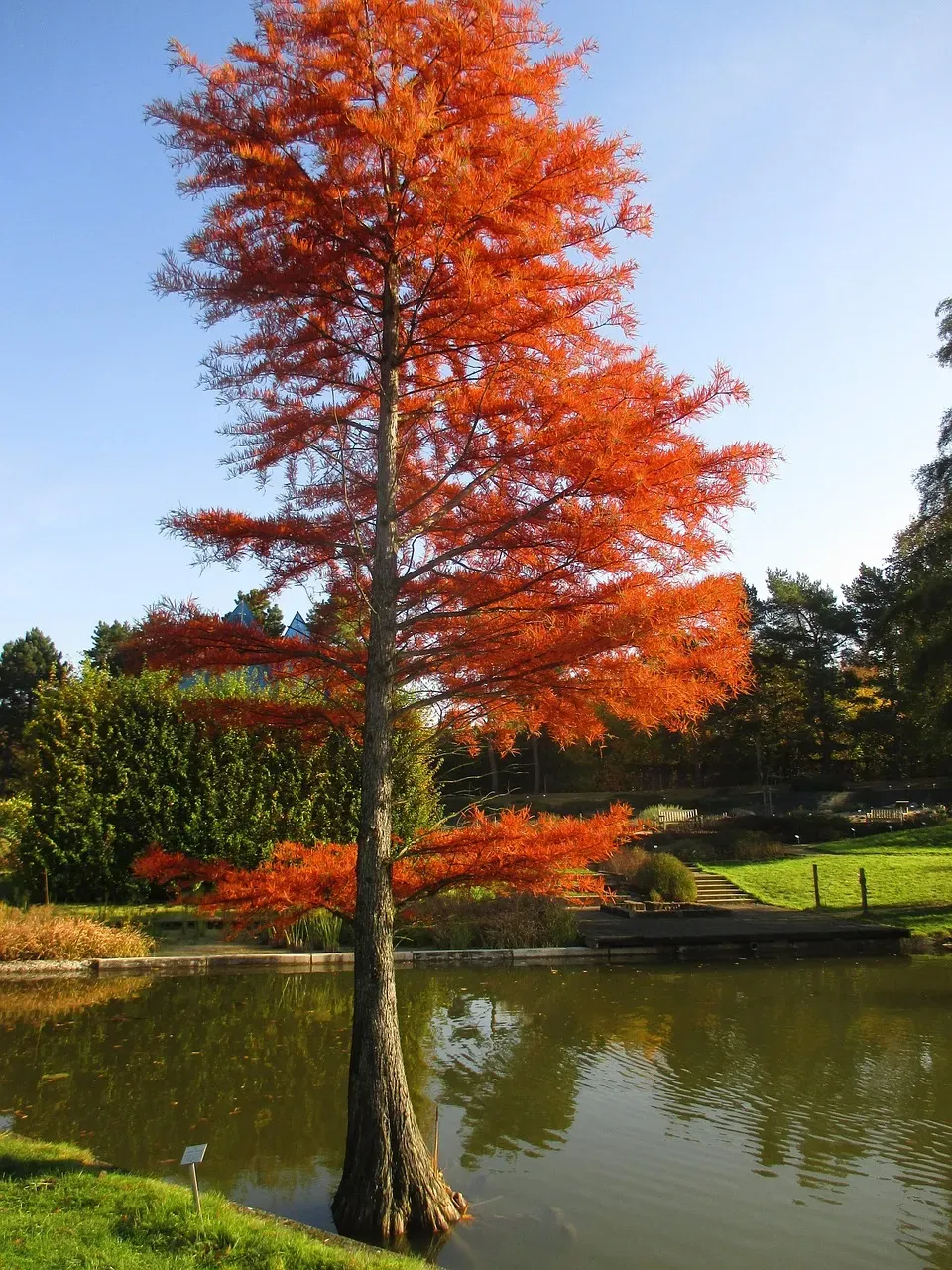
3. Bald Cypress (Taxodium distichum) (Image Credits: Pixabay)
Bald Cypresses are known for their unique, water-loving nature and are vital to local ecosystems. That ecological importance is exactly why they're so tightly regulated. The tree frequently grows in or near wetlands, which adds an extra layer of legal complexity well beyond ordinary tree ordinances.
Bald Cypress trees are not universally protected statewide in Florida like mangroves. Yet cypress often grows in wetlands, which are heavily regulated – and that is why cypress removal can trigger rules. You are more likely to need approvals when the cypress grows in a wetland or conservation area. In Hillsborough County and Tampa, Bald Cypress is often found near water or in wetter soils, is long-lived and highly valued, and falls under the same protected species framework as Live Oak. Disturbing the root system of a cypress growing in a regulated wetland can create environmental violations separate from any tree ordinance.
4. Southern Magnolia (Magnolia grandiflora)
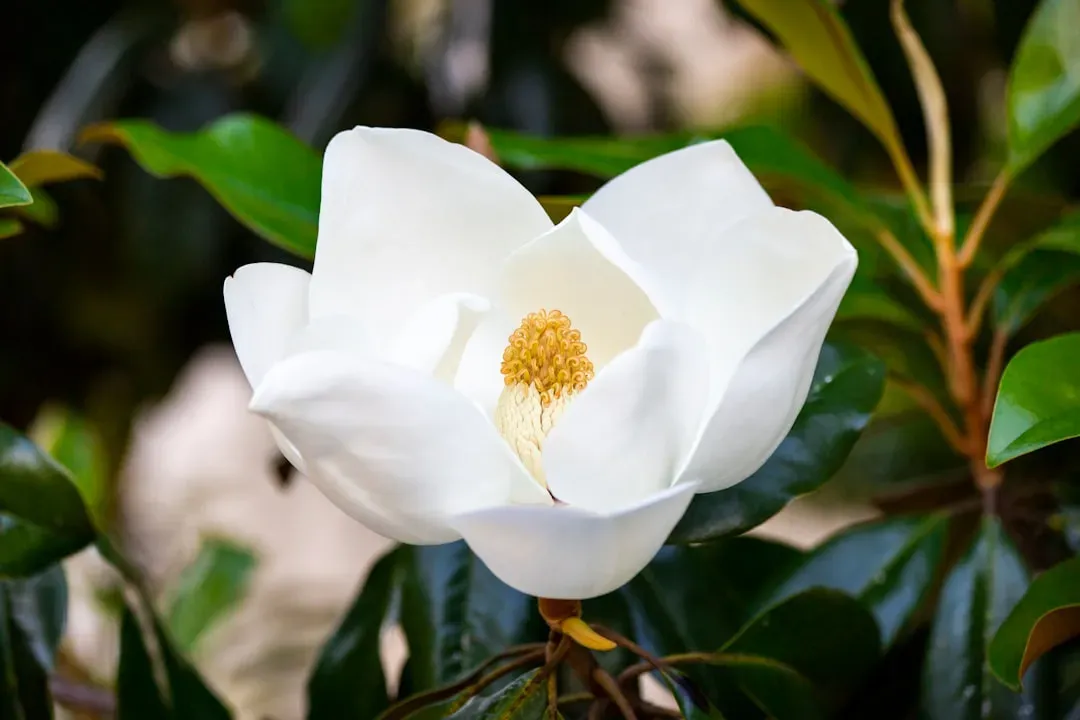
4. Southern Magnolia (Magnolia grandiflora) (Image Credits: Unsplash)
The Southern Magnolia is a fixture in yards across the Southeast and Mid-Atlantic, and its familiar presence has led many homeowners to assume it's just a nice ornamental tree they can manage freely. That's not always accurate. In Lakeland, Florida, you can't cut down Live Oaks, Southern Magnolias, Bald Cypresses, or Eastern Red Cedars without a permit.
Arbor ordinances give extra attention to older native trees of a certain size. Mature trees like the Live Oak and Southern Magnolia are designated as Heritage Trees in Orange County, Florida, alongside Specimen Trees like Winged Elm, Turkey Oak, Longleaf Pine, Sweetgum, and Bald Cypress. These trees provide more shade, store more carbon, support local wildlife, capture more runoff, and contribute to the character and beauty of neighborhoods. Because they've been growing for decades – sometimes even centuries – they're not easily replaced.
5. Coast Redwood (Sequoia sempervirens)
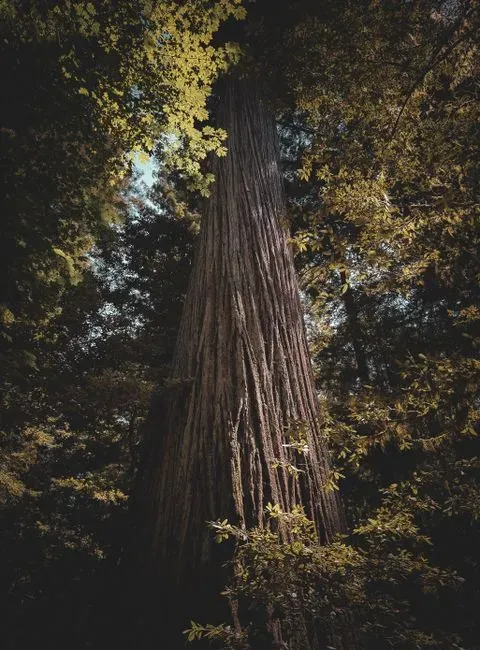
5. Coast Redwood (Sequoia sempervirens) (Image Credits: Pexels)
Certain tree species hold special significance in California due to their ecological value or rarity. Trees like the California redwood, oak, and pine species are often protected under state law, and unauthorized removal of these protected trees can result in severe penalties, including fines and criminal charges. The Coast Redwood sits at the very top of that hierarchy in California.
In many areas of California, people found guilty of cutting down heritage trees unlawfully can be faced with penalties up to $25,000. In Santa Rosa, if the tree is a native species – valley oak, coast live oak, redwood, madrone, bay laurel, big leaf maple, Douglas fir, buckeye, canyon oak, black oak, blue oak, or white alder – you need a permit to remove it. If you cut down a 24-inch diameter oak without a permit, you could be required to plant 16 replacement trees. Redwoods carry comparable or greater replacement burdens.
6. Elm Trees (Ulmus species)
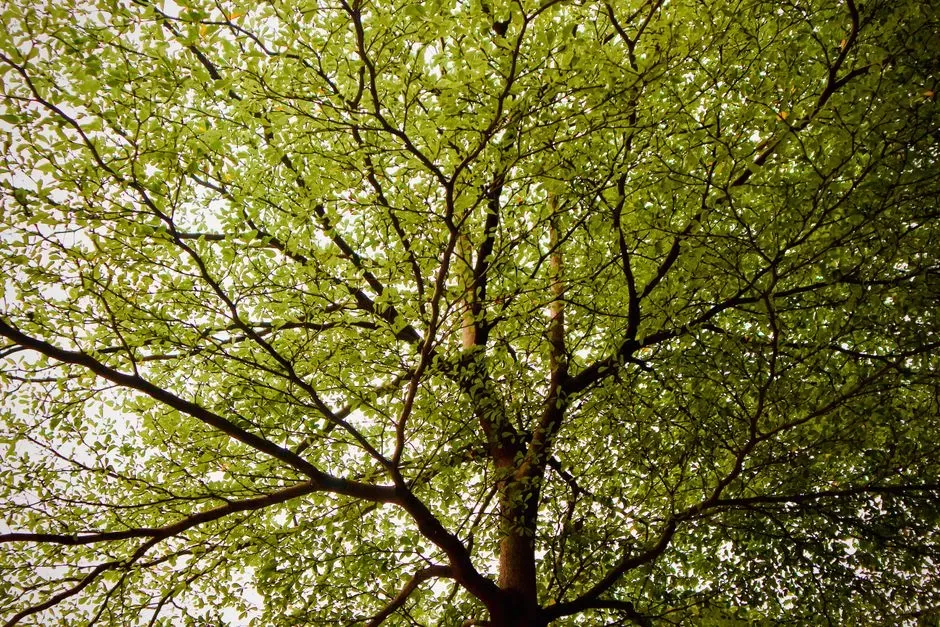
6. Elm Trees (Ulmus species) (Image Credits: Pexels)
Elm trees occupy a unique category in tree law. Their regulation is tied not just to their ecological value but to disease management, which creates unusual restrictions even on private land. In the city of Boise, Idaho, for example, a permit is required to cut down any elm tree on private property. This regulation is meant to help control the spread of Dutch elm disease. It's a public health measure applied to a private tree.
A heritage tree can be any tree that has historical or social significance because of its age, size, or manner in which it grows. These trees can also be marked as special because they are endangered, either because of human interference or because of disease. Local municipalities will often have rules concerning the protection of these special trees to preserve them for future generations. In Portland, Oregon, common Heritage Tree designations include Oregon white oaks, European beeches, London planes, and legacy Douglas-firs. Private trees require owner consent for designation, but once recorded on the deed, the restriction binds all future owners, and removal or significant pruning typically requires City Council approval.
The broader lesson here is consistent across all six species. States, counties, and local governments have laws about trees, called tree protection ordinances, that govern which trees can be cut and what permits are required. Violating tree removal ordinances can result in fines or other penalties imposed by the municipality. Before any chainsaw comes out, a quick call to your local planning department or a certified arborist is far cheaper than the alternative. Trees that have taken generations to grow are rarely treated as a simple landscaping decision by the governments that regulate them.