
Most people think their budget is shaped by the big stuff – the rent check, the car payment, the annual insurance bill. Honestly, those matter. But the real quiet killers of a monthly budget are the small, invisible decisions made every single day. The coffee run. The delivery order on a Wednesday night because nobody wanted to cook. The three streaming services you barely touch anymore.
It turns out that everyday habits have an enormous grip on where your money actually goes. In 2024, while roughly a third of adults said their family’s monthly income increased from a year earlier, an even higher share – nearly four in ten – reported that their monthly spending increased. That gap is uncomfortable to sit with. Let’s look at exactly which habits are quietly reshaping your household finances every single month. Let’s dive in.
1. How You Shop for Groceries

1. How You Shop for Groceries (Image Credits: Pexels)
Here’s the thing: the grocery store is one of the most psychologically engineered environments you walk into on a regular basis. The placement of items, the smell of fresh bread near the entrance, the oversized carts – it all nudges you toward spending more. As of 2024, Americans were spending an average of roughly $1,174 on groceries every month, and food takes up between thirteen and fourteen percent of most households’ annual budgets. That is not a small line item.
The habit you bring to the grocery store matters enormously. Shopping without a list is like navigating a city without a map – you end up somewhere you didn’t intend to be, usually with extra items in the cart. More than half of Americans cite sales and discounts as the top influence on their spending decisions, and even a ten percent reduction in food costs through smarter shopping can translate to over a thousand dollars in annual savings. That’s real money sitting there, waiting to be recaptured.
2. The Dining Out and Food Delivery Habit

2. The Dining Out and Food Delivery Habit (Image Credits: Pexels)
I know it sounds crazy, but ordering dinner in has become almost a background habit for millions of households. It feels small in the moment, but the numbers add up shockingly fast. On average, people spend around $118 a month on food delivery alone – making it the third highest non-essential monthly expenditure after travel and fine dining. That’s before you even account for regular restaurant meals.
Americans now spend roughly 39 cents of every food dollar at restaurants or via delivery. Eating out cost $3,945 in 2024, compared to $6,224 on groceries, and since 2010, restaurant and takeout spending has grown at nearly double the rate of grocery spending. Think of it like a slow leak in a tire – you don’t notice it immediately, but eventually you’re stranded. The more delivery becomes a default reflex rather than a deliberate choice, the bigger its imprint on monthly expenses.
3. Transportation Choices Made Daily
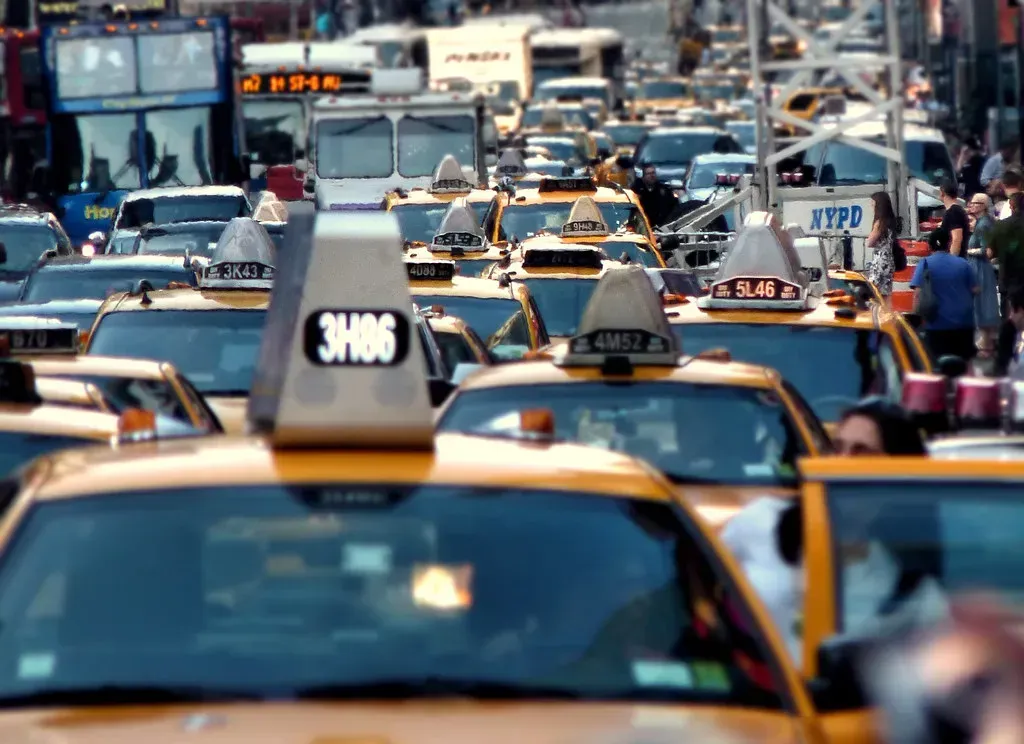
3. Transportation Choices Made Daily (joiseyshowaa, Flickr, <a href="https://creativecommons.org/licenses/by-sa/2.0/" target="_blank" rel="noopener">CC BY-SA 2.0</a>)
Housing averaged $2,189 per month in 2024, taking up roughly a third of total household spending, while transportation came in as the second largest expense – averaging $1,110 per month, or about seventeen percent of total spending. Together, those two categories swallow over half of what the average household earns and spends. Transportation, in particular, is shaped heavily by daily choices.
Think about it this way: choosing to drive solo to work every day versus carpooling two or three times a week is not a dramatic lifestyle change. Yet over twelve months, it compounds into hundreds of dollars in fuel, parking, and wear-and-tear savings. Vehicle purchases sit at the top of transportation spending, followed by insurance, maintenance, and fees, while gasoline is actually a comparatively smaller slice of the total. Habits around how, when, and how often you use your vehicle are quietly running the bill.
4. Energy and Utility Usage at Home

4. Energy and Utility Usage at Home (Image Credits: Pexels)
Leaving lights on, running the dishwasher half-empty, cranking the heat instead of putting on a sweater – these feel like nothing in isolation. Stacked up over a month, they make a noticeable dent. Electricity costs jumped over six percent and natural gas rose nearly fourteen percent year over year through 2025, hitting renters and utility payers especially hard. Utility bills are no longer the predictable, manageable expense they once felt like.
Housing and utilities prices remain elevated, potentially adding pressure on household budgets and amplifying cutbacks elsewhere. It’s hard to say for sure exactly how much the average household loses to mindless energy habits, but the principle is simple: small behavioral changes – shorter showers, smarter thermostat settings, unplugging idle electronics – create consistent monthly savings. The habit of being intentional about energy use is one of the most accessible levers available to any household.
5. Subscription and Membership Spending

5. Subscription and Membership Spending (Image Credits: Pexels)
Streaming platforms, gym memberships, music apps, meal kits, cloud storage, software tools – the list multiplies every year. Each one seems reasonable on its own. Collectively, they form a quiet but relentless drain on monthly cash flow. Younger households in particular are directing more dollars toward digital subscriptions, and research consistently shows that most people dramatically underestimate how many subscriptions they actually hold.
Spending for social, recreation, and health club memberships averaged $272 in 2024, with spending for sports, recreation, and exercise equipment coming in at an additional $225. Multiply that across the full landscape of digital and physical subscriptions, and the number grows quickly. The real problem isn’t any one subscription. It’s the habit of signing up and never auditing. Most financial planners agree: a quarterly subscription review alone is one of the simplest ways to recover meaningful money each month.
6. Impulse Spending and Unplanned Purchases

6. Impulse Spending and Unplanned Purchases (Image Credits: Unsplash)
Impulse spending is the most emotionally driven of all the habits on this list. A stressful week, a well-placed sale banner, a clever social media ad – and suddenly there’s something in your cart that wasn’t on any list. For the third consecutive year running through 2024, the share of adults who said their monthly spending increased was higher than those who said their monthly income increased, and unplanned spending is widely recognized as a core driver of that gap.
Only about one in six U.S. adults say they have enough emergency savings to cover between three and five months of living expenses, and nearly two-thirds of Americans say that inflation is causing them to save less for unexpected expenses. Impulse purchases don’t just cost what they cost in the moment – they also erode the financial buffer that protects households from genuine emergencies. The habit of pausing before unplanned purchases, even just overnight, is one of the most powerful small changes available to a household budget.
When you step back and look at these six habits together, a clear picture emerges. It’s never one single decision that shapes a household’s financial health. It’s the quiet accumulation of dozens of small, daily choices – at the grocery store, at the dinner table, behind the wheel, at the thermostat, on the app store, and at the checkout. The average monthly household expense in 2024 was $6,545, totaling over $78,000 for the full year – and a surprisingly large portion of that total is influenced by adjustable daily habits, not fixed obligations.
The good news is that habits are changeable. You don’t need a raise or a windfall. You just need awareness. Which of these six habits do you think is costing your household the most? Tell us in the comments below.