
What makes a long-term relationship work for a 22-year-old is almost nothing like what keeps a 65-year-old’s partnership running smoothly. That’s not cynicism. That’s just reality. The priorities, fears, and emotional needs we bring into a committed relationship are deeply shaped by the era we grew up in, the economic pressures we’ve faced, and yes, simply how much of life we’ve already lived.
Here’s the thing though: most relationship advice pretends these differences barely exist. We talk about “communication” and “trust” as if those words mean the same thing to a Gen Z 24-year-old and a Baby Boomer in their early seventies. They genuinely don’t. Let’s break down exactly what each age group is actually looking for, and be surprised by just how differently we all define love. Let’s dive in.
1. Gen Z (Ages 18 to 28): Emotional Intimacy and Mental Health as Non-Negotiables

1. Gen Z (Ages 18 to 28): Emotional Intimacy and Mental Health as Non-Negotiables (Image Credits: Pexels)
A massive 84% of Gen Z daters are seeking new ways to build emotional intimacy, even as hesitation, gendered expectations, and a lack of meaningful questions on dates hold them back. That's a striking finding. This generation genuinely wants deep connection. They're not the emotionally closed-off generation older adults sometimes make them out to be.
Mental health is a huge part of Gen Z dating. This generation is highly aware of the importance of emotional well-being, and they're not afraid to prioritize their mental health even in romantic relationships. Setting boundaries, openly discussing mental health struggles, and supporting each other through tough times are all common. In fact, therapy isn't taboo in Gen Z dating. It's normalized. Yet there's a real paradox here. Gen Z daters are roughly a third more hesitant than millennials to begin a deep conversation on the first date, suggesting the desire for closeness and the willingness to reach for it are still out of sync. It's almost like knowing all the right words in a language but being too nervous to actually speak them out loud.
2. Millennials (Ages 29 to 44): Partnership, Personal Growth, and Clarity About the Future

2. Millennials (Ages 29 to 44): Partnership, Personal Growth, and Clarity About the Future (Image Credits: Unsplash)
Millennials, born between 1981 and 1996, grew up during the rapid expansion of the internet and social media. This exposure made them more globally aware and socially conscious. They seek relationships that offer emotional fulfillment and shared values. For millennials, communication and mutual understanding are pivotal. They often view relationships as partnerships where personal growth and support go hand in hand.
Honestly, millennials want structure. Millennials want security and clarity. They follow the relationship escalator: dating, commitment, moving in, marriage, kids. That road map matters to them deeply, even if the cultural conversation constantly tries to reframe it as outdated. According to the 2025 National Dating Landscape Survey, a nationally representative sample of over five thousand unmarried young adults in their prime dating years in the United States found that the vast majority, roughly 86%, still expect to marry someday. For millennials, a long-term relationship without a sense of direction can feel like driving without a destination. The journey is fine. The drift is not.
3. Gen X (Ages 45 to 60): Independence, Pragmatism, and Low Tolerance for Drama

3. Gen X (Ages 45 to 60): Independence, Pragmatism, and Low Tolerance for Drama (Image Credits: Unsplash)
Each generation grew up during distinct historical periods that shaped their values, communication styles, and relationship expectations. Baby Boomers experienced the post-war economic boom and traditional gender roles, Gen X navigated economic uncertainty and rising divorce rates, Millennials witnessed the digital revolution and economic recession, while Gen Z has grown up with social media, climate anxiety, and unprecedented global connectivity. Growing up watching their parents' generation divorce at record rates left Gen X with a particular kind of emotional pragmatism.
Gen Xers grew up skeptical of institutions and learned to value independence. In negotiation and in life, this often translates to pragmatism: they're less swayed by hierarchy, and more focused on efficiency and results. That same mindset transfers directly into how they approach long-term love. They want a partner who pulls their own weight, emotionally and practically. They aren't looking to be saved or to save someone else. Think of it less like a fairy tale and more like a well-run business partnership that you also happen to genuinely enjoy. Gen X, contrasting with Boomers, tends to prioritize a work-life balance, operating under a work hard, play hard mentality. That balance extends to relationships, too.
4. Baby Boomers (Ages 61 to 79): Commitment, Loyalty, and Shared Practical Life
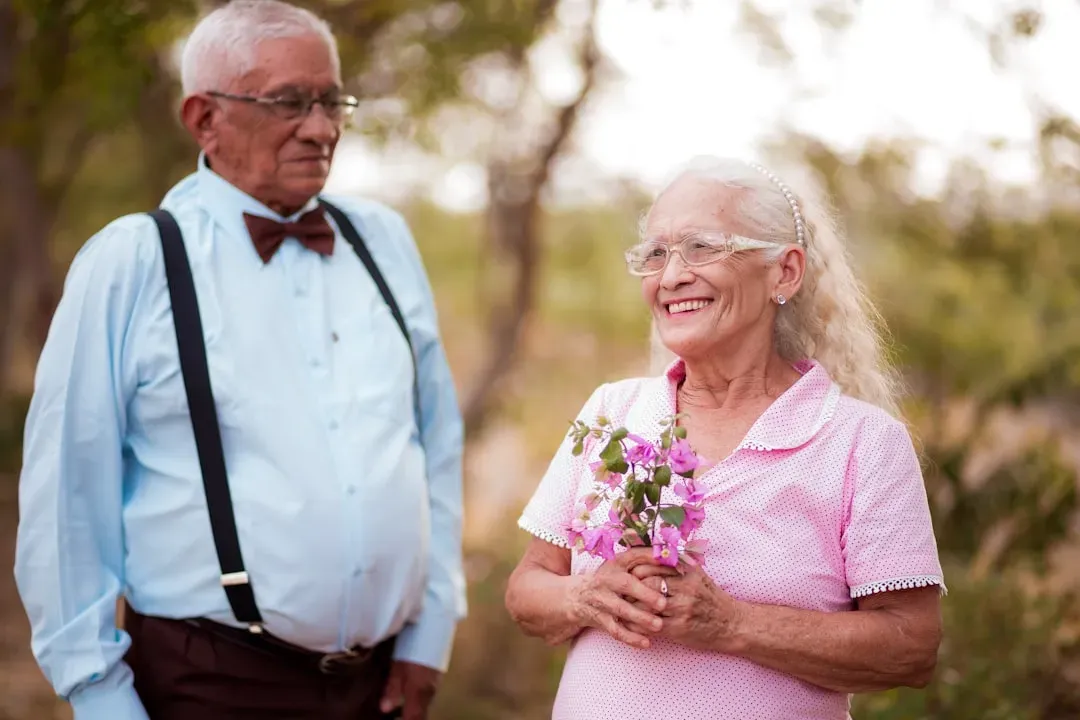
4. Baby Boomers (Ages 61 to 79): Commitment, Loyalty, and Shared Practical Life (Image Credits: Unsplash)
Baby Boomers approach relationships with expectations formed during an era of higher relationship stability. They tend to value commitment, loyalty, and gradual relationship progression. This influences how they express care, often focusing on long-term practical support like home maintenance, financial planning, and family care responsibilities. Their service-oriented expressions reflect values of provider roles and traditional relationship structures.
Baby Boomers, born between 1946 and 1964, often adhere to traditional relationship roles. This generation values long-term commitments and views marriage as a key milestone. However, they are not immune to change. The later years of this generation witnessed the rise of feminism and a gradual shift in gender roles, influencing their perception of partnerships. It's worth noting that financial expectations play a role here too. Only roughly half of Baby Boomers say they are likely to prioritize love over financial security, which reveals a deeply practical lens through which they evaluate romantic stability. For them, love without a foundation is a house without walls.
5. Adults in Midlife Transition (Ages 50 to 65): Security, Emotional Depth, and Reinvention
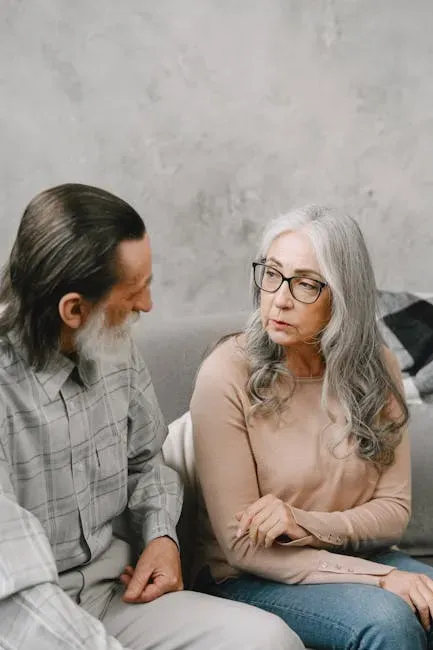
5. Adults in Midlife Transition (Ages 50 to 65): Security, Emotional Depth, and Reinvention (Image Credits: Pexels)
This age group is one that rarely gets its own chapter in relationship discussions, but I think it deserves one. Adults navigating their fifties and early sixties are often doing something genuinely complex: reassessing everything. Career changes, empty nests, health considerations, and sometimes the end of a first marriage all converge at once. Young adults are motivated to make new social contacts for future development, but with increasingly limited future time in later life, goals shift from information acquisition to emotion regulation. This shift may help to maintain high levels of well-being and is accompanied by the maintenance of existing relationships with deeper emotional meaning.
In relationships where partners may belong to different life stages, there is often a need to balance traditional views with modern ideals. This balance requires adaptability and a willingness to embrace each other's worldview. While one partner may prioritize stability and long-term planning, the other might value spontaneity and personal growth. Finding common ground is essential for the relationship to thrive. People in this window of life often describe wanting a partner who truly "gets" them on a deeper level than superficial compatibility. It's less about ticking boxes and more about feeling genuinely understood after decades of being misread by the world.
6. Older Adults (Ages 65 and Above): Stability, Companionship, and Peace Over Passion
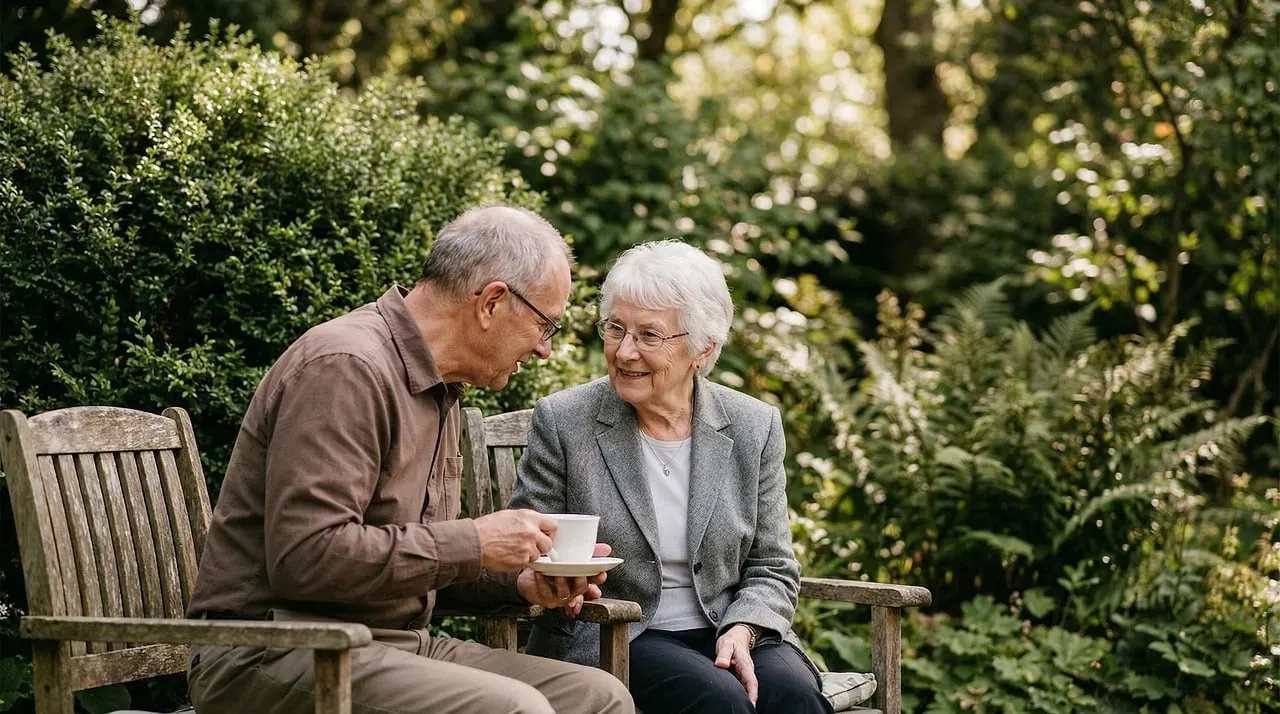
6. Older Adults (Ages 65 and Above): Stability, Companionship, and Peace Over Passion (Image Credits: Pixabay)
Older people tend to see their partnerships as indivisible, without necessarily implying that they are satisfied, and, despite challenges, prefer to sustain them because alternatives are perceived as poor, too much would be lost, or to maintain the status quo and calm at every cost. Research on couples aged 65 and above with relationships spanning over 25 years reveals something nuanced that popular culture misses entirely. It's not purely bliss. It's a deep, practiced commitment to endurance.
Studies have shown that older adults' smaller, yet emotionally closer social networks are associated with high levels of satisfaction and low levels of loneliness. Similarly, older adults who maintain relationships with family and friends report better physical and mental health than those who focus on new relationships. For this age group, the expectation in a long-term relationship isn't fireworks. It's warmth. It's knowing someone will be there on a difficult Tuesday morning. Many feel that peace-eliciting stability and security are enhanced by the accumulated joint experience of the partners. That accumulated experience, those shared memories and weathered storms, becomes the actual glue. Not romance alone. Not passion alone. Something quieter and far more durable than either.
What emerges across all six groups is a fascinating truth: every age cohort is, at its core, looking for the same thing in a slightly different costume. Connection. Safety. To be known. The difference is in which version of those needs feels most urgent depending on where life has taken you so far. Whether you're a Gen Z dater nervously crafting the perfect voice note or a 70-year-old holding your partner's hand through a doctor's appointment, the underlying human craving is remarkably similar.
Which of these resonated most with where you are right now? Tell us in the comments.