
Some people just seem to carry their years lightly. They move well, think sharply, and carry an energy that doesn’t quite match the number on their driver’s license. For a long time, the working assumption was that this came down to good genes. Turns out, the picture is considerably more complicated.
We all age at varying rates, and while some people with particularly long lives may have great genetics, research shows that habits and routines – everything from what we eat and how we move to who we spend time with – matter enormously when it comes to aging well. The biology of aging is increasingly measurable, and it’s becoming clear that certain daily practices leave a real, traceable mark at the cellular level.
1. They Protect Their Sleep Like It's Non-Negotiable

1. They Protect Their Sleep Like It's Non-Negotiable (Image Credits: Unsplash)
Several sleep parameters present an elevated risk for processes that contribute to cellular aging. Short sleep duration, sleep apnea, and insomnia are significantly associated with shorter telomeres, a biological marker of cellular aging. Telomeres are the protective caps on the ends of chromosomes, and their length is one of the most reliable indicators of how fast your body is aging on the inside.
University of Florida researchers found that quality sleep, along with social support and maintaining a healthy waistline, is linked to slower brain aging. Study participants with the most protective behavioral factors had brains that appeared up to eight years younger than their peers with the least protective factors. That gap is hard to ignore. Research also suggests that sleep variability and disrupted circadian rhythms may accelerate cellular aging through telomere shortening, and that interventions targeting sleep could reduce biological aging and vulnerability to age-related diseases.
2. They Move Consistently, Not Obsessively

2. They Move Consistently, Not Obsessively (Image Credits: Unsplash)
Studies have demonstrated associations between individual lifestyle components and various markers of biological aging, with regular physical activity specifically linked to longer telomeres and slower biological aging. The relationship isn't about extreme performance. It's about consistency over years and decades.
A review published in the Canadian Medical Association Journal in January 2025 suggested that a regular exercise routine could boost longevity, with moderate exercise for no more than around two and a half hours per week linked to a roughly one third lower risk of death from any cause in older adults. That may be partly because exercise boosts strength and reduces frailty. People who age slowly tend to treat movement as maintenance, not punishment. A walk, a swim, a bike ride, a short strength session – the exact form matters far less than the habit of showing up.
3. They Eat in a Way That Reduces Inflammation

3. They Eat in a Way That Reduces Inflammation (Image Credits: Unsplash)
Research confirms that an anti-inflammatory diet, alongside physical activity and healthy sleep patterns, is crucial in slowing biological aging and reducing mortality risk. The practical translation of that is pretty straightforward: fewer ultra-processed foods, more vegetables, legumes, healthy fats, and whole grains.
A study published in December 2024 in the journal Clinical Nutrition added to this evidence, finding that young adults who followed diets high in processed foods and sugary beverages appeared to experience faster biological aging. Separately, research found that two years of calorie restriction led to a roughly two to three percent slower pace of aging, and that a similar slowdown in biological aging could reduce someone's risk of death by up to fifteen percent – roughly the same longevity benefit associated with quitting smoking. The food choices people make quietly and repeatedly across years add up to something measurable.
4. They Maintain Strong Social Connections

4. They Maintain Strong Social Connections (Image Credits: Unsplash)
Scientists discovered that lifelong social support can slow biological aging. Using DNA-based epigenetic clocks, researchers found that people with richer, more sustained relationships showed younger biological profiles and lower inflammation. This isn't a soft finding. It shows up in the actual molecular architecture of cells.
The largest meta-analysis to date on social connections and cognition, which included thirteen longitudinal cohort studies and more than 38,000 participants, found that living with other people predicted slower cognitive, memory, and language decline. Weekly interactions with family and friends also predicted slower memory decline compared to no regular social engagement. The absence of meaningful relationships not only increases the likelihood of premature death but also accelerates underlying biological aging processes. Chronic isolation triggers stress responses that amplify inflammation, oxidative damage, and other cellular mechanisms that erode physical health.
5. They Manage Stress Before It Becomes Chronic

5. They Manage Stress Before It Becomes Chronic (Image Credits: Unsplash)
Several studies show that stress accelerates cellular aging, and that eliminating the factors responsible for this acceleration, or applying measures that slow it down, could delay the onset of chronic diseases and significantly increase healthy life expectancy. The issue isn't stress itself – brief, manageable stress is a normal part of life. The problem is when it never fully switches off.
Exposure to chronic stress takes a significant toll on health and increases the risk of mortality. Psychological conditions such as depression and anxiety are associated with early onset and increased risk of age-related diseases, including dementia, cardiovascular disease, and diabetes. New research shows that the brain's true age can shift dramatically depending on how we live, with optimism, restorative sleep, stress management, and strong social support acting like powerful anti-aging tools. People who age gracefully tend to have some form of reliable stress outlet, whether that's exercise, time in nature, meditation, or simply having people they can talk to honestly.
6. They Don't Smoke, and They Keep a Healthy Weight
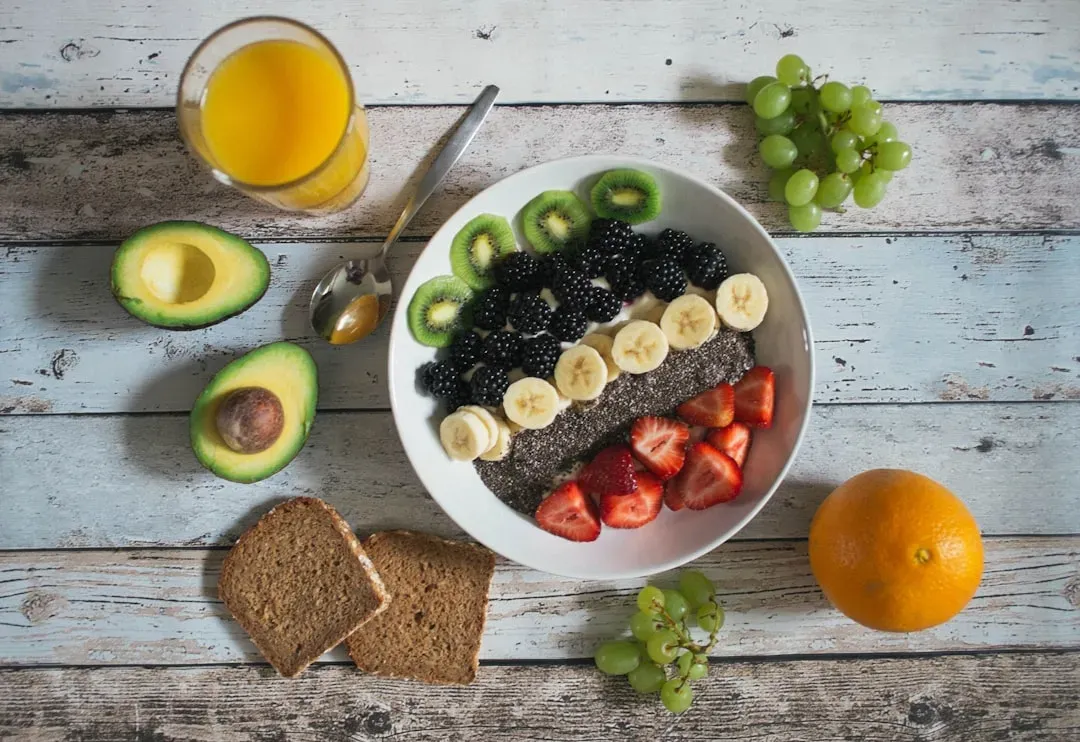
6. They Don't Smoke, and They Keep a Healthy Weight (Image Credits: Unsplash)
An analysis of more than 6,500 adults found a clear link between high cardiovascular health, as measured by the American Heart Association's Life's Essential 8 checklist, and slower biological aging. Two of the most impactful variables within that framework are tobacco avoidance and weight management. A 41-year-old who follows most of the guidelines for a healthy heart may have a biological age of 36, while a 53-year-old who doesn't get enough sleep, doesn't exercise regularly, and has high cholesterol may have a biological age closer to 57.
University of Florida researchers specifically identified maintaining a healthy waistline and avoiding tobacco use among the habits most strongly linked to slower brain aging. Smoking accelerates telomere shortening, promotes systemic inflammation, and stresses nearly every organ system at once. In several cases of exceptional longevity, such as supercentenarians aged 110 and older, the vast majority of additional years lived are in good health, with incapacitating chronic diseases only appearing late, at the very end of life. Keeping those two factors in check appears to be one of the clearest dividing lines between people whose biology tracks their calendar age and those whose biology runs well behind it.
What ties these six habits together is that none of them require a specific income, a particular geography, or a lucky genetic draw. They're accessible, cumulative, and quietly powerful. The evidence across biology, epidemiology, and molecular research now points in the same direction: how we live day to day writes itself into the very cells that determine how we age. The birth certificate is just the starting point.