
Walk into any two households earning similar paychecks and you'll often find wildly different bank balances a decade later. The gap rarely comes down to luck or a higher salary. It usually traces back to a handful of everyday habits that quietly compound over months and years, shaping how money actually moves through a person's life.
1. They automate savings before they see the money
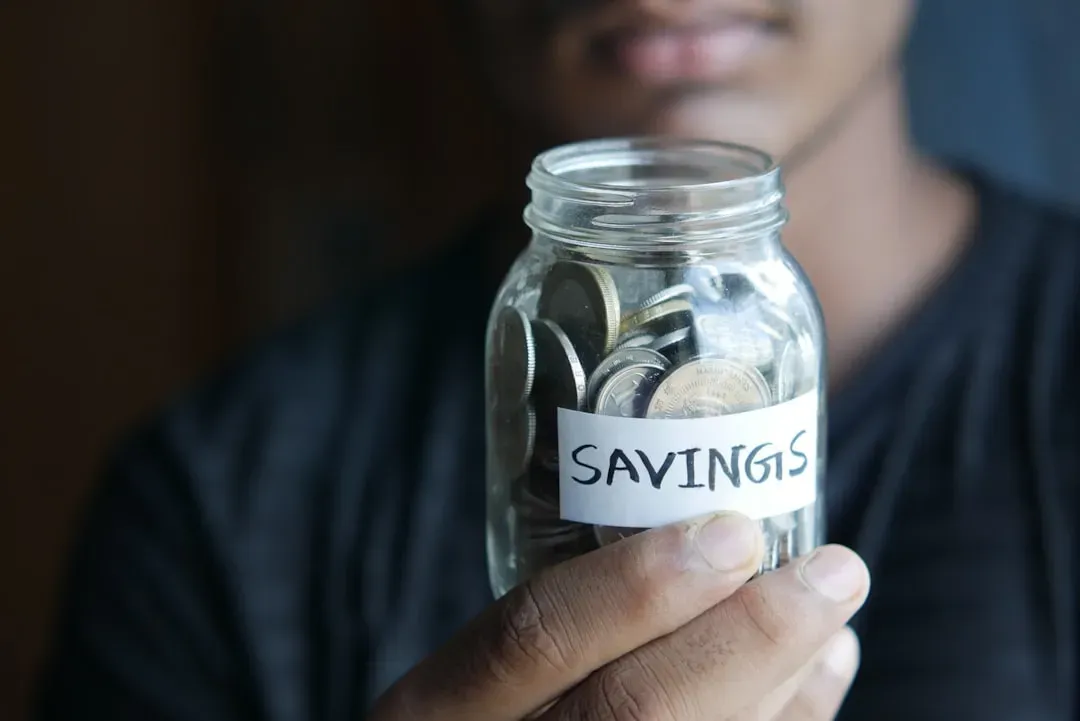
1. They automate savings before they see the money (Image Credits: Unsplash)
People who consistently build wealth tend to remove willpower from the equation entirely. Instead of deciding each month whether to save, they set up automatic transfers that pull money into savings the moment a paycheck lands. This "pay yourself first" approach means spending decisions happen with whatever is left over, not the other way around.
The habit matters more than ever given how uneven personal saving has become nationally. The personal saving rate averaged 4.72% across all of 2025, down from 5.43% in 2024, a year-over-year decline of nearly a full percentage point. Automation tends to protect savers from that kind of drift, since the transfer happens whether or not someone feels like saving that particular week.
2. They actually know where their money goes

2. They actually know where their money goes (Image Credits: Pexels)
Spenders often describe their finances in vague terms. Savers, by contrast, tend to know roughly what they spent on groceries last month or how much went to subscriptions they forgot about. This isn't about obsessive spreadsheet tracking for everyone, though some do enjoy that level of detail.
Plenty of modern tools have made this easier than it used to be. Apps like Quicken Simplifi, YNAB, Monarch Money, and PocketGuard help track money in real time, while other apps automatically shuffle small amounts into savings without much thought required. The point isn't the specific app. It's the awareness that comes from checking in regularly instead of being surprised by a low balance at the end of the month.
3. They treat an emergency fund as non-negotiable
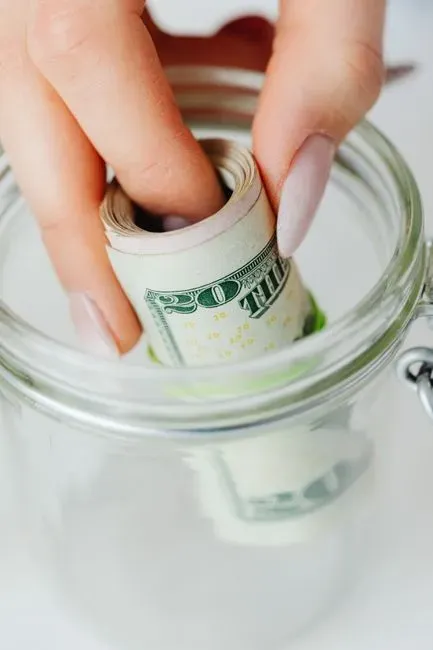
3. They treat an emergency fund as non-negotiable (Image Credits: Pexels)
Unexpected expenses hit everyone eventually, whether it's a car repair, a medical bill, or a sudden job loss. Savers tend to build a cash cushion specifically for these moments rather than reaching for a credit card when trouble arrives. The difference in outcomes can be significant, since debt taken on during a crisis often carries interest costs that linger for years.
The reality is that many households still fall short here. Surveys suggest the typical U.S. emergency-savings balance is much lower than $10,000, with Empower reporting a median emergency savings amount of about $600. Research from Vanguard adds useful context, finding that having emergency savings, notably reaching at least $2,000, is strongly associated with higher financial well-being and lower financial stress. Even a modest cushion appears to make a measurable psychological difference.
4. They put idle cash somewhere it can actually grow

4. They put idle cash somewhere it can actually grow (Image Credits: Pexels)
One quiet but telling difference between savers and spenders is where they keep their money once it's saved. Spenders often leave cash sitting in a checking account or a basic savings account that pays almost nothing. Savers, on the other hand, tend to shop around for accounts that reward them for waiting.
The gap in what's available right now is genuinely large. As of June 2026, the national average interest rate on a savings account was 0.38%, according to FDIC data, while the best online savings accounts offer rates near 5.00%. Put another way, a high-yield savings account with a 4% interest rate right now is about 900 times more lucrative than a traditional savings account. Leaving thousands of dollars parked in a near-zero-interest account for years is a habit that quietly costs real money.
5. They resist lifestyle inflation as income rises

5. They resist lifestyle inflation as income rises (Image Credits: Unsplash)
Getting a raise or a bonus feels good, and it's tempting to immediately upgrade the car, the apartment, or the vacation budget to match. Savers tend to let their spending rise more slowly than their income, directing at least part of every raise toward savings or investments instead. Spenders, by contrast, often find that their expenses expand to swallow whatever new money comes in.
This habit shows up starkly across age groups and life stages, since the pressures pulling at a paycheck rarely ease up on their own. Household budgets have been under real strain lately, with cooling inflation seeing consumer prices rise 2.3 percent over the 12 months, the slowest pace since early 2021, yet many people still feel squeezed by everyday costs. Resisting the urge to spend every dollar of a raise is less about deprivation and more about giving future goals a fighting chance.
6. They prioritize retirement contributions early and consistently

6. They prioritize retirement contributions early and consistently (Sustainable Economies Law Center, Flickr, <a href="https://creativecommons.org/licenses/by-sa/2.0/" target="_blank" rel="noopener">CC BY-SA 2.0</a>)
Perhaps the clearest long-term habit separating is a consistent commitment to retirement accounts, even when it means smaller paychecks today. This often starts with capturing an employer match in a 401(k), which is effectively free money that spenders frequently leave on the table. Savers tend to increase their contribution rate gradually, especially as contribution limits shift each year.
The numbers show what steady contributions can add up to over time. The 2026 401(k) employee contribution limit is $23,500, with an additional catch-up contribution of $7,500 for workers age 50 and older, and average 401(k) balances hit a record high of approximately $131,400 in Q3 2025. Meanwhile total US retirement assets reached $49.1 trillion at the end of Q4 2025, up 11.2% for the year, a reminder that consistent, unglamorous contributions across millions of accounts eventually become a genuinely large pool of wealth.