
Most homeowners don't think of a wrench and a roll of Teflon tape as legal risks. Yet plumbing sits in a strange category where a weekend project can quietly cross into code violation territory, and insurers pay close attention when that happens.
The line between a harmless fix and a policy-ending mistake is often thinner than people expect. Below are six specific plumbing shortcuts that plumbing codes actually prohibit, and that insurance adjusters have learned to look for when a claim lands on their desk.
1. Rerouting a sump pump or sewage ejector into the storm drain
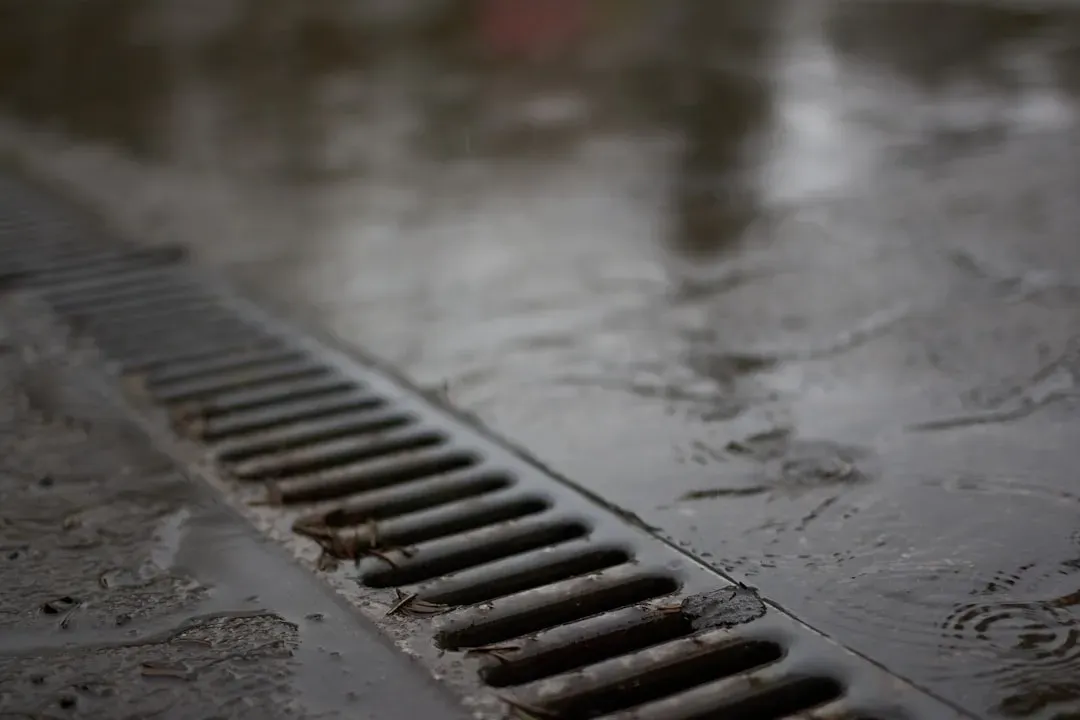
1. Rerouting a sump pump or sewage ejector into the storm drain (Image Credits: Unsplash)
Connecting a sump pump or sewage ejector discharge line to a storm drain or street gutter feels like a clever fix when a yard keeps flooding, but most municipal codes classify it as an illegal cross-connection. It mixes wastewater with stormwater systems that were never designed to handle it, and many cities actively fine homeowners caught doing this. Beyond the legal exposure, it creates exactly the kind of undisclosed plumbing alteration that insurers flag once a backup or flooding claim gets filed.
Sewer backup is already a tricky area for coverage. Homeowners insurance policies typically exclude damages resulting from sewer backup or sump pump failure, and a sewer backup endorsement is needed for that level of protection. Layer an illegal discharge setup on top of that, and an insurer has two separate reasons to walk away from the claim instead of one.
2. Connecting a gas line to a water heater or stove without a permit
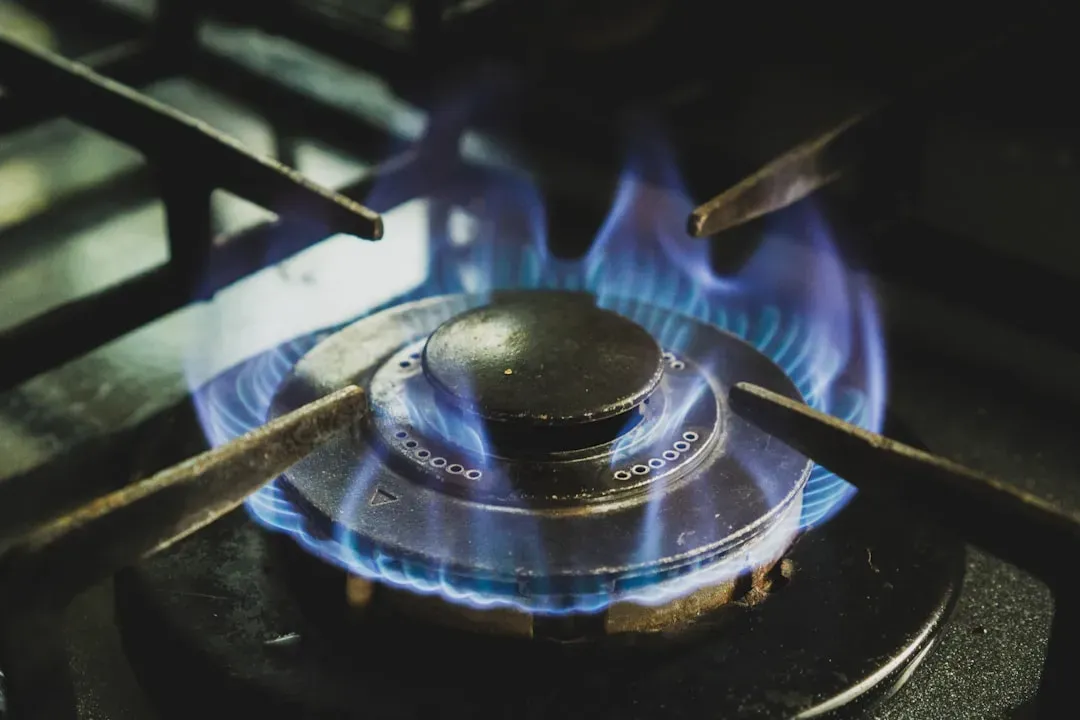
2. Connecting a gas line to a water heater or stove without a permit (Image Credits: Unsplash)
Gas work is one of the clearest examples of plumbing that crosses from inconvenient to genuinely dangerous when done without training. Hooking up a new water heater, range, or dryer might look like a simple fitting swap, but gas connections require exact torque, proper sediment traps, and leak testing that most homeowners simply aren't equipped to verify. Hooking up a new stove or dryer seems straightforward, but gas lines aren't forgiving, and even a small mistake can lead to leaks, explosions, or carbon monoxide poisoning that insurers treat as preventable with professional help.
Almost every jurisdiction in the United States requires a licensed plumber or gas fitter and a permit for this kind of work, which makes unlicensed gas line connections illegal on paper, not just risky in practice. If an explosion, fire, or gas leak is later traced to a DIY connection, insurers routinely treat it as the homeowner's negligence rather than an unforeseen accident. That distinction is the difference between a paid claim and a flat denial.
3. Removing or bypassing a P-trap
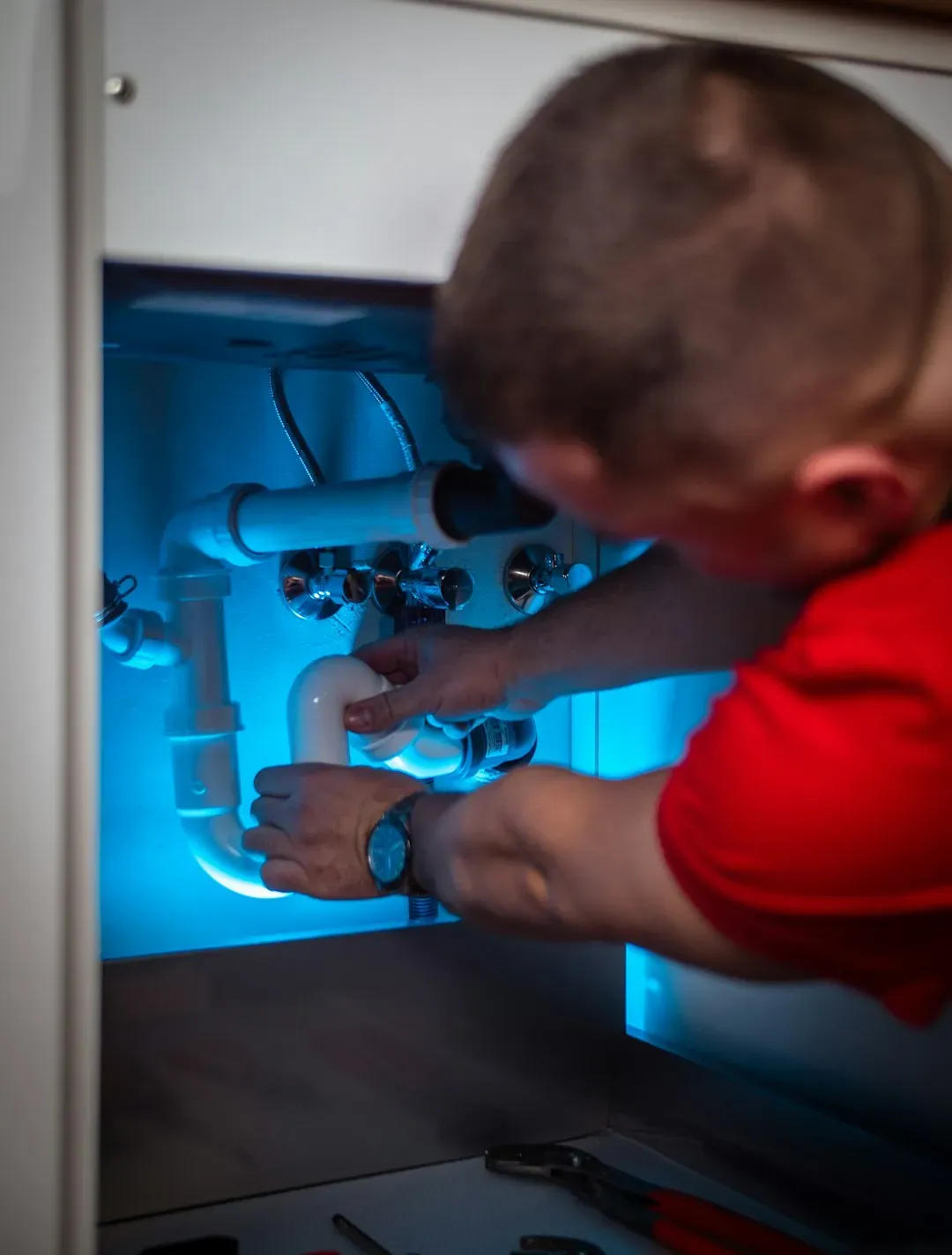
3. Removing or bypassing a P-trap (Image Credits: Unsplash)
The curved pipe under every sink and tub isn't there by accident. Plumbing codes require a P-trap on every fixture drain because it holds a small amount of water that blocks sewer gas from entering the home, and removing it or replacing it with a straight pipe to "improve drainage" violates that code outright. It's a surprisingly common shortcut during DIY sink installs, especially when the trap doesn't quite line up with the drain.
The consequences go beyond odor. A missing or improperly sized trap allows sewer gas, methane in particular, to seep into living spaces, and it can also let debris clog the line further down. If a homeowner attempts to repair or install plumbing systems themselves and causes a leak, most policies will not cover the resulting damage, and damage caused by poor installation or negligence will likely be excluded from coverage. A missing trap is exactly the kind of detail an inspector or adjuster notices immediately.
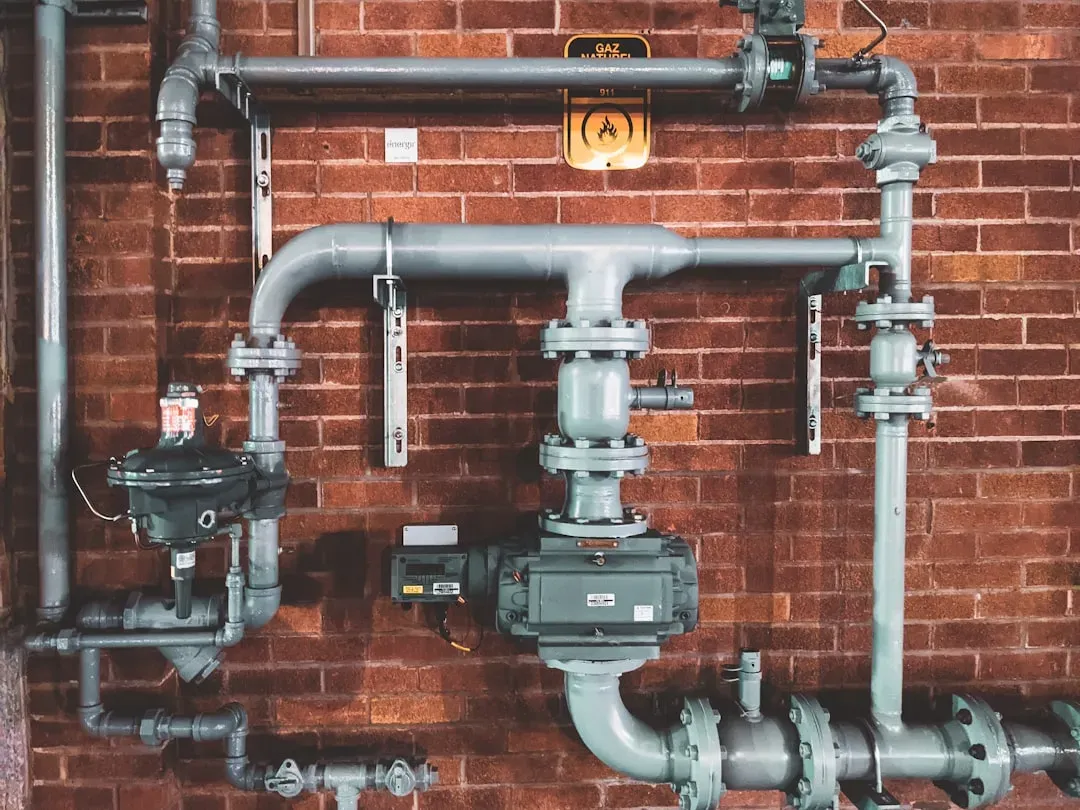
4. Tampering with or removing a backflow prevention device

4. Tampering with or removing a backflow prevention device (Image Credits: Pexels)
Backflow preventers stop contaminated water from siphoning back into the clean water supply, and they're required by code on irrigation systems, boilers, and certain fixtures. Some homeowners disconnect or bypass these devices because they're bulky, noisy, or seem to slow water pressure, without realizing that doing so is a direct code violation in nearly every municipal plumbing ordinance. It's also one of the few plumbing mistakes that can affect an entire neighborhood's water supply, not just one house.
Insurers view this category the same way they view any unlicensed alteration to a home's systems. Plumbing requires professional expertise, and attempting complex tasks without the necessary skills can lead to accidents and subpar or even dangerous results. If contamination or water damage is ever traced back to a missing backflow device, the claim conversation tends to be short.
5. Unpermitted repiping or slab leak repairs
5. Unpermitted repiping or slab leak repairs (Image Credits: Unsplash)
Repiping a section of a house, or cutting into a slab to fix a hidden leak, is exactly the kind of job most local codes require a permit for, precisely because it's invisible once the walls or flooring go back up. Skipping the permit doesn't just risk a fine if the city finds out later. It also means no licensed inspector ever verified the pipe materials, joint quality, or pressure rating, which matters a great deal if that same section fails again in a year or two.
Research suggests this is far more common than most homeowners assume. One estimate suggests up to half of homes in the United States have some form of unpermitted work on site. If a project is done without a permit and a mistake causes property damage, the homeowners insurance company can deem the homeowner negligent for failing to get a permit and have the work inspected, and can therefore deny the claim, leaving the cost of repairs out of pocket.
6. Installing an air admittance valve where code prohibits it
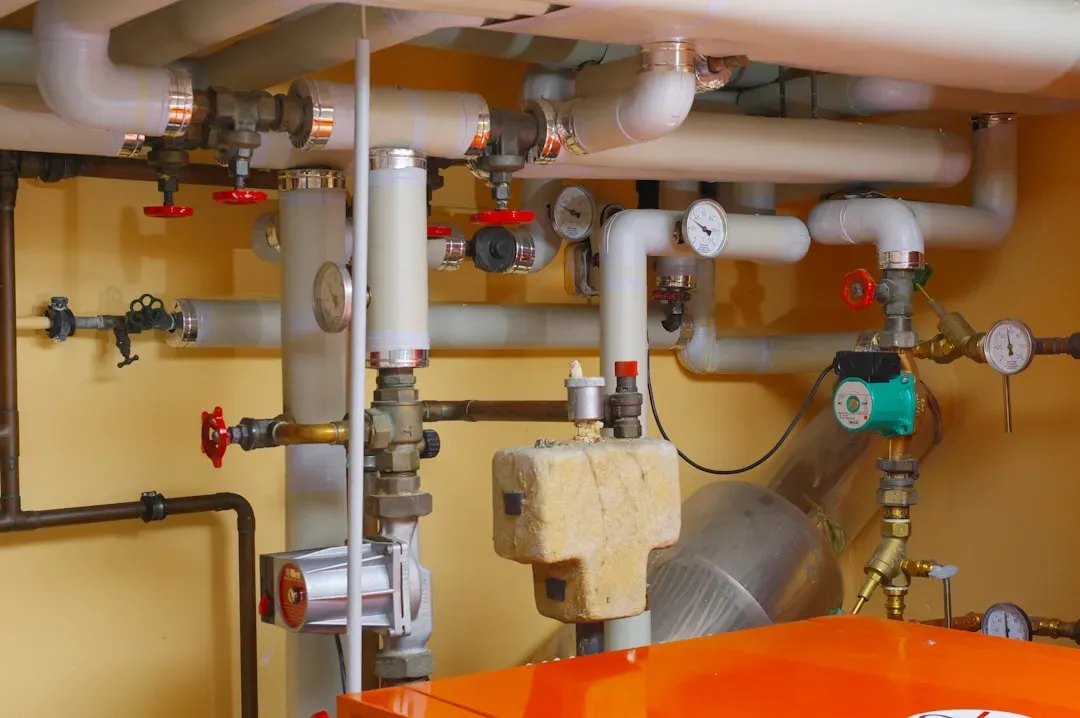
6. Installing an air admittance valve where code prohibits it (Image Credits: Unsplash)
Air admittance valves, sometimes called Studor vents, let a drain line "breathe" without running a full vent pipe through the roof. They're legal in plenty of jurisdictions under specific conditions, but many local codes restrict or outright ban them for certain fixtures, particularly on main drain stacks or in commercial-adjacent spaces. Installing one in a location the local code doesn't allow turns a reasonable-looking shortcut into a straightforward violation.
When these valves fail, and they do fail more often than a properly vented stack, sewer gas can leak into the home rather than escaping outside. If insurers discover that a plumbing issue was worsened by DIY repair attempts without the assistance of an expert, the insurance claim may be denied, which is why it's best leaving plumbing work to the experts. An illegally placed AAV gives an adjuster a very specific, very documentable reason to do exactly that.
Each of these six situations shares a common thread: the plumbing code exists for a reason that isn't obvious until something goes wrong, and insurance policies are written to reward compliance rather than good intentions. A permit, an inspection, or a licensed plumber's signature on the work order costs money upfront, but it's also the paperwork that keeps a claim alive when a pipe eventually bursts or a valve eventually fails. Skipping that step doesn't just risk a fine from the local building department. It quietly rewrites the terms of the insurance policy sitting in the filing cabinet, usually without the homeowner finding out until the exact moment they need it most.