
There’s a particular kind of silence that falls over a room when a grandfather says the right thing at the right moment. It’s not awkward. It’s not uncomfortable. It’s more like everyone present has just been handed something unexpectedly heavy, and they need a second to figure out where to put it.
Some old-fashioned sayings refuse to disappear, even as language and culture keep changing around them. A well-timed phrase from a grandparent or older relative can still stop people in their tracks, partly because vivid expressions tend to stick in the mind far longer than ordinary speech. These six lines are proof of exactly that.
1. "Back in My Day…"
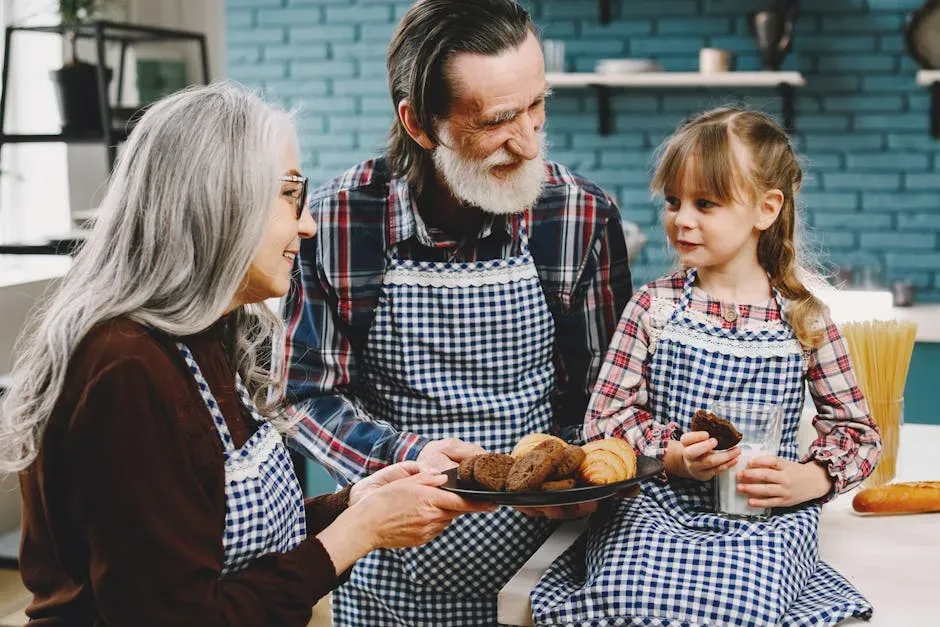
1. "Back in My Day…" (Image Credits: Pexels)
This phrase is the ultimate "us versus them" trigger, usually followed by a tale of manual labor or extreme weather. It lands with a thud precisely because it forces everyone in the room to measure the present against a past they didn't live through. Nobody interrupts. They just wait to see where it goes.
The statistical reality: in 1970, the median house price in the U.S. was roughly $26,986, or about 2.1 times the median household income. By 2023, that ratio jumped to nearly 5.5 times. When Grandpa says "back in my day," he's often factually correct about a lower barrier to entry for the American Dream. Whether or not the full picture is fair, the phrase carries enough truth to make people pause before pushing back.
2. "Because I Said So."
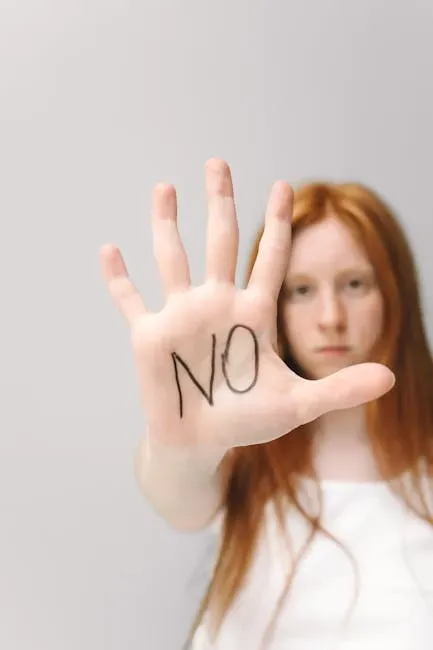
2. "Because I Said So." (Image Credits: Pexels)
Few phrases have the blunt stopping power of this one. It's short. It offers nothing to grab onto, no logic to refute, no emotion to counter. It's the verbal equivalent of a door closing quietly but firmly.
In a 2024 study by the Pew Research Center, roughly 43% of modern parents now identify as gentle or responsive, prioritizing bilateral communication over the unilateral edicts of the 1950s. That shift makes "because I said so" feel almost anachronistic now, which may be exactly why it still stops conversations so completely. It belongs to a different social contract, and when it surfaces, everyone in the room feels the gap.
3. "If It Was Worth Starting, It's Worth Finishing."
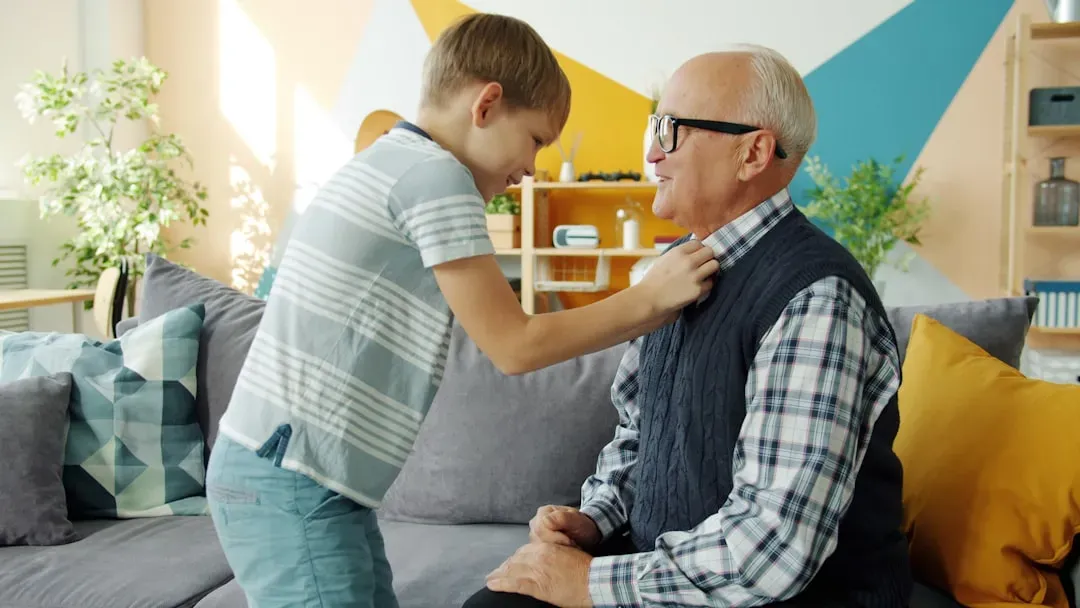
3. "If It Was Worth Starting, It's Worth Finishing." (Image Credits: Unsplash)
This one tends to arrive at the precise moment someone announces they're giving up on something. A project, a job, a relationship. Grandpa doesn't raise his voice. He just puts this line down on the table like a tool he knows will be useful.
In a world full of quick fixes and surface-level advice, grandfather wisdom stands out because it's rooted in real-life experience. These sayings aren't about impressing anyone, they're about grounding you when everything else feels shaky. The genius of this particular line is its refusal to negotiate. It doesn't say things will get easier. It just restates the original commitment, which is often enough to make someone sit back down and keep going.
4. "Hard Work Never Killed Anybody."
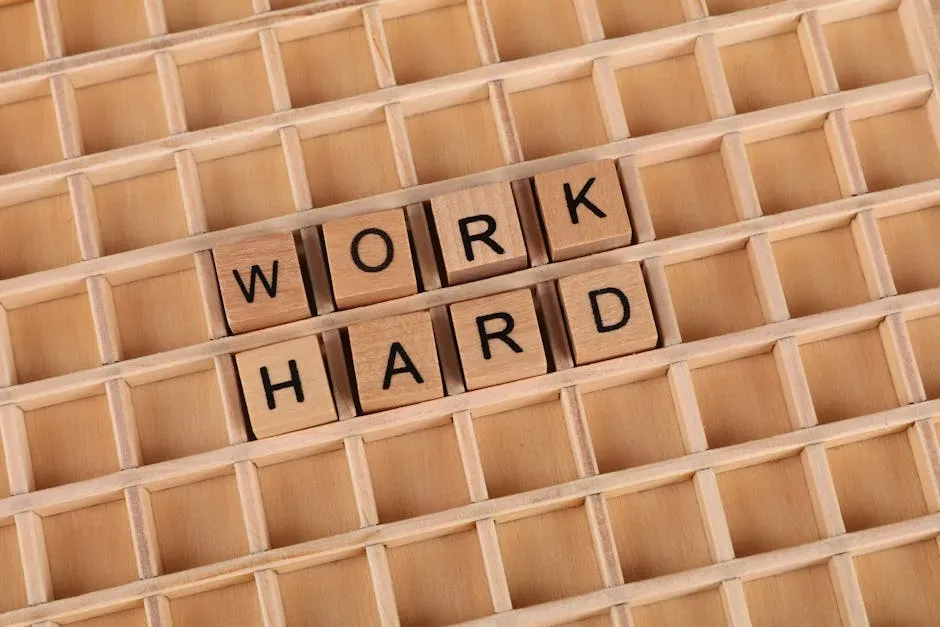
4. "Hard Work Never Killed Anybody." (Image Credits: Pexels)
The decoupling of hard work from financial reward is the defining economic trend of the 21st century. When Grandpa says this, he's describing a world where a single income from a manual labor job could buy a home and fund a pension. Today, many work three gig jobs and still live paycheck to paycheck. So the line lands differently for different generations, which is exactly what makes it so conversation-stopping.
For the older generation, it's a badge of honor. For the younger, it's a provocation. This doesn't mean effort is useless; it means strategic and network work have replaced raw hard work in the value chain. Grandpa's version still carries moral weight, though. And nobody in the room wants to be the one to argue against effort.
5. "Mind Your Ps and Qs."
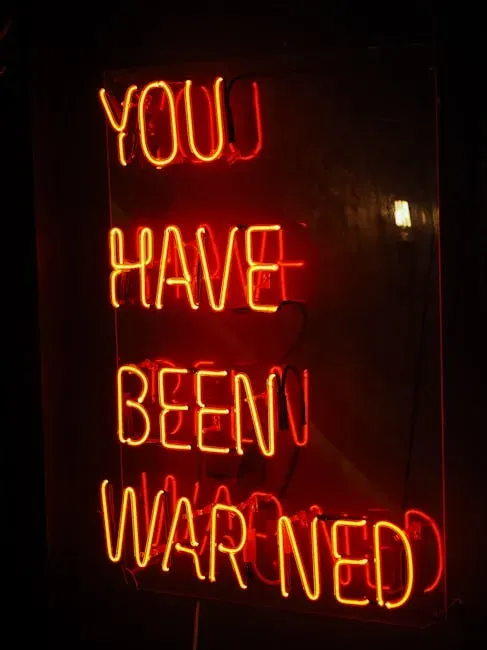
5. "Mind Your Ps and Qs." (Image Credits: Pexels)
"Mind your Ps and Qs" has been used for centuries to remind people to behave, though its origin is debated: some say bartenders tracked pints and quarts, while others point to typesetting, where "p" and "q" were easily confused. Either way, it stuck as a warning to mind your manners. Today, people just say "be careful," but this older version carries more personality.
When a grandpa drops this phrase on a loud table mid-argument, or directs it at a grandchild who's pushing boundaries, the room goes quiet because nobody is quite sure what just happened. A well-timed phrase from an older relative can still stop people in their tracks. Researchers studying language and memory have found that colorful, emotionally charged wording is often easier to remember and repeat. That may help explain why certain "grandpa phrases" continue surviving across generations. This one has a few centuries of survival behind it.
6. "You'll Understand When You're Older."
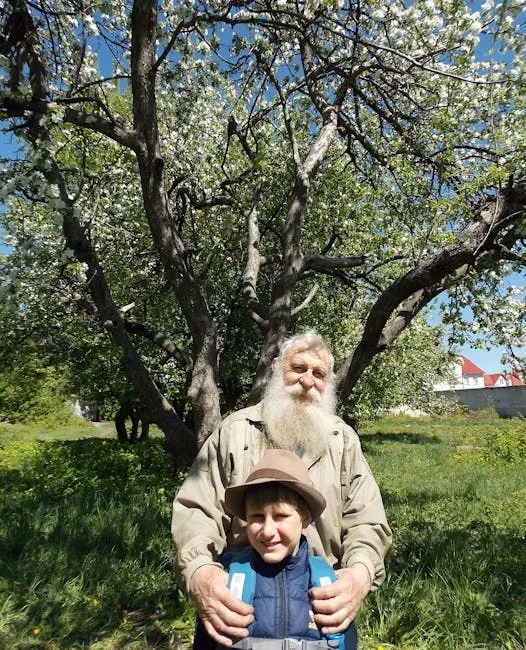
6. "You'll Understand When You're Older." (Image Credits: Pexels)
This is the quiet closer. It doesn't explain anything. It doesn't offer comfort in the conventional sense. It simply defers the answer to a future version of the person asking, and in doing so, acknowledges something neither side wants to say out loud: that some things can't be understood from where you're currently standing.
There's something about the way grandfathers carry themselves, a quiet confidence, a slow smile that seems to hold decades of stories and lessons without ever needing to shout them out loud. When they speak, it's like time bends a little, and you catch a glimpse of wisdom that's been polished by experience, patience, and a touch of humor. This line is the purest version of that. It stops the conversation not by shutting it down, but by making everyone in the room suddenly aware of how much they don't know yet.
What these six lines share isn't nostalgia. It's compression. Decades of lived experience squeezed into a sentence so tight it has nowhere to go but straight through you. They capture both the tenderness of everyday family life and the practical wisdom of long experience. By holding onto these sayings, we keep alive the values and humor that shaped our elders and can still shape our choices. That's why the room goes quiet. Not because anyone agrees or disagrees, but because everyone can feel that there's a real person behind the words, and that person has already seen how this ends.