
Words spoken at home carry more weight than most parents realize. A passing comment at the dinner table, a frustrated remark in the car, a phrase repeated so often it becomes background noise – these aren’t just words. For children, they become the raw material of self-perception, emotional habits, and the quiet story a person tells themselves well into adulthood.
Many well-intentioned but potentially harmful statements from parents come from a place of love and concern, yet they can inadvertently affect a child’s development in deeply negative ways. The six phrases that follow aren’t the obvious ones. They’re the everyday variety – the kind that gets passed down through generations and rarely raises an eyebrow, even when it probably should.
1. "Stop Crying" (and Its Variations: "You're Fine," "Toughen Up," "Big Kids Don't Cry")
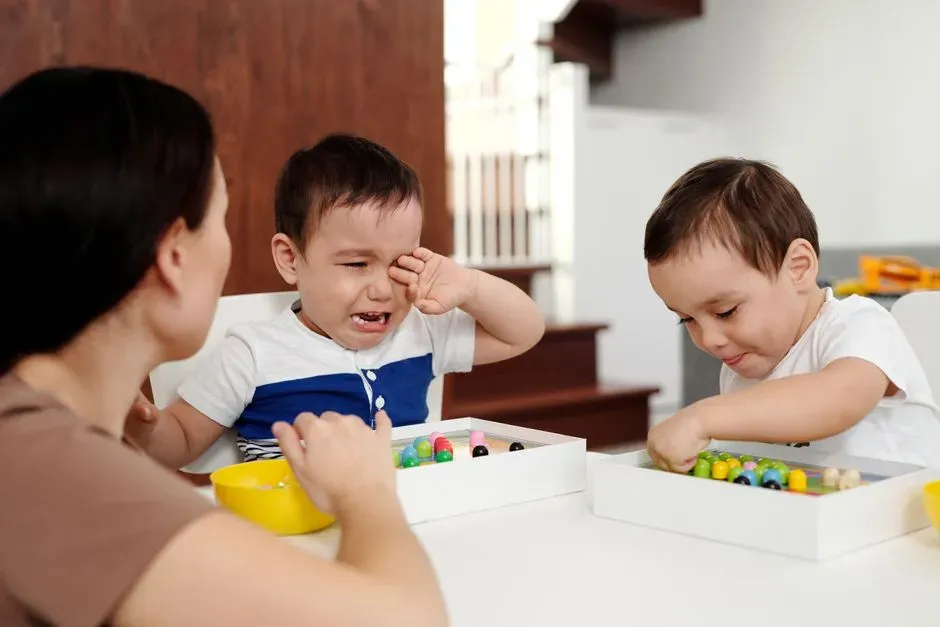
1. "Stop Crying" (and Its Variations: "You're Fine," "Toughen Up," "Big Kids Don't Cry") (Image Credits: Pexels)
This one might be the most universally familiar phrase in parenting history. It sounds reasonable on the surface – a gentle push toward emotional control. The problem is what it actually teaches. Psychology has been clear for a long time: routinely dismissing a child’s emotions doesn’t toughen them; it teaches them to mistrust and suppress their inner life.
Children of emotion-dismissing parents don’t just feel worse. They learn that their emotions are problems to be eliminated. They internalize the message that what they feel is wrong, inappropriate, or abnormal – and over time, they stop registering their own emotional signals altogether. Research by psychologist John Gottman, who spent decades studying parent-child emotional dynamics, found that children who are emotion-coached show better physiological and emotional regulation, fewer internalizing and externalizing symptoms, higher self-esteem, less physiological stress, greater social competence, and higher academic achievement compared to children raised under emotion-dismissing parenting. The gap in outcomes is stark, and it starts with phrases that seem completely harmless.
2. "Why Can't You Be More Like Your Sister / Brother / That Kid?"
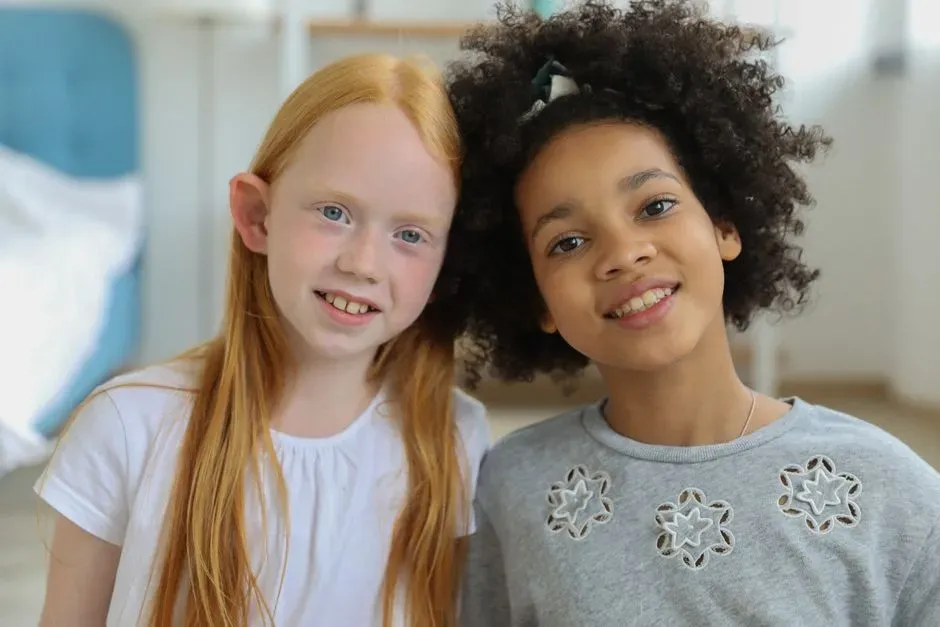
2. "Why Can't You Be More Like Your Sister / Brother / That Kid?" (Image Credits: Pexels)
Comparison feels motivating from a parent’s point of view. In reality, it lands very differently. When said with frustration or contempt, this kind of comparison makes children feel inherently flawed. They internalize that parts of who they are – parts they can’t change – are fundamentally wrong or disappointing. The damage is twofold: it affects their self-image and their relationship with that parent.
Parents often think they’re offering a target to aim for. Children hear: “As you are, you fall short.” That wound rarely shows on report cards, but it travels with them – into classrooms where they assume others are better, into friendships where they feel replaceable. Whether comparisons are to siblings, classmates, or the parent’s own childhood, they create a chronic sense of inadequacy. When child psychologists hear this phrase used habitually, it signals a home environment where conditional worth has taken root.
3. "You're So Lazy" (or Any Fixed Negative Label)
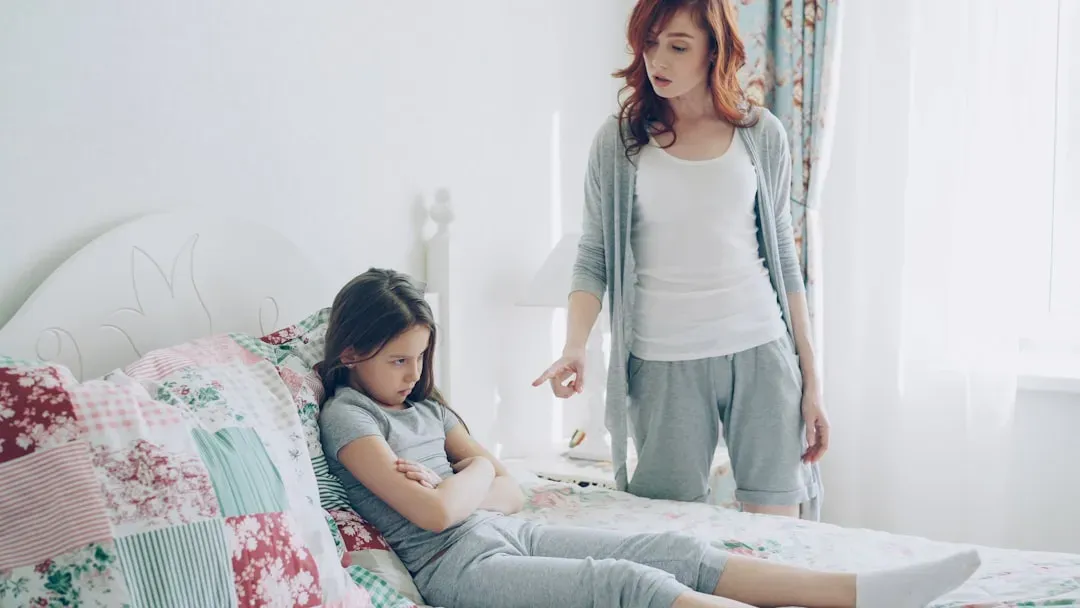
3. "You're So Lazy" (or Any Fixed Negative Label) (Image Credits: Unsplash)
Labeling a child – calling them lazy, stupid, difficult, or dramatic – is one of the clearest signals that something deeper may be going on in the parent-child dynamic. Parents who regularly insult or belittle their child may cause them to feel worthless and inadequate. Critical comments like “You could have tried harder” or “You should have done this instead” can also erode a child’s self-esteem.
What concerns psychologists most is that these labels often mask an undiagnosed issue in the child. The child who was always called lazy may have had undiagnosed ADHD or learning differences, and that label probably still haunts them. Being criticized by a parent can be emotionally challenging, especially when done in a harsh or demeaning manner. In the experience of child psychologists, most critical parents are struggling with their own anxieties that come out sideways and overwhelm their children. Critical comments can erode a child’s self-esteem and sense of worth, and can also lead to a decrease in motivation and a lack of confidence in their abilities.
4. "You're Making Me So Stressed / Sad / Sick"

4. "You're Making Me So Stressed / Sad / Sick" (Image Credits: Unsplash)
This phrase doesn’t always come from a place of manipulation. Often it slips out in a moment of genuine exhaustion or overwhelm. Still, it places adult emotional weight squarely on a child’s shoulders. Using guilt as a parenting tool creates children who feel responsible for their parents’ happiness and sacrifice. Over time, a child who hears this regularly begins to organize their behavior around managing the parent’s emotional state rather than developing their own.
This is where the phrase becomes a clinical signal. Emotional parentification can take the form of a child mediating between family members, acting as a parent’s therapist, or being privy to adult problems. It does not refer to moments when a child gives a loving hug – it is a chronic role reversal based on the parent’s inability to manage their own emotions. Research published in the Journal of Child and Family Studies found that emotional parentification was associated with increased symptoms of anxiety and depression in children. Another study found it was associated with higher levels of emotional distress, a lower sense of control over one’s life, and an increased likelihood of engaging in risky behaviors. As adults, formerly parentified children can struggle with boundary setting and emotional regulation.
5. "Because I Said So – Stop Asking Questions"

5. "Because I Said So – Stop Asking Questions" (Image Credits: Unsplash)
Authority in parenting matters. Children genuinely need structure, boundaries, and adults who can hold the line. The issue isn’t firmness – it’s the habitual shutdown of a child’s natural curiosity and need to understand the world. Consistently shutting down a child’s curiosity teaches them their questions don’t matter. They learn to follow authority blindly rather than developing critical thinking skills.
What makes this pattern so invisible is that it is often coated with concern. Yet research repeatedly shows that when guidance crosses into overriding a child’s thoughts and feelings, the cost is steep: higher anxiety, lower self-esteem, and difficulty making decisions in adulthood. Over time, children raised under heavy psychological control tend to doubt their own judgment, stifle their needs, and twist themselves into shapes they think will finally please their parents. They may look “easy” or “well-behaved” from the outside, but inside there is often a quiet grief for the self they never got to be.
6. "You Always / You Never…" (Absolute Statements About Character)
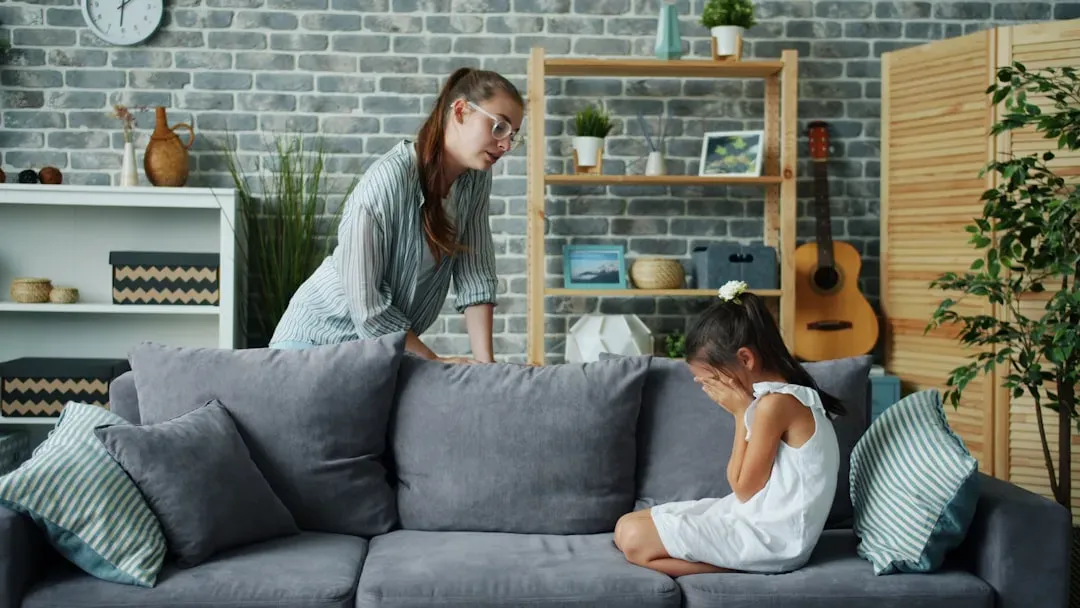
6. "You Always / You Never…" (Absolute Statements About Character) (Image Credits: Unsplash)
Absolute statements feel satisfying to say when you’re at the end of your rope. “You never listen.” “You always do this.” They’re linguistically emphatic. They’re also psychologically corrosive. Absolute statements trap children in boxes. When a parent repeatedly frames a behavior as a permanent identity trait, the child has very little room to grow out of it – partly because they stop believing they can.
Child psychology research indicates that when parents use negative language, children’s brains instantly enter a defensive state resulting in fear and anxiety. These emotions affect not only the child’s current mental state but also form long-term memories influencing future interpersonal relationships. Research by child psychologists shows that parental verbal behavior negatively affects children’s self-esteem, sense of security, and emotional regulation abilities, often more persistently than physical punishment. The phrase “you always mess things up” doesn’t correct behavior. It defines identity – and that definition can be remarkably sticky.
None of this is meant to suggest that imperfect parents are damaged parents. Loving parents can sometimes unintentionally hurt their children’s self-esteem. The research is consistent on one key point: it’s not the occasional slip that shapes a child, it’s the pattern. What matters most is the overall climate at home and how often certain patterns repeat. Occasional criticism or overprotection is very different from a steady atmosphere of control, shaming, or neglect. Children are surprisingly resilient when parents are willing to notice patterns and repair them.
The phrases above aren’t alarms because saying them once makes you a bad parent. They’re alarms because, when a psychologist hears them used routinely, they signal something worth examining: unresolved stress, learned patterns from the parent’s own childhood, or a growing disconnect between what a parent intends to say and what a child actually receives. Awareness, in the end, is the first repair.