
Most rooms that feel uncomfortable don’t have a furniture problem. They have a layout problem. The pieces themselves can be perfectly nice, the colors thoughtfully chosen, and the space generous enough – yet something still feels off the moment you walk in. That subtle wrongness usually comes down to how the room is organized at a fundamental level.
Understanding why some arrangements work and others fail isn’t about following rigid rules. It’s about recognizing a few principles that shape how people actually move through and experience a space. Once you see them clearly, the logic becomes hard to unsee.
The Floating Furniture Arrangement
The Floating Furniture Arrangement (Image Credits: Unsplash)
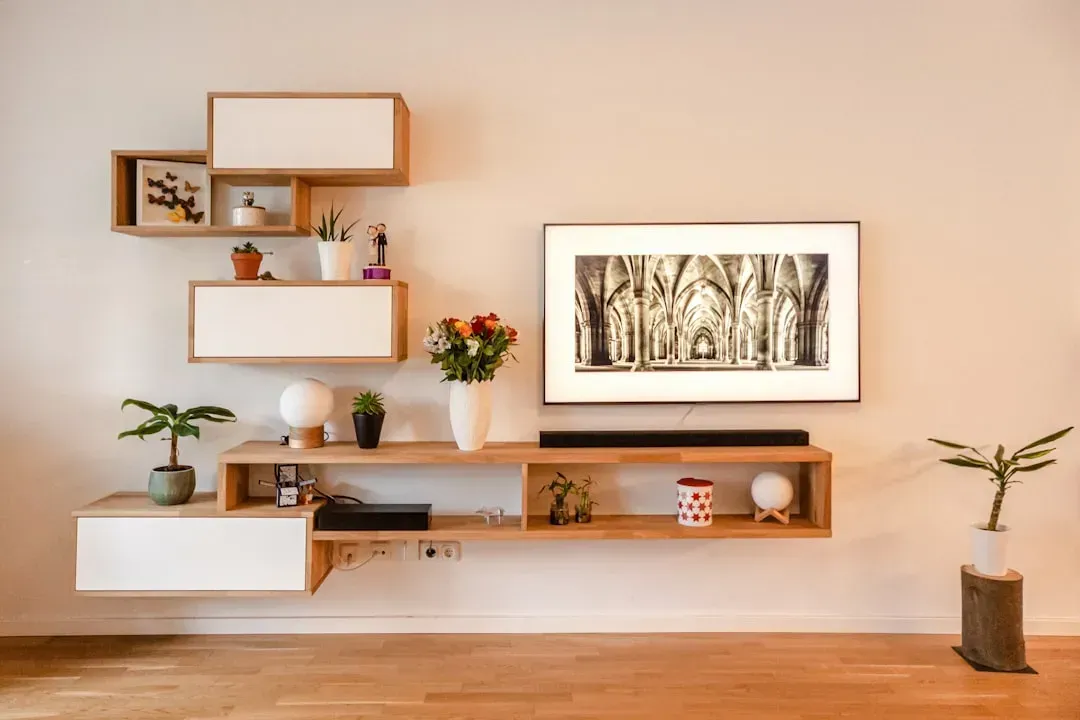
Pushing all furniture against the walls is one of the oldest instincts in home design – the idea being that it creates more space. In practice, it leaves the center of the room as a void and makes the energy feel flat. A room with all furniture against the walls looks more like a waiting area than a living space.
Pulling furniture off the walls and grouping pieces closer together creates an intimate, inviting atmosphere. Interior designers often recommend floating furniture 12 to 18 inches from walls to enhance coziness. Floating furniture off the walls also helps create separate zones in an open floor plan, which is especially useful in small spaces. The center of the room starts to feel like a deliberate gathering point rather than an afterthought, and the whole space settles into something that reads as purposeful.
The Conversation-First Seating Layout
The Conversation-First Seating Layout (Image Credits: Pexels)
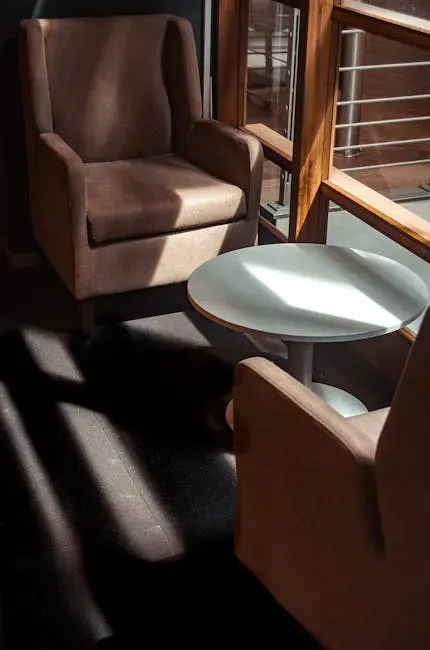
A living room designed primarily for socializing needs a completely different layout than one focused on quiet relaxation. If you want conversation to flow easily, you’ll want furniture pieces that face each other in a circular or U-shaped arrangement. Conversation areas work best when seating is positioned within about 3 to 6 feet of each other. This range allows people to talk at normal volumes while maintaining enough personal space to feel comfortable.
Straight-line seating, like when sofas all face a TV, kills conversation. People can’t make eye contact without awkward neck turns, so chats get short or don’t happen at all. If conversation matters more than screen time, circular or semicircle layouts make all the difference. Designers recommend aiming to keep sofas, chairs, and coffee tables within a comfortable hearing distance, ideally no more than eight feet. When seating is placed further apart than that, the room can feel fine to look at but genuinely uncomfortable to use.
The Anchored Rug Approach
The Anchored Rug Approach (Joelk75, Flickr, <a href="https://creativecommons.org/licenses/by/2.0/" target="_blank" rel="noopener">CC BY 2.0</a>)
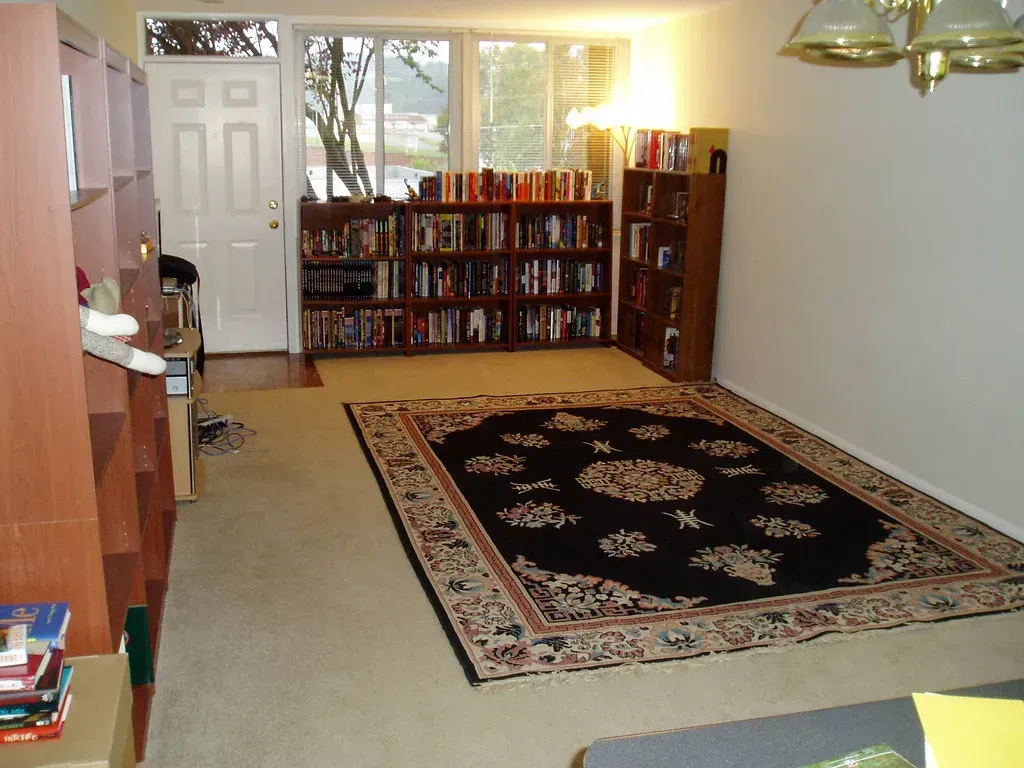
A rug that is too small can quietly break the entire layout. When only the coffee table sits on the rug, the furniture appears disconnected, and the room loses a sense of grounded structure and balance. Designers usually place at least the front legs of sofas and chairs on the rug. This simple adjustment visually ties seating pieces together and creates a stronger, more cohesive conversation area that feels stable and welcoming.
The way you position your rug can make or break the flow of your space. A properly placed rug ties your furniture together and creates a unified seating area. When furniture “floats” around a rug instead of touching it, the layout feels incomplete. The rug essentially acts as an invisible floor plan within the room – get its size and placement right, and the rest of the furniture suddenly knows where it belongs.
The Clear Circulation Path Layout
The Clear Circulation Path Layout (Image Credits: Pexels)
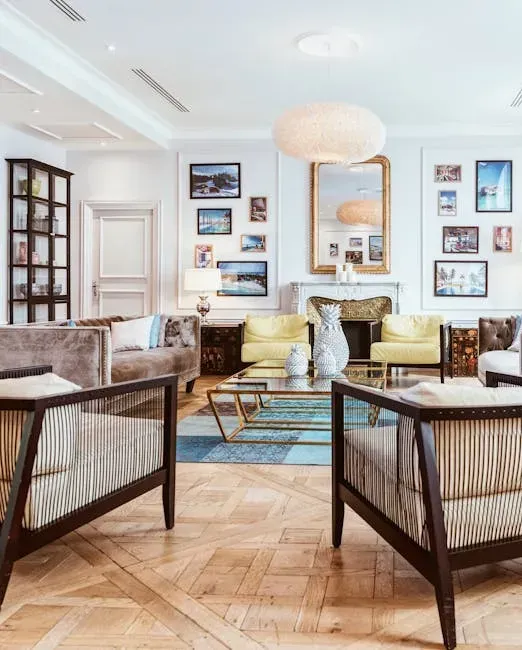
Flow refers to how easily you can move through a room. Cluttered pathways or poorly placed furniture can create tension and frustration. In contrast, clear circulation patterns invite ease. Nothing disrupts a room more than constantly having to sidestep furniture or squeeze through tight walkways. When furniture blocks the natural flow of movement, the entire room feels cramped – even if it’s full of beautiful pieces.
Clunky layouts can create subconscious stress. Smooth flow, on the other hand, puts people at ease. Leaving at least 30 to 36 inches of space in major pathways allows people to walk comfortably around furniture. Many people blame the size of the living room, but the discomfort almost always comes down to proportion and flow rather than square footage alone. A generously sized room can still feel claustrophobic when the pathways have been ignored.
The Focal Point Centered Layout
The Focal Point Centered Layout (Image Credits: Unsplash)
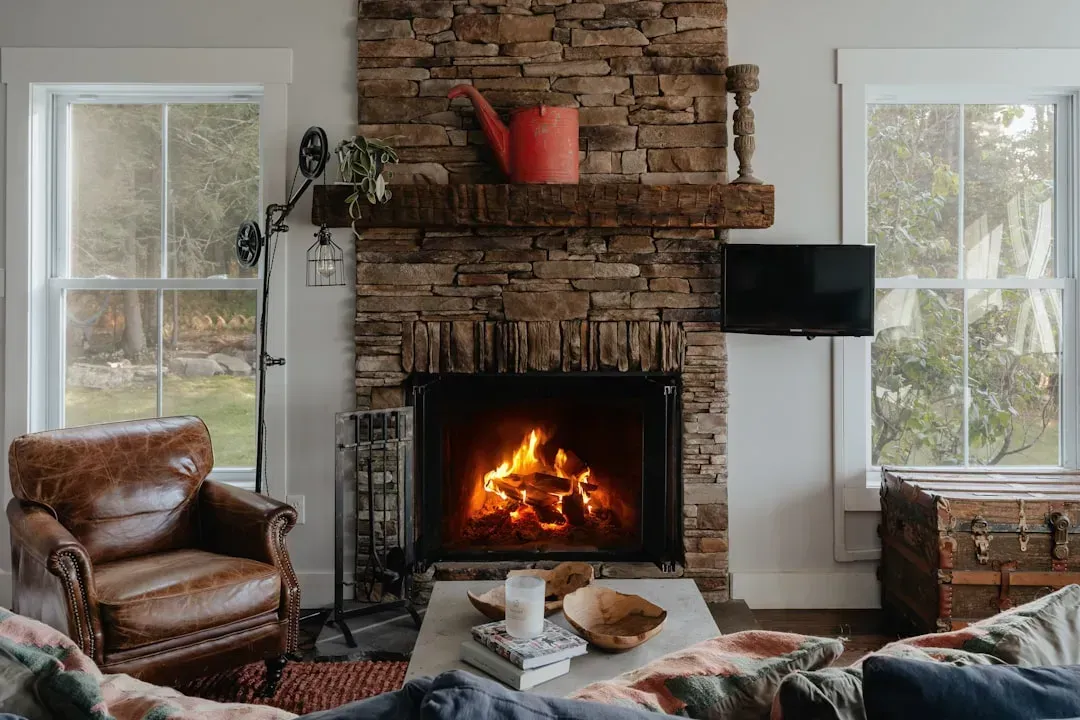
Pick one standout feature that naturally draws attention – like a fireplace, a large window, or a bold piece of art – and arrange furniture and decor to highlight it. For example, you might use symmetrical seating around a fireplace, position chairs to face a scenic window, or add accent lighting to emphasize a striking piece of art. Placing furniture without acknowledging the room’s bones can make even expensive pieces feel awkward.
It can be difficult when you have two focal points in a room, like a fireplace that isn’t centered on the wall and a TV a few feet away. Ideally, you’d place the TV over the fireplace to create a single focal point and position the furniture around it to create a conversation area. Furniture placement doesn’t exist in isolation – it works with lighting, windows, and focal points. A desk facing natural light increases alertness. A sofa angled toward a fireplace or TV creates a sense of purpose. Competing focal points split attention and leave a room feeling unresolved.
The Zoned Bedroom Layout
The Zoned Bedroom Layout (Image Credits: Pexels)
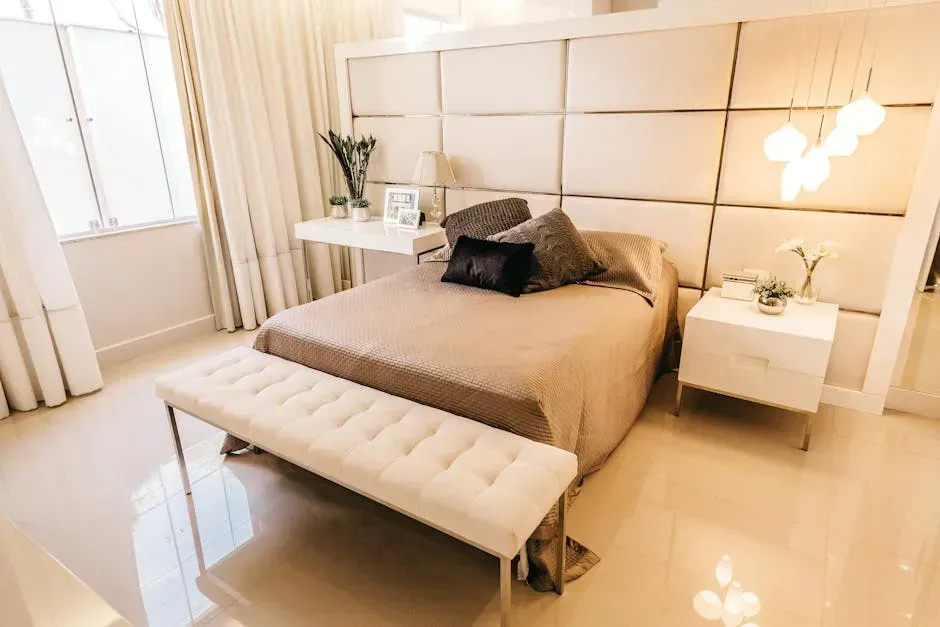
Bedrooms have to do a lot more heavy lifting these days. They’re not just a place to sleep anymore. For many people, they’ve become a personal sanctuary, a quiet retreat, and even a full-time office. A modern bedroom layout needs to embrace this reality, creating a space that can elegantly juggle rest, work, and relaxation without feeling like a cluttered mess.
Creating distinct zones using area rugs and strategic furniture placement for sleeping, working, and relaxation areas helps considerably. Incorporating multi-functional furniture like storage ottomans, fold-out desks, and beds with built-in drawers adds space efficiency. Positioning desks under windows takes advantage of natural light in work-focused bedroom layouts. The placement of the bed significantly influences the room’s flow. Ideally, position the bed against the longest wall, away from doors and windows, to minimize drafts and noise. When zones are clearly defined but visually connected, the bedroom stops feeling chaotic and starts feeling genuinely livable.
Layout is one of those things that mostly goes unnoticed when it’s done well. Guests feel comfortable without knowing why. Conversations happen naturally. Movement through the space feels effortless. The rooms that achieve this aren’t necessarily larger or more expensively furnished – they’re just arranged with a clearer sense of how people actually use them.