
Money changes people. Not always in dramatic ways, but in small, observable ones that tend to cluster together in a recognizable pattern. Those who study consumer behavior have long noted that people who come into significant wealth relatively quickly spend differently than those who have held it for generations. The psychology behind it is fairly straightforward: when something is new, it tends to announce itself.
There’s a well-documented gap between how old money behaves and how new money performs. The economist Thorstein Veblen described this phenomenon back in the 1890s, observing that wealthy people tended to buy things they could consume in public at very high prices – even when functionally equivalent products were available far cheaper – as a way to signal their wealth status. That impulse hasn’t disappeared. It’s just taken on new forms.
1. Immediately Upgrading to a Luxury Vehicle (and Making Sure Everyone Knows It)

1. Immediately Upgrading to a Luxury Vehicle (and Making Sure Everyone Knows It) (Image Credits: Unsplash)
The car purchase is often the first visible signal. Not a quietly reliable vehicle, but a conspicuous one. Think Lamborghinis parked in front of apartments that haven’t been renovated, or leased Bentleys outside office buildings in industries where that level of spending makes no practical sense. The logic isn’t transportation – it’s announcement.
Objects that symbolize success tend to be high-priced in absolute terms, and status goods surface in highly visible categories where greater expenditures are generally associated with higher income – cars being among the most prominent examples. For the newly wealthy, the vehicle becomes a rolling declaration. Long-established wealthy individuals rarely feel the need to do this, which is precisely why those who do tend to stand out so clearly.
2. Logo-Heavy Designer Goods Worn All at Once
2. Logo-Heavy Designer Goods Worn All at Once (Image Credits: Unsplash)
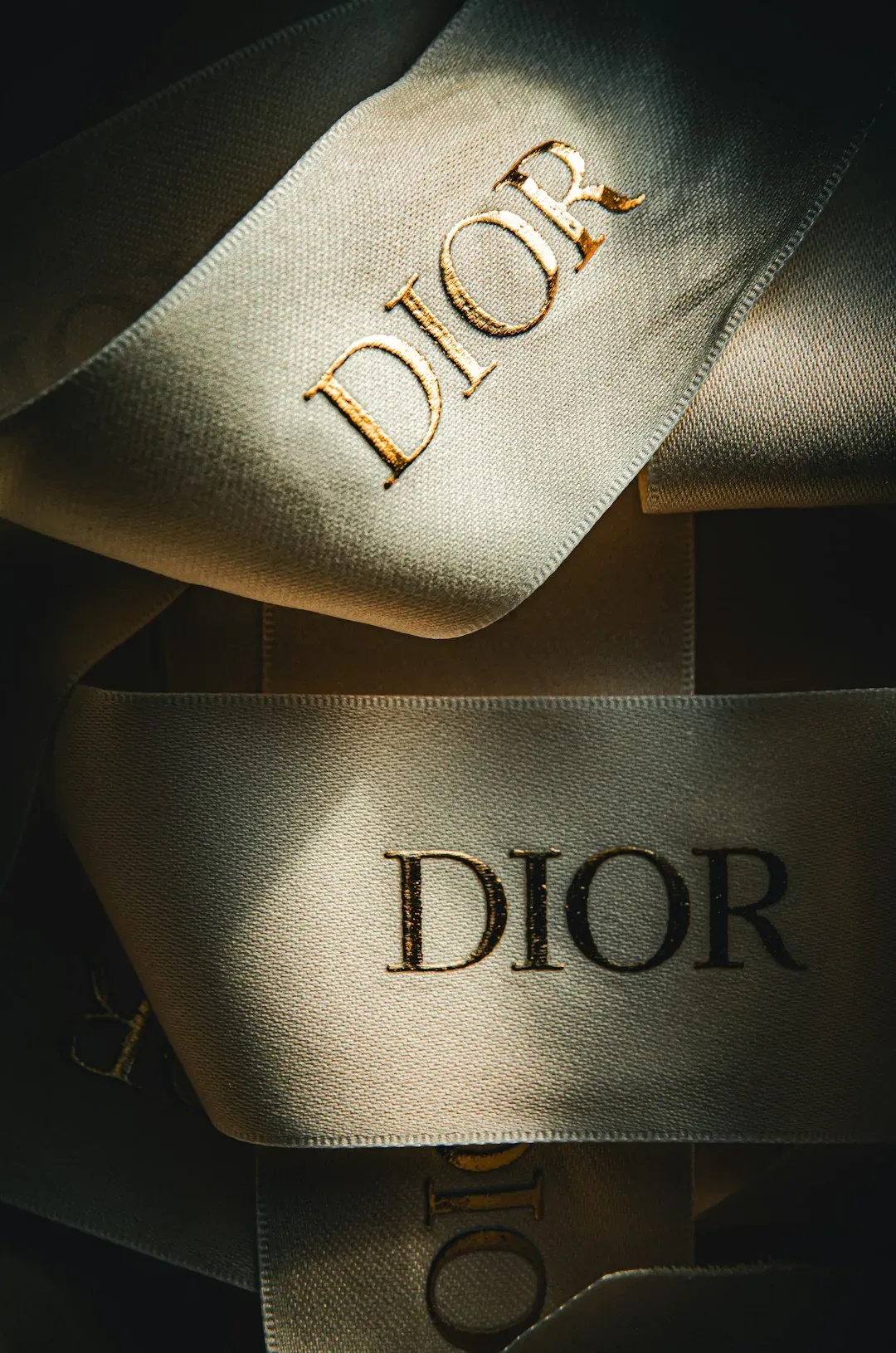
Wealthy consumers high in need for status use loud luxury goods to signal to the less affluent that they are not one of them. That’s a rather clinical way to describe something most people intuitively recognize: the full look, head to toe, in identifiable logos. It’s a spending pattern that tends to peak in the first year or two after a significant financial windfall.
Research on “brand prominence” – the conspicuousness of a brand’s mark or logo on a product – shows that consumer groups differ predictably in their preference for conspicuously or inconspicuously branded goods based on their wealth and need for status. Those who’ve held wealth longer typically migrate toward quieter, less logoed pieces that only insiders recognize. The newly wealthy, by contrast, tend to gravitate toward the loudest, most identifiable markers available.
3. Private Jet Travel Before It Makes Financial Sense

3. Private Jet Travel Before It Makes Financial Sense (Image Credits: Pixabay)
Flying private is one of the more expensive ways to signal a change in financial status, and it’s one of the most talked-about. Aviation analytics company IBA expects approximately 820 private jets to be delivered globally in 2025 – a 7.3% rise from 2024 – signaling sustained investment in personal air travel. That growth isn’t all coming from billionaires. A meaningful slice comes from people who recently crossed a wealth threshold and want the experience to match.
The private jet sector continues to grow as the demand for flexible and discreet travel expands, with one major aviation group reporting that its subscription-based program grew its member base by roughly twelve percent in 2025, flying sixteen percent more program hours year-over-year. Choosing private aviation before one’s actual financial position comfortably supports it long-term is a classic marker of new wealth. The math rarely favors it at the early stage – but the status signal does.
4. Rapid, Maximalist Home Renovation

4. Rapid, Maximalist Home Renovation (Image Credits: Unsplash)
There’s a particular kind of home renovation that happens when someone comes into money suddenly. It’s not thoughtful or phased. Everything gets redone at once – the kitchen, the primary suite, the landscaping, sometimes the exterior facade – often within months of the financial event. The impulse is understandable, but the scale and speed of it tends to catch the attention of neighbors, contractors, and anyone else paying close attention.
People renovate for a myriad of reasons, and for wealthy individuals, appeal and desire are valid motivations. Among projects seen among high-end clients, commissioning landscape architects to transform properties into sprawling, lush garden retreats with water features and outdoor lounges is one of the more striking examples. These projects aren’t inherently problematic, but when they arrive suddenly and comprehensively on a property that saw no investment for years prior, the story they tell is hard to miss.
5. Conspicuous Luxury Travel and Five-Star Experiences, Documented Publicly

5. Conspicuous Luxury Travel and Five-Star Experiences, Documented Publicly (Image Credits: Unsplash)
There’s a difference between traveling well and making sure everyone knows you’re traveling well. The newly wealthy often conflate the two. The number of high-net-worth individuals purchasing designer handbags and shoes has declined, while bookings for five-star hotels, private jets, and bespoke adventure tours continue to increase – with revenue per available room in luxury hotels outperforming other hospitality segments every month in 2025 compared with 2024. Status has shifted from things you own to experiences you can document and share.
A persistent trend among consumers is favoring “experiential indulgence” over conspicuous consumption as a new symbol of status, with a notable pivot toward wellness, connection, and self-reward – representing what analysts have called a “tectonic shift” toward luxury experiences such as hospitality cruises and fine dining. For the newly wealthy, the social media dimension amplifies all of this considerably. The experience isn’t just enjoyed – it’s broadcasted, which is itself the tell.
6. Sudden, Wholesale Wardrobe Overhaul at Top-Tier Price Points
6. Sudden, Wholesale Wardrobe Overhaul at Top-Tier Price Points (Image Credits: Unsplash)
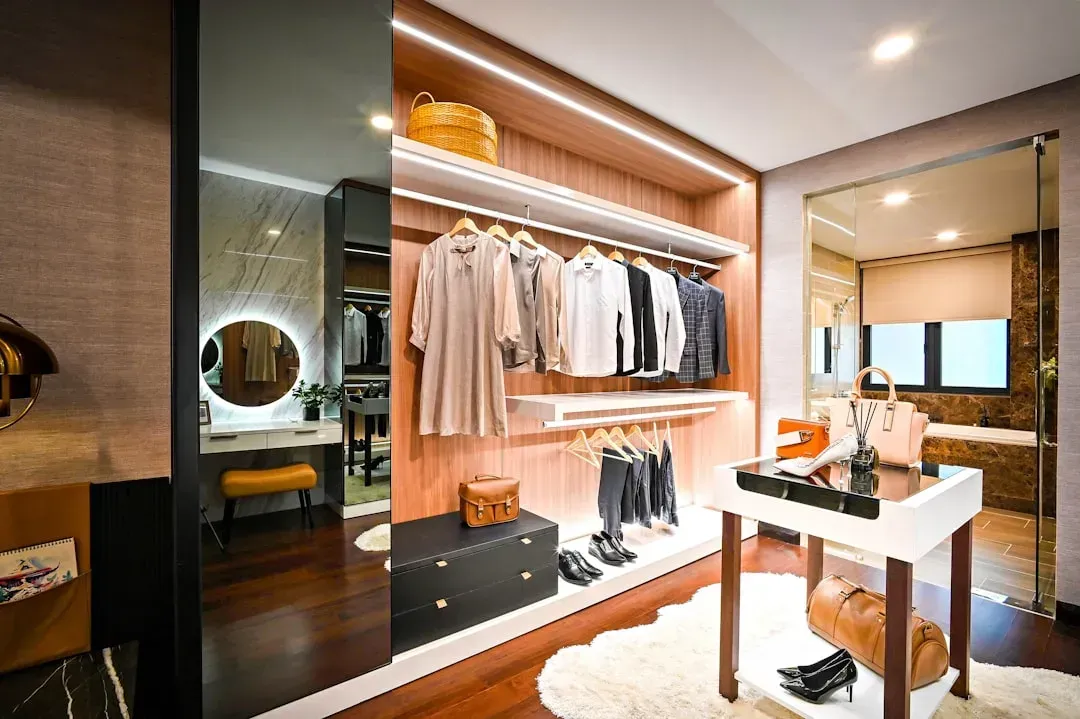
Unlike gradual style evolution, the newly wealthy wardrobe overhaul tends to happen fast and visibly. Someone who previously dressed in a certain way suddenly shows up – at work, at social events, at the school pickup – in an entirely different tier of clothing. Not just better clothes, but pointedly expensive ones, often featuring the kind of brand recognition that makes the price point obvious to anyone familiar with the market.
In marketing and consumer studies, signaling status refers to the desire to demonstrate affiliation with a social hierarchy through conspicuous consumption, and this had historically been studied primarily through the conspicuousness of luxury brands, including high prices and prominent designs. The wardrobe overhaul is particularly revealing because clothing is something people encounter in every social interaction. It’s impossible to miss, which – for someone experiencing new wealth – is often precisely the point. Over time, most people find their way to a more measured relationship with money. That first phase, though, leaves a very clear impression on anyone paying attention.