
There’s a strange quietness to the idea of waiting. Waiting for a letter to arrive. Waiting for Sunday dinner to bring everyone back together. Waiting for the phone to ring, not knowing who it might be. For people who grew up before smartphones reshaped daily life, these pauses were just part of how families stayed close, and for many, they were some of the richest moments of all.
Before widespread digital technology, staying connected with others required creativity, effort, and a genuine commitment to communication. The pre-smartphone era was marked by a unique charm, where people found different ways to nurture relationships, share news, and simply stay in touch. Those methods were slower, yes. They were also more deliberate in ways that some people are only now starting to appreciate.
1. Handwritten Letters

1. Handwritten Letters (Image Credits: Unsplash)
Letters were the main way families stayed in touch over distance. Before the advent of faster electronic methods, waiting for a letter was a normal part of life. There was real ceremony in it. The careful choice of words, the folding of the page, the act of sealing an envelope and walking it to a postbox all added weight to whatever was being said.
Handwritten letters were a primary form of communication, and each one carried a personal touch that digital communication often lacks. You could see and feel the writer's personality in their choice of stationery, their unique handwriting, and even the occasional smudge or crossed-out word. Each handwritten letter carried intentionality and emotional weight. Those who cherish personal connection may feel today's fast-paced correspondence is missing something.
2. The Landline Phone
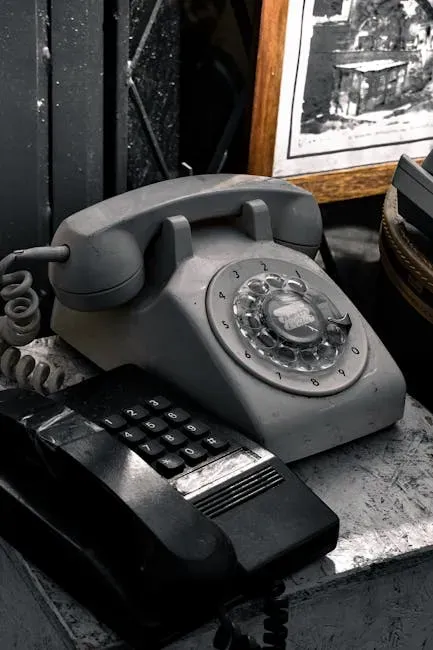
2. The Landline Phone (Image Credits: Pexels)
Landline telephones served as a primary communication tool, allowing people to connect through voice conversations. These phone calls often lasted for hours, filled with laughter and meaningful exchanges. Families and friends bonded over shared stories and updates about daily life. The phone was shared, anchored to a single room, and its use required a kind of social negotiation within the household.
You had to wait for other family members to finish before you could use the phone. Long phone calls were considered somewhat rude in that environment. The landline phone existed, but its use was more limited. Calls were typically shorter and more purposeful, and phone calls were often viewed as a special event rather than a constant occurrence. That scarcity gave each call a certain gravity it simply doesn't carry today.
3. The Sunday Family Dinner
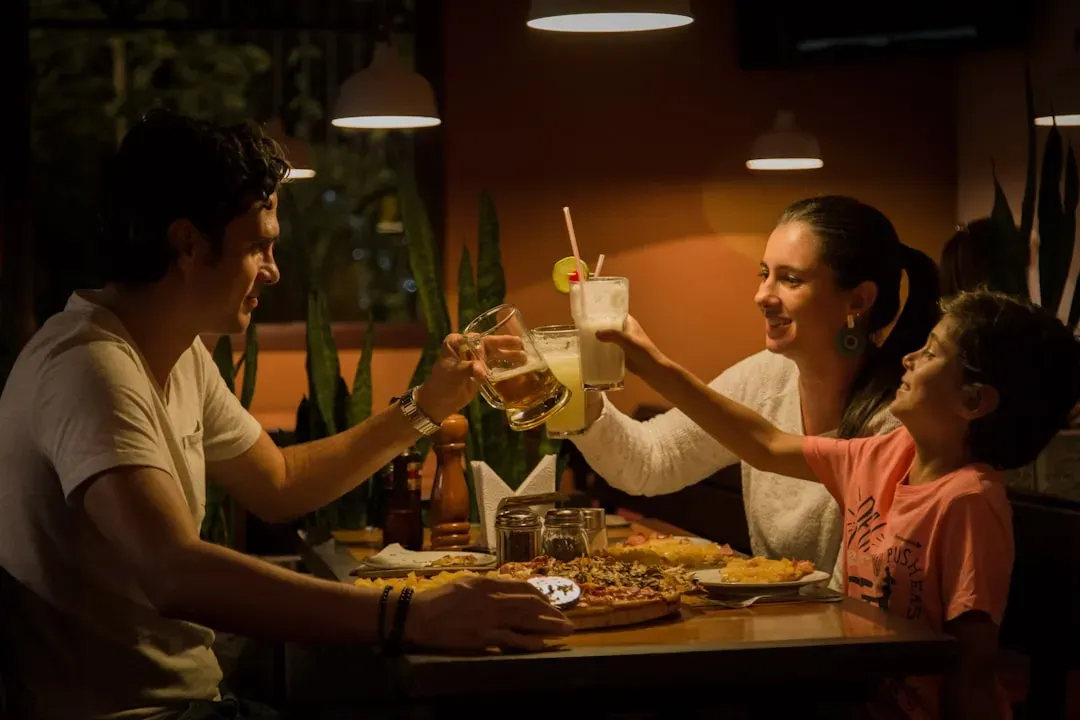
3. The Sunday Family Dinner (Image Credits: Unsplash)
For many, Sunday dinners were a ritual. Everyone sat at the same table, talking about how the week went, laughing, and sharing interesting stories. Grandma's famous roast or a secret family recipe often took center stage. It was, in many ways, the original weekly check-in, unscheduled, unplugged, and anchored around a shared meal.
The beauty of Sunday family dinners lies in their simplicity. There were no distractions, no rush, just quality time spent with loved ones. It was a weekly reminder of what's truly important in life. According to a YouGov survey, most Americans wish they were having regular family dinners, but less than 30% actually are. That gap between wanting something and actually doing it says a lot about how much has changed.
4. Physical Photo Albums
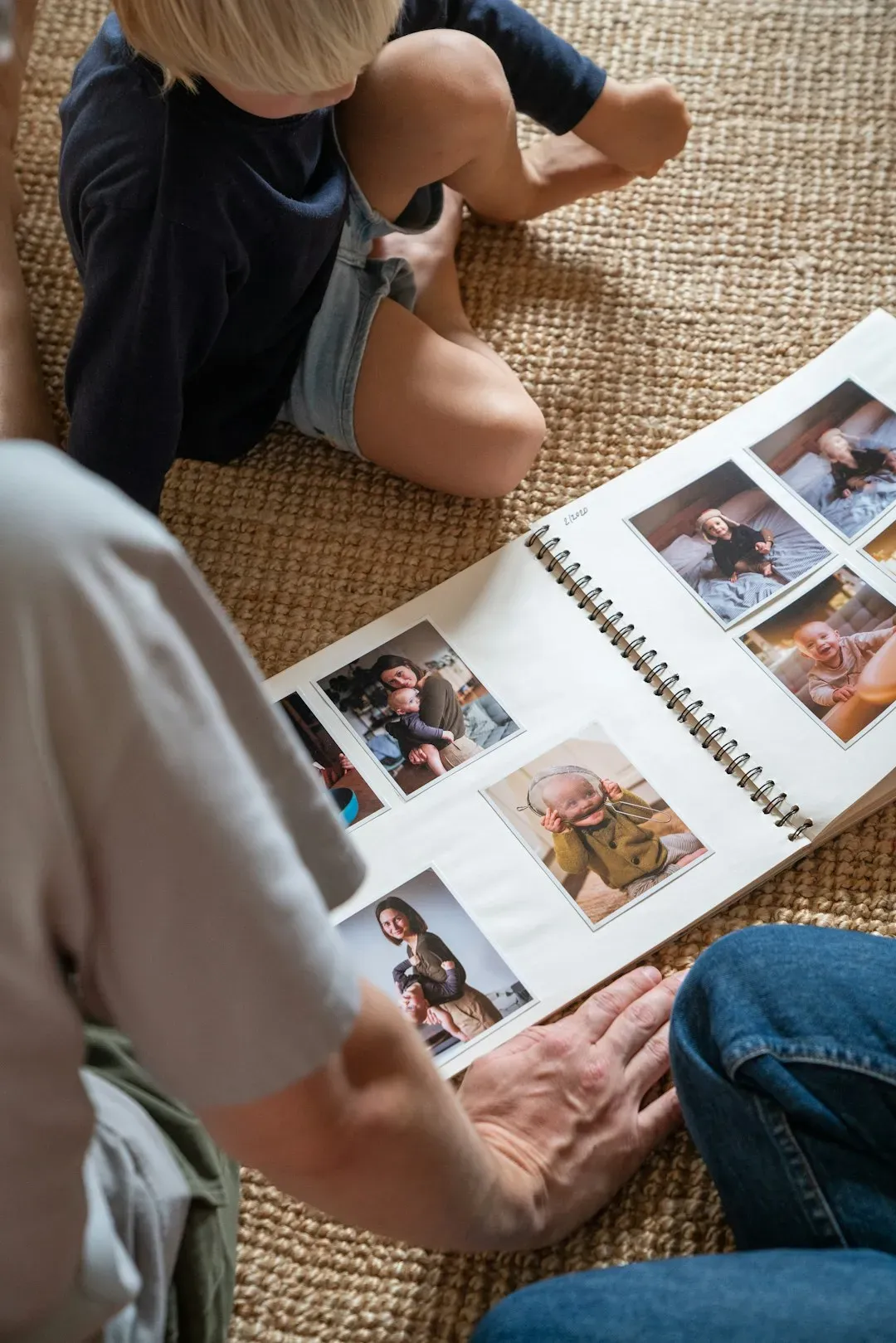
4. Physical Photo Albums (Image Credits: Unsplash)
Photo albums created specific social rituals that served important family bonding functions. The ceremonial pulling out of wedding albums for new family members, the annual review of baby photos on birthdays, or the solemn creation of memorial albums after family deaths provided structured opportunities for shared reminiscence and emotional connection. Unlike today's endless scroll of digital images, a physical album demanded attention. You sat with it.
Children learned family history not just through visual images but through the stories that accompanied album viewing, creating rich oral traditions that connected visual documentation to broader family narrative. These storytelling sessions served crucial cultural transmission functions, passing down family values, traditions, and identity markers across generations. A roll of film used to have 24 photos that you carefully took and then sent off to be developed. Now we have digital cameras on our phones that can snap 24 pictures in as many seconds. The constraint changed the meaning entirely.
5. Neighborhood Block Parties
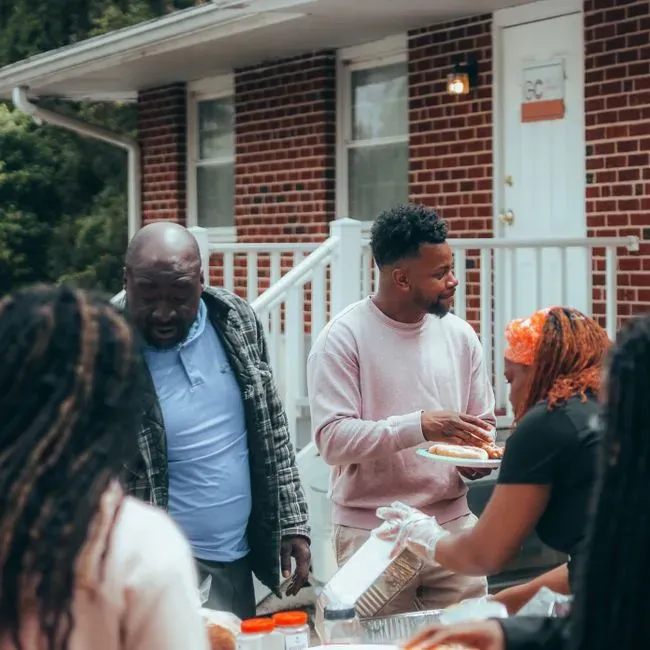
5. Neighborhood Block Parties (Image Credits: Pexels)
Neighborhood block parties were a staple of community life. These large gatherings were a chance for neighbors to come together, share food, play games, and enjoy each other's company. It was a celebration of community spirit and unity. These events didn't just bring people together; they helped create a sense of belonging and mutual support. Your neighbor wasn't just a name on a mailbox. They were someone whose children you knew.
Block parties became an integral part of urban North American life, fostering local identity and creating a sense of belonging among residents and within the neighborhood. These gatherings provided opportunities for residents to socialize, share food, and enjoy music in public spaces. Only about one in five people today regularly interact with those who live nearby, and more than three in ten don't know any of their neighbors at all. That contrast with the past is striking.
6. Family Reunions
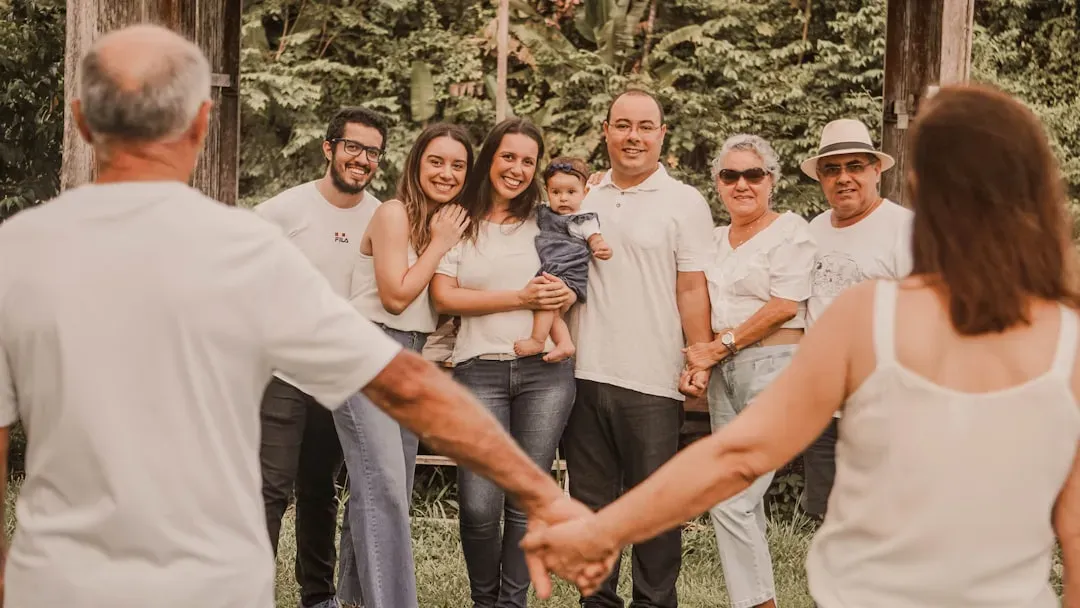
6. Family Reunions (Image Credits: Unsplash)
A family reunion is an occasion when many members of an extended family congregate. Sometimes reunions are held regularly, for example on the same date every year. A typical family reunion will assemble for a meal, some recreation, and discussion. Before group chats and social media made it easy to stay loosely in touch at all times, the reunion was the one moment when extended family could genuinely catch up face to face.
At these celebratory events, family history is recounted, traditions are taught, and bonds are strengthened through shared memories. Reunions are often held in significant places, where a family has historical roots, or where new generations have moved and thrived. The waiting period for a planned gathering fostered an expectation-based culture, which stands in stark contrast to the immediate communication of today. There was something in the anticipation itself, the months of planning, the drive across the country, the recognition of a face you hadn't seen in years.
None of this is to say the old ways were simply better. Smartphones have made it genuinely easier to stay close across long distances, and that matters. More and more people are feeling nostalgic for the sincerity and personal touch of older communication methods. Digital communication is immediate and convenient, but it sometimes lacks the emotional depth and permanence of traditional methods. What people seem to miss isn't the inconvenience. It's the intentionality. The sense that reaching out cost something, and that cost is what made it feel real.