
Walk into a beautifully decorated home and it’s tempting to assume someone spent a fortune getting it right. Most of the time, that’s not true. Interior designers have long relied on a handful of tricks that create the illusion of a bigger budget, and none of them require a renovation loan or a trip to a high end furniture showroom.
The difference between a room that looks cheap and one that looks curated often comes down to small, intentional choices. Below are seven of those choices, the kind that cost little but change how a space feels the moment you walk in.
1. Swap out hardware and fixtures

1. Swap out hardware and fixtures (Image Credits: Pexels)
Cabinet knobs, drawer pulls, light switch covers, and door handles are some of the most touched surfaces in a home, yet they’re also among the most overlooked. Builder grade hardware tends to look plasticky or dated, and replacing it is one of the cheapest upgrades available since most pieces cost only a few dollars each. A kitchen with fresh brass or matte black pulls can suddenly read as custom, even if the cabinets themselves are original.
This trick works because hardware functions like jewelry for a room. It doesn’t change the bones of the space, but it changes the details people notice first. Swapping out a dozen pulls or switch plates usually takes an afternoon and a screwdriver, making it one of the fastest returns on a small investment.
2. Paint just one wall or the trim, not everything
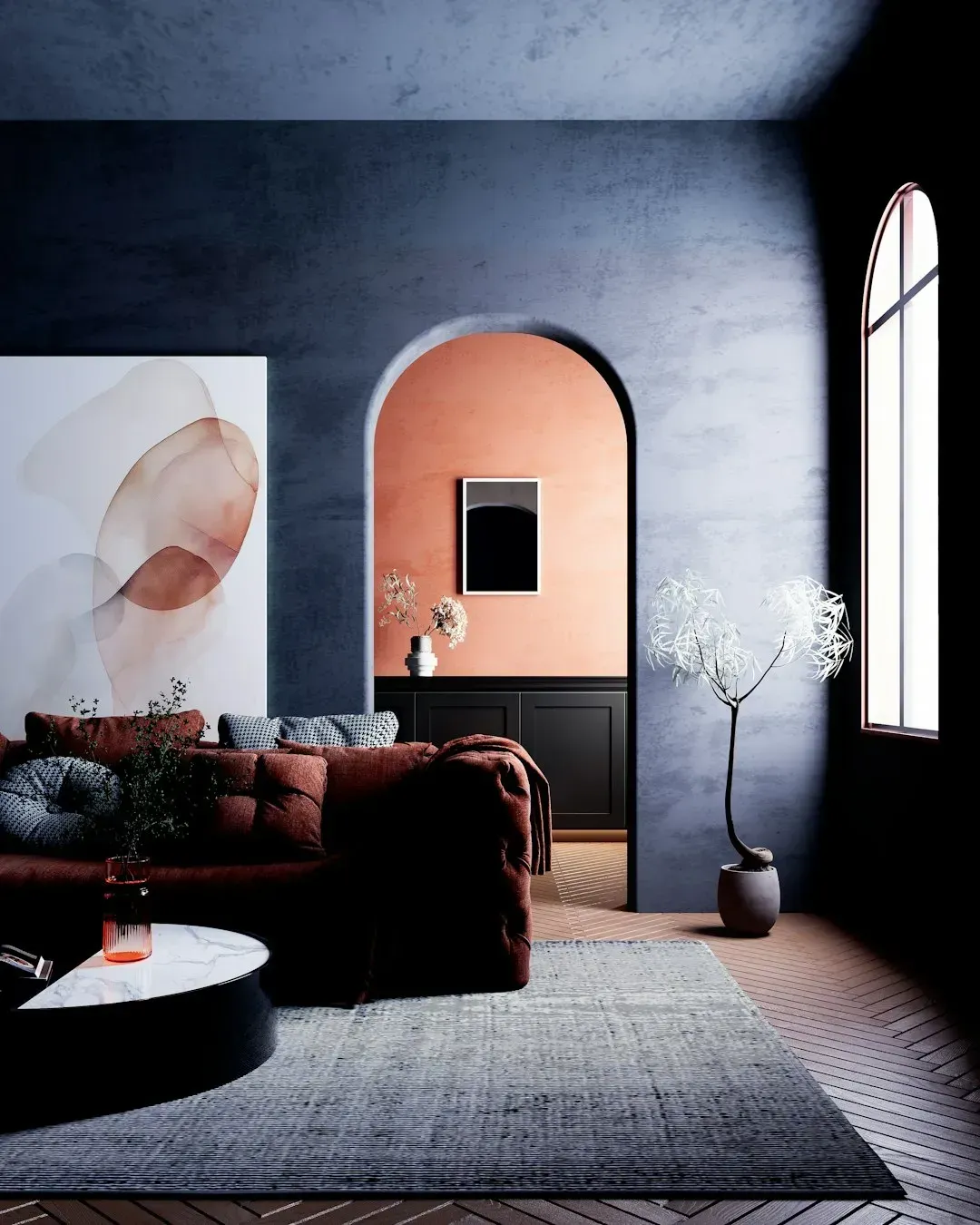
2. Paint just one wall or the trim, not everything (Image Credits: Unsplash)
A full repaint can get expensive fast once you factor in paint, primer, and time. Instead, many designers suggest focusing on a single accent wall, the trim, or even just the ceiling to create contrast without the cost of covering every surface. A deep color on trim paired with a lighter wall color can make a plain room feel architecturally intentional.
Painted trim in particular has become a popular move because it draws attention to a room’s proportions rather than hiding them. It’s a technique borrowed from higher end renovations, where contrasting trim is used to add depth. Done with a quart or two of paint, it mimics that same effect for a fraction of the price.
3. Layer lighting instead of relying on one overhead fixture
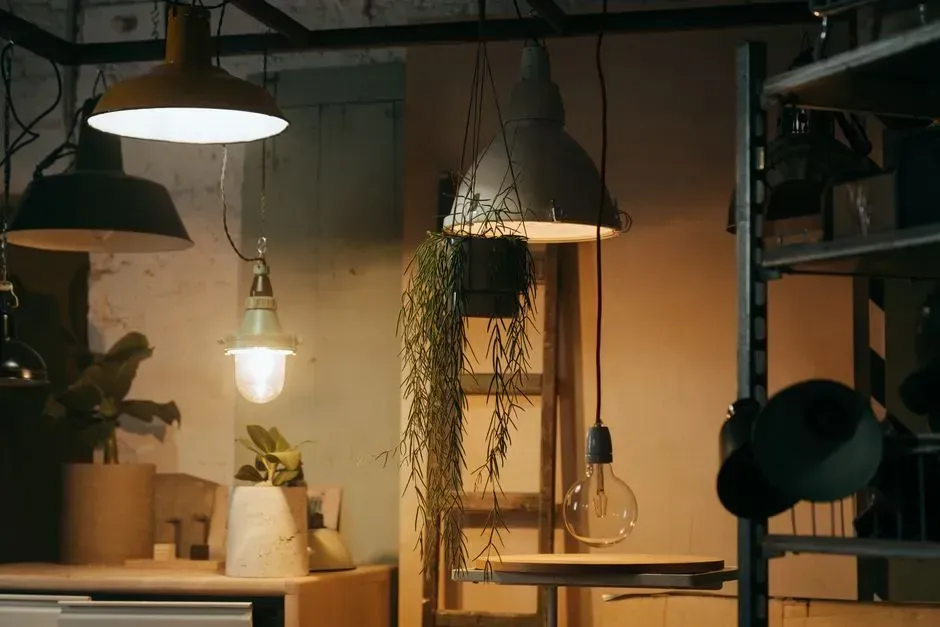
3. Layer lighting instead of relying on one overhead fixture (Image Credits: Pexels)
A single ceiling light creates flat, harsh lighting that can make even a well furnished room feel like a rental unit. Designers commonly layer three types of light: ambient, task, and accent, using floor lamps, table lamps, and even plug in sconces to build warmth. This layered approach softens shadows and makes a space feel considered rather than default.
The cost here is modest since secondhand lamps and inexpensive dimmer bulbs go a long way. Warm toned bulbs, generally in the 2700 to 3000 kelvin range, tend to flatter most interiors better than the cooler white light many fixtures come with out of the box. Changing bulb temperature alone can shift how expensive a room feels without touching the fixtures at all.
4. Frame and group artwork with intention
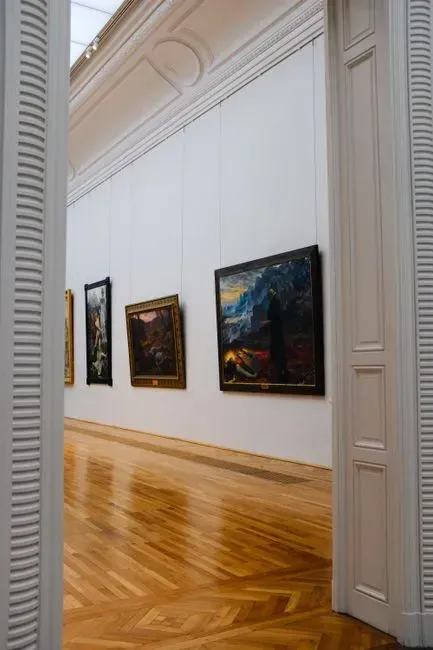
4. Frame and group artwork with intention (Image Credits: Pexels)
Empty walls or a single small, unframed print can make a space feel unfinished, while a thoughtfully arranged gallery wall signals effort and personality. The trick isn’t buying expensive original art. It’s using consistent framing, so mismatched prints, photos, or even fabric scraps look cohesive rather than random.
Thrift stores, print shops, and online marketplaces offer affordable frames and prints that can be arranged using simple grid or salon style layouts. Matting the artwork, even with basic white mats, adds a finished, gallery quality look. The visual weight of a well organized wall does more for a room’s perceived value than the price tag of what’s actually hanging on it.
5. Add texture through textiles

5. Add texture through textiles (Image Credits: Pexels)
Smooth, flat surfaces read as plain, while layered textures like a chunky knit throw, a woven basket, or a textured rug add visual richness that feels expensive. This is one of the most repeated principles in interior design because texture creates depth even in a room with a limited color palette. A single linen throw pillow or a jute rug can transform a couch that otherwise looks basic.
Textiles are also one of the more affordable categories of home decor, with options widely available secondhand or from budget retailers. Mixing textures, rather than matching everything perfectly, tends to look more intentional and less like a matched furniture set from a big box store. It’s a small shift that changes how a room feels to sit in, not just how it looks.
6. Edit down clutter and repeat colors
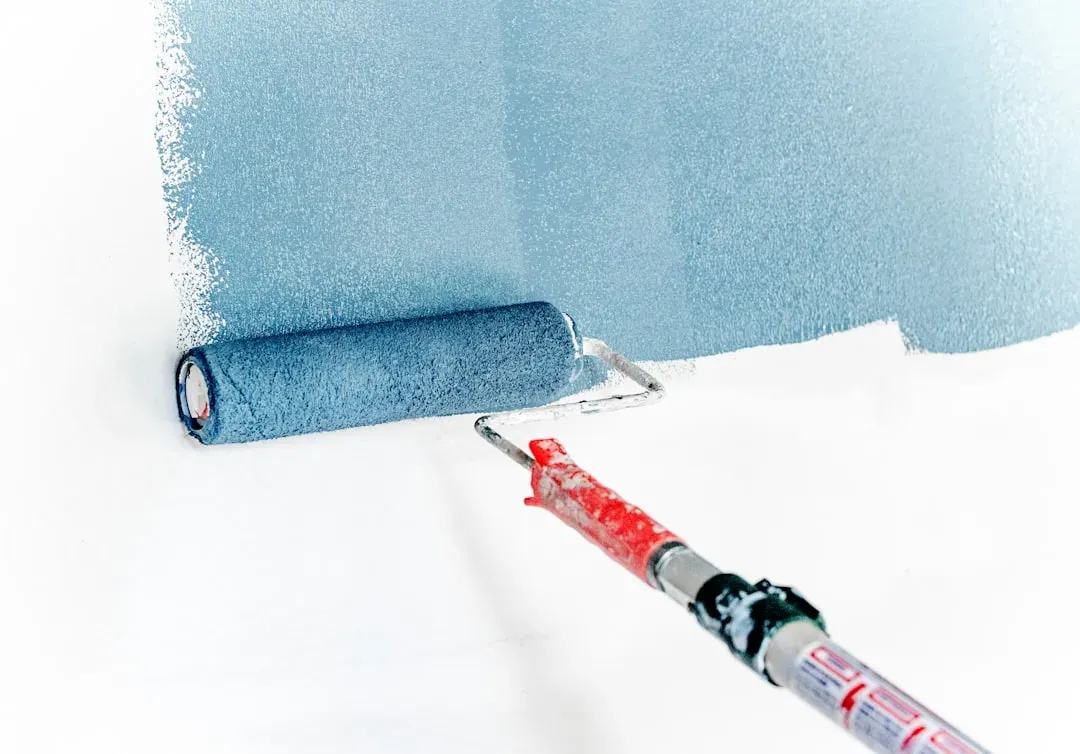
6. Edit down clutter and repeat colors (Image Credits: Unsplash)
Fewer, better placed objects almost always look more expensive than a room packed with mismatched items. Designers frequently point to a limited, repeated color palette as one of the simplest ways to make a space feel pulled together, since scattered colors create visual noise. Removing a few pieces or storing seasonal clutter out of sight can have a bigger visual impact than adding anything new.
This trick costs nothing beyond time and a willingness to be selective. A shelf with three curated objects photographs and feels more polished than one crowded with ten unrelated items. Restraint, more than spending, is often what separates a high end look from a cluttered one.
7. Use greenery, real or realistic, to soften hard edges
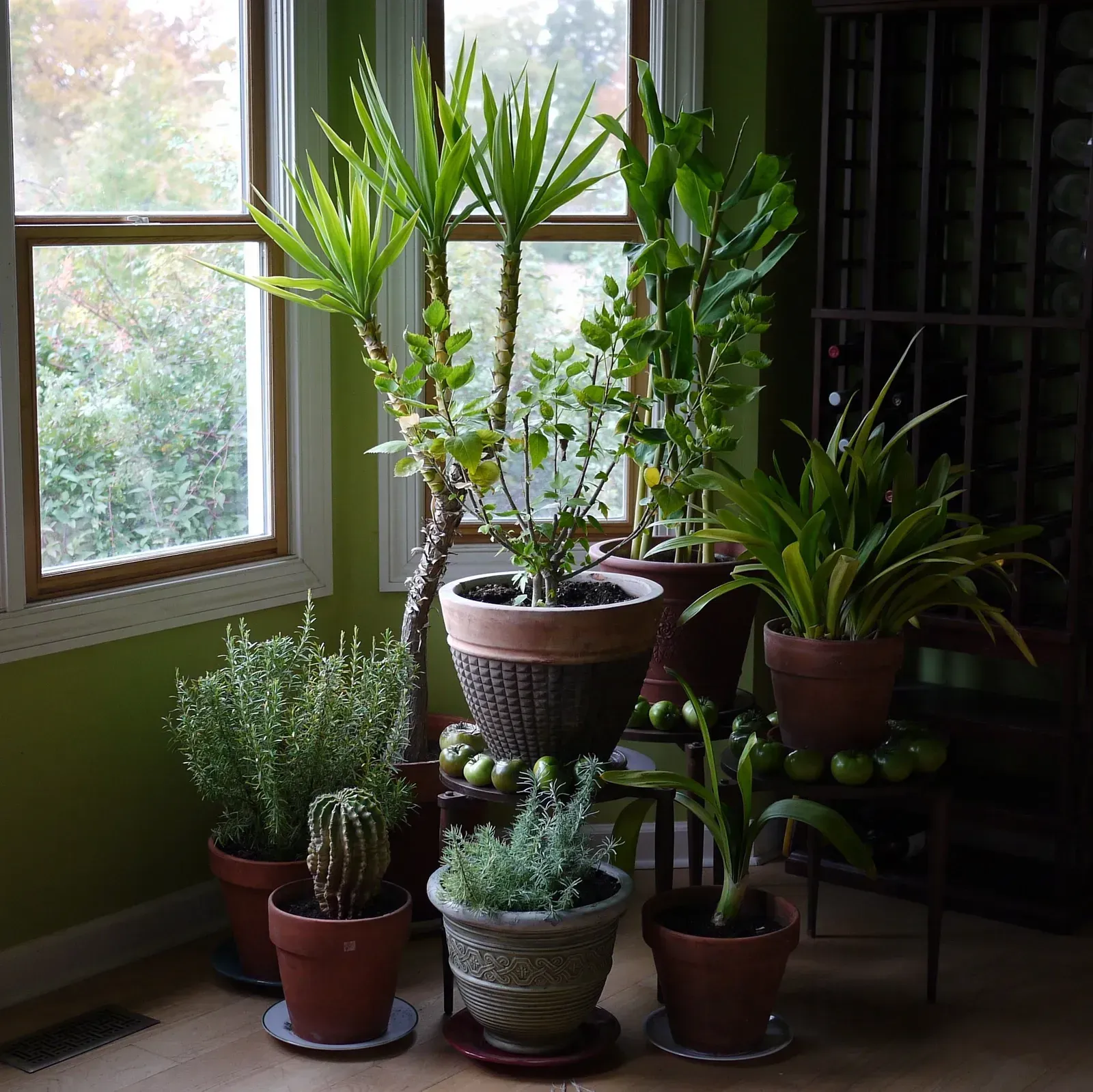
7. Use greenery, real or realistic, to soften hard edges (By F. D. Richards, <a href="https://commons.wikimedia.org/w/index.php?curid=125417690" target="_blank" rel="noopener">CC BY-SA 2.0</a>)
Plants add color, movement, and life to a room in a way that furniture alone can’t replicate. Low maintenance options like pothos, snake plants, or ZZ plants are inexpensive, widely available, and tolerant of low light, making them accessible even for people without a green thumb. A few well placed plants can soften the hard edges of furniture and make a room feel more finished.
For those who prefer not to manage real plants, high quality faux greenery has improved significantly in recent years and can offer a similar visual effect. The key is scale and placement rather than perfection, since even one larger plant in a corner can do more than several small ones scattered around. It’s a small, affordable detail that consistently shows up in professionally staged homes.
None of these seven tricks require a big budget or a full renovation. They rely on attention to detail, consistency, and a willingness to prioritize small changes over big purchases. Applied together, they can make a modest budget look like it went a lot further than it actually did.