
Every generation raises its children in the shadow of its own upbringing. The values, fears, and social norms that shaped a parent’s childhood tend to echo through the way they set rules, express affection, and respond to a child’s emotions. Sometimes those echoes are deliberate. Sometimes they’re not.
Parenting is the first environment that shapes children’s growth, but it shifts with history and culture. It is not a fixed phenomenon – it changes across historical moments, cultural contexts, and family structures. The contrast between how a Baby Boomer grandparent and a Gen Z new parent approach the same everyday situation can feel striking, even within the same family. Seven differences stand out most clearly.
1. Discipline: From Obedience to Self-Regulation
1. Discipline: From Obedience to Self-Regulation (Image Credits: Unsplash)
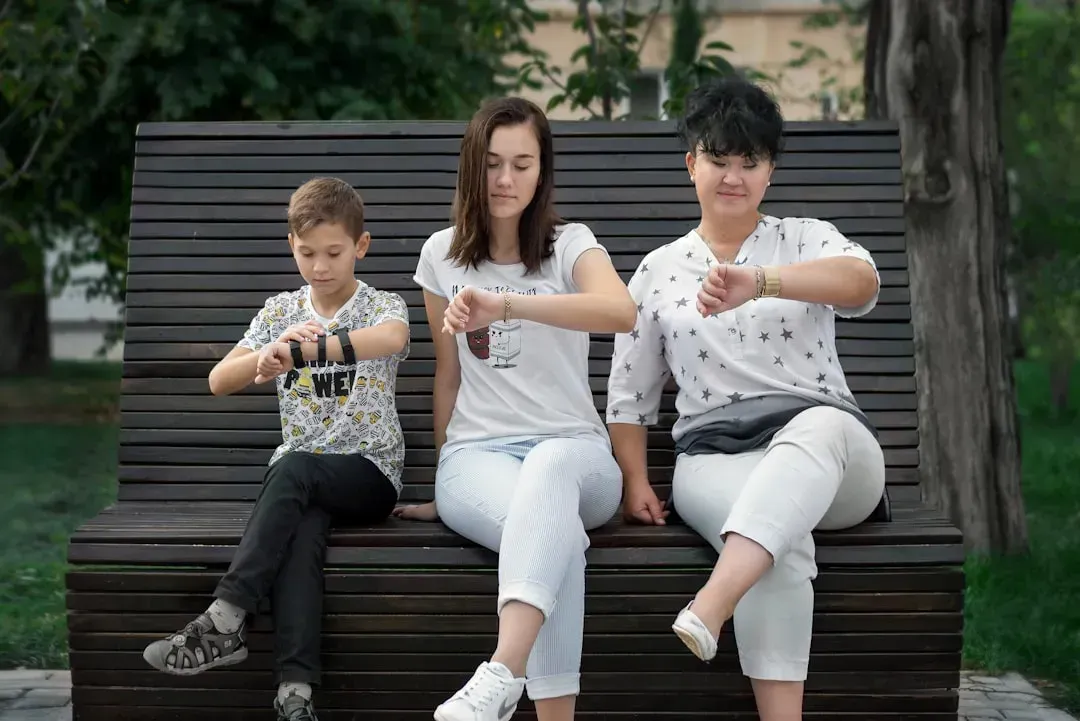
One of the most notable differences between older and younger generational parenting is the approach to discipline and authority. Boomers and Gen X parents, who grew up with more traditional values, tend to favor a hierarchical, rules-based approach. For many, respect for authority was a central tenet, and children were expected to obey parental directives without question.
Millennial parents consider a gentler form of discipline, combined with structure. They believe limits make children feel safe and predictable, so time-outs might be replaced with a calm conversation while the rules remain in place. Gen Z parents tend toward lower-control parenting, where discipline is presented as leading rather than correcting. Rather than making and enforcing rules, they explain consequences and encourage self-regulation.
2. Warmth and Strictness: A Clear Generational Shift

2. Warmth and Strictness: A Clear Generational Shift (Image Credits: Pexels)
Research examining three generations of families found two cross-generational patterns: an increased tendency toward parental warmth, with parents using more affection and reasoning but less indifference across generations, and a decreased tendency toward parental strictness, with parents using revoking privileges, verbal scolding, and physical punishment less across generations. This isn’t a minor drift. It’s a measurable, consistent trend.
Although research has examined the extent to which different parenting practices vary across different countries and cultural contexts, little research attention has been paid to analyzing whether, within the same cultural context, parenting practices also vary across generations. Yet it is generally argued that parenting practices change across historical periods. What older generations experienced as normal discipline is increasingly viewed by younger parents as something to consciously move away from.
3. Mental Health Conversations: From Silence to Openness

3. Mental Health Conversations: From Silence to Openness (Image Credits: Pexels)
There is a stark contrast between the generations on this topic: roughly two in three millennial parents say their own parents never talked with them about mental health, while nearly all millennial parents talk with their children about it. That is a seismic shift in just one generation. Emotional life, once kept private or dismissed, is now treated as a legitimate part of childhood development.
Millennial parents are actively putting more emphasis on mental health and discussing it with their children. Among them, close to half have a child who experiences anxiety, and a notable share currently have a child in therapy. Some parents hesitate to tell others for fear of judgment, yet the vast majority still believe discussions about mental health and emotional well-being are very important in shaping a child’s overall development.
4. Emotional Validation: Naming Feelings vs. Pushing Through
4. Emotional Validation: Naming Feelings vs. Pushing Through (Image Credits: Unsplash)
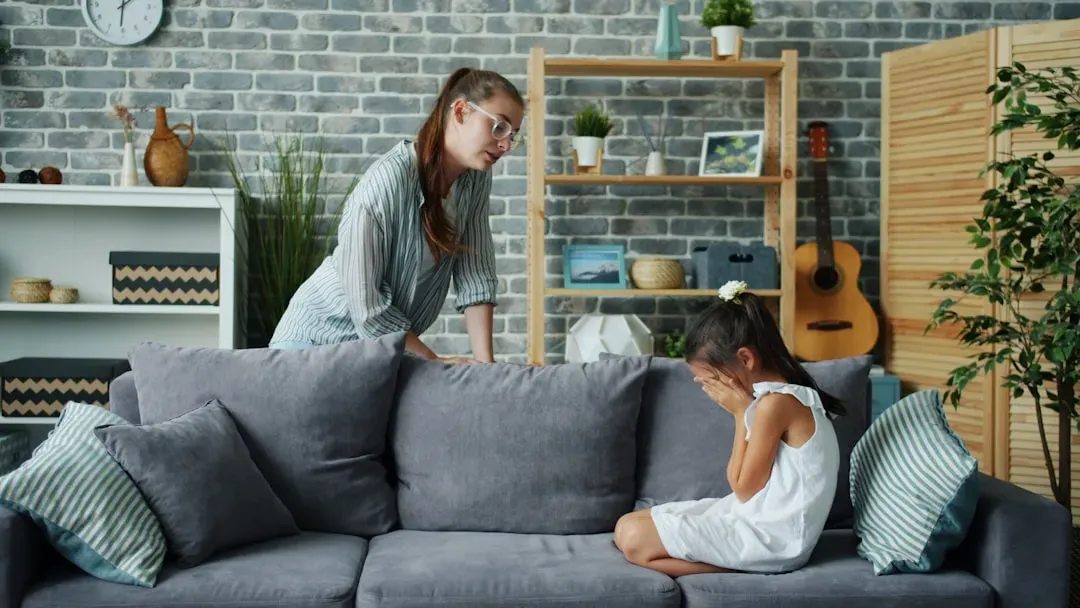
Millennial parents work hard to normalize emotions. They help children name their feelings, discuss frustrations, and design coping strategies, with therapy, emotional check-ins, and mental health conversations widely accepted in these households. This represents a meaningful departure from how most of these parents were themselves raised, where emotional resilience often meant simply not showing weakness.
Gen Z parents go a step further. Emotional validation is at the heart of their parenting tactics – children’s emotions are taken seriously and parents typically offer explanations instead of outright refusals. Yet emotional awareness is crucial, and experts warn that constantly validating without also guiding runs the risk of making it more difficult for children to develop resilience and tolerate discomfort. It’s a genuine tension that many younger parents are still working through.
5. Screen Time and Technology: Caution vs. Integration

5. Screen Time and Technology: Caution vs. Integration (Image Credits: Gallery Image)
Boomer and Gen X parents were the first to navigate the challenges posed by television and, later, the internet, both of which transformed entertainment and education. While Boomers generally limited their children’s screen time to protect them from outside influences, Gen X parents began to recognize the educational potential of digital media, though they still often viewed it with caution. This generation was more likely to implement restrictions and monitor content carefully, especially when the internet became a household staple in the 1990s.
Research has found that parental use of screens to control behavior, such as as a reward or punishment, is associated with higher screen time and greater problematic video game use in children. Parental monitoring of screens, on the other hand, is associated with lower screen time and less problematic social media and mobile phone use. Younger parents are navigating this with more deliberate attention than any previous generation has had to, simply because the landscape is far more complex.
6. Cycle-Breaking and Generational Trauma: A Conscious Parenting Shift

6. Cycle-Breaking and Generational Trauma: A Conscious Parenting Shift (Image Credits: Unsplash)
A survey of 2,000 parents of children aged 0 to 6 found that modern parents are using new styles focused on healing generational trauma, often called cycle-breaking, as well as forming strong emotional bonds through attachment parenting, and prioritizing real-world consequences. Despite Gen Z being the first generation raised with “gentle parenting” in mind, only around a third employ this approach as parents, instead leaning more toward cycle-breaking parenting.
Millennial and Gen Z parenting approaches tend to reject outdated traditions. Parents want to avoid the mistakes they believe their own parents made. This often raises the question of why so many younger parents are critically examining their upbringings. Many are trying to break cycles of strict discipline or emotional neglect, but creating new methods without a clear roadmap can feel overwhelming. The intention is clear; the execution is still being figured out in real time.
7. Information Sources: Villages, Books, and the Algorithm

7. Information Sources: Villages, Books, and the Algorithm (Image Credits: Unsplash)
Many millennials are taking a different parenting path than their parents did, seeking advice from the internet, juggling work and family obligations, and navigating conversations around mental health. Among them, roughly four in five believe social media creates unrealistic parenting expectations, and one in four admit to not double-checking the parenting advice they get from social media. Previous generations relied primarily on family, community networks, and pediatricians – sources that, for all their limitations, were at least embedded in personal context.
Recent data indicates that roughly two thirds of Gen Z parents learn parenting skills online. More than four in five parents agree there is no “one size fits all” approach when it comes to parenting, and almost four in five say it is important that their child’s early education provider use the same styles and approaches that they do at home. The sheer volume of available information has made modern parents simultaneously better informed and more anxious than any generation before them.
What emerges across all seven of these differences is a consistent direction of travel: toward more warmth, more openness, and more self-awareness. Older generations weren’t wrong to prioritize structure and resilience, and newer ones aren’t wrong to prioritize emotional safety. The honest reality is that most parents, regardless of generation, are doing the best they can with the tools and context they have. The tools just keep changing.