
Most of us genuinely believe our kitchens are safe. We clean up, we cook our food, we put things away – and that feels like enough. Honestly, for the most part, it probably is. But the gaps between what we think we’re doing and what’s actually happening on those countertops and cutting boards? They can be surprisingly wide, and sometimes dangerously so.
Food safety isn’t just a concern for industrial kitchens or restaurant chains. Consumers are spending more time eating at home and preparing their own meals, and whether driven by cost consciousness, health goals, or lifestyle flexibility, the home kitchen has become a primary food preparation space. That makes what you do in your own kitchen more important than ever. Let’s dive in.
1. Skipping Handwashing or Doing It Halfheartedly
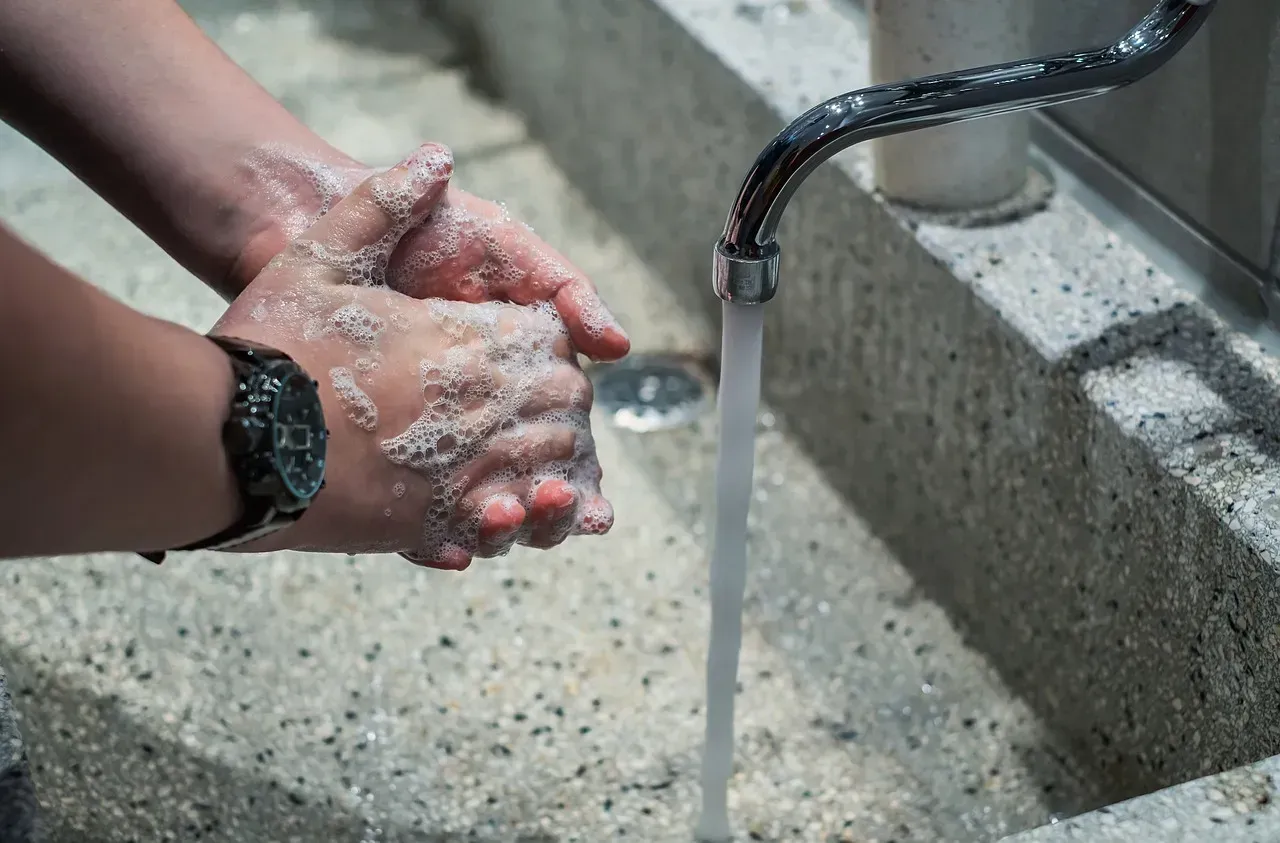
1. Skipping Handwashing or Doing It Halfheartedly (Image Credits: Pixabay)
Here’s the thing – most people think they wash their hands enough. But there’s a big difference between a quick rinse and an effective wash. Bacteria can be spread throughout the kitchen and get onto hands, cutting boards, utensils, countertops, and food. To Fight BAC, you should always wash your hands with warm water and soap for at least 20 seconds before and after handling food. Twenty seconds is longer than most people spend at the sink.
While the vast majority of surveyed respondents reported always washing their hands after handling raw meat, poultry, or fish, observational data indicates that handwashing with soap after touching meat, fish, or poultry was actually inconsistent among observed households. That gap between what people say and what they actually do is what food safety experts find most alarming. A quick splash of water is not the same as a proper wash, and the bacteria on your hands don’t care about the distinction.
2. Using the Same Cutting Board for Everything
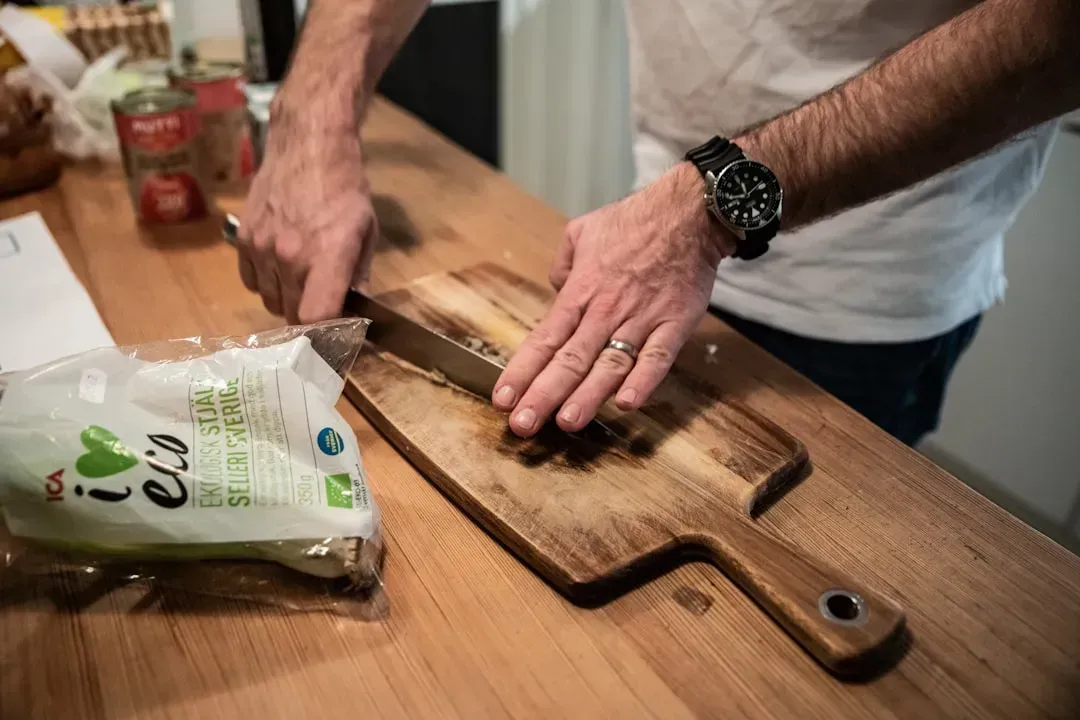
2. Using the Same Cutting Board for Everything (Image Credits: Unsplash)
Think of your cutting board as a road map for bacteria. Every food item you slice leaves a trace behind, especially in those small grooves and cuts in the surface. Cross-contamination is how bacteria can be spread. Improper handling of raw meat, poultry, seafood, and eggs can create an inviting environment for cross-contamination. As a result, harmful bacteria can spread to food and throughout the kitchen, leading to foodborne illness.
You should separate raw meat, poultry, seafood, and eggs from other foods in your grocery shopping cart, grocery bags, and in your refrigerator. Use one cutting board for fresh produce and a separate one for raw meat, poultry, and seafood. It sounds simple, and it is – but data shows that only about half of respondents report using a different chopping board for raw meat compared to other foods, with no meaningful improvement observed between 2022 and 2024. That’s half the population regularly playing food safety roulette every time they cook dinner.
3. Thawing Meat on the Kitchen Counter
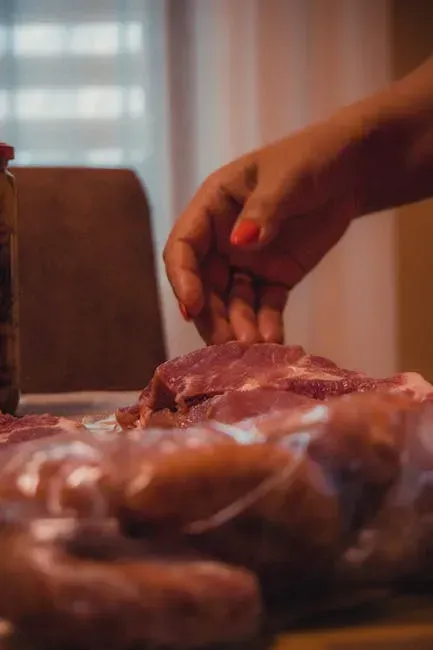
3. Thawing Meat on the Kitchen Counter (Image Credits: Pexels)
I know it sounds crazy, but leaving a frozen chicken breast on the counter to thaw before dinner is one of the most common and risky kitchen habits out there. The USDA defines a “Danger Zone” as a temperature range between 40°F and 140°F, in which bacteria can grow rapidly and cause foodborne illnesses, with certain bacteria able to double in as little as 20 minutes in this zone.
Perishable foods should never be thawed on the counter or in hot water and must not be left at room temperature for more than two hours. Even though the center of the package may still be frozen as it thaws on the counter, the outer layer of the food could be in the “Danger Zone,” between 40 and 140°F, where bacteria multiply rapidly. The fix is straightforward: plan ahead and thaw in the refrigerator. When thawing frozen food, it’s best to plan ahead and thaw in the refrigerator where it will remain at a safe, constant temperature at 40°F or below.
4. Neglecting the Kitchen Sponge
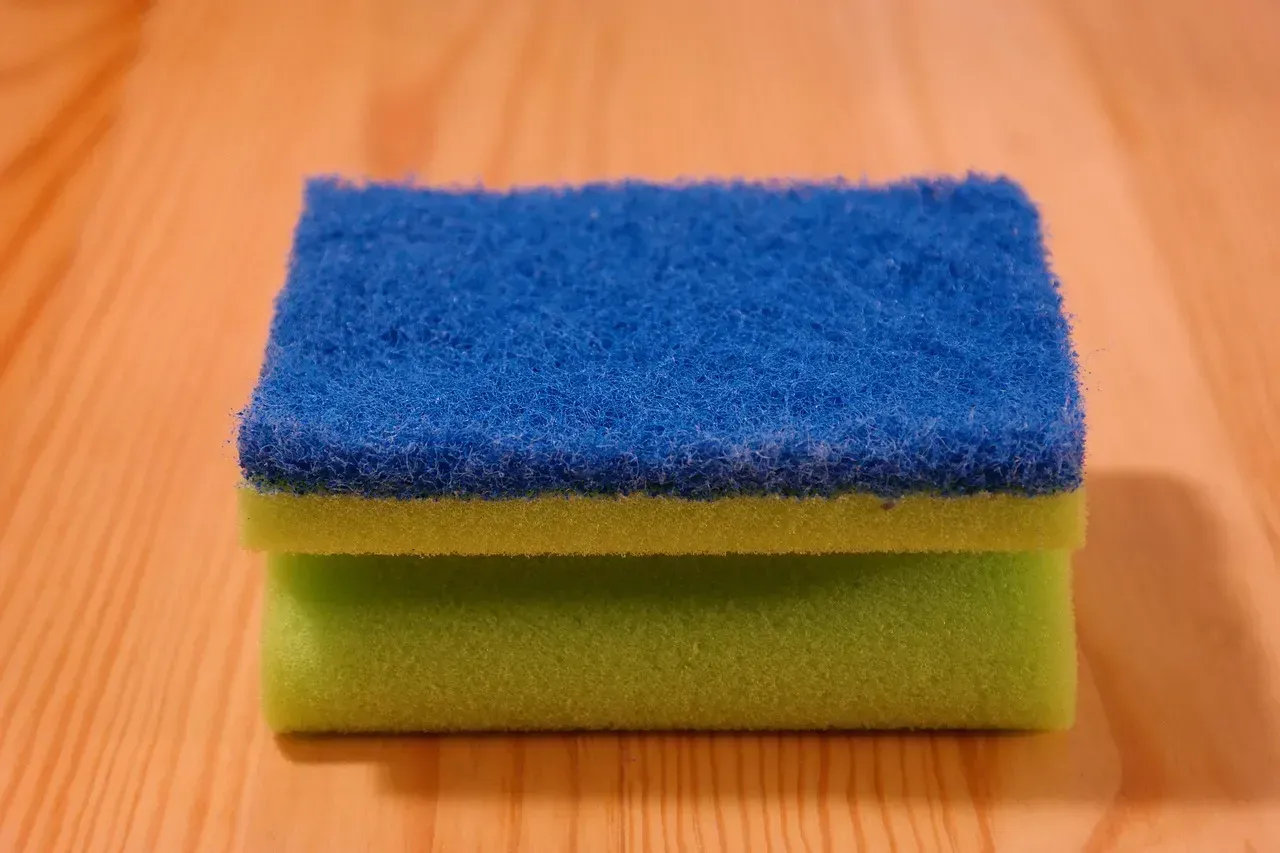
4. Neglecting the Kitchen Sponge (Image Credits: Pixabay)
That well-used sponge sitting by your sink might be the single dirtiest item in your entire home. A damp, smelly dish towel, cloth, or sponge is a sure sign that unsafe bacteria are growing. You should replace or sanitize sponges at least once a week – don’t wait until they are smelly or falling apart. Sponges provide an ideal environment for pathogens to multiply, offering warmth, moisture, and lots of food.
Bacterial pathogens, including Salmonella species, are commonly detected in used dish sponges and have been observed to survive within them for up to 10 days. Despite this, over 70% of consumers in one European study did not change their dish sponges until after three days of use or more. Further, over half of consumers also use their dish sponges to clean the kitchen countertop, which may contribute to cross-contamination. That sponge you’re wiping the counter with? It might be spreading the very bacteria you’re trying to clean up.
5. Improper Storage of Raw Meat in the Refrigerator
5. Improper Storage of Raw Meat in the Refrigerator (Image Credits: Pixabay)
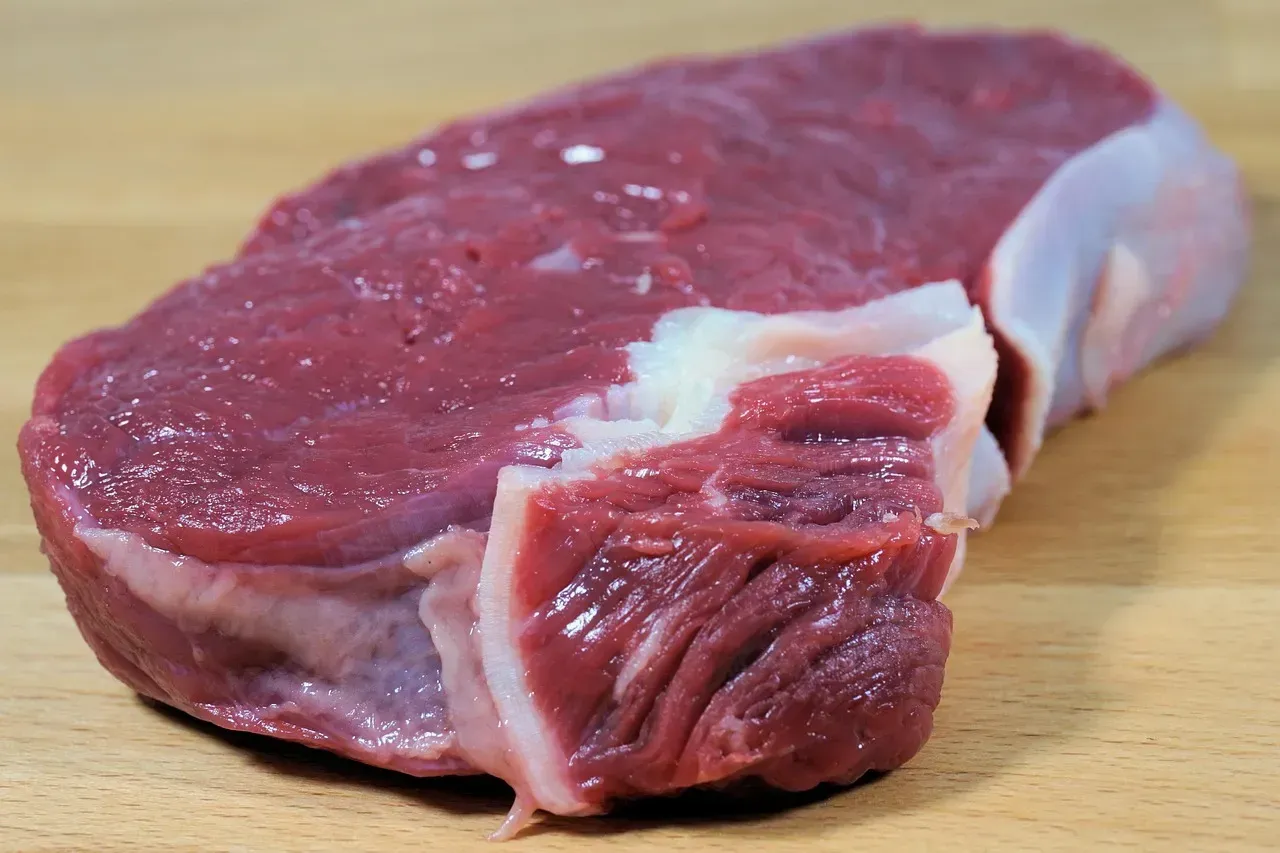
Let’s be real – most of us have just dropped a package of raw chicken onto a random fridge shelf without thinking twice. But the position and packaging of raw meat in your refrigerator is a much bigger deal than it seems. You should separate raw meat, poultry, seafood, and eggs from other foods in your grocery shopping cart, grocery bags, and in your refrigerator. Juices from raw meat dripping onto ready-to-eat items below is a textbook path to foodborne illness.
Data from the UK Food Standards Agency shows there was only a slight increase in the percentage of respondents reporting they stored raw meat or poultry in the fridge in a sealed container between 2020 and early 2025, rising from roughly a little over a quarter to just over a third. Several storage practices, including sealed containers, showed a slight dip that was not sustained. Progress, but still far too slow. Sealing raw meat properly and storing it on the lowest shelf remains one of the easiest wins in food safety.
6. Cooking Without Checking Internal Temperatures
6. Cooking Without Checking Internal Temperatures (Image Credits: Unsplash)
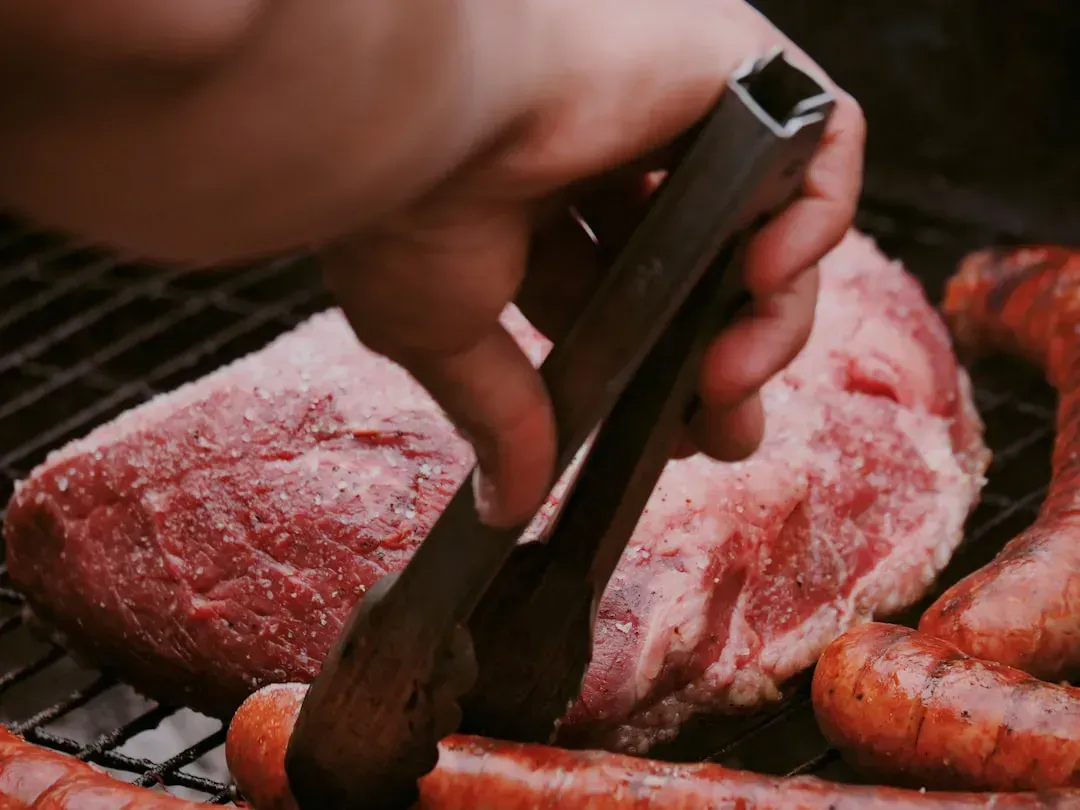
Color is one of the most misleading indicators in the kitchen. A burger that looks fully cooked on the outside might still be harboring dangerous bacteria in the middle. The USDA recommends cooking raw beef, pork, lamb, and veal steaks, chops, and roasts to 145°F, allowing meat to rest for at least three minutes before carving or consuming, cooking raw ground beef, pork, lamb, and veal to 160°F, and cooking egg dishes to 160°F.
Raw poultry requires even more care. The USDA guidance is to cook raw poultry to 165°F, and it’s worth noting that color is never a reliable indicator of safety and doneness. Skipping a thermometer is a habit that feels harmless until it isn’t. If raw meats have been mishandled and bacteria have grown and produced heat-resistant toxins, those toxins are not destroyed by cooking. Therefore, even thoroughly cooked meat that was mishandled in the raw state may not be safe to eat. A five dollar food thermometer can prevent a very unpleasant situation.
7. Leaving Cooked Leftovers Out Too Long

7. Leaving Cooked Leftovers Out Too Long (Image Credits: Aunty Shirley's Hot and Spicy Leftovers 菜尾, <a href="https://commons.wikimedia.org/w/index.php?curid=2438767" target="_blank" rel="noopener">CC BY-SA 2.0</a>)
After a big meal, the temptation to leave everything on the counter while you sit down and relax is completely understandable. But bacteria don’t take a break just because you’re tired. Bacteria can multiply rapidly if left at room temperature or in the Danger Zone between 40°F and 140°F. You should never leave perishable food out for more than two hours, or just one hour if exposed to temperatures above 90°F.
One of the most common causes of foodborne illness is improper cooling of cooked foods. Because bacteria are everywhere, even after food is cooked to a safe internal temperature, they can be reintroduced to the food and then reproduce. For this reason, leftovers must be put in shallow containers for quick cooling and refrigerated within two hours. Think of it like this: your kitchen counter after a meal is not a holding area, it’s a countdown clock. Foods should be reheated thoroughly to an internal temperature of 165°F or until hot and steaming.
Food safety in the home kitchen comes down to a series of small, consistent habits. Data from the World Health Organization reveals that approximately 600 million people, nearly one in ten worldwide, become ill from consuming contaminated food every year, resulting in 420,000 deaths annually. That scale is staggering, and while most of those cases involve larger systemic failures, the home kitchen is never completely off the hook. The encouraging part is that the habits described above are all fixable with a bit of awareness and routine. You don’t need to turn your kitchen into a laboratory. You just need to stay consistent. What’s one kitchen habit you’ve been meaning to improve? It might be worth starting today.