
Most side hustles start small: a few extra hours on weekends, a client here and there, money that barely covers a grocery bill. But somewhere along the way, a side project can shift from pocket change into something that actually shapes a household budget. The tricky part is knowing when that shift has happened, rather than just hoping it has.
Financial experts who work with freelancers, gig workers, and small business owners tend to point to a handful of concrete markers rather than gut feelings. These signs show up in bank statements, calendars, and tax paperwork long before anyone feels confident enough to call it a real business. Here are seven of them.
1. The income has been consistent for several months, not just one lucky spike
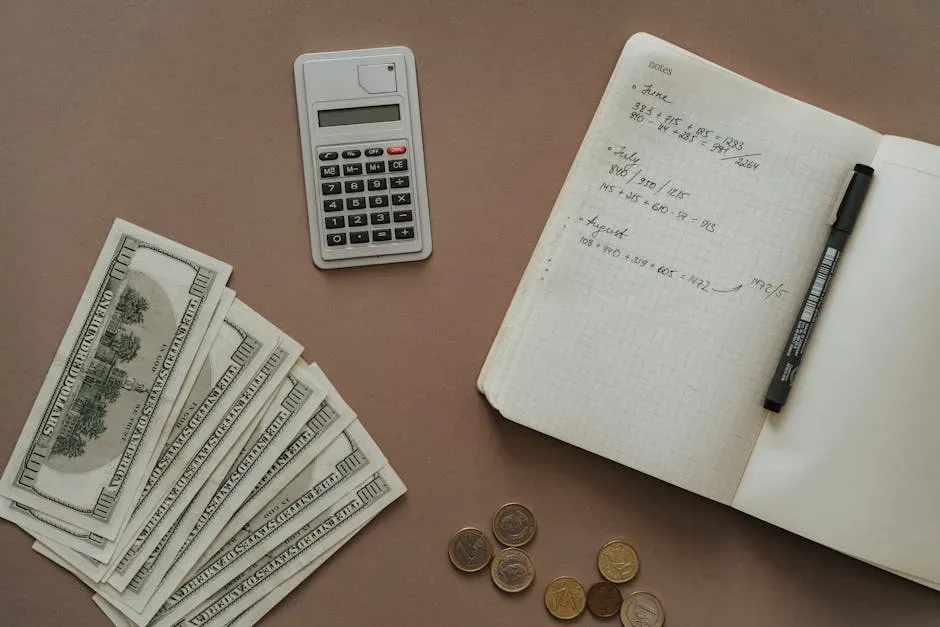
1. The income has been consistent for several months, not just one lucky spike (Image Credits: Pexels)
One strong month can feel like a turning point, but experts caution against reading too much into a single good stretch. That income should be consistent, reliable, and observed over a period of several months, since entrepreneurs sometimes have one great month and decide they are ready, only to find the boom was a one off. A side hustle that pays real bills tends to show a pattern, not a fluke.
Tracking revenue over time is the easiest way to spot that pattern. Keeping a detailed record of monthly earnings over the last six months and watching for consistent growth or stability is a sign the hustle is ready for more. Without that kind of tracking, it's easy to mistake a seasonal bump for genuine momentum.
2. Earnings have moved well above the typical side hustle range

2. Earnings have moved well above the typical side hustle range (Image Credits: Unsplash)
Most side hustles never generate much money, and that's worth saying plainly. Median side hustle income in the United States sits at around $200 a month, down from $250 the year before. Bankrate's data shows an average income of $885 a month, but the median is just $200, a gap that matters because a small group of high earners pulls up the average while most people earn far less.
So when a side hustle starts clearing that median by a wide margin, it's a meaningful signal. Side Hustle Nation research suggests that about 36% of side hustlers who move past the startup phase earn over $1,000 a month. Crossing that kind of threshold consistently, rather than occasionally, tells a different story than the average side gig.
3. The hustle could realistically cover living expenses

3. The hustle could realistically cover living expenses (Image Credits: Unsplash)
There's a difference between extra spending money and money you could actually live on. If a venture is generating income every month that has the potential to meet living expenses, and there's a cushion of savings to help bridge the gap until it does, that combination is often the clearest indicator that someone is ready to make a bigger move.
This is less about hitting a magic number and more about running real math against real bills. Financial viability shows up when a side hustle continues to generate revenue and demonstrates signs of profitability, which is often when it makes sense to consider a more formal business structure. Once the side income lines up with rent, utilities, and groceries on paper, it stops being a hobby with benefits.
4. Demand keeps growing, and turning down work becomes routine

4. Demand keeps growing, and turning down work becomes routine (Image Credits: Pexels)
A side hustle that's tipping into something bigger usually shows it through demand, not just dollars. Experiencing a steady and growing demand for products or services is often the first hint that it may be time to consider scaling up. Clients keep coming back, referrals pick up, and inquiries arrive faster than they can be handled.
Turning away paying work is a particularly telling signal. Looking at the order book, client inquiries, and overall market demand, turning down work because there isn't enough time is a clear sign it's time to go full time. Consistently turning down work or outpacing a day job's income both signal that a side hustle is ready to become full time.
5. The time commitment has quietly taken over

5. The time commitment has quietly taken over (Image Credits: Unsplash)
Side hustles are supposed to fit around a main job, but sometimes the balance flips without anyone quite noticing. Struggling to balance the side hustle with other commitments and feeling stretched thin are signs the venture is outgrowing its part time status. When the "side" part starts eating into sleep, weekends, and family time, that's not sustainable as a hobby.
Comparing hours spent is a useful gut check. Listing out how many hours are spent on the side hustle versus the primary job, and noticing the side hustle demanding more time and energy, might mean it's time to prioritize it. Data backs up how much time people already sink into these ventures. The average side hustler spends 11 to 16 hours a week on their business, which works out to roughly $16 to $23 an hour when combined with typical earnings.
6. There's a real financial model, not just optimism

6. There's a real financial model, not just optimism (Image Credits: Unsplash)
Enthusiasm is not a business plan, and experts are blunt about that. One of the biggest mistakes solopreneurs make is jumping into a new venture without a basic financial model, since sketching out twelve months of profit and loss statements that lead to positive cash flow is necessary before quitting a day job, because if it can't work on paper, it won't work in real life.
That kind of planning also has to account for slower than expected progress. Planning for everything to take twice as long as expected matters because a business plan and projections are just that, a plan, and things almost never go as planned. A side hustle graduating into a real income stream usually comes with an actual spreadsheet behind it, not just a hopeful feeling.
7. There's expertise or a skill people are genuinely willing to pay for

7. There's expertise or a skill people are genuinely willing to pay for (Image Credits: Unsplash)
Sustainable income tends to trace back to something specific: a skill, a service, or knowledge that solves a real problem for other people. Asking whether you have knowledge or expertise that people are willing to pay for, and whether you can improve someone's position by sharing it, is one of the simplest ways to test if a side hustle has real potential, since doing it correctly can turn a side hustle into a main hustle.
This matters more in some fields than others. Freelance consulting in high demand fields like IT and marketing, e-commerce, and online courses built around expertise are among the side hustles that can generate significant income, largely because specialized skills carry strong demand and scalability. When a hustle rests on genuine expertise rather than novelty, it tends to hold up longer once the initial excitement fades.
None of these signs on their own guarantees a side hustle is ready to become a primary income source. Together, though, they paint a clearer picture than instinct alone, and they're the same markers financial planners and small business advisors keep coming back to when clients ask if it's finally time to make the leap.