
Social etiquette has never been a fixed thing. It shifts quietly with each generation, shaped by technology, cultural change, and evolving ideas about respect and personal space. What felt perfectly courteous in 1985 can land awkwardly today, not because people have grown ruder, but because the rules themselves have genuinely changed.
What’s considered polite or proper changes with every generation, culture, and even technology. The etiquette you were raised with might have once been the gold standard, revered by parents, taught in schools, and reinforced by society. In today’s fast-moving, hyper-connected world, those same manners might earn you puzzled looks, uncomfortable silences, or even the impression of being out of touch. These seven signs are worth paying attention to.
1. Insisting on Formal Titles in Everyday Settings

1. Insisting on Formal Titles in Everyday Settings (Image Credits: Unsplash)
Calling someone Mr., Mrs., or Miss used to be non-negotiable, especially when addressing elders, teachers, or authority figures. It showed deference and social order. But these days, overly formal language can feel stiff, distant, or even awkwardly hierarchical. In many workplaces and social settings, first names are the norm regardless of age or position.
Requiring the use of formal titles demands a rigid hierarchy based entirely on age rather than mutual respect. This practice can create uncomfortable power dynamics in modern environments where collaboration and equality are prioritized. Many older professionals now prefer being addressed by their first names to foster approachable and friendly relationships. Respect is best demonstrated through active listening and kind behavior rather than mandatory formal prefixes.
2. Correcting Other People's Grammar Mid-Conversation
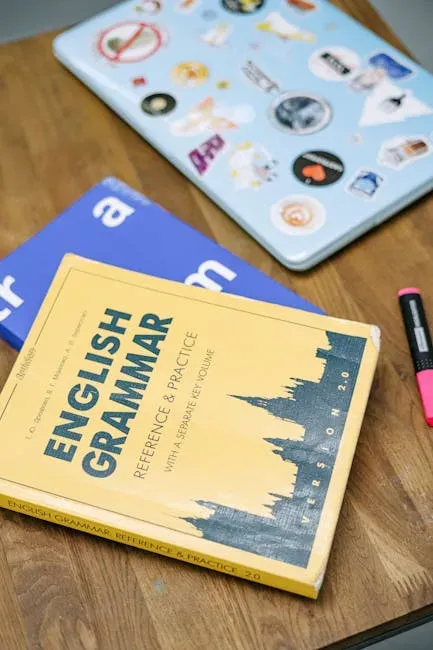
2. Correcting Other People's Grammar Mid-Conversation (Image Credits: Pexels)
Pointing out a grammatical error during conversation is widely perceived as a sign of intelligence and high standards. In reality, it signals a desire to assert dominance rather than foster genuine connection. The habit often embarrasses the other person and derails the conversation entirely.
Linguists widely acknowledge that language is fluid and context-driven rather than rigid. Choosing to stay silent and engaged is far more socially aware than reaching for a correction. The instinct to correct may feel helpful or even caring from the inside, but most people on the receiving end simply feel put down. It's one of those habits that reads as thoughtful in the mind of the corrector and condescending to everyone else in the room.
3. Showing Up Unannounced

3. Showing Up Unannounced (Image Credits: Pexels)
Times are changing fast, and the unwritten social rules people grew up following are officially getting a major overhaul. American society is finally letting go of stuffy traditions that no longer fit our fast-paced daily lives. Dropping in unannounced was once considered a sign of closeness and warmth. Today, it often registers as a boundary violation, particularly for younger adults who structure their time carefully and rarely leave their schedules open to surprise visits.
Etiquette used to be about keeping up appearances, but now it is mostly about respecting boundaries and time. An unexpected knock at the door can trigger real anxiety, particularly for people who work from home or keep irregular hours. A quick message sent ahead of time takes seconds and signals that you value the other person's autonomy, which is ultimately a more modern form of respect than the spontaneous drop-in ever was.
4. Offering Unsolicited Advice or "Helpful" Gifts
4. Offering Unsolicited Advice or "Helpful" Gifts (Image Credits: Pexels)
Presenting someone with a self-help book, a diet product, or an organizational tool under the guise of thoughtfulness has long been mistaken for generous honesty. In most cases the recipient correctly reads the underlying message as a critique of their current habits or appearance. Gift-giving etiquette experts consistently flag this pattern as one of the most socially damaging mistakes in personal relationships.
The gesture prioritizes the giver's opinion over the recipient's feelings. Choosing a gift based on what brings joy rather than what suggests improvement is always the more considerate path. The same principle extends to verbal advice. Older generational norms sometimes encouraged blunt, unsolicited guidance as a form of care. That framing doesn't translate well across generations, and what feels like mentorship to the giver can feel like judgment to the person receiving it.
5. Forcing Physical Greetings Without Reading the Room
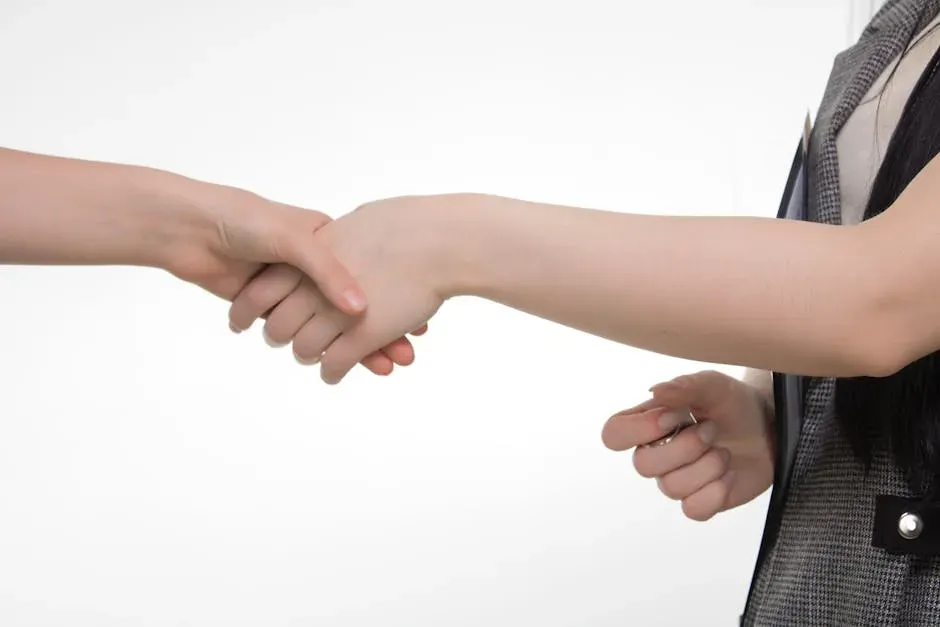
5. Forcing Physical Greetings Without Reading the Room (Image Credits: Pexels)
Older generations are more comfortable with physical contact than their younger peers. According to a survey from language-learning company Preply, nearly 30% of Gen Z adults say they'd "fake a phone call" or intentionally wear silent headphones to avoid uncomfortable interactions with other people in public. Physical greetings like hugs or cheek kisses, once considered warm and socially mandatory, now sit in far more ambiguous territory.
While older generations might opt for a handshake without a second thought, younger adults are more cognizant of preserving their physical space and autonomy, at least in more casual settings outside of work. Pushing a hug or kiss on greeting when someone hasn't initiated it can cause real discomfort, even if the intention is entirely affectionate. Reading body language before closing the physical distance has become the expected default for a reason.
6. Excessive Deference That Transfers the Burden to Others

6. Excessive Deference That Transfers the Burden to Others (Image Credits: Unsplash)
Younger generations, in particular, may prefer directness and mutual respect over overly deferential behavior. Constantly pushing others to go first or refusing to make decisions might make people feel pressured or uncomfortable. In some cases, it even slows things down and creates confusion.
Today's etiquette emphasizes balance. Being considerate still matters, but so does owning your preferences and not putting the emotional labor on others. Offering once is courteous. Insisting multiple times can feel performative or burdensome. There's a real difference between being genuinely considerate and performing politeness in a way that quietly requires everyone else to manage the situation. Decisiveness, it turns out, is its own form of good manners.
7. Using Overly Formal Written Salutations in Casual Communication

7. Using Overly Formal Written Salutations in Casual Communication (Image Credits: Unsplash)
Starting every digital message with a highly formal salutation feels incredibly stiff and robotic these days. While respect is always necessary, Americans no longer need to write casual office emails as if they are addressing the royal family. Dropping the overly stuffy language helps build better relationships and speeds up daily communication. A quick and friendly greeting is more than enough to kick off a productive conversation with a colleague. Getting straight to the point shows that you actually value the other person's time and busy schedule.
At one time, "Dear sir," was the default greeting when corresponding with a stranger. Nowadays, it's almost nonsensical, and adding "or madam" doesn't help, considering the many possible ways in which people identify. Rigid formal openers in everyday messages don't project professionalism so much as they create distance. Manners are cultural and evolve over time. What was considered polite a few decades ago might seem outdated or even offensive now.
None of these shifts mean that courtesy itself has gone out of fashion. If anything, the modern understanding of good manners is more thoughtful than ever, focused on consent, boundaries, and genuine consideration for the people around you. The habits above aren't signs of bad character in the people practicing them. They're simply artifacts of a social rulebook that the world has quietly moved on from.