
Most people know what a dramatic blowup looks like. Raised voices, harsh words, a partner who storms off. But the more common kind of disrespect in a relationship rarely looks dramatic at all. It tends to arrive quietly, wrapped in ordinary moments, easy to dismiss as a bad mood or a quirk of personality.
The problem is that bystanders notice. Friends, family, strangers at the next table – they pick up on these small habits long before the person on the receiving end finds the words to name them. Here are seven behaviors that tend to register as disrespect the moment they play out in public.
1. Scrolling Through the Phone While the Partner Is Speaking
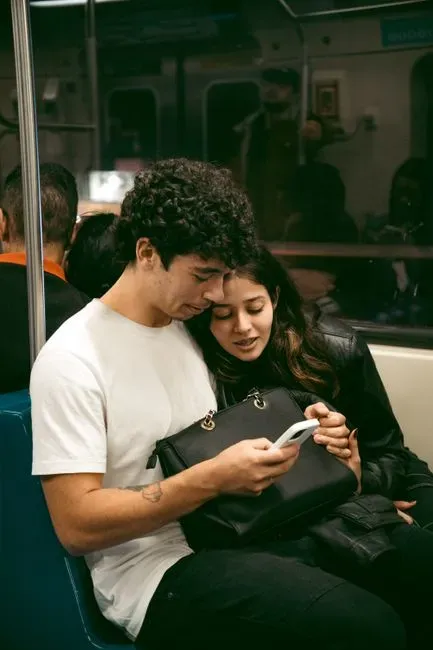
1. Scrolling Through the Phone While the Partner Is Speaking (Image Credits: Pexels)
Phubbing – short for phone snubbing – means ignoring or partially ignoring someone because your attention is on your phone instead. It can look obvious, like scrolling while your partner talks, or subtle, like checking a notification in the middle of a conversation or keeping your phone face-up on the table the whole time. Either way, the message is the same to everyone watching.
Research shows phubbing can erode relationship quality, dent self-esteem, stir up resentment, and even trigger retaliation. Studies have directly linked phubbing to decreased relationship satisfaction, increased conflict, and higher rates of depression in the partner being ignored. When this happens at a dinner table or during a social event, it signals to everyone present that one partner simply doesn’t consider the other worth their full attention.
2. Correcting or Fact-Checking the Partner in Front of Others
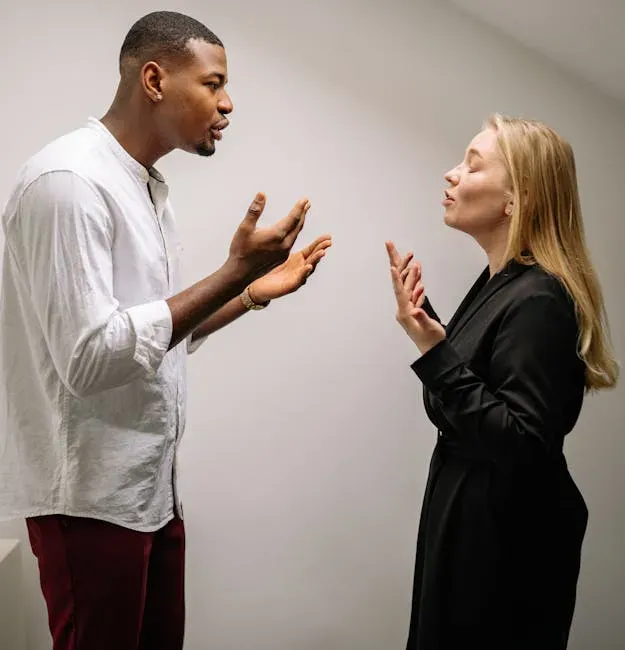
2. Correcting or Fact-Checking the Partner in Front of Others (Image Credits: Pexels)
Few things are more uncomfortable to witness than one partner interrupting the other mid-story to correct a minor detail. It might be the year something happened, the name of a restaurant, or a slightly exaggerated figure. The corrector often frames it as accuracy. Everyone else in the room reads it as something else entirely.
The line into disrespect gets crossed when a partner keeps doing something even after being asked to stop. The behavior itself is often small. When someone consistently talks over or corrects another, it signals that their words matter more. It diminishes the value of the other person’s thoughts and can lead to frustration and hurt. Done publicly, it humiliates more than it informs.
3. Rolling Their Eyes or Using Dismissive Body Language

3. Rolling Their Eyes or Using Dismissive Body Language (Image Credits: Pexels)
Contempt in a relationship is intentionally treating someone with disrespect. Mocking, ridicule, name-calling, and even body language such as eye-rolling or scoffing are all indicators of contempt. The goal behind this behavior is to make the other person feel despised and worthless.
Couples therapist John Gottman has studied relationships for over 40 years. His research has identified patterns that predict divorce with roughly 90 percent accuracy. One of the strongest predictors? Contempt. Contempt in a relationship is any communication that expresses disgust, superiority, or fundamental disrespect toward a partner. It is the difference between criticizing what a partner did and communicating that who they are is beneath you. A single eye-roll in a social setting communicates all of that without a single word.
4. Making Jokes at the Partner's Expense

4. Making Jokes at the Partner's Expense (Image Credits: Pexels)
Sometimes disrespect is masked as humor. When someone consistently makes derogatory or belittling comments about a partner, especially in front of others, it’s a clear sign of disrespect. These can be subtle jabs at character, appearance, or abilities. Even when delivered with a laugh, these comments are intended to undermine self-esteem and diminish worth.
Celebrating each other’s accomplishments should be a joyful part of any relationship. When someone belittles achievements, no matter how small, it is a form of disrespect that chips away at self-esteem. It is as though those successes simply don’t matter. In public, the laughter of the group can amplify the sting considerably, and the recipient is often left with no graceful way to respond.
5. Talking Over or Interrupting the Partner Repeatedly

5. Talking Over or Interrupting the Partner Repeatedly (Image Credits: Unsplash)
Healthy conversations are built on listening and respect. When someone consistently talks over another, it signals that their words matter more. It diminishes the value of the other person’s thoughts and can lead to frustration and hurt. In social settings, this pattern is especially visible because everyone at the table can see exactly whose voice keeps getting cut short.
Common signs of disrespect in a relationship include dismissing a partner’s opinions. Smaller disrespectful behaviors, like consistently dismissing opinions or ignoring boundaries that have already been raised, often matter just as much when they repeat. Interrupting a partner in public removes their standing in a shared conversation. Over time, it communicates to everyone around them that one voice simply counts more than the other.
6. Ignoring the Partner When Others Are Around

6. Ignoring the Partner When Others Are Around (Image Credits: Unsplash)
This one can be easy to miss at first. One partner engages warmly with everyone at a gathering – laughing, making eye contact, leaning into conversations – while essentially acting as though the other person isn’t there. No introduction. No inclusion. Just a kind of social invisibility directed at the person they came with.
Signs of a lack of respect in a relationship include one partner seeming uninterested in the other, asking fewer questions about their interests, and not consulting the other on important matters. The disrespected partner ends up feeling invalidated and unheard. When someone disregards a partner’s feelings, ideas, and thoughts, it signals they don’t respect that person. It makes the partner feel like they are not being heard, and as though their opinions don’t matter.
7. Speaking for the Partner Without Being Asked
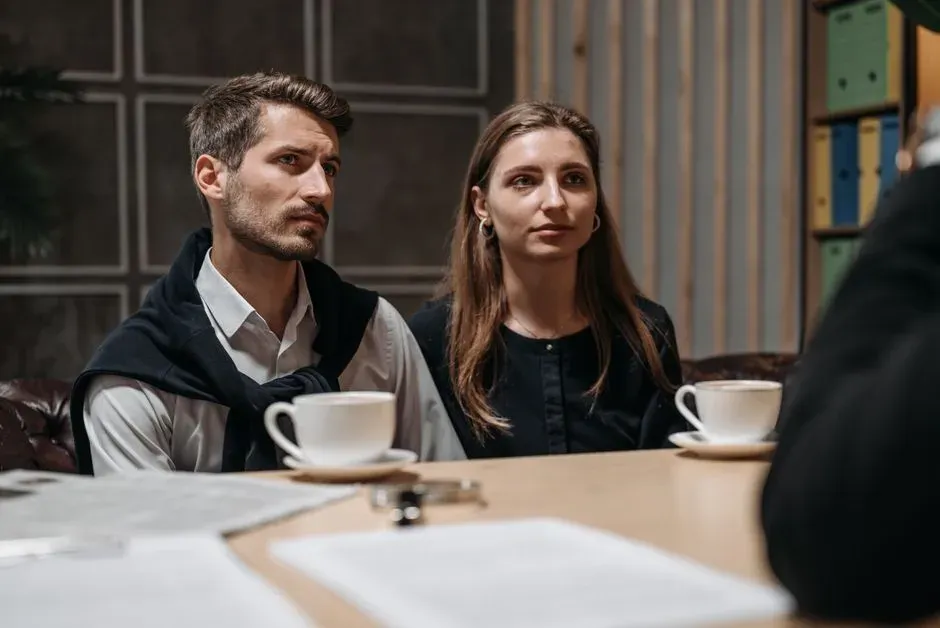
7. Speaking for the Partner Without Being Asked (Image Credits: Pexels)
Ordering for a partner without asking, answering questions directed at them, or stepping in to finish their sentences uninvited might look like attentiveness. From the outside, it rarely reads that way. Unilateral decisions signal that a partner’s influence isn’t taken seriously. While independence is healthy, disregarding a partner’s voice in decisions that concern them both is a sign of disrespect.
When someone doesn’t allow a partner to make choices, it signals a lack of respect for their opinions and their right to make their own decisions. It can also be a sign of control, which is another form of disrespect. When someone makes decisions without consulting their partner first, it communicates that the partner’s opinions and right to have a say don’t register. In public, this behavior broadcasts a clear hierarchy to everyone watching, whether that’s the intention or not.
None of these habits require a confrontation to leave a mark. They work precisely because they’re quiet, repeatable, and easy to rationalize away. What makes them worth paying attention to is exactly that: the gap between how small they seem and how clearly they register to the people who witness them. Disrespect is not a volume game. A single pattern of dismissiveness, repeated over months or years, will erode a relationship’s foundation just as surely as a dramatic blowup.