
There’s a certain feeling you get walking into someone’s home when everything just clicks. Nothing screams for attention. Nothing feels forced. The space has a quiet confidence to it, like the person who lives there made deliberate choices without needing to prove anything to anyone. That feeling is almost never created by a single statement piece or a renovation budget. It comes from smaller things, often so small that visitors can’t immediately name them.
These details add up. Collectively, they communicate that the homeowner understands proportion, material quality, and the relationship between function and beauty. Most guests won’t consciously notice each one, but they’ll feel the cumulative effect the moment they step inside. Here are seven of the most telling ones.
1. Layered Lighting That Serves a Mood, Not Just a Room
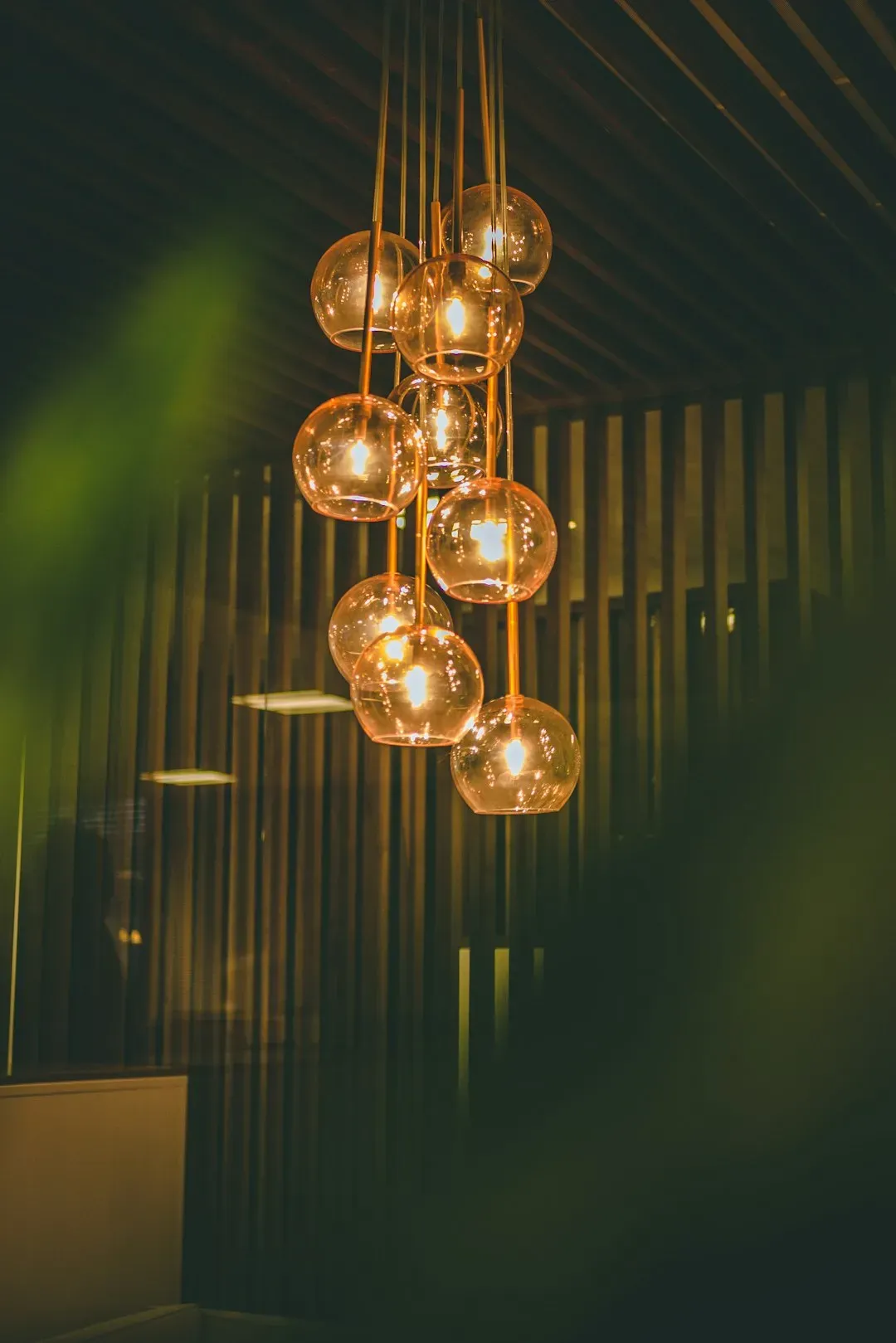
1. Layered Lighting That Serves a Mood, Not Just a Room (Image Credits: Unsplash)
Thoughtful lighting softens corners, highlights textures, and sets the emotional tone for everyday living. Its impact may be subtle, but it is profound. Homes with exceptional taste rarely rely on a single overhead fixture to do all the work. Instead, you’ll notice table lamps, sconces, and under-cabinet lighting working together to create warmth at different heights throughout the space.
Lighting and electrical planning are among the most influential elements in a home. Beautiful lighting not only brings architecture to life and creates ambience but also allows for seamless integration of technology, security, and task-oriented functionality where it’s most needed. When visitors sense that a room feels “right” without knowing why, layered lighting is usually doing a significant portion of that work.
2. Custom Drapery Hung Close to the Ceiling
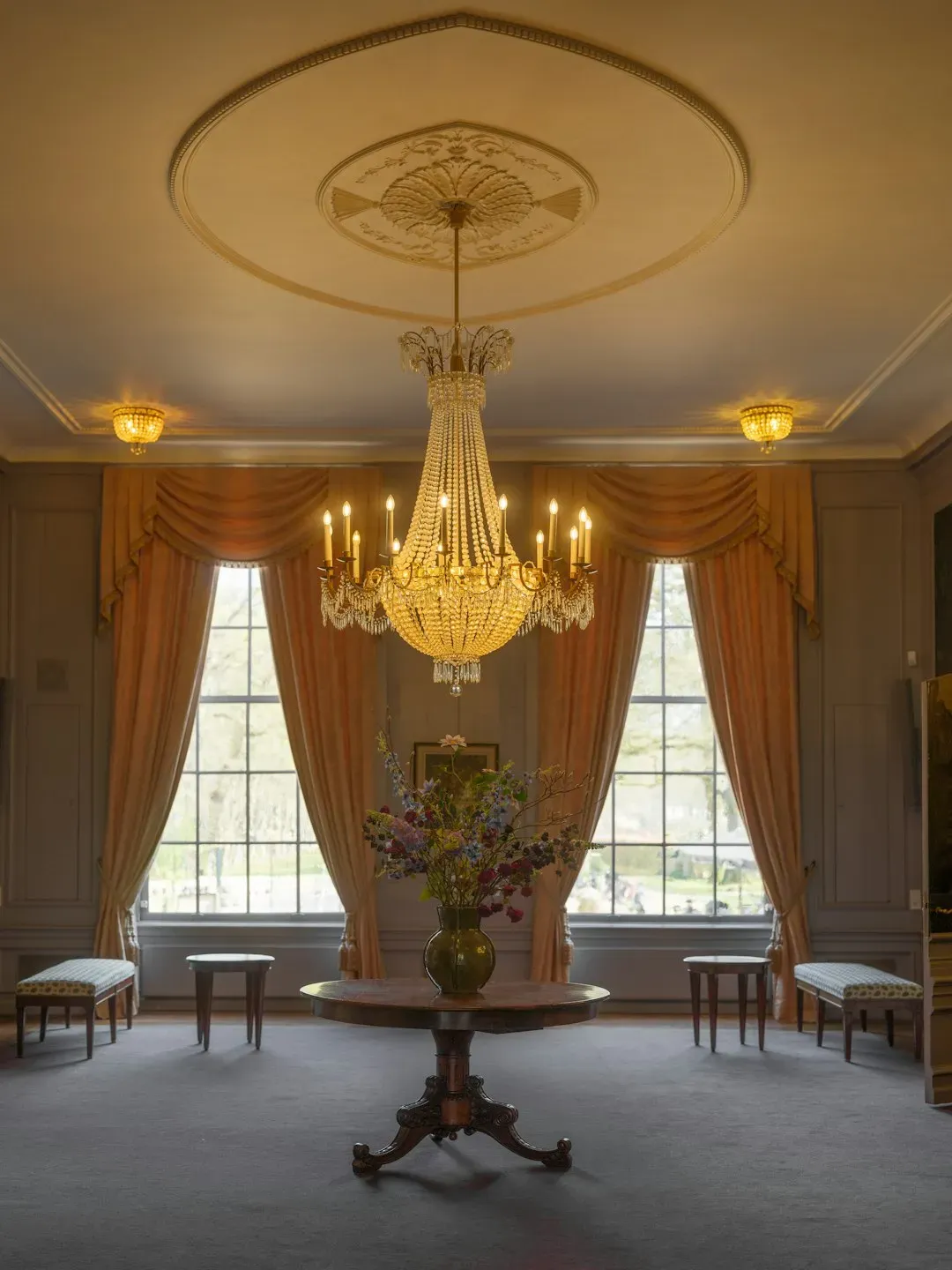
2. Custom Drapery Hung Close to the Ceiling (Image Credits: Unsplash)
Custom window treatments make a huge difference in how a space looks and feels. Window treatment trends have shifted toward calming, serene colors, including more natural, muted, and earthy tones plus soft neutrals. By tailoring drapes and other window treatments to a space’s specific style and dimensions, it’s easy to enhance its overall aesthetic and atmosphere.
The specific detail that signals real knowledge is where the curtain rod is mounted. Hanging drapery close to the ceiling, even when the window itself sits lower, draws the eye upward and makes the room feel taller. Store-bought curtains installed just above the window frame have an entirely different effect. The difference is immediately visible even to people who can’t articulate why one room feels more expansive than the other.
3. A Curated Mix of Vintage and Contemporary Pieces
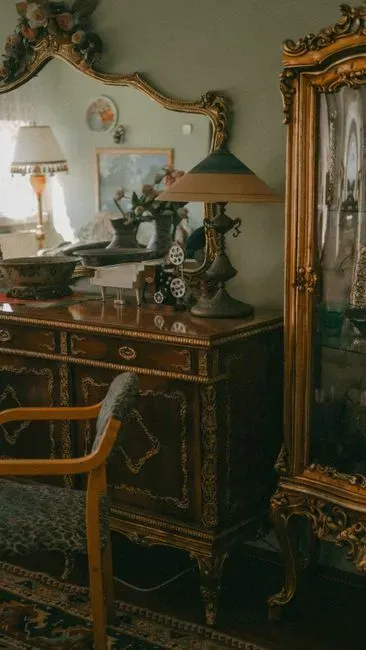
3. A Curated Mix of Vintage and Contemporary Pieces (Image Credits: Pexels)
Vintage elements popular in luxury design include antique furniture, retro lighting fixtures, and classic textiles, which add character and sophistication. Incorporating these pieces creates a timeless elegance that enhances modern spaces while celebrating history and craftsmanship. A room furnished entirely from a single era or retailer tends to feel flat, like a showroom rather than a home someone actually lives in.
Personalization is key. Curated collections of art, antiques, and bespoke furniture add a unique touch to luxury interiors, reflecting the homeowner’s personal taste and history. The telling detail here is restraint. A homeowner with exceptional taste doesn’t pile in vintage pieces for effect. They choose one or two with real intention, letting those items create contrast against cleaner, more contemporary surroundings.
4. Thoughtful Use of Natural Materials and Texture
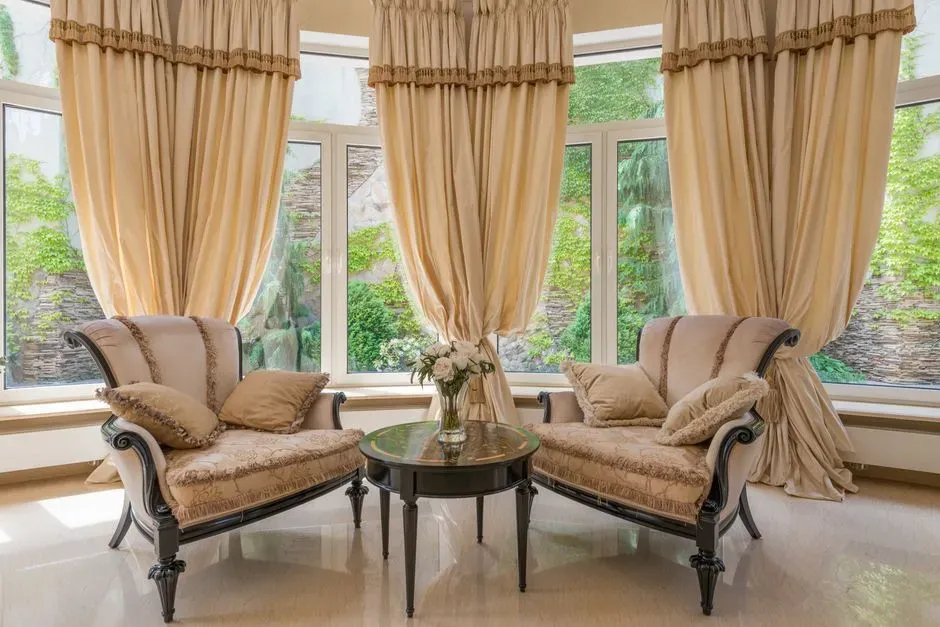
4. Thoughtful Use of Natural Materials and Texture (Image Credits: Pexels)
The concept of “quiet luxury” refers to a tasteful and understated approach to design. It emphasizes the appreciation of high-quality materials, refined finishes, and thoughtfully placed intricate details without being excessively flamboyant. It can be achieved with soft, soothing color palettes, rich textures, and minimalistic designs that subtly speak to a discerning eye.
Designers are increasingly using textures, finishes, and materials typically associated with the outdoors in interior spaces. Natural elements like stone, brick tiles, wood, and even woven materials are being brought indoors to create a connection between the home’s interior and nature. These elements add depth, character, and a sense of warmth to living spaces. What visitors register isn’t the individual material itself but the fact that every surface seems to have been chosen rather than defaulted to.
5. A Ceiling Treated as a Design Element
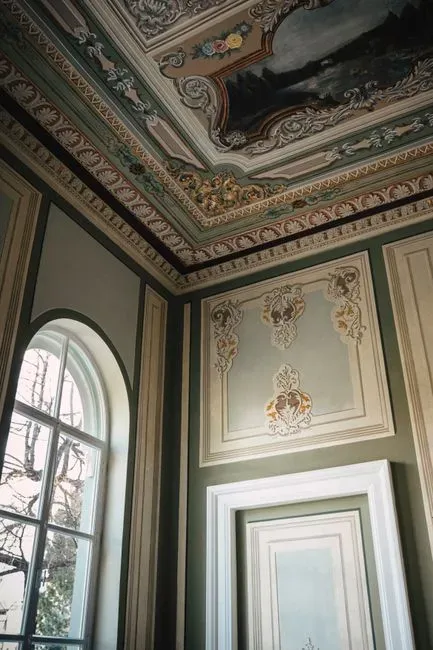
5. A Ceiling Treated as a Design Element (Image Credits: Pexels)
As color drenching gained popularity, extending bold creativity to ceilings became the next logical step in 2025. Designers are embracing the ceiling as a “fifth wall,” where elements like hand-painted murals, sculptural ceiling roses, and deep cornices can elevate the entire room’s aesthetic. Most homeowners never look up when decorating, which is precisely why this detail is so effective when it’s handled well.
It doesn’t need to be dramatic. A matte finish in a tone slightly deeper than the walls, exposed beams left in a natural wood state, or even a subtle plaster texture can completely change how a room reads. This trend also aligns with the growing focus on personalization in design. Clients seek curated and unique spaces, and elaborate ceiling treatments allow for self-expression. Visitors absorb this detail peripherally, and it contributes to the sense that every square inch of a home has been considered.
6. A Warm, Intentional Color Palette Rather Than Default Neutrals
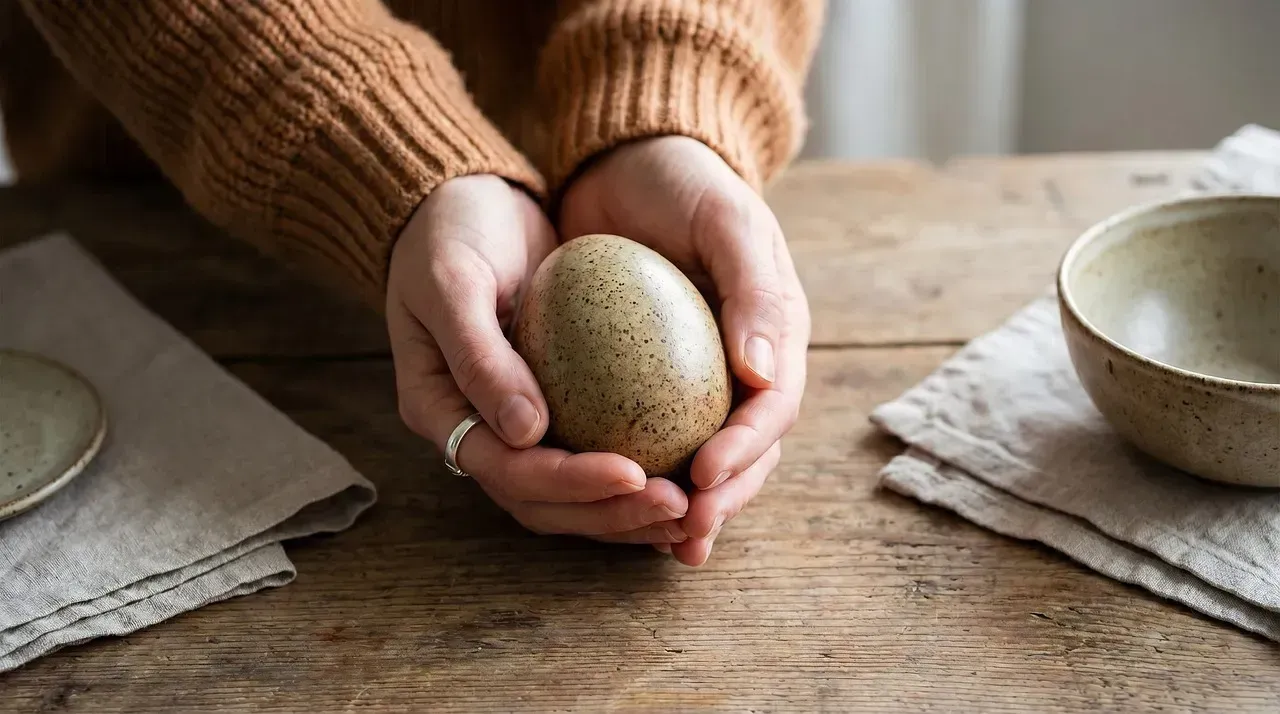
6. A Warm, Intentional Color Palette Rather Than Default Neutrals (Image Credits: Gallery Image)
Color trends have taken a nostalgic route with the return of warm, retro color palettes that draw inspiration from the rich hues of the 1970s and 1980s. The resurgence of these vintage-inspired shades can be closely tied to a shift toward design that feels timeless and full of personality, rather than overly modern or minimal. Safe greige walls have become so ubiquitous that they now read as indifference rather than neutrality.
There has been a real shift toward warm earth tone palettes, with shades like terracotta, mustard, and rich greens, complemented by natural materials such as wood and stone, creating an inviting, grounded atmosphere that fosters a deeper connection with nature. The detail that signals genuine taste isn’t the boldness of the color choice but the consistency. Every room connects to the next through a thread of complementary tones, never jarring, never random.
7. Sculptural or Handcrafted Details in Unexpected Places
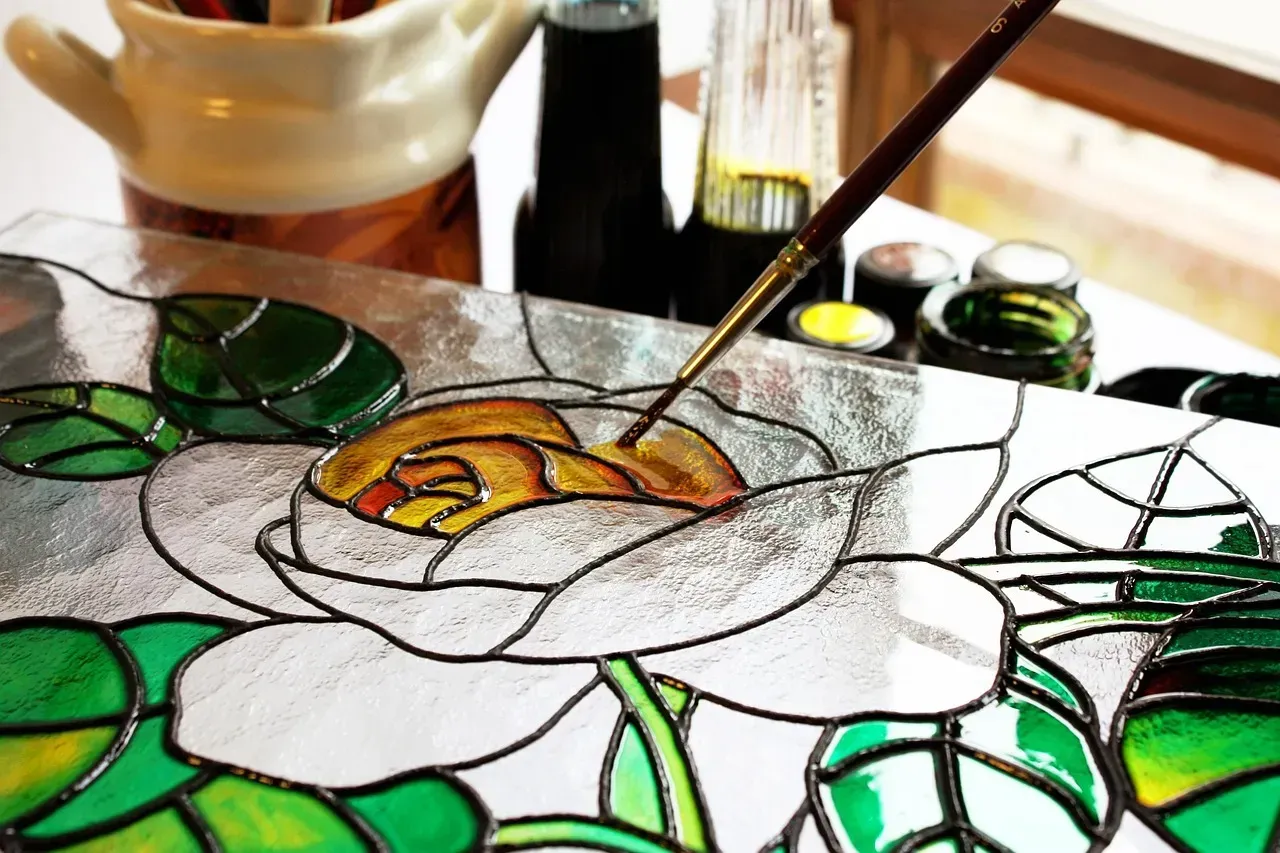
7. Sculptural or Handcrafted Details in Unexpected Places (Image Credits: Pixabay)
Luxury homes are increasingly embracing the beauty of craftsmanship. Handcrafted details, from bespoke furniture to custom-made lighting fixtures, add a personal touch to the interiors. These unique pieces reflect the homeowner’s personality and elevate the overall design. What separates this from ordinary decorating is placement. A homeowner with real taste doesn’t put all the interesting objects on one styled shelf. The crafted details appear where you least expect them.
Sculptural art doesn’t necessarily have to be a huge, heavy sculpture. It could be simple and subtle, like a painting that uses embroidery to add texture and a slight three-dimensional aspect. You can even implement aspects of sculptural art into lighting fixtures with interesting shapes and details. Another option is sculptural details in staircases, stair railings, table legs, and other subtle areas. It’s this kind of embedded detail, a carved drawer pull, a hand-thrown ceramic bowl sitting next to the kitchen sink, a woven pendant light, that visitors remember long after they’ve left.
Exceptional taste in a home isn’t about spending more. It’s about looking harder and choosing more deliberately. These seven details tend to surface in spaces where the homeowner has slowed down enough to think about how a room will feel, not just how it will photograph. That distinction, between curating for effect and curating for experience, is ultimately what visitors sense the moment they walk through the door.