
There’s a particular kind of weight that comes with words spoken by someone who has lived a full life. When a grandparent says something, even something brief and almost casual, it lands differently than the same advice coming from a parent or a teacher. Researchers who study intergenerational relationships are starting to understand why.
The motivation behind much of this research stems from the idea that grandparents utilize their age-based social and emotional strengths to impart to their young grandchildren the social and emotional skills necessary for successful development. In other words, the words grandparents speak are rarely just words. They carry history, patience, and a kind of earned credibility that most people only recognize in hindsight.
"I Believe in You"
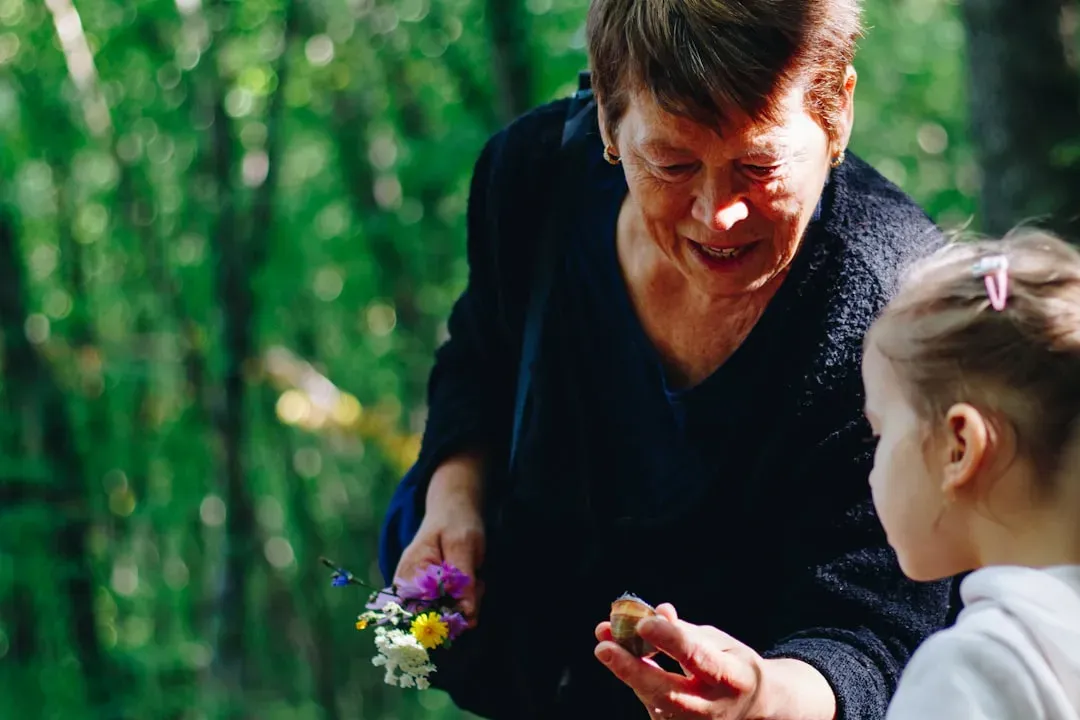
"I Believe in You" (Image Credits: Unsplash)
When a grandparent says "I believe in you," they're planting a seed of self-confidence. As the child grows, that phrase can play in the background, encouraging them to take healthy risks and trust their own capabilities. The effect tends to deepen over time rather than fade, which is what separates it from ordinary praise.
Children are constantly searching for identity. When grandparents point out what makes a child special, it boosts self-esteem in a way that feels genuine and warm. It could be a simple statement about their sense of humor or the way they paint flowers in bold colors. These affirmations act like small but powerful seeds of confidence. They remind children that their individuality isn't just accepted – it's celebrated.
"Remember Where You Come From"

"Remember Where You Come From" (Image Credits: Unsplash)
A warm relationship with a grandparent provides emotional stability and a strong sense of identity, positively influencing a child's socialization, emotional development, and even their core values. Phrases rooted in family identity are a central part of how that transfer happens. When grandparents anchor a child to a larger story, the child starts to understand themselves as part of something that extends beyond their own short life.
Phrases like "Remember who you are and where you come from" or "Family is the compass that guides us" are deeply meaningful. They pass on values and beliefs that shape your identity. Grandparents act as a conduit between generations, offering grandchildren a sense of history and belonging that parents, absorbed in the present, can't always provide. The legacy they pass down includes far more than physical assets: it encompasses values, wisdom, and a sense of identity that resonates across time.
"This Too Shall Pass"

"This Too Shall Pass" (Image Credits: Unsplash)
Grandparents have a knack for phrasing resilience in everyday language, "Dust yourself off," or "Next time, you'll do better." Having lived through wars, economic downturns, or personal hardships, they can show what it looks like to keep going. If a child fails a test or loses a game, a grandparent's calm reassurance that it's just one chapter can calm that child's anxiety. They learn that setbacks aren't permanent stop signs – they're hurdles that can be cleared with patience, effort, and time.
Findings indicate that wisdom-sharing programs have had positive effects for youth participants, supporting the development and promotion of programs that focus on the transfer of wisdom from older to younger persons, according to a randomized controlled study. The phrase "this too shall pass" is deceptively simple. It comes loaded with the speaker's own proof that life continued after difficulty, which is something no textbook can replicate.
"Always Do Your Best"
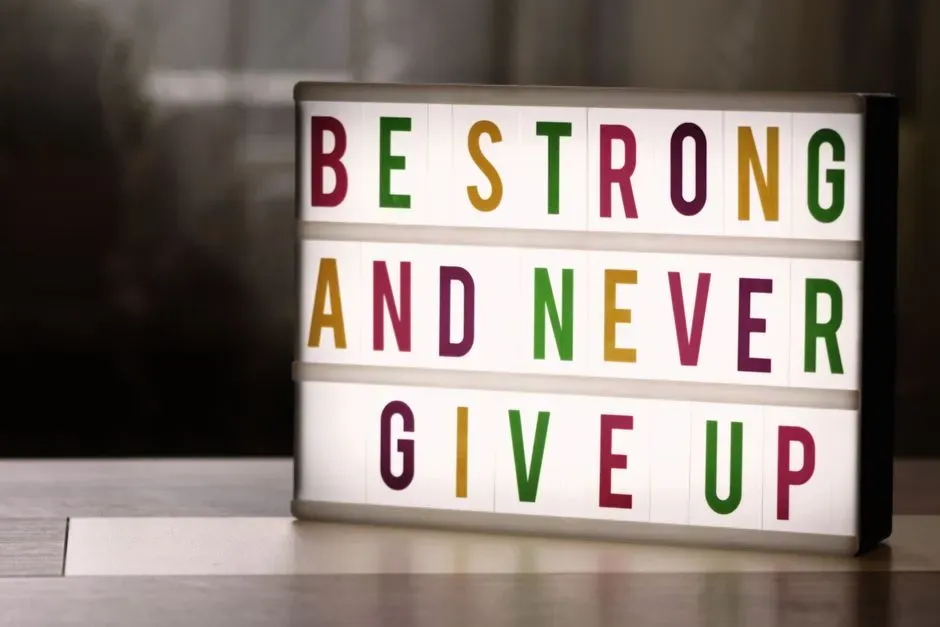
"Always Do Your Best" (Image Credits: Pexels)
"Always do your best" isn't just about the end result. It's about the process, the effort, and the dedication. It's about facing responsibilities head on, giving them due respect, and putting in our best effort, regardless of the outcome. Those simple words teach perseverance, resilience, and the value of being proud of the work you put into the world, no matter how small or big.
Age-related gains in emotional and interpersonal skills, such as resilience and conflict negotiation, along with an increased preference for close relationships and meaningful experiences, make grandparents prime candidates to model and encourage the development of emotional and social skills in their young grandchildren. A phrase like "always do your best" becomes a private standard, something a child carries into adulthood and often passes along without even realizing they're doing it.
"Be Kind – You Never Know What Someone Is Going Through"
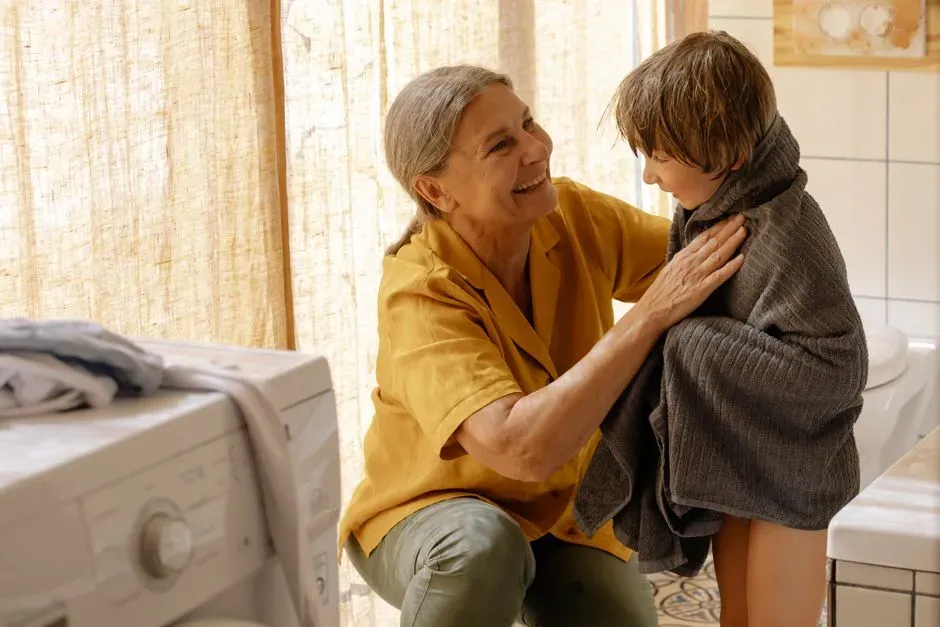
"Be Kind – You Never Know What Someone Is Going Through" (Image Credits: Pexels)
Grandparents have met enough people and lived through enough situations to understand complexity. They're less likely to judge harshly because they've seen how quickly circumstances can change. When they tell you to be kind, to give people the benefit of the doubt, to help when you can, it's not naive optimism. It's hard-earned wisdom.
Unlike parents, who are typically responsible for daily structure and discipline, grandparents can offer a steady, nurturing presence that feels less pressured and more emotionally available. Grandparents also help pass down cultural values, traditions, and family history, and this gives children a deeper sense of identity and belonging. Moral lessons land more gently from that place of calm authority, and the kindness message tends to stick precisely because it doesn't come attached to rules or consequences.
"Our Family's Story Matters"
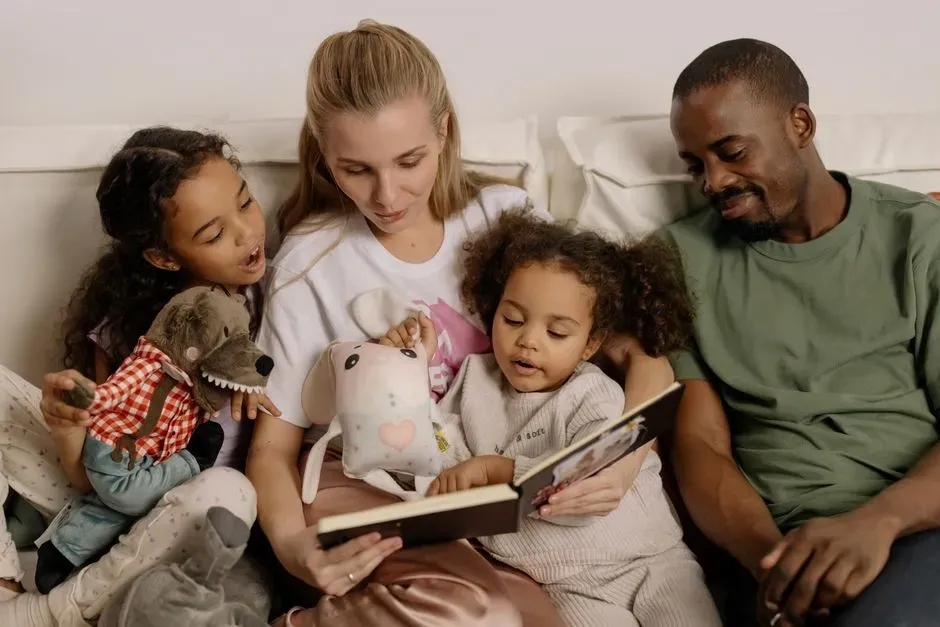
"Our Family's Story Matters" (Image Credits: Pexels)
Kids remember family lore because it performs a kind of magic: it turns them from isolated points into part of a constellation. They learn that people they love have struggled and kept going. When their own hard chapter arrives, they're less likely to think "it's just me," and more likely to think "this is a page in a long, resilient book."
The wisdom conveyed through family stories took the form of advice, encouragement, warning, and reprimand, and was usually expressed indirectly, requiring effort to read the hidden message and give it meaning, according to a 2024 qualitative study of emerging adults in Poland. This indirectness is actually part of what makes it effective. Stories stay in memory when lectures don't, and grandparents have long understood this instinctively.
"You Are Loved, No Matter What"
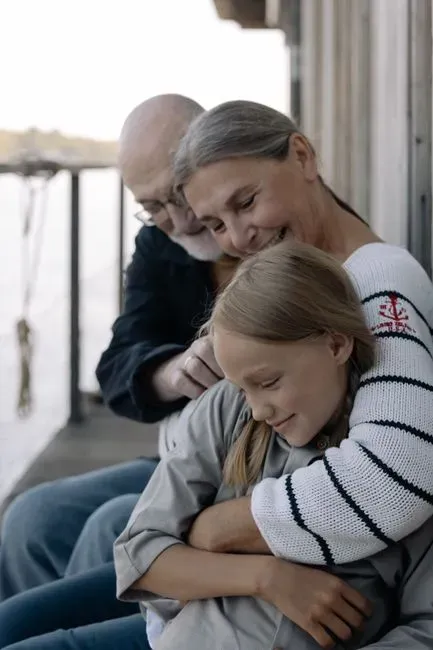
"You Are Loved, No Matter What" (Image Credits: Pexels)
Social support provided by close grandparents during early childhood was associated with emotional wellbeing in emerging adulthood, and this association persisted beyond a grandparent's death and even in the presence of poor parent or primary caregiver relationships. That finding is significant. It suggests that unconditional affirmation from a grandparent doesn't just feel good in the moment – it creates a protective effect that extends decades into the future.
"You are loved" is perhaps the most significant phrase of all, underscoring the ageless affection that grandparents have for us – the rock-solid foundation upon which a life is built. These timeless phrases are imprinted in our minds, becoming an integral part of our life's fabric. They serve not just as a testament to a grandparent's wisdom but also as a living link to their invaluable lessons, rendering them immortal in our memories.
Studies have found that children who have a strong relationship with their grandparents are less likely to experience symptoms of depression and anxiety. Grandparents can help their grandchildren develop a sense of belonging and connectedness, providing a buffer against the harmful effects of stress and adversity. By nurturing these critical relationships, grandparents can help their grandchildren develop the resilience and coping skills they need to thrive.
What makes all seven of these phrases so durable isn't really the words themselves. It's the specific combination of deep love, genuine experience, and the unhurried way grandparents tend to deliver them. Long after they're gone, you'll find yourself making decisions based on what they taught you. You'll repeat their phrases to your own kids. You'll finally understand what they meant when you're old enough to appreciate it. The most ordinary sentences, spoken at the right moment by the right person, have a way of echoing for a lifetime.