
There’s a quiet but real tension playing out in grocery store aisles across America. On one side, Baby Boomers reaching for familiar red-and-white cans, frozen compartment trays, and powdered drink mixes they’ve trusted for decades. On the other, Gen Z shoppers walking right past those shelves, scanning ingredient labels, and wondering what exactly the appeal is supposed to be.
Part of the disconnect comes down to how Boomers were raised. They grew up in an era when fresh ingredients were being edged out by frozen dinners, canned goods, and other convenience foods, so it’s understandable they’d struggle to see why the food culture once sold to them as progress is now being treated as the problem. Gen Z food habits, by contrast, revolve around convenience, quality, and value, and perhaps above all else, this generation is looking for food to be an experience, not simply a way to fuel their bodies. Eight convenience foods sit squarely at the center of this divide.
1. Canned Condensed Soup
1. Canned Condensed Soup (Image Credits: Pexels)
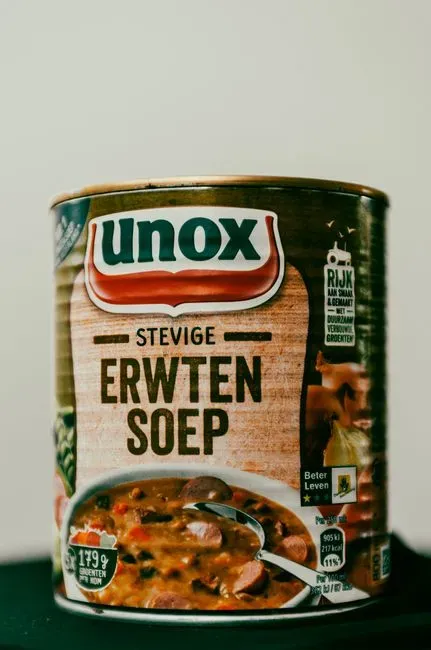
Campbell's soup was a weeknight staple for Boomers, a quick lunch, a snow day essential, and the thing you reached for on a rough day. Tomato, chicken noodle, and cream of mushroom practically built the American casserole scene. Baby Boomers are four percentage points more loyal as consumers than the general population, and that loyalty extends straight to the brands they grew up eating.
While traditional canned and condensed soup segments continue to soften in the market, economic pressures are pushing households to rely on soup as a dependable budget staple, though value alone is no longer enough to differentiate the category or spark excitement. Younger generations want global flavors, customizable experiences, and versatile formats, while older consumers increasingly look for clearer health cues like low sodium and familiar ingredient simplicity. For Gen Z, a can of condensed cream of mushroom at over two dollars feels like a lot to pay for something that still needs water, a pan, and a fair amount of optimism.
2. Frozen TV Dinners
2. Frozen TV Dinners (1950sUnlimited, Flickr, <a href="https://creativecommons.org/licenses/by/2.0/" target="_blank" rel="noopener">CC BY 2.0</a>)
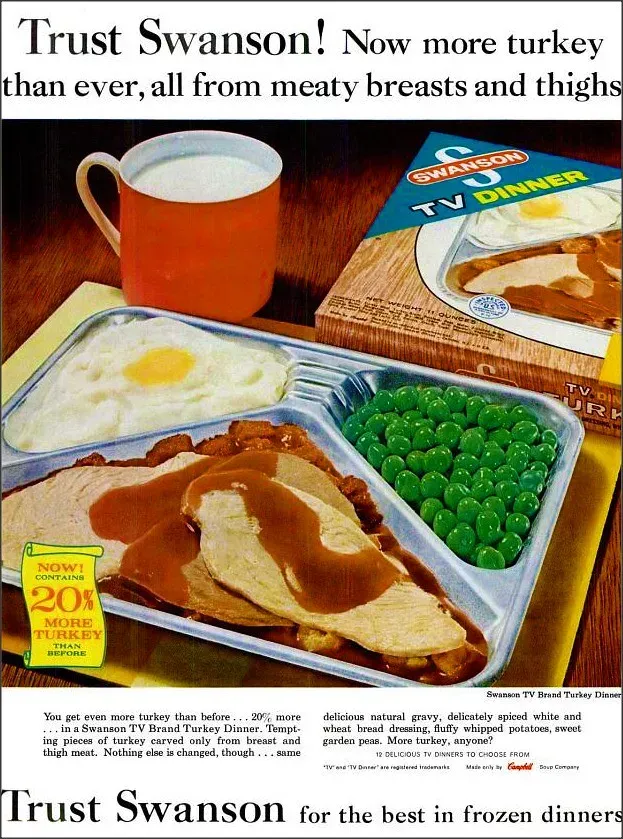
Frozen TV dinners were revolutionary in their prime, offering convenience, consistency, and portioned meals at scale. Gen Z came of age during a wave of meal kits, fast-casual customization, and ingredient transparency, and compared with those options, the classic compartment tray feels impersonal and nutritionally suspect. Baby Boomers and upper-income consumers are among the most likely to buy frozen side dishes and entrées, according to the American Frozen Food Institute.
What Gen Z rejects is the old TV dinner model: limp vegetables, vague meat patties, and sauces that blur everything into one sodium-dense flavor profile. Packaging and cultural meaning also matter. The phrase "TV dinner" evokes passive eating and low expectations, while Gen Z often seeks convenience without surrendering quality. The price point, often between four and eight dollars per tray, hits especially hard when younger shoppers know the nutritional return on that investment is modest at best.
3. Canned Vegetables
3. Canned Vegetables (Image Credits: Unsplash)
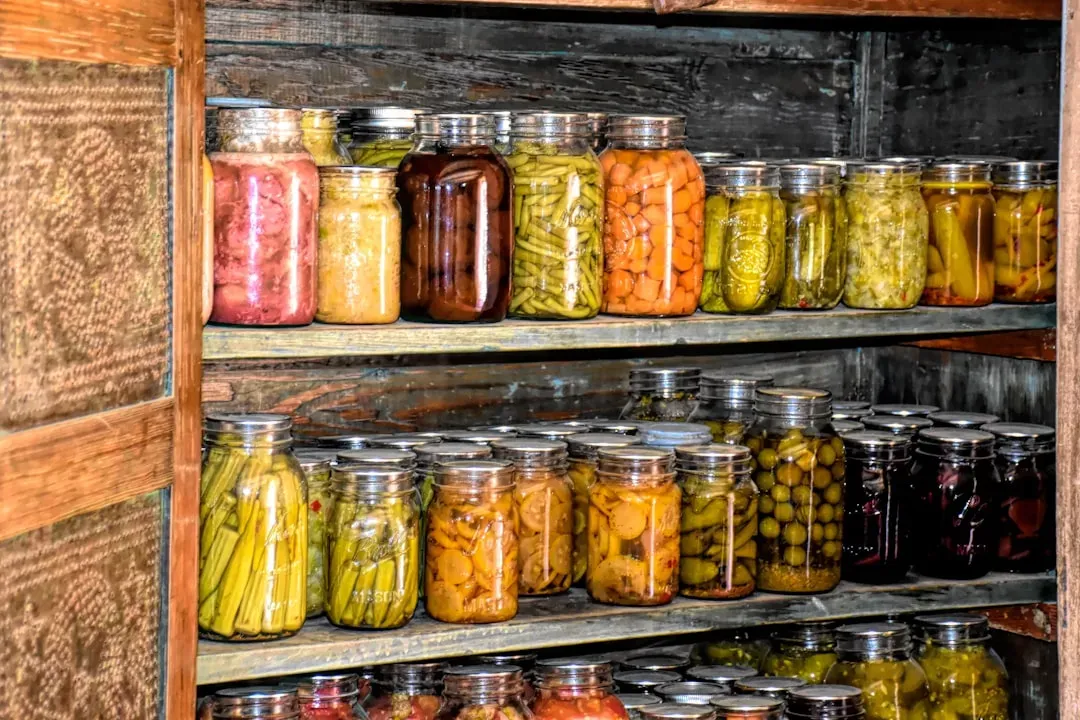
Boomer kitchens relied heavily on canned green beans, peas, corn, and mixed vegetables because they were affordable, shelf-stable, and practical. Gen Z still values convenience, but usually in forms that preserve more texture and nutritional credibility, and frozen vegetables and fresh pre-cut produce now do that job better. The can itself has become a symbol of compromise rather than resourcefulness for younger shoppers.
Canned vegetables suffer from a sensory problem. They are often associated with softness, excess salt, and muted color, all qualities younger consumers tend to avoid. In an era that prizes crunch, char, and vibrant plating, a spoonful of gray-green beans can feel like the opposite of appetizing. Grocery chains have expanded produce kits, microwaveable vegetable packs, and frozen sides with seasoning blends that feel far more contemporary, leaving canned vegetables tied mainly to older habits rather than modern preference.
4. Vienna Sausages and Canned Meat
4. Vienna Sausages and Canned Meat (JeepersMedia, Flickr, <a href="https://creativecommons.org/licenses/by/2.0/" target="_blank" rel="noopener">CC BY 2.0</a>)
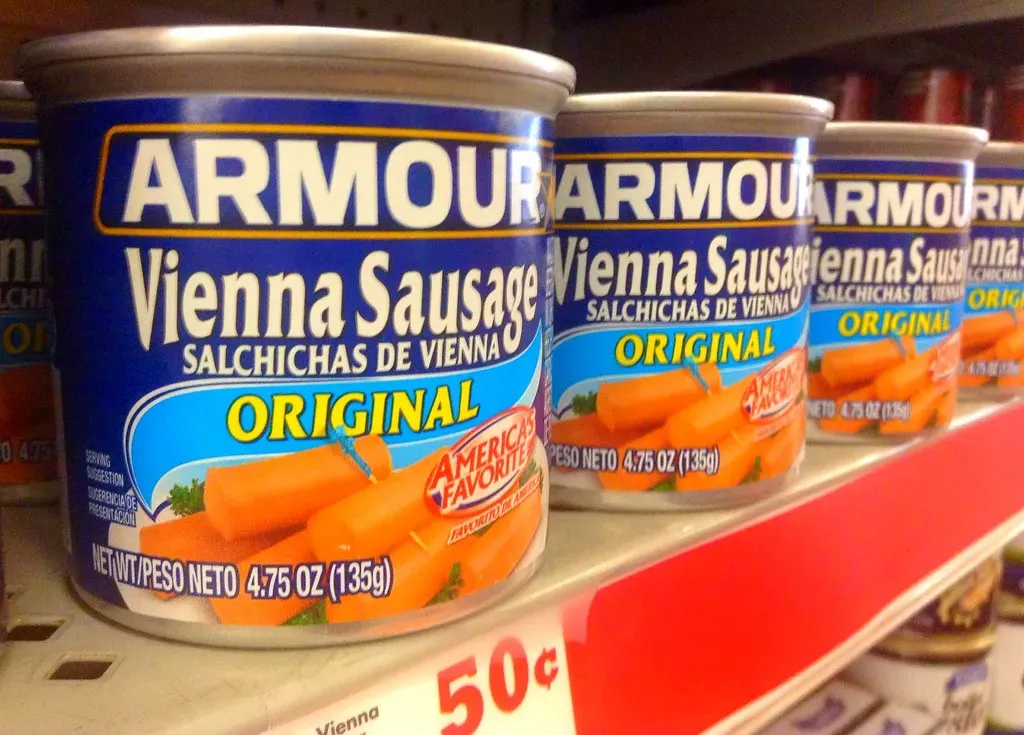
Vienna sausages are tiny, canned, soft, and deeply nostalgic for people who grew up with pantry lunches and emergency snacks. Armour's current product still describes them as ready-to-eat canned sausages made with chicken, beef, and pork, and many Boomers remember eating them with crackers, straight from the can, or tucked into lunchboxes. The no-fuss appeal was real and the shelf life practically endless.
Today, Gen Z views these items through a more health-conscious lens, often rejecting them due to concerns about preservatives, processing methods, and unclear ingredients. What was once a symbol of thrift and convenience now clashes with modern expectations for transparency and overall quality. Concerns about additives, sodium levels, and unclear sourcing have pushed younger consumers toward fresher deli meats or plant-based alternatives, and the generational contrast reflects shifting definitions of what qualifies as convenient.
5. Packaged Bran Cereal
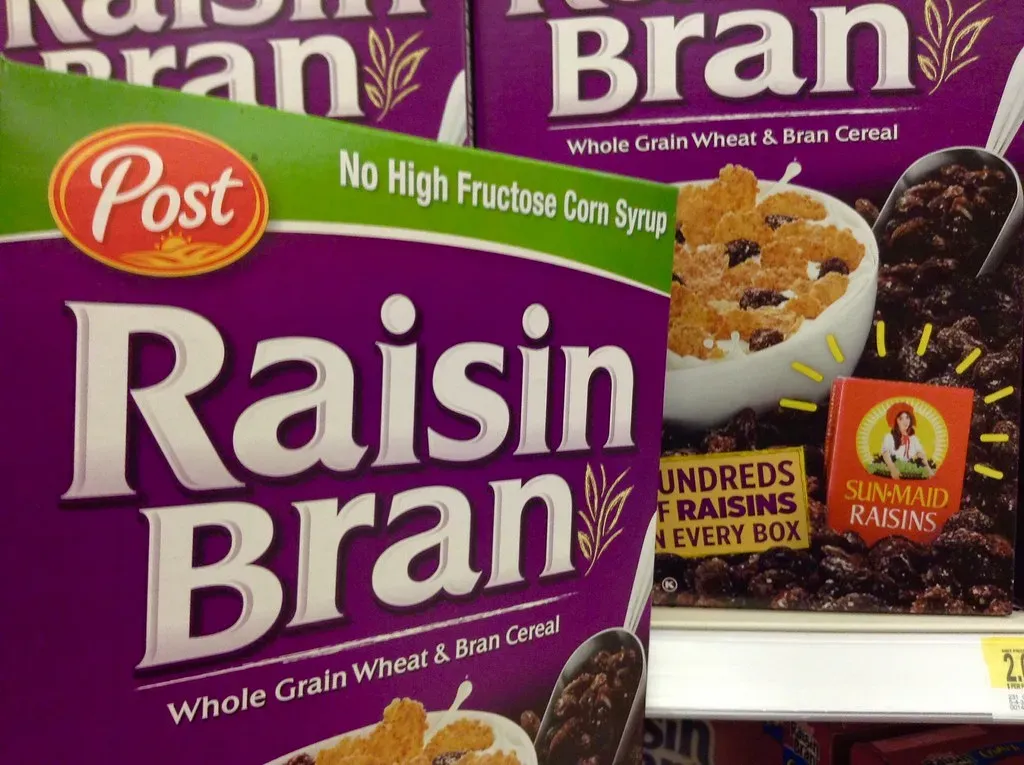
5. Packaged Bran Cereal (JeepersMedia, Flickr, <a href="https://creativecommons.org/licenses/by/2.0/" target="_blank" rel="noopener">CC BY 2.0</a>)
Bran cereal represents the Boomer era's focus on fiber-rich breakfasts that promised long-lasting energy and digestive benefits. Its simple ingredients and straightforward preparation were ideal for busy households. Gen Z, however, often perceives bran cereal as bland or outdated, especially in comparison to today's wide array of flavored, textured, or protein-enhanced breakfast options.
According to research by HealthFocus International, roughly half of older adults seek low-sugar and low-salt snacks, with a significant share interested in high-protein and high-fiber products. Bran cereal fits that profile neatly for Boomers. Gen Z, though, tends to weigh that same fiber benefit against the cost of a big cardboard box and lands on Greek yogurt, overnight oats, or a high-protein granola that at least photographs better. Authenticity and origins have been identified as a major trend affecting nearly half of Gen Z purchasing decisions, which works against cereal brands that lean on decades-old marketing claims.
6. Tuna Noodle Casserole Kits
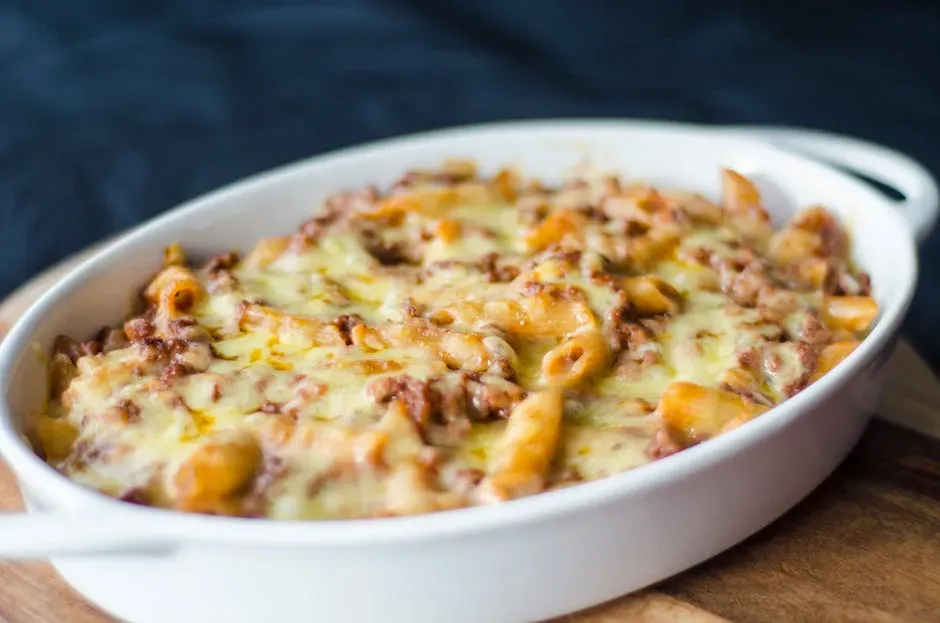
6. Tuna Noodle Casserole Kits (Image Credits: Pexels)
Tuna noodle casserole is the kind of dinner that explains a whole era of American cooking: canned tuna, noodles, condensed soup, and peas if you had them, with something crunchy on top. It was cheap, filling, and easy enough for a busy weeknight. Boomers often remember it as genuine comfort food. Packaged kits that bundle the condensed soup and egg noodles together have kept that tradition alive on grocery shelves.
Gen Z sees a beige, heavy dish that feels nutritionally dated and visually unappealing. Taste is only part of the rejection. Younger consumers are more attentive to sodium levels, ultra-processed ingredients, and the environmental questions surrounding mass seafood production. Gen Z tends to prefer bowls, wraps, and plates that can be adjusted for protein choice, spice level, and dietary restrictions. A casserole that arrives pre-mixed and soft-textured does not fit a generation that grew up expecting more control over what ends up in each bite.
7. Jell-O and Gelatin Dessert Mixes

7. Jell-O and Gelatin Dessert Mixes (Image Credits: Unsplash)
Boomers embraced Jell-O molds as colorful centerpieces that brought creativity and novelty to gatherings. These wiggly desserts symbolized the mid-century fascination with convenience foods and playful textures. Introduced in 1897 and heavily marketed through the mid-twentieth century, Jell-O became a symbol of modern convenience cooking. Boomers remember elaborate molds at church potlucks, fruit suspended in lime gelatin, and the satisfying texture of eating it straight from the bowl.
Gen Z, however, often recoils from the gelatinous wobble and the layered combinations that feel more experimental than appetizing. The association with retro potlucks and outdated recipe books further distances young eaters from the dish. While older generations appreciate the nostalgia and visual charm, younger ones gravitate toward desserts with natural ingredients, rich textures, and bold flavors. This contrast highlights how evolving aesthetics and nutritional awareness influence dessert preferences. At roughly a dollar a box, the cost isn't the main objection here. It's the product itself.
8. Instant Coffee and Powdered Drink Mixes
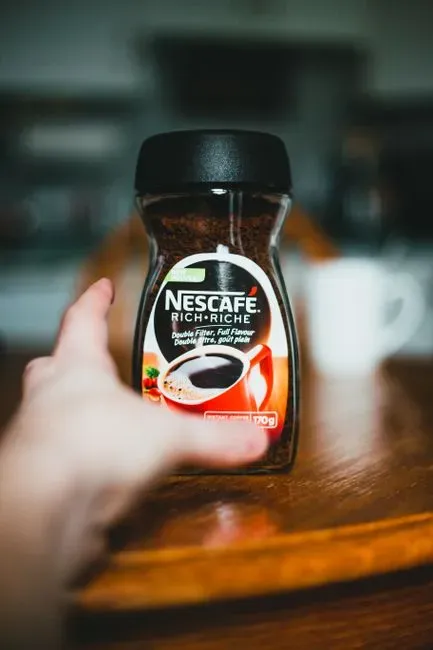
8. Instant Coffee and Powdered Drink Mixes (Image Credits: Pexels)
Baby Boomers prefer to drink their coffee at home and rarely seek it at coffee shops or on the go. For younger consumers, daily coffee is more of a ritual, completely curated and customized. Part of the generational divide may come down to the fact that Boomers prefer stability and savings, while younger consumers value different experiences paired with convenience. A jar of instant coffee or a packet of powdered lemonade fits that Boomer preference for reliable, low-effort, low-cost hydration.
Gen Z spends more on takeout and delivery than other age groups, averaging about $36 per order, compared to Boomers' $26. That same willingness to spend extends to beverages. Gen Z sees a $6 matcha latte or a functional electrolyte drink as a better investment than a tin of instant coffee. According to a Statista report, roughly seven in ten Gen Z respondents identify TikTok as their most valuable platform for food and drink recommendations, and no trending beverage on that platform has ever been a spoonful of brown powder dissolved in hot tap water.
The story these eight foods tell isn't really about taste. It's about what different generations believe convenience is supposed to cost them, in dollars, in nutritional trade-offs, and in the kind of meal experience they feel they deserve. Boomers built genuine loyalty around products that delivered reliability and ease at a time when those qualities felt like real progress. Gen Z inherited a food landscape so saturated with options that the old shortcuts no longer look like shortcuts at all. Neither position is wrong. They're just shaped by entirely different worlds.