
There's a particular moment when a design trend stops being a runway concept and starts showing up in ordinary living rooms, the kind you'd actually recognize from a friend's house rather than a magazine spread. That's roughly where 2026 finds itself. Nothing here is loud or demanding attention through spectacle. Instead, these eight shifts have been creeping into homes gradually, through small choices that add up to something distinct.
Decorative Wall Plates Making a Comeback in Every Room
Decorative Wall Plates Making a Comeback in Every Room (Image Credits: Pexels)
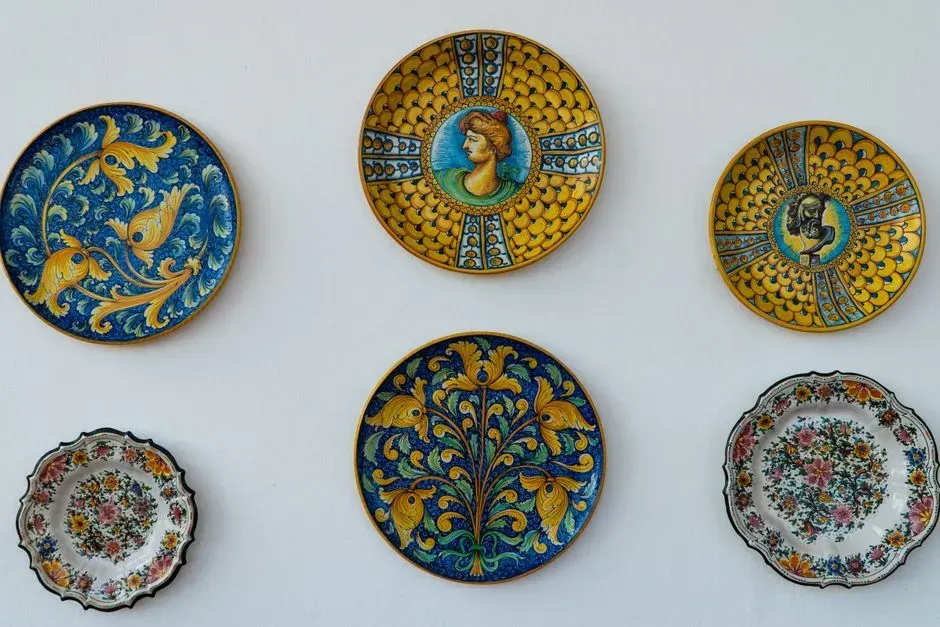
Plate walls used to live strictly in dining rooms, arranged with museum-like precision above a sideboard. That’s changed. This was definitely a trend of 2025, but it seems to be growing with full force, and almost every room on design feeds now has wall plates, including kitchens, dining rooms, living rooms, bedrooms, and bathrooms.
What makes the look appealing is how personal it feels compared to a single framed print. This decor trend completely transcends almost every style, and it’s a fairly easy way to make a room feel uniquely decorated because no two plated walls are the same. Some homeowners keep the arrangement tightly uniform, while others let mismatched patterns and eras collide on purpose.
Thicker, Vintage-Style Picture Frames Replacing Thin Minimalist Ones
Thicker, Vintage-Style Picture Frames Replacing Thin Minimalist Ones (Image Credits: Pexels)
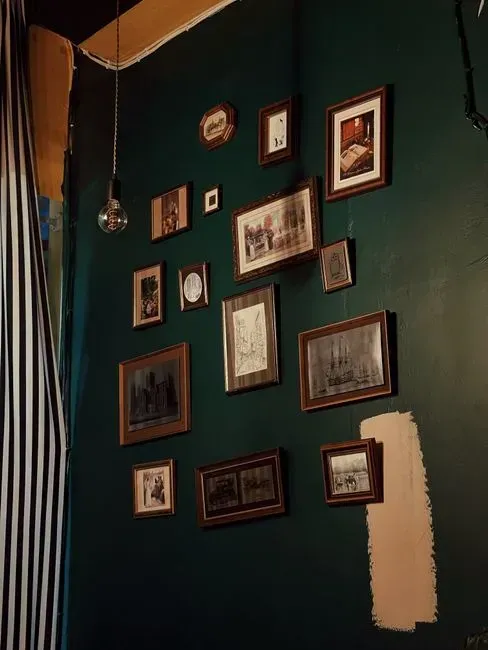
For years, the safe choice in framing has been the thin, almost invisible metal edge, often paired with float mounting to keep the focus entirely on the artwork. That preference is starting to loosen. Design has heavily favored thin, delicate frames with lots of float mounting, but given that elevated English cottage style is still going strong, thicker, vintage frames are coming back in a big way.
The shift makes sense once you consider what else is happening in home styling this year. Rooms are leaning into warmth and history rather than sleek restraint, and a substantial gilded or carved wood frame reads as collected rather than curated. It’s a small swap, but it changes the entire feel of a gallery wall or single statement piece.
Fringe, Tassels, and Trim Details Returning to Soft Furnishings
Fringe, Tassels, and Trim Details Returning to Soft Furnishings (Image Credits: Pexels)
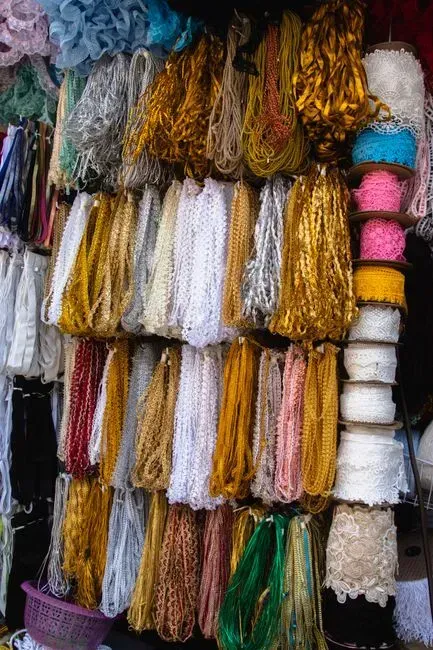
Passementerie, the decorative trims once reserved for formal drapery and antique furniture, is having a genuine resurgence. At WOW!house 2026, fringe, tassels, and trims were back, quietly adding interest to sofas, drapes, throw pillows, and even furniture. One standout room even placed tassels and passementerie on bolster cushions, blinds, and, unexpectedly, hanging from glass wall sconces.
The trend also signals a shift away from last year’s dominant silhouette. Fringe is now replacing last year’s major trend for skirted sofas, showing up in serene sea-blue rooms and other layered spaces that also feature tassels on the drapes. It’s a texture-forward detail that adds richness without requiring a full furniture overhaul.
Sculptural, Curved Furniture Taking Over from Boxy Shapes
Sculptural, Curved Furniture Taking Over from Boxy Shapes (TheLivingRoominKenmore, Flickr, <a href="https://creativecommons.org/licenses/by/2.0/" target="_blank" rel="noopener">CC BY 2.0</a>)
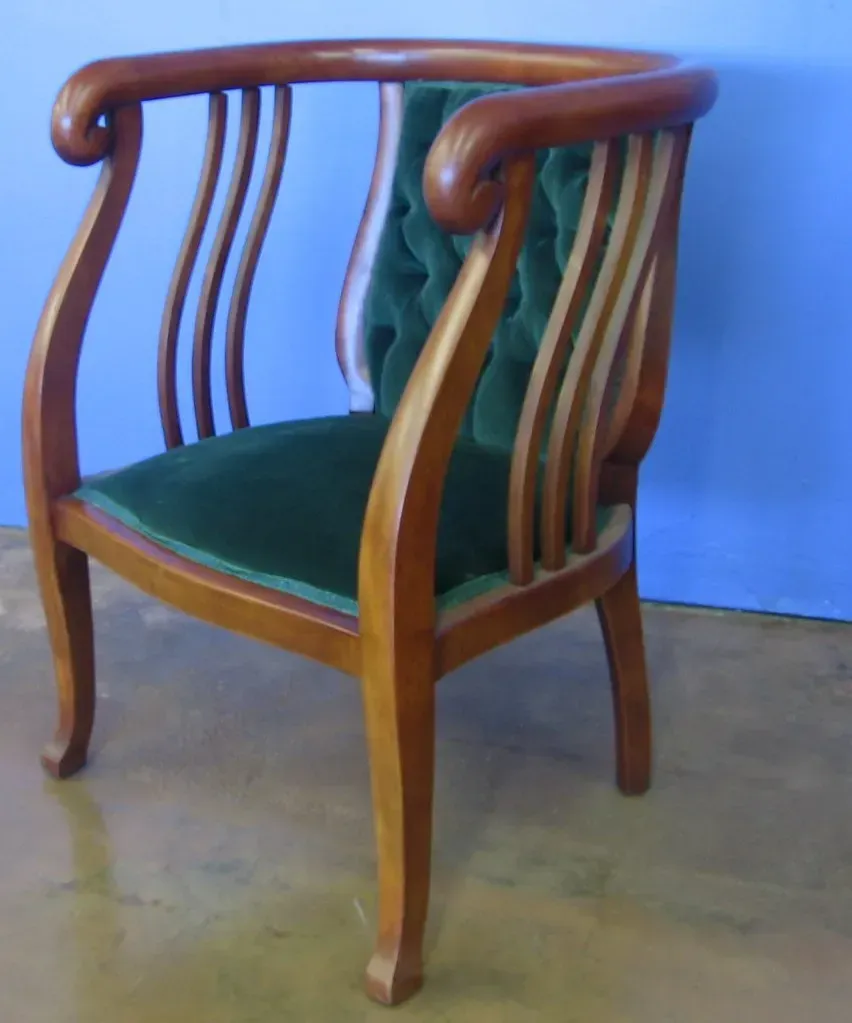
Sharp angles and rigid silhouettes are giving way to something softer this year. Sculptural and organic shapes are becoming a key design trend for 2026, adding softness, movement, and artistic flair to interiors as homeowners favor flowing lines over sharp, boxy furniture. This isn’t limited to sofas either.
The rounded aesthetic is spreading into architectural details and smaller accessories alike. Curved sofas, rounded kitchen islands, arched doorways, circular tables, and sculptural lighting are now common features in modern decor, creating a gentle visual flow that softens a room’s overall feel. Even decorative objects are following suit, with handcrafted ceramics or carved wooden bowls enhancing this expressive style.
Wallpaper Returning as a Core Design Feature, Not an Afterthought
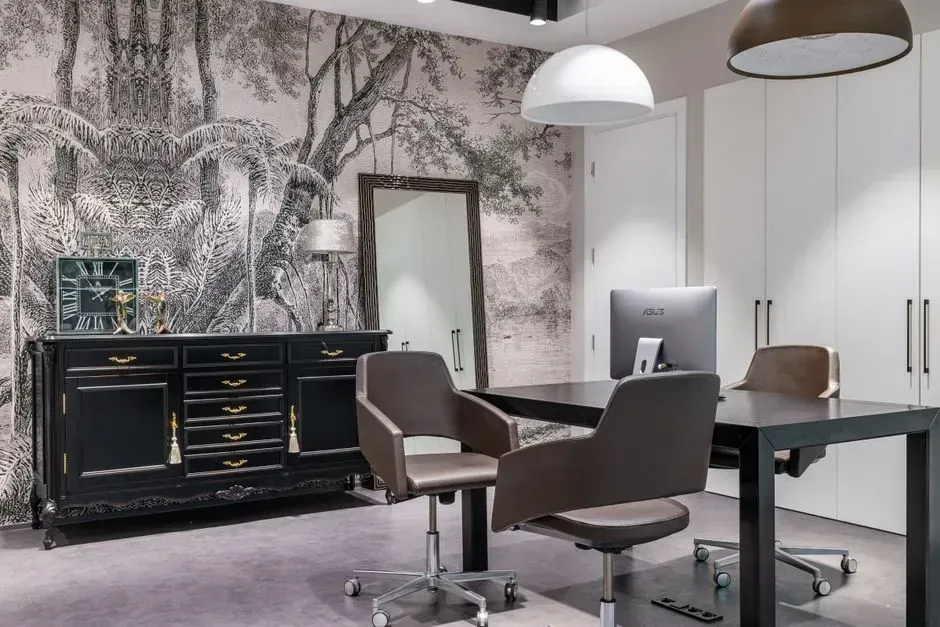
Wallpaper Returning as a Core Design Feature, Not an Afterthought (Image Credits: Pexels)
Wallpaper spent a long stretch as an optional flourish, something added only after the paint colors and furniture were locked in. That hierarchy has flipped. Wallpaper continues its comeback in a major way in 2026, once considered a decorative extra but now used as a core design feature that establishes mood and personality within a room.
The range of patterns being used has also expanded well beyond simple florals. Designers are incorporating botanical prints, textured grasscloth, soft murals, micro-patterns, and wallcoverings that mimic natural materials such as plaster, linen, or stone. It’s a low-effort way to introduce texture and narrative into a room that might otherwise rely entirely on furniture and lighting.
Moody, Earthy Color Palettes Replacing Gray and Cool Beige
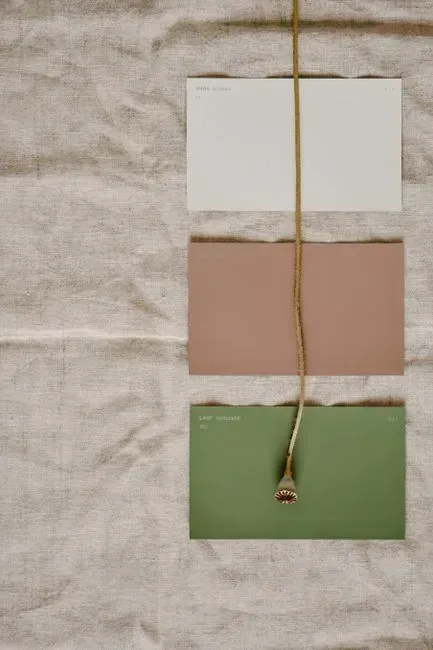
Moody, Earthy Color Palettes Replacing Gray and Cool Beige (Image Credits: Pexels)
Cool gray had a long run as the default neutral, but 2026 has shifted decisively toward warmth. Cold minimalism, typically marked by gray shades, is giving way to warmer colorations with nature-inspired palettes, from deep greens to earthy tones like sand, ochre, terracotta, and warm browns. Designers describe this less as a passing color fad and more as a broader recalibration of what feels comfortable to live with.
Layering is central to how these tones are being used. Palettes are trending toward layered neutrals, earthy greens, warm browns, and mineral tones like clay, oxblood, and deep blue, with tonal spaces where walls, millwork, and textiles sit within the same color family to create depth and calm. The effect reads as intentional rather than flat, even in rooms that stick to a single dominant hue.
Color Capping and Painted Ceilings as an Intentional Design Choice
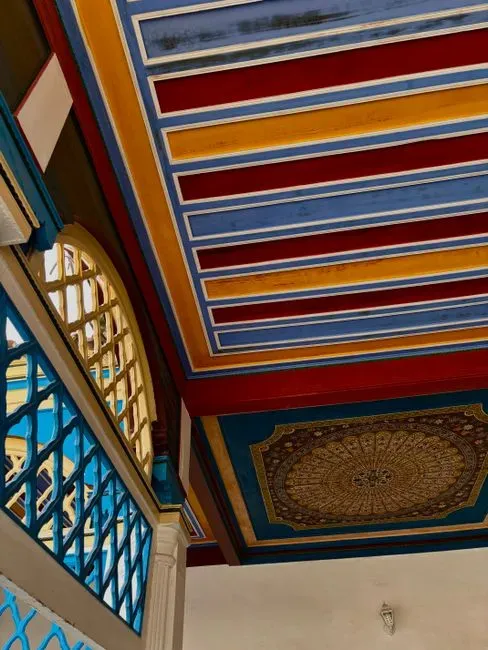
Color Capping and Painted Ceilings as an Intentional Design Choice (Image Credits: Pexels)
The ceiling has quietly become one of the more experimented-with surfaces in a room this year. Walls in 2026 are no longer seen as a mere background but as an integral part of the decor, and colour capping, a technique that uses intense colors on ceilings, creates a warm effect that transforms the entire space of a room. It’s a technique that costs relatively little compared to a full renovation but changes how a room feels almost instantly.
This idea pairs naturally with the broader monochromatic movement gaining ground this year. Monochromatic rooms are back, but not the way they used to look, with the trend now about pushing boundaries within a single color family, such as a room done entirely in blues ranging from navy velvet to powder blue silk to steel bluish-gray metallics. The result feels considered without tipping into visual chaos.
Heirloom-Style Textiles Bringing a Collected, Handed-Down Feel
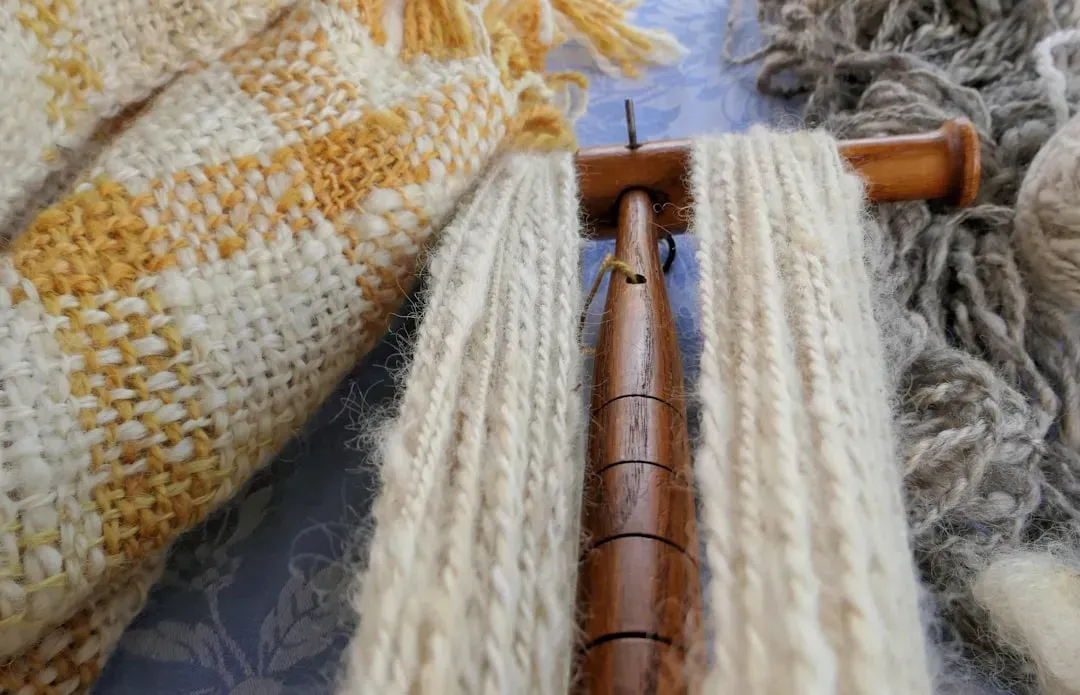
Heirloom-Style Textiles Bringing a Collected, Handed-Down Feel (Image Credits: Unsplash)
There’s a growing appetite for textiles that look like they’ve been passed down rather than picked up last week. Designers working in this space are known for pieces that feel timeless, and the description of “heirloom” reflects exactly what these textiles are meant to evoke. The look extends well past the bed itself.
Homeowners are finding creative ways to stretch a single fabric across multiple surfaces in a room. These textiles don’t have to live only on a bed, since they’re pretty enough to hang on walls too, or use as headboard fabric. It’s a quiet nod to permanence in a design year that, overall, favors things that feel lived in rather than freshly unwrapped.
None of these eight trends demand a full renovation or a five figure budget to notice. A vintage frame here, a color-capped ceiling there, maybe a cluster of mismatched plates on a kitchen wall. That’s really the throughline for 2026: small, considered choices that add up to a home that feels collected rather than staged.