
Most people think their electricity bill is simply a reflection of how many appliances they own. The truth is a little more unsettling. The habits you repeat every single day, often without a second thought, have a far greater impact on what you pay each month than the appliances themselves. A family with an older fridge and smart daily habits can easily outperform a household packed with brand-new devices used carelessly.
We are living in a moment where energy prices are climbing steadily. The average residential price of electricity has risen from 13.72 cents per kilowatt-hour in July 2021, to 16.61 cents in July 2024, and to 17.47 cents in July 2025. That kind of increase makes behavioral habits matter even more than they did just a few years ago. So before you assume it is all about your old HVAC unit, let us look at the eight everyday habits that are quietly shaping your household consumption. Let’s dive in.
1. Leaving Devices on Standby Mode

1. Leaving Devices on Standby Mode (Image Credits: Unsplash)
Here's the thing about standby power: it is one of the most invisible and persistent drains on household electricity, and almost nobody talks about it enough. Phantom power, also called standby power, refers to the energy that is wasted around your home when devices are plugged in and using power, but you are not actively using them. Your television, game console, microwave with the blinking clock, and that old coffee maker on the kitchen counter are all part of this quiet drain.
The average home has dozens of items plugged in at any given time, and roughly three quarters of the electricity these devices consume is used when they are not even on. Standby power accounts for roughly five to ten percent of residential energy use, and energy vampires could cost the average household up to $183 per year. Honestly, that is a remarkable amount to spend on devices that are technically "off."
2. Thermostat Habits and Temperature Setbacks
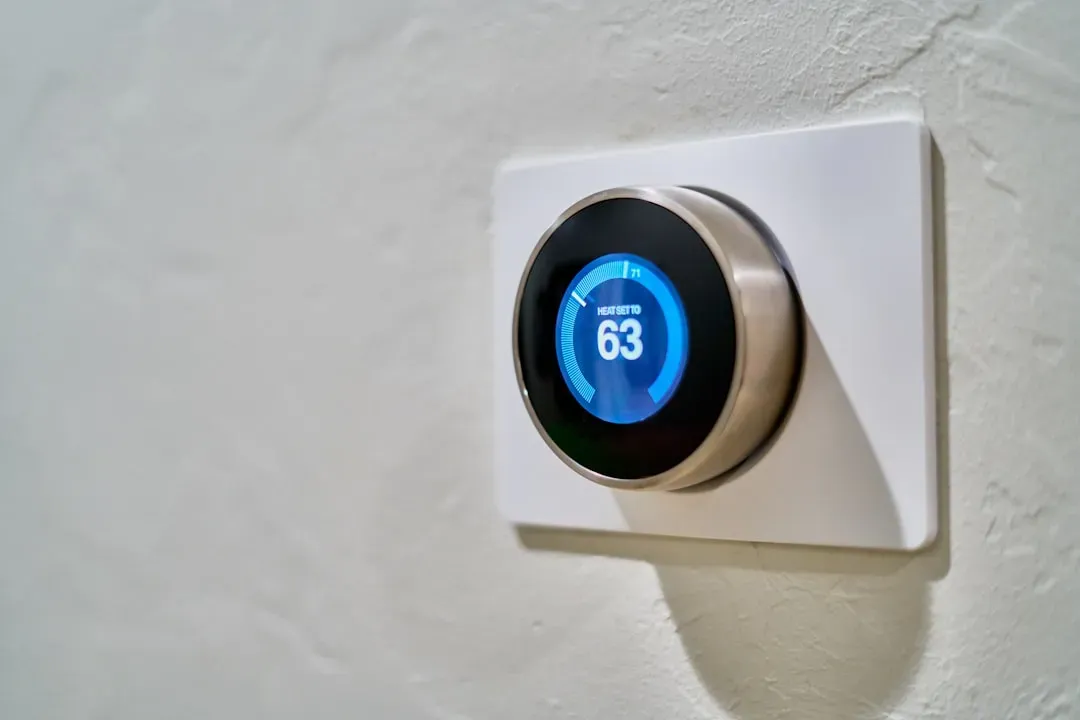
2. Thermostat Habits and Temperature Setbacks (Image Credits: Unsplash)
Few habits affect a household's energy bill as directly as how you manage your thermostat. Heating and cooling make up 52% of the energy costs in the average American household, according to the U.S. Energy Information Administration. That is more than half of your entire bill, which makes thermostat behavior one of the highest-leverage habits you can change.
You can save as much as 10% a year on heating and cooling by simply turning your thermostat back 7 to 10 degrees Fahrenheit for 8 hours a day from its normal setting. This works whether you are asleep or away from home. Smart thermostats take this further with a dynamic, automated approach, with many models learning your habits, detecting occupancy through sensors, and intelligently adjusting heating and cooling to optimize energy usage without manual input. For anyone still manually adjusting an old dial thermostat, the upgrade potential here is enormous.
3. Running the Washing Machine with Hot Water
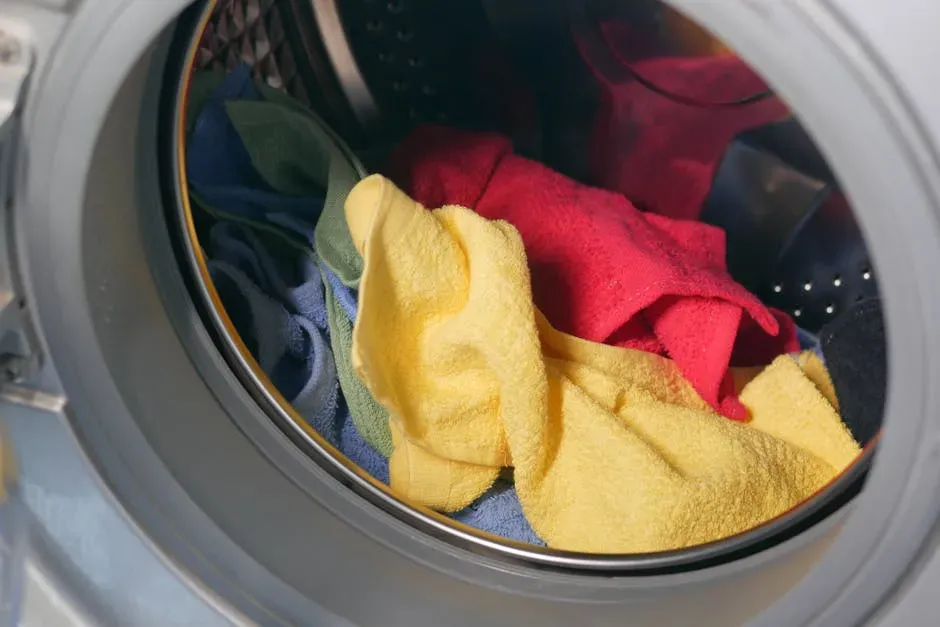
3. Running the Washing Machine with Hot Water (Image Credits: Pexels)
This one surprises a lot of people. When you picture a washing machine consuming energy, you probably imagine the motor spinning the drum. The reality is quite different. Water heating consumes about 90% of the energy it takes to operate a clothes washer. Unless you are dealing with oily stains, washing in cold water will generally do a good job of cleaning, and switching your temperature setting from hot to warm can cut energy use in half.
The average American family washes about 300 loads of laundry each year. Think about that number for a second. Three hundred opportunities to either waste hot water energy or skip it entirely. Unlike clothes dryers, clothes washers use about the same amount of energy regardless of the size of the load, so running full loads whenever possible is also a key habit. These two changes alone, cold water and full loads, can meaningfully reduce what the laundry room costs you each year.
4. Lighting Habits and Bulb Choices
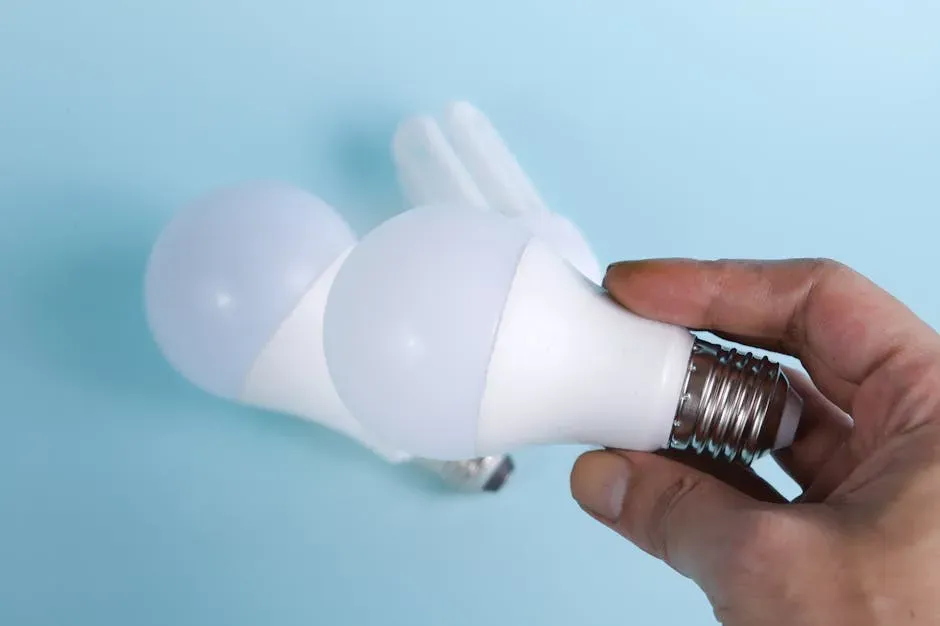
4. Lighting Habits and Bulb Choices (Image Credits: Pexels)
Lighting might feel like a small slice of your energy pie, but that slice gets a lot bigger when you still have incandescent bulbs scattered around the house. Switching to LED lighting delivers roughly a 75% reduction in lighting energy use. That is not a marginal improvement; that is a transformation. Think of it like upgrading from a car that gets 15 miles per gallon to one that gets 60.
Making it a habit to switch off lights in unoccupied rooms helps lower your electric bill in a simple, direct way. It sounds obvious, but honestly, most households have at least one room where lights burn for hours with no one in it. Using task lighting, meaning focusing light only where you need it in workspaces or reading areas, can conserve energy without sacrificing comfort. These are not dramatic sacrifices, just small course corrections that stack up over a year.
5. How You Use the Clothes Dryer
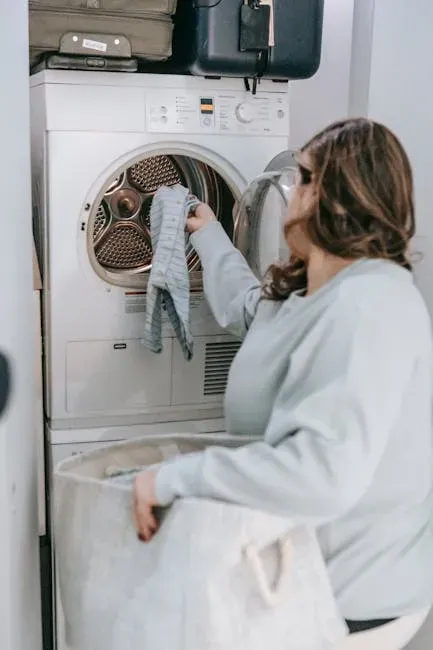
5. How You Use the Clothes Dryer (Image Credits: Pexels)
The clothes dryer is one of the most energy-hungry appliances in any home, and yet very few people think about how they use it. The dryer does not care whether it is drying three items or a full load; it runs at full power either way. Your washer and dryer will use about the same amount of energy no matter the size of the load, so it is better to fill it up. Running half-empty loads is genuinely one of the more costly household habits going.
Air drying instead of machine drying is the biggest single step you can take in the laundry room, and air drying cuts a load of laundry's carbon usage by about 75%. Even doing this occasionally on sunny days makes a meaningful difference. For those still using a dryer regularly, ENERGY STAR certified heat pump dryers can save 20 to 60 percent more energy than conventional clothes dryers. That is a staggering range of potential savings sitting inside a single appliance choice.
6. Peak-Hour Energy Use
6. Peak-Hour Energy Use (Image Credits: Pexels)
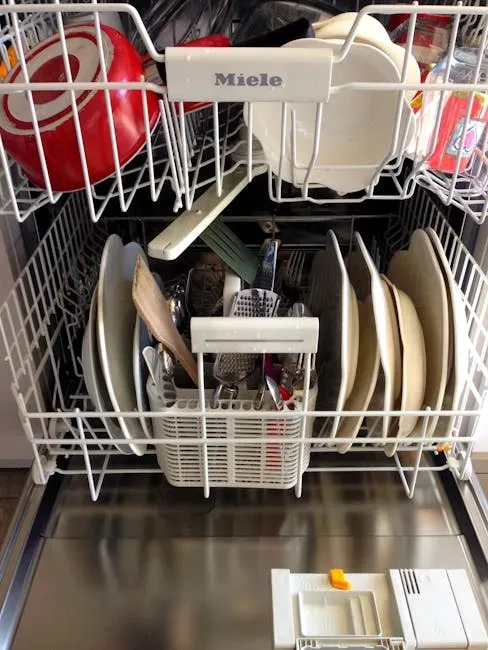
Most people run their dishwasher, do laundry, and crank up the oven right after they get home from work. This is totally understandable. It is also one of the most expensive times to do all of those things. In many countries, electricity demand typically peaks in the evening, driven largely by residential demand. Utility companies often charge more during these high-demand windows, especially on time-of-use rate plans.
Reducing or shifting household activities away from the evening peak period can increase the proportion of electricity generated from renewable sources, which is good news for anyone who cares about more than just their bill. Habits like running the dishwasher before bed, doing laundry early in the morning, or using delay-start settings on appliances are genuinely effective. Running full dishwasher loads during off-peak hours and turning off the heat-dry function also saves electricity in a straightforward, repeatable way.
7. Water Heater Temperature Settings
7. Water Heater Temperature Settings (Image Credits: Pexels)
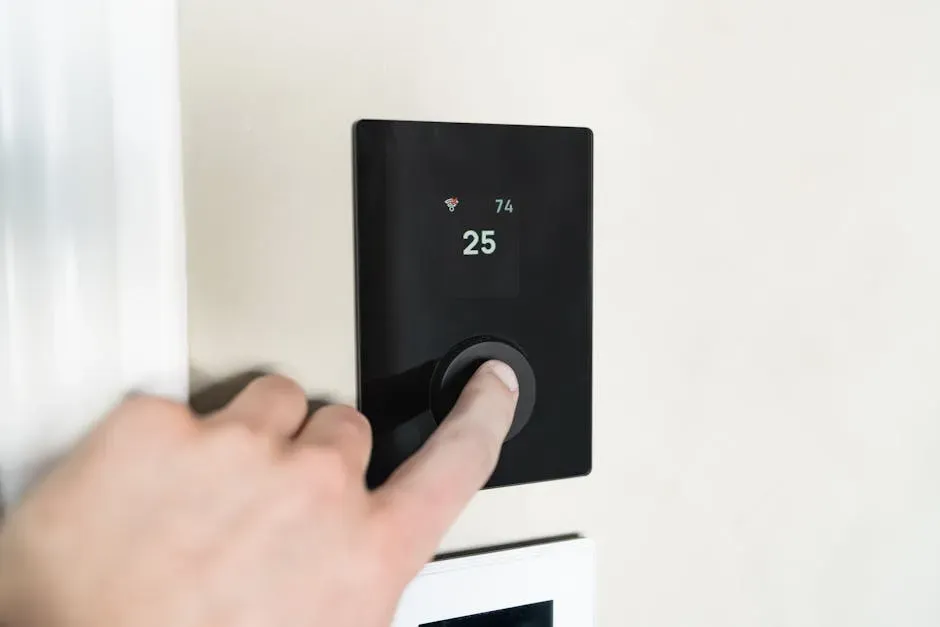
It is hard to say for sure how many households know their water heater has a temperature dial, but the number is probably lower than it should be. Many water heaters are shipped from factories set at 140 degrees Fahrenheit when most households simply do not need water that hot. Turning the thermostat on your water heater down to 120 degrees Fahrenheit is a sensible adjustment, since most water heaters are set at 140 degrees when 120 degrees is sufficiently hot for most household needs.
Water heating accounted for about 12% of residential electricity consumption in the U.S. in 2020. That is a meaningful chunk, and the habit of keeping the water heater cranked up all day and night, even when nobody is home, is quietly expensive. Pairing a lower temperature setting with a water heater timer, so the unit only heats water during hours you actually use it, is a combination that genuinely compounds your savings without any sacrifice in comfort.
8. Appliance Efficiency and Usage Patterns Together
8. Appliance Efficiency and Usage Patterns Together (Image Credits: Unsplash)
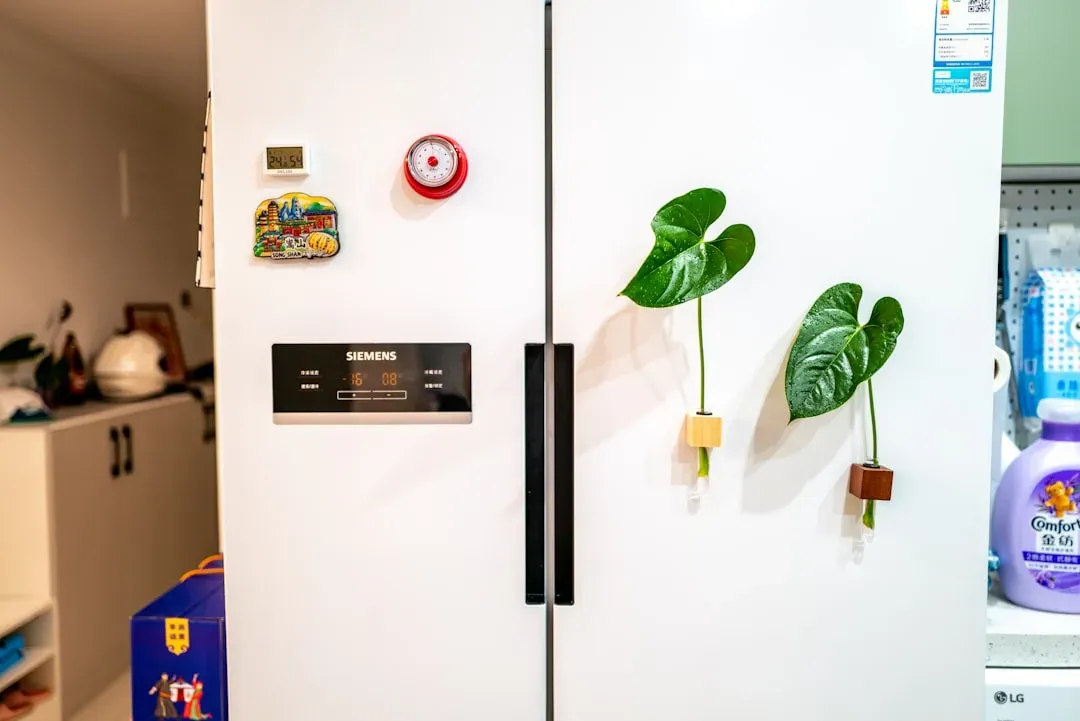
Let us be real: owning an energy-efficient appliance means very little if you use it carelessly. The refrigerator is a perfect example. It runs around the clock, every day of the year, making it one of the most consistent energy consumers in any home. Older models of refrigerators, water heaters, and clothes dryers consume far more power than ENERGY STAR-certified alternatives, and leaving devices on standby, using incandescent bulbs, and running dishwashers or washing machines with partial loads all inflate monthly bills.
Smart home technologies, such as programmable thermostats and energy monitors, empower families to track real-time usage and adjust behaviors instantly. The real power comes from combining smarter appliances with smarter habits. Enhancing residential energy efficiency is regarded as a pivotal means to mitigate energy costs and reduce emissions. It is not about buying all new everything overnight. It is about understanding which habits are costing you the most and changing those first, whether you rent, own, or live in a space half the size you wish you had.
Energy consumption at home is really a story about daily choices repeated hundreds of times a year. Between March 2024 and January 2025, average household electricity consumption increased slightly, reflecting broader changes in how we live and use energy at home. The habits above are not dramatic lifestyle overhauls. They are small recalibrations that, taken together, can slice a meaningful portion off your annual bill. The question worth sitting with is this: which of these eight habits are you still repeating every day without thinking about it?
What do you think about it? Which habit surprised you most? Tell us in the comments.