
There’s a quiet tension building in how families spend their free time. The things that were once supposed to feel restorative – a national park road trip, a day at a theme park, weekend soccer tournaments – are increasingly leaving parents and kids exhausted, frustrated, or simply dreading the experience before it even starts. Crowds are larger, prices are higher, and the psychological weight of constantly organizing, booking, and performing quality family time has started to show.
Across several popular family pastimes, two overlapping forces are causing real strain: physical overcrowding at popular destinations and an emotional burnout that builds slowly from overscheduling and the pressure to do everything right. Neither problem is trivial, and neither is going away soon.
1. National Park Visits

1. National Park Visits (Image Credits: Unsplash)
The National Park Service recorded 331.9 million recreation visits in 2024, smashing the previous all-time record. That staggering number has consequences that families feel on the ground. Overall visitation is increasing throughout most of the system, and while significant congestion is concentrated in the most-visited parks, other parks with lower annual visitation have also experienced congestion and traffic issues in recent years.
The U.S. Department of the Interior has lifted timed-entry reservation requirements at three of the country's most congested destinations: Yosemite, Arches, and Glacier National Parks. The National Parks Conservation Association warned that without any constraints in place, visitors to Arches can expect traffic jams, packed parking lots, and crowded trails. For families who drove hours to stand in a car queue or circle a full parking lot, what should be a highlight of the year increasingly feels like an ordeal.
2. Theme Park Trips

2. Theme Park Trips (Image Credits: Flickr)
Theme parks remain a cornerstone of family vacations, but the experience has shifted considerably. The fundamental issue with destination parks becoming unaffordable has grown, and while using pricing tools to reduce overcrowding has achieved some financial success, these measures have alienated many potential customers. Families report that the gap between the dream and the reality of a theme park day has never felt wider.
Walt Disney World's Magic Kingdom led the list of the world's most visited theme parks in 2024. Yet the experience on the ground tells its own story. Queue times are widely reported as excessive, and Magic Kingdom in particular is consistently overcrowded. Add the cost of skip-the-line passes on top of already expensive tickets, and many families find the whole thing exhausting long before they've made it to the parking lot.
3. Youth Sports Programs

3. Youth Sports Programs (Image Credits: Unsplash)
Nearly 1 in 10 youth athletes report burnout, and 70% quit organized sports by age 13, according to a 2024 report by the American Academy of Pediatrics. The culture of youth sports has shifted from recreational participation toward a professionalized, year-round grind that places enormous pressure on children and their families. Excessive training volume and overscheduling are identified as two key risk factors for burnout, and research finds it has become more common to see young athletes participate on multiple teams at the same time, training year-round.
In 2024, the average family spent over $1,000 per child on their main sport, a 46% increase over five years, according to the Aspen Institute. The financial pressure compounds the emotional weight, as parents feel obligated to justify the cost by pushing for results. With back-to-back practices, weekend tournaments, and travel commitments, young athletes are at risk of overexertion and burnout, and constantly pushing their bodies to the limit can lead to injuries, fatigue, and a loss of passion for the sport they once loved.
4. Organized Extracurricular Schedules

4. Organized Extracurricular Schedules (Image Credits: Pexels)
The problem goes beyond sports. In today's fast-paced world, many parents feel pressure to enroll their children in multiple extracurricular activities, including sports, music lessons, and academic clubs, and while these activities offer valuable skills, overscheduling can have unintended consequences – a child juggling too many commitments may experience stress, exhaustion, and even burnout. The packed weekly calendar has become a kind of status symbol that is hard for many families to step back from.
The issue is with how early extracurriculars ramp up, crowding out the downtime needed for free play and creativity, and how quickly they are packaged as resume-builders instead of messy, joyful exploration. Overscheduling can have an impact on schoolwork, family time, sleep, injury, and burnout. What begins as an effort to enrich a child's life can quietly become a source of chronic family stress.
5. Family Holiday Travel
5. Family Holiday Travel (Image Credits: Unsplash)
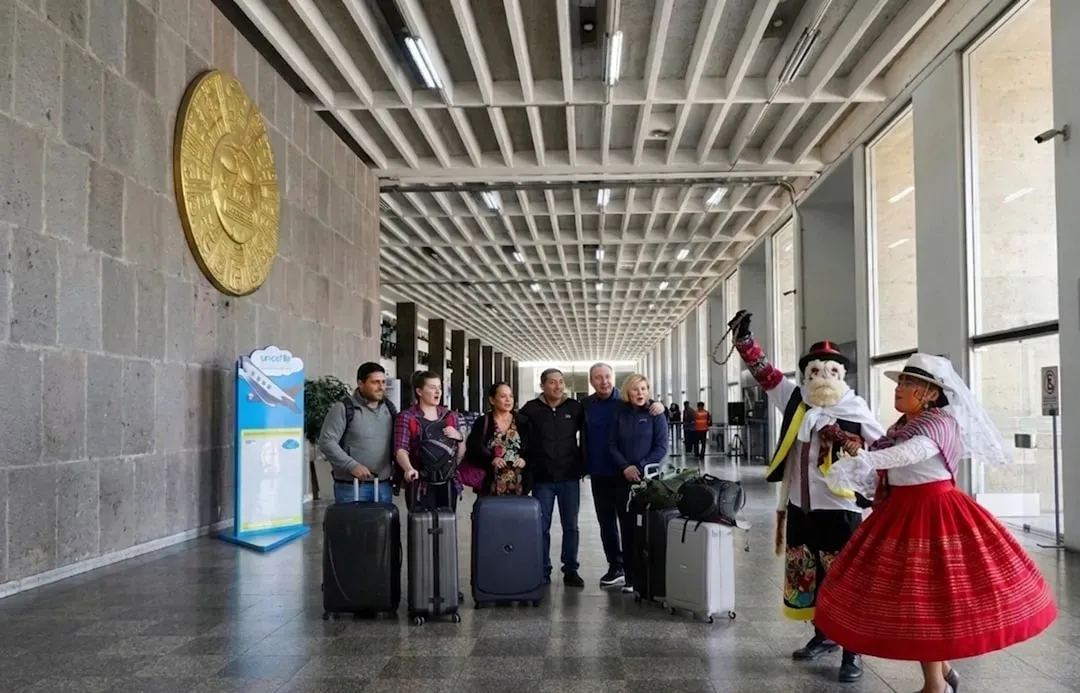
Holiday travel has always been hectic, but the crowding at airports, popular destinations, and resort towns during school breaks has intensified significantly in recent years. Many parks and destinations that used to experience a distinctive and quieter off-season no longer have one, as visitation numbers have largely remained steady or fluctuate only slightly in what used to be the shoulder season. The practical effect is that there is no longer a smart time to escape the crowds – peak season has effectively stretched year-round at popular spots.
The organizational burden of holiday travel falls heavily on parents, particularly mothers. Today's parents are putting more time into child care and work than they were two decades ago, according to the U.S. Surgeon General's 2024 advisory. On average, mothers handle roughly 71 percent of household mental load tasks. Planning a family holiday trip sits squarely within that invisible labor, and doing it for a destination that delivers crowded misery instead of rest only sharpens the frustration.
6. Camping and Outdoor Recreation

6. Camping and Outdoor Recreation (Image Credits: Pixabay)
Camping was once a relatively accessible escape for families seeking something quieter and more affordable than resort travel. That has changed. The demand for campground reservations surged dramatically, with bookings up nearly three quarters across the national park system heading into Memorial Day compared with 2019. Competition for sites at popular campgrounds now resembles trying to buy concert tickets, with reservations disappearing within minutes of opening.
Parks like Acadia have implemented timed-entry reservation systems that have helped somewhat, but parking lots still fill by 9 a.m. in July and August. For families who can only travel during school holidays, the timing flexibility required to avoid the worst of it simply doesn't exist. The result is that camping, once synonymous with simplicity, now requires months of advance planning and a dose of luck.
7. Weekend Family Dining and Entertainment Venues

7. Weekend Family Dining and Entertainment Venues (Image Credits: Pexels)
Family-friendly restaurants, indoor play spaces, trampoline parks, and entertainment venues have seen demand swell well beyond their comfortable capacity on weekends. The rise of experience-based outings as a family bonding ritual – driven in part by social media – has concentrated foot traffic into the same locations at the same times. Long waits, noise levels, and frazzled staff have become the norm rather than the exception at popular spots.
If a family activity is so physically and mentally draining that parents can't enjoy the time, it may be a sign of deeper burnout setting in. A simple pizza dinner or an afternoon at a play center should not feel like a logistical operation, but for many families navigating wait lists and sensory overload in overcrowded venues, it increasingly does. The gap between what these outings promise and what they actually deliver has become a significant source of parental disillusionment.
8. School-Year Parenting in General

8. School-Year Parenting in General (Image Credits: Pexels)
Perhaps the most pervasive strain isn't tied to any single activity but to the cumulative load of managing family life during the school year. Parental burnout, which includes emotional exhaustion, emotional distance, and feeling fed up with parenting, is a chronic and potentially debilitating stress condition that has become highly prevalent in Western countries. It doesn't arrive suddenly. Parental burnout is a developmental process that starts with exhaustion, which then catalyzes the development of all other symptoms.
Left unchecked, parental burnout can strain parent-child relationships, lead to behavioral and emotional problems in kids, and create unhealthy coping mechanisms in families. Children are also not immune: kids and teens are coming home from school exhausted, snapping over small things, or pulling away from activities they once loved, and with academic demands, packed schedules, social pressure, and limited downtime, many are carrying more than they can manage. The school-year calendar, stuffed with obligations from every direction, has made ordinary family life feel like a marathon with no finish line in sight.
What these eight activities share is a common thread: the cumulative effect of doing too much, in too many crowded spaces, with too little time to simply breathe. Families aren't failing at leisure. The structures around leisure have quietly made it harder to actually rest. Recognizing that pattern is, at the very least, a useful first step.