
Something has quietly shifted in homes across the world. Parents today are not simply raising their kids differently from their own parents – they’re rethinking the entire foundation of what childhood should look like. From how much screen time a child gets before kindergarten to whether a smartphone belongs in a ten-year-old’s pocket, the questions are sharper and more deliberate than ever before.
With the oldest members of Gen Z now at the helm of parenthood, a growing number of moms and dads are rethinking old rules and finding new ways to make raising kids work for them – blending different parenting styles, setting clearer boundaries without losing warmth, and getting serious about sharing the load at home. The eight trends below reflect that shift in real and measurable ways.
1. The Rise of Lighthouse Parenting

1. The Rise of Lighthouse Parenting (Image Credits: Pixabay)
Lighthouse parenting is gaining serious momentum among experts and families. As many parents grow weary of the extremes of hovering or stepping completely back, it offers a balanced, research-supported middle ground. At its core, lighthouse parenting is an intentional approach where parents act as reliable, visible beacons for their children – providing unwavering stability, modeling values, pointing out potential hazards, and letting kids steer their own course through life’s waters.
Lighthouse parenting was first cited in 2014 by pediatrician Kenneth Ginsburg. It sits somewhat in the middle between helicopter parenting and free-range parenting, with parents providing firm boundaries and emotional support while letting their children navigate their own challenges. As families seek a balance between the gentle parenting that sometimes lacked accountability and the overprotection of helicopter parenting, lighthouse parenting bridges the gap by prioritizing personal responsibility as well as emotional intelligence.
2. Hybrid Parenting Styles Replacing "Gentle Parenting"
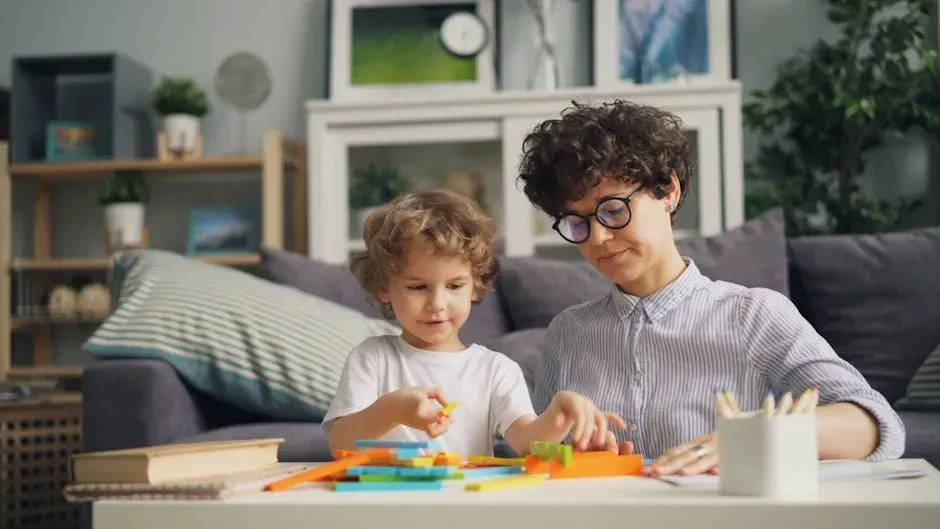
2. Hybrid Parenting Styles Replacing "Gentle Parenting" (Image Credits: Pexels)
Parents are increasingly stepping away from strictly “gentle parenting,” with Gen Z reporting that they often use a hybrid approach. There’s a quiet rebellion happening in living rooms across the country. What started as a loving, empathetic response to authoritarian parenting styles of the past has come to feel like an emotionally exhausting performance for many.
A study published in a 2024 issue of PLoS One found that one-third of those who identified as “gentle parents” expressed doubts about their parenting abilities and experienced feelings of burnout. Part of the problem is that people confuse “gentle” with being overly permissive in every moment – an impossible standard that sets parents up for failure, experts have noted. The result is a growing preference for balanced approaches that hold warmth and firmness together, rather than treating them as opposites.
3. Delaying Smartphones and Social Media Access

3. Delaying Smartphones and Social Media Access (Image Credits: Unsplash)
Across the country, school phone bans moved quickly in many states with the start of the 2025-2026 school year. In December 2024, Australia became the first country to ban social media for kids until age 16, with other countries like Denmark considering similar restrictions. Children’s use of technology is one of parents’ top concerns, and communities of parents are getting together to delay their children’s access to technology – a trend fueled in 2024 by Jonathan Haidt’s book “The Anxious Generation.”
Research shows that delaying access to smartphones can boost mental health and emotional resilience, foster face-to-face connections and real-life skills, and protect kids from the pressures of social media and cyberbullying. The momentum is accelerating efforts to delay smartphones, restrict social media for kids, and prioritize play-based childhoods. It’s one of the most coordinated parental movements in recent memory.
4. The Analog Childhood Revival

4. The Analog Childhood Revival (Image Credits: Pixabay)
For some parents, “going analog” further supports a play-based childhood and pushes back against the ever-growing world of AI and the dark corners of the internet. Families are choosing old-school entertainment, like opting for VHS players instead of streaming services and buying landlines instead of smartphones to connect with friends and family members. Going analog is emerging as a major 2026 lifestyle trend – from board games and puzzles to landlines and VHS players, families are embracing analog tools to create boundaries, reduce overstimulation, and support healthier childhood development.
Parents are seeing the value in allowing their children downtime. In moments of unstructured play, children tap into their creativity, problem-solving skills, and emotional intelligence. Free play helps children invent, imagine, and test boundaries in ways no digital tool can provide. The appeal isn’t nostalgia exactly – it’s a recognition that boredom, for children, is actually productive.
5. Teaching Financial Literacy from an Early Age
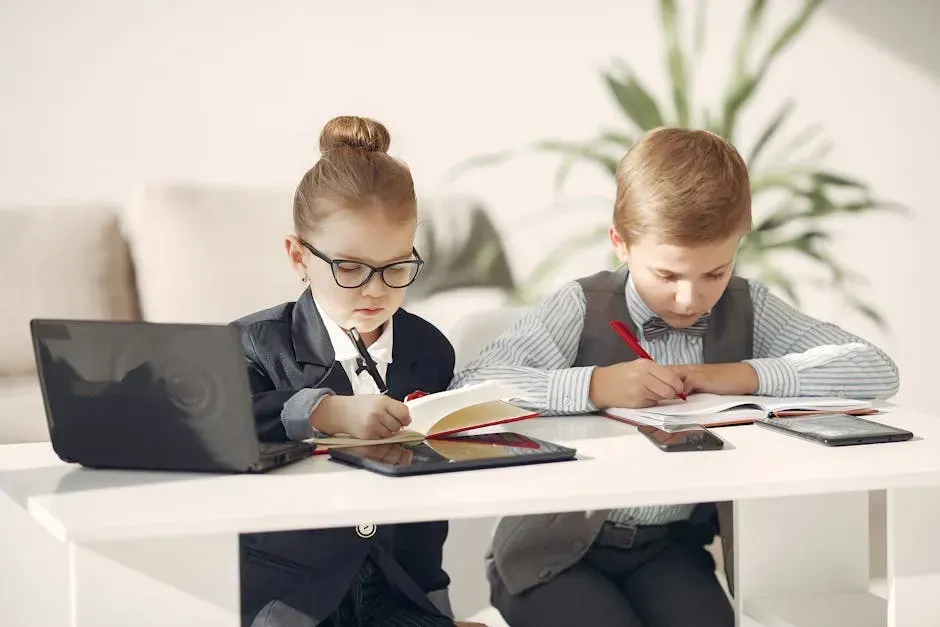
5. Teaching Financial Literacy from an Early Age (Image Credits: Pexels)
Teaching kids about money is no longer just a school activity. Parents are prioritizing financial literacy at home, with apps, games, and subscription programs helping children understand saving, spending, and budgeting from an early age. Kids aren’t just learning to count – they’re learning to budget, save, and make financial decisions early, with parents using apps and chore-based allowances to foster money sense and set the stage for smart adults.
Today’s children are learning about money from a young age. They understand what things cost and what it takes to earn a living. Financial education is becoming a core part of parenting. Dual citizenships, multiple languages, visa planning, and even future real estate are now part of how some parents think about raising a child. It’s also common to open savings accounts for future use, often long before a child finishes school.
6. AI as a Parenting Support Tool

6. AI as a Parenting Support Tool (Image Credits: Unsplash)
AI is entering the parenting space in powerful ways. From apps that personalize learning for children with dyslexia or ADHD to smart assistants that remind kids to take breaks, drink water, or practice mindfulness, AI is supporting families like never before. The launch of new AI-powered apps can lighten the load by easing decision fatigue, streamlining schedules and tasks, whipping up meal plans, and even coming up with bedtime stories.
Experts caution that AI should never replace human connection, since parents provide warmth, empathy, and guidance – qualities no machine can replicate. Parenting trends show a clear pattern: while AI and technology can make family life easier, the most important lessons for children still come from real-life experiences. The consensus forming around AI in parenting is nuanced – use it as a tool, not a substitute.
7. Rethinking Sharenting and Children's Digital Privacy

7. Rethinking Sharenting and Children's Digital Privacy (Image Credits: Pexels)
Sharenting refers to the common practice of parents frequently sharing information, photographs, and videos of their children on social media platforms and other online forums. What once seemed like a harmless way to share family milestones with friends and relatives is now facing increased scrutiny. Research suggests the trend increased dramatically during the pandemic, and now some kids of parenting influencers are growing up and sharing their negative experiences.
The decline of widespread, unthinking sharenting reflects a deeper societal understanding: children are not merely extensions of their parents’ online identities but are separate individuals with their own inherent rights to privacy and autonomy. This perspective acknowledges that while infants and toddlers cannot give informed consent, their future selves might have strong feelings about a comprehensively documented childhood being publicly accessible. Research confirms that sharenting, motivated by emotional satisfaction and social validation, frequently neglects privacy risks, and such practices may compromise children’s autonomy, privacy, and digital identity.
8. Eco-Conscious and Sustainability-Focused Parenting
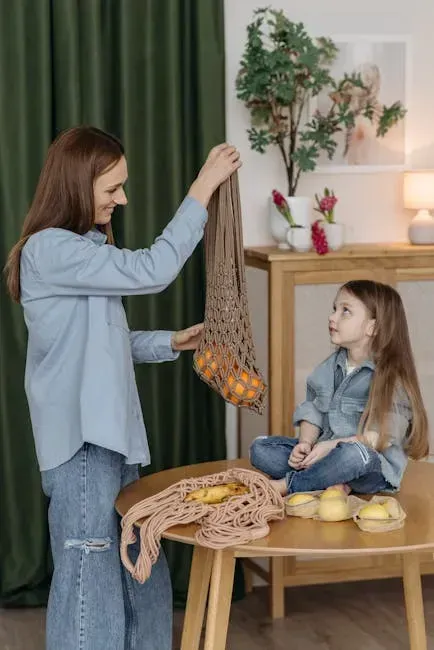
8. Eco-Conscious and Sustainability-Focused Parenting (Image Credits: Pexels)
Parents play a direct role in raising the environmental leaders of tomorrow. Simple steps – whether it’s gardening together to reduce food waste, explaining climate issues on walks, or choosing vacations focused on nature conservation – foster a sense of responsibility from an early age. Some families are taking it a step further with zero-waste parenting, carefully planning purchases, reusing items, and repurposing materials to reduce waste.
Climate resilience begins at home, where habits are formed and values are shaped. Parents now face the growing challenge of preparing their children for a future affected by environmental change, while also teaching them how to care for it. This means making small, intentional choices that add up – like choosing sustainable products, minimizing waste, gardening at home, or walking instead of driving short distances. It also means having honest conversations with kids about climate change in age-appropriate ways.
Taken together, these eight trends point toward something bigger than a collection of individual choices. They reflect a generation of parents actively questioning inherited assumptions about childhood – and arriving at a vision of raising kids that is less performative, more intentional, and far more honest about what children actually need to thrive.