
Clearing out a parent's home after they pass is rarely just about logistics. It's a strange mix of grief, exhaustion, and hundreds of small decisions made under pressure, often with siblings weighing in and a moving deadline looming. Estate professionals and grief counselors hear the same story again and again: something got tossed in the rush, and months or years later, someone wishes they'd kept it.
The items people regret losing aren't always what you'd expect. Sometimes it's not the jewelry or the furniture that matters most, but the ordinary paper trail of a life. Here's a closer look at the eight things that adult children most commonly wish they'd held onto.
1. Handwritten letters and cards
1. Handwritten letters and cards (Image Credits: Unsplash)
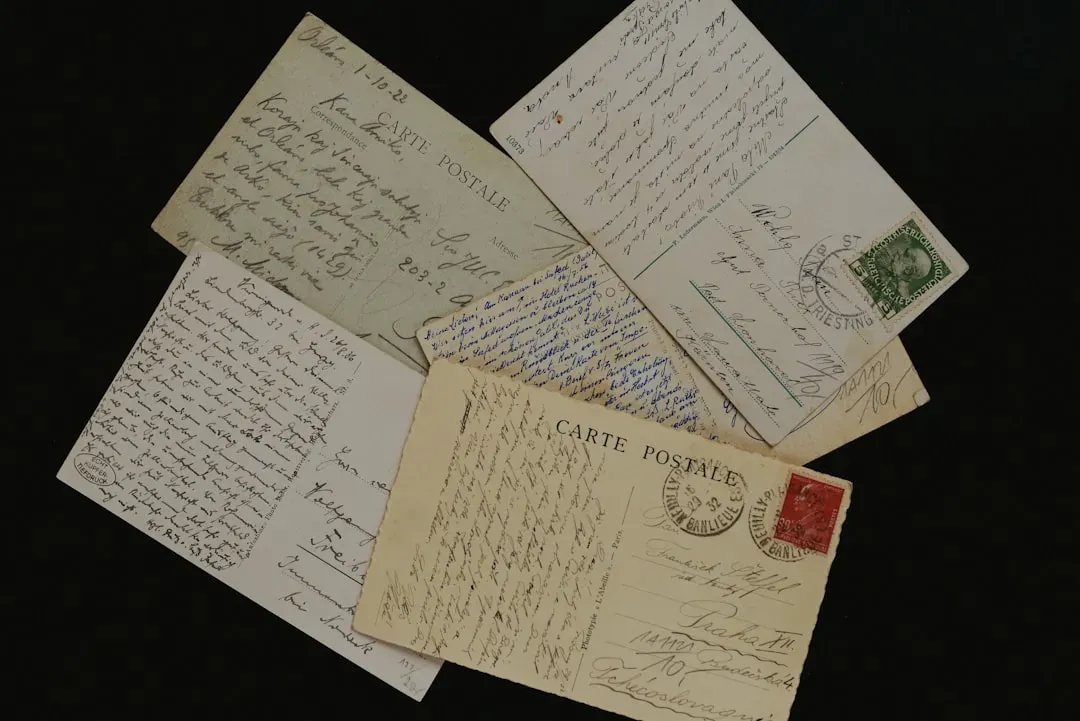
Letters and cards feel disposable in the moment, especially when you’re sorting through boxes of birthday cards and old correspondence with a tight timeline. But handwriting is one of the few tangible traces of a person’s voice that survives them. A quick note scrawled on the back of a photo or a card from decades ago can carry more emotional weight than an expensive keepsake.
Genealogists and estate organizers frequently point out that personal letters also hold historical value, revealing details about family relationships, moves, or health struggles that never made it into any official record. Once discarded, that information is gone permanently, since there’s rarely a duplicate copy sitting in a family archive. Many people don’t realize the loss until they’re trying to piece together family history years later.
2. Financial and tax records
2. Financial and tax records (Image Credits: Unsplash)
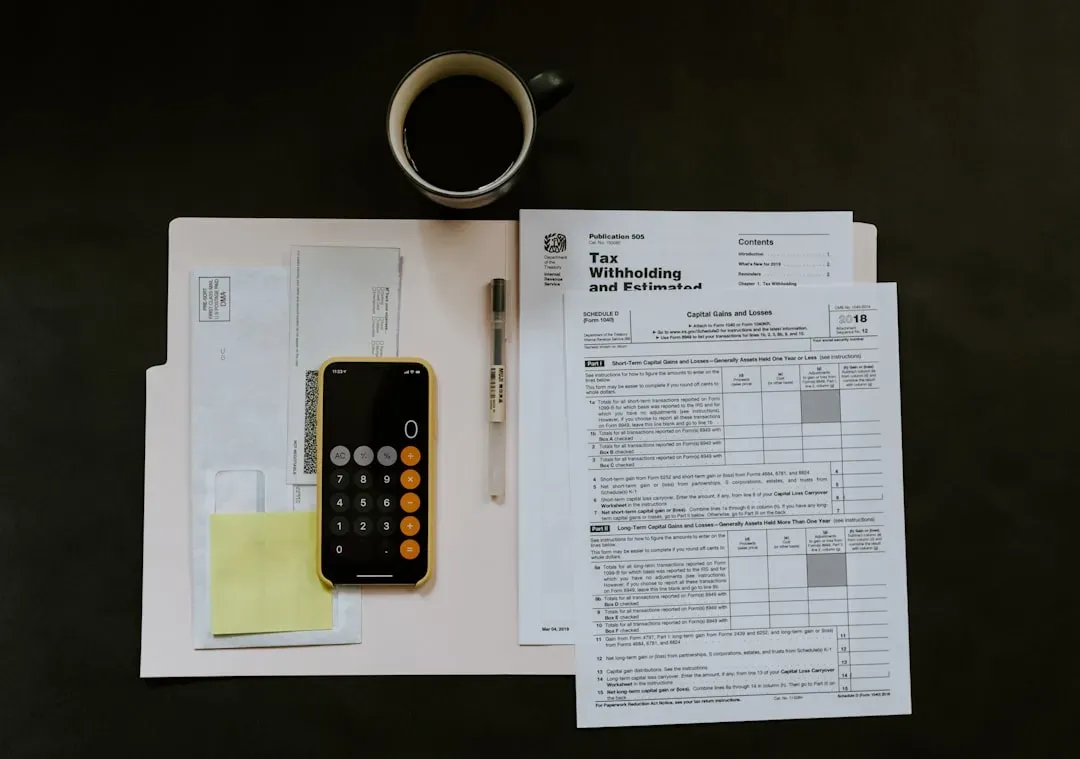
It’s tempting to shred anything that looks like paperwork, especially years-old bank statements or tax filings that seem outdated the moment a parent dies. Yet some financial documents matter well beyond the funeral. The IRS generally recommends keeping tax returns for at least three years, and longer if there’s any possibility of an audit tied to unreported income or property sales.
Records tied to home purchases, major renovations, or investment accounts can directly affect the “cost basis” used to calculate capital gains taxes when an inherited property or asset is eventually sold. Without that paperwork, families sometimes end up paying significantly more in taxes than necessary, simply because there’s no documentation of what was originally paid. Estate attorneys often advise setting aside a dedicated folder for financial papers before any general cleanout begins.
3. Photographs and photo albums

3. Photographs and photo albums (Image Credits: Unsplash)
Old photographs are among the most commonly regretted losses, particularly loose snapshots that don’t look important individually but represent decades of family history collectively. It’s easy to keep the neatly organized albums while tossing envelopes of unsorted prints, not realizing those loose photos might be the only copies that exist. Once a physical photo is gone, there’s often no digital backup anywhere.
Family historians recommend scanning photographs before deciding what to discard, since digitizing takes far less space and preserves the image even if the print itself doesn’t survive the move. This step matters even more for photos from before the 1990s, when personal cameras were less common and each print may represent a unique, unrepeated moment. Skipping this step is one of the most frequently cited regrets in estate cleanout forums and family history communities.
4. Handwritten recipes
4. Handwritten recipes (Image Credits: Pexels)
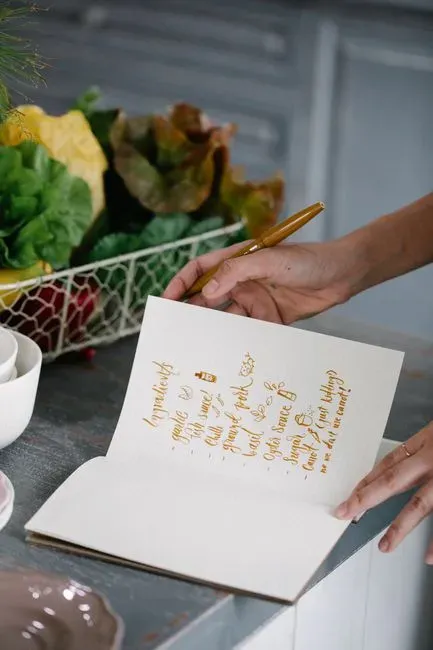
A recipe card in a parent’s handwriting often gets buried in kitchen drawers among takeout menus and coupons, making it easy to miss during a fast cleanout. These cards frequently aren’t duplicated anywhere else, especially if the recipe was passed down verbally or tweaked over years without ever being written down formally. Once that card is gone, the exact version of a family dish can be lost for good.
Culinary historians and family bloggers who focus on heritage cooking note that handwritten recipes often include small notes in the margins, substitutions, or corrections that reveal how a dish evolved over decades. Those details rarely survive if someone retypes the recipe later from memory. This is part of why many families now photograph or scan recipe cards specifically, treating them with the same care as more obviously sentimental items.
5. Furniture with unknown history
5. Furniture with unknown history (Image Credits: Unsplash)
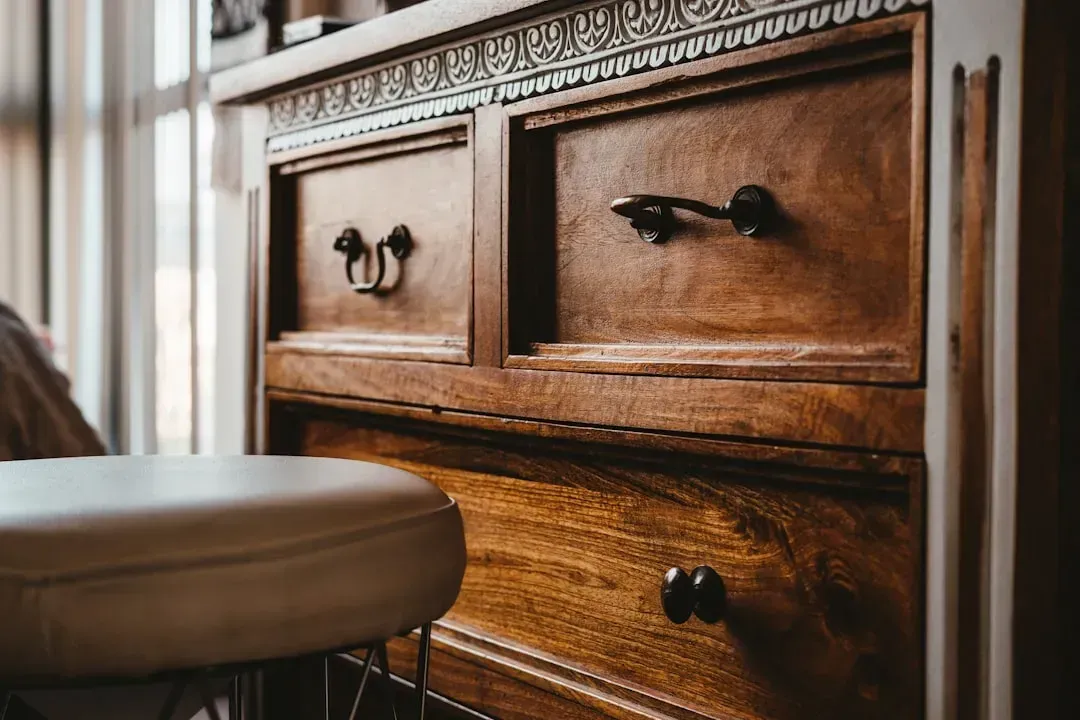
Plain, unremarkable furniture is one of the easiest categories to donate or discard quickly, especially pieces that don’t look valuable or don’t match anyone’s current decor. The problem is that value isn’t always visible on the surface. A dresser that looks generic might have been handmade by a grandparent, or a chair might be tied to a specific memory that only becomes significant once it’s already gone.
Appraisers who work with estate sales note that pieces are sometimes sold or donated for a fraction of their worth simply because no one took the time to research maker’s marks, joinery style, or provenance before parting with them. Even when financial value isn’t the concern, family members often say afterward that they wish they’d photographed the piece or asked more questions about its origin. A short pause to research or ask relatives about an item’s backstory can prevent that kind of regret.
6. Jewelry without sentimental labeling

6. Jewelry without sentimental labeling (Image Credits: Pexels)
Jewelry boxes often contain a mix of costume pieces and genuinely valuable items, and without labels or documentation, it’s difficult to tell them apart quickly. Families sometimes donate or sell pieces assuming they’re inexpensive, only to later learn from an appraiser that a ring or brooch had real monetary or historical value. This is especially common with older gold pieces, since resale markets don’t always reflect intrinsic material worth at a glance.
Beyond financial value, unlabeled jewelry can also carry sentimental weight that gets lost simply because no one knew the story behind a specific piece. A pin might have belonged to a great-grandmother, or a watch might have been a gift tied to a specific milestone, but if no one records that information, the meaning disappears with the object. Estate planners increasingly recommend that parents label sentimental jewelry themselves, in writing, before this decision falls entirely on their children.
7. Personal journals and diaries

7. Personal journals and diaries (Image Credits: Unsplash)
Diaries and journals occupy an uncomfortable space during estate cleanouts, since they feel intensely private and some adult children choose not to read them at all. That discomfort sometimes leads to journals being discarded unread, out of respect or simply to avoid the emotional weight of going through them. Later, many people say they regret not at least skimming or preserving these documents, even if they never read them in full.
Personal journals often contain firsthand historical and emotional context that doesn’t exist anywhere else, including details about how a person experienced major life events, illnesses, or relationships. Archivists who study family history note that these accounts are irreplaceable precisely because they weren’t written for anyone else to read, making them more candid than letters or public records. Even unread, many families choose to preserve journals rather than discard them, treating them as a kind of time capsule to be opened later.
8. Home videos and audio recordings
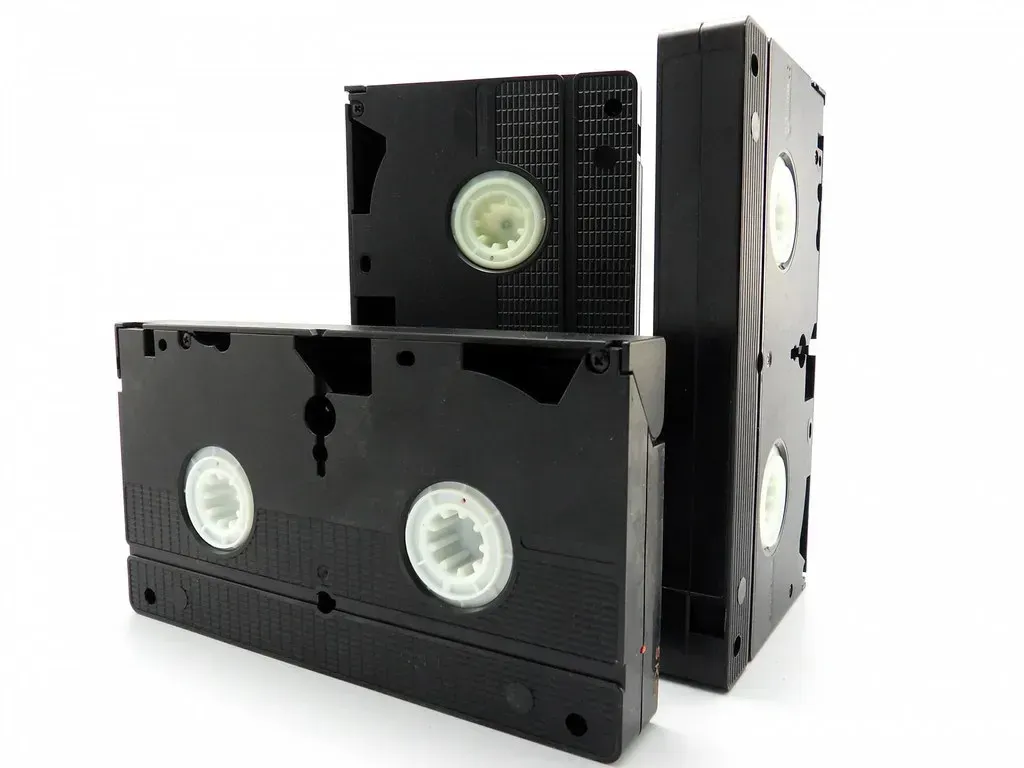
8. Home videos and audio recordings (Image Credits: Gallery Image)
VHS tapes, cassette recordings, and even old answering machine tapes are frequently thrown out simply because the playback equipment is outdated or no longer owned by anyone in the family. It’s easy to assume that if you can’t watch or listen to something immediately, it isn’t worth keeping. But these recordings often contain the only surviving audio or video of a parent’s voice, laugh, or mannerisms.
Digitization services have made it increasingly affordable to convert old formats into digital files, with many companies charging relatively modest per-tape rates for standard conversions as of 2025 and 2026. Family archivists strongly recommend digitizing before discarding original media, since tape degrades over time and the original format may become unreadable even if the physical tape is kept. Once a recording is lost, there’s typically no way to recover it, making this one of the more time-sensitive items on this list.
Sorting through a parent’s belongings is rarely simple, and no checklist can fully prepare a family for the decisions involved. Slowing down, even briefly, before discarding paper, photos, or unlabeled items tends to be the difference between a smooth cleanout and years of quiet regret.