
Walk into almost any coffee shop, food counter, or rideshare app today and you’ll encounter a familiar, slightly uncomfortable moment: a screen angled toward you, pre-loaded with tip percentages, waiting. For older Americans, the calculus is mostly automatic. For younger ones, it’s increasingly a moment of quiet refusal.
Gen Z and millennials are tipping less often and less consistently than any generation before them, and the gap is striking. The pushback isn’t rooted in a single grievance. It’s layered – shaped by economic pressure, a fundamentally different relationship with money, and a values-driven skepticism about a system that was never really designed with fairness in mind.
1. They Simply Tip Less, and the Data Is Clear

1. They Simply Tip Less, and the Data Is Clear (Image Credits: Unsplash)
The likelihood of tipping generally increases with age, with Gen Zers and millennials standing out as the least frequent tippers. The numbers behind that trend are sharp. Forty-three percent of Gen Zers and sixty-one percent of millennials always tip at sit-down restaurants, versus eighty-three percent of Gen Xers and eighty-four percent of boomers.
It's not just restaurants. Twenty-five percent of Gen Zers and forty-five percent of millennials always tip their hair stylist or barber, versus sixty-seven percent of Gen Xers and seventy-one percent of boomers. Across virtually every service category, the generational divide holds firm – and it's been widening steadily over the past several years.
2. Financial Stress Is Thinning Their Margins
2. Financial Stress Is Thinning Their Margins (Image Credits: Pixabay)
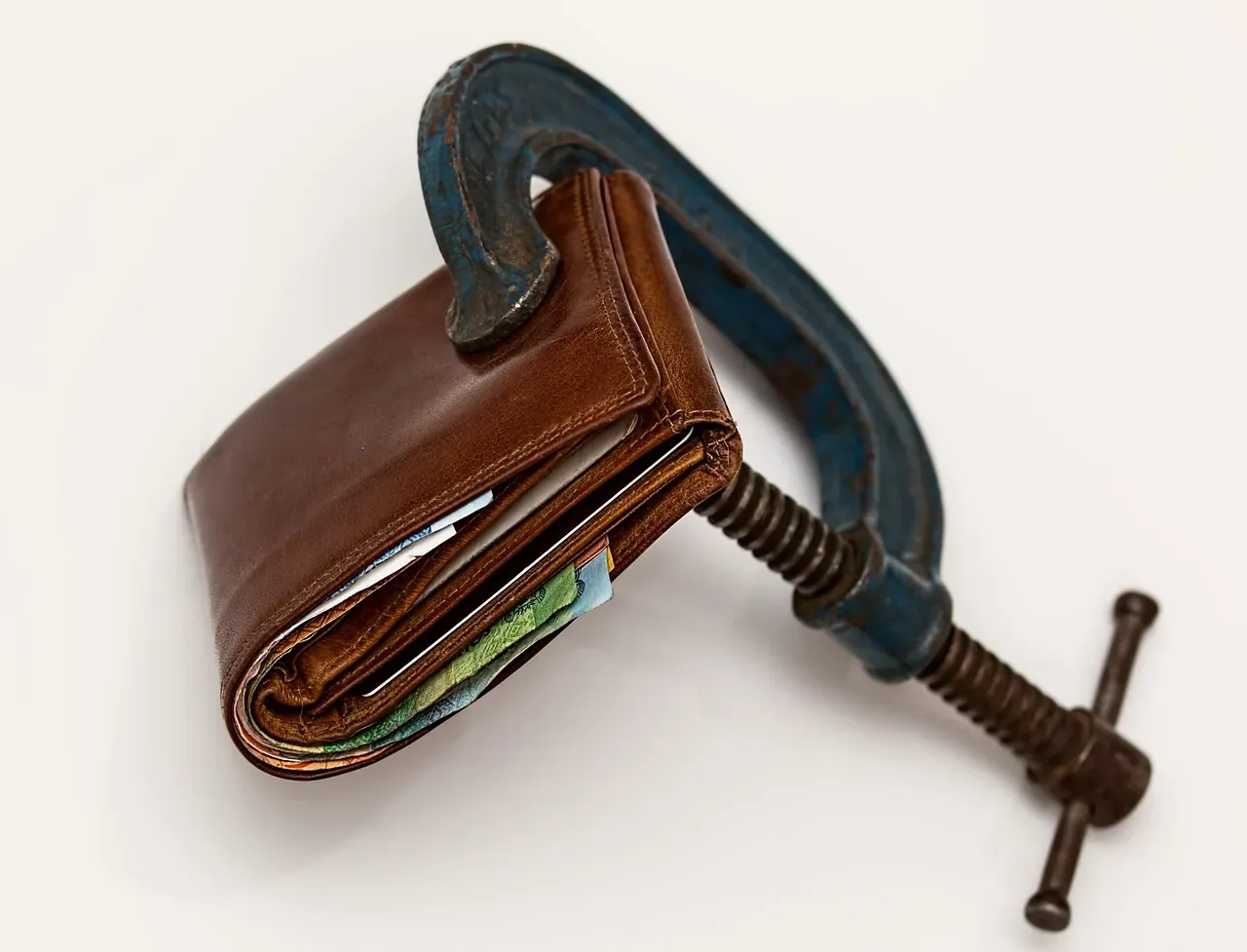
Forty-two percent of Gen Z report living paycheck to paycheck, and the high cost of living remains a significant barrier, with nearly half citing it as a top barrier to financial success. When the basics are already a stretch, every discretionary dollar gets scrutinized – including the one that appears as a suggested tip at checkout.
By 2025, Gen Z faces average rents between roughly $1,650 and $1,671 per month, and while the share of income spent on rent has risen moderately, the absolute cost has more than doubled compared to two decades ago, leaving less disposable income for other essentials. Younger generations were most likely to say that not having a stable income is the reason money negatively impacts their mental health, and if a young person's paycheck is already stretched thin, they may be less inclined to add extra dollars to the bill.
3. They Want Employers to Pay Fair Wages Instead

3. They Want Employers to Pay Fair Wages Instead (Image Credits: Pexels)
Instead of tipping to fill the income gap, many in Gen Z believe businesses should simply pay their workers more. According to a YouGov survey, nearly two-thirds of Gen Z supports eliminating tipping in favor of a guaranteed wage, even if it means slightly higher menu prices. That preference isn't just rhetorical – it reflects a genuine policy position that younger consumers are increasingly vocal about.
Of all survey respondents, seventy-nine percent – including Generation Z – believed service workers should be paid a higher wage instead of relying on tips, while only ten percent favored the current tipping system. There's a growing advocacy for wages that don't heavily depend on tips to meet basic living expenses, underscoring a broader call for systemic changes within the service industry.
4. They Treat Tips as Performance-Based, Not Automatic
4. They Treat Tips as Performance-Based, Not Automatic (By Tomwsulcer, <a href="https://commons.wikimedia.org/w/index.php?curid=32989648" target="_blank" rel="noopener">CC0</a>)
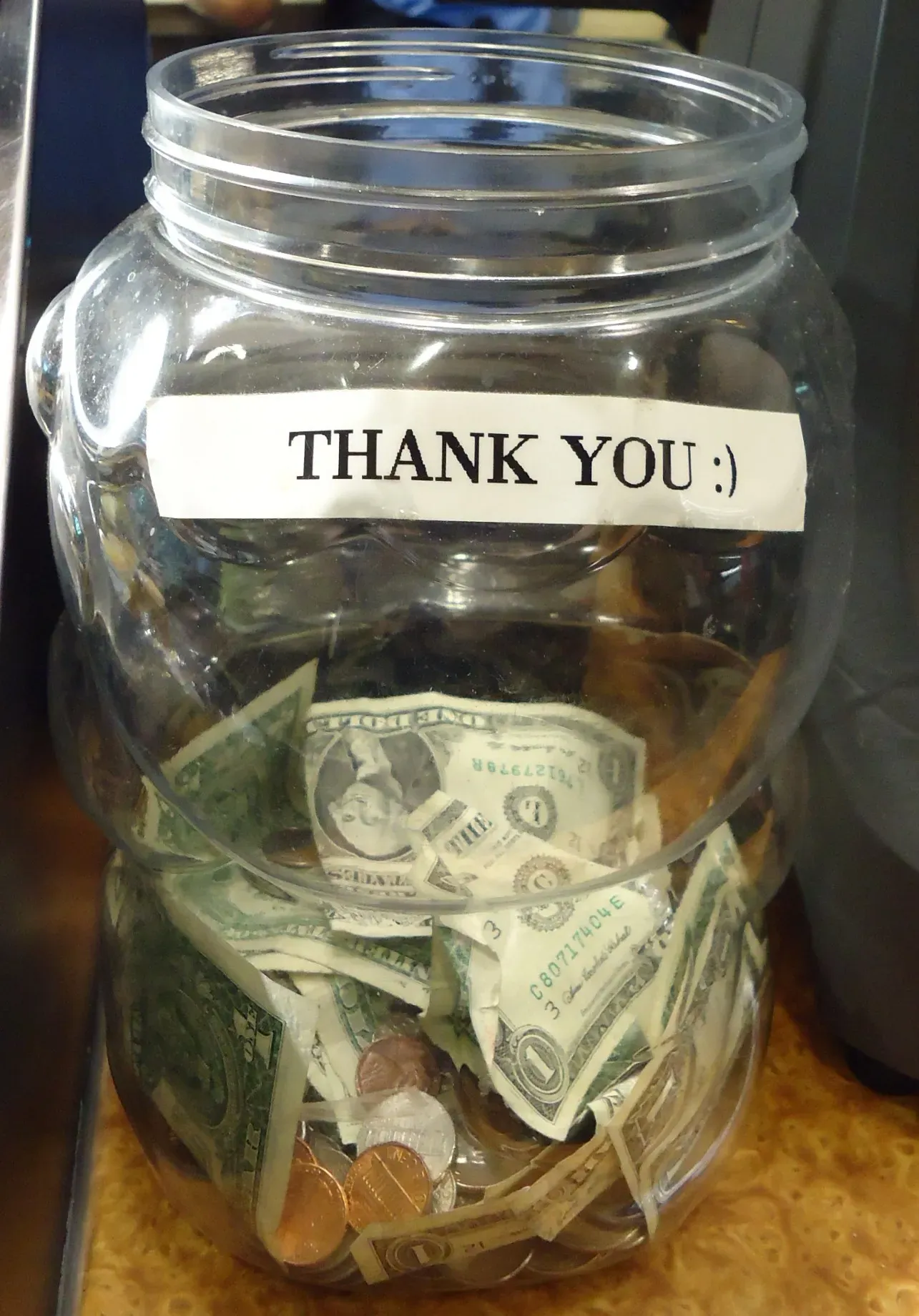
Younger generations don't see tipping as an unconditional social contract. They approach it more like an evaluation. Seventy-four percent of Generation Z respondents admitted to walking out without tipping due to unsatisfactory service – the highest percentage among all age groups – compared to fifty-five percent of millennials, fifty-seven percent of Gen X, and forty-six percent of baby boomers.
Fifty-five percent of millennials and fifty percent of Gen Zers reported adjusting their tip based on the level of service they received. This performance-linked approach feels rational and fair to younger consumers. To service workers and older patrons, it can come across as unpredictable or even punitive – which is part of why this particular tension cuts so deep.
5. Digital Tip Screens Feel Manipulative to Them
5. Digital Tip Screens Feel Manipulative to Them (Image Credits: Pexels)
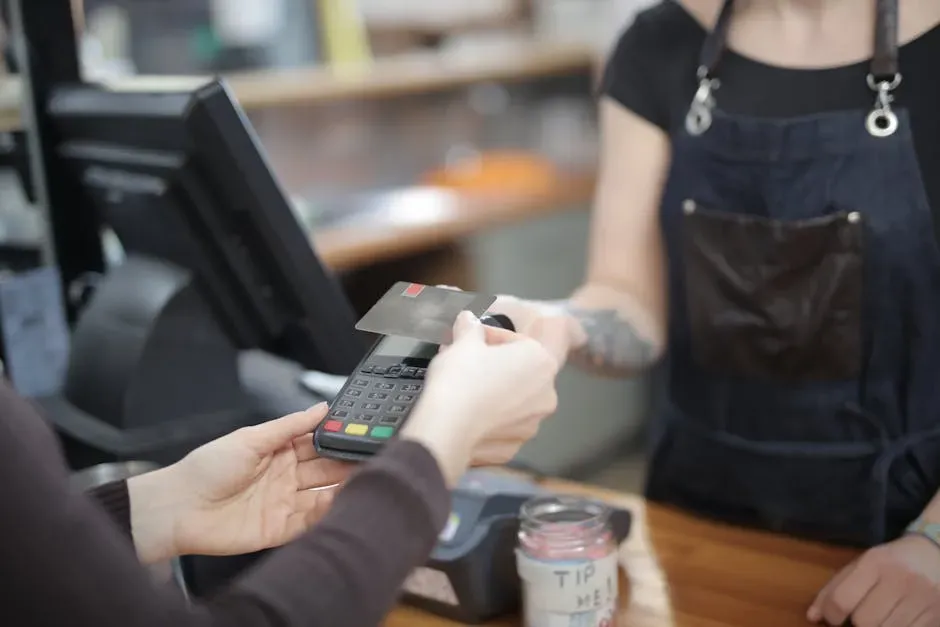
Over forty percent of Gen Z say they feel "manipulated" by tipping prompts, especially when no real service is involved, according to Morning Consult research from 2024. The design of these screens is a big part of the problem. Pre-loaded high percentages, a worker watching from behind the counter, the absence of a clearly labeled "no tip" button – these elements create social pressure that feels engineered rather than organic.
Annoyance with pre-entered tip screens was cited by thirty-eight percent of Americans in 2025, up from thirty-four percent the year before, and twenty-seven percent say they tip less or not at all when presented with a pre-entered tip screen. Gen Z approaches tipping with skepticism born from economic awareness, and having entered adulthood during economic uncertainty, they're more likely to question tipping expectations entirely.
6. Tipping Creep Has Expanded Into Places It Was Never Expected
6. Tipping Creep Has Expanded Into Places It Was Never Expected (Kai Hendry, Flickr, <a href="https://creativecommons.org/licenses/by/2.0/" target="_blank" rel="noopener">CC BY 2.0</a>)
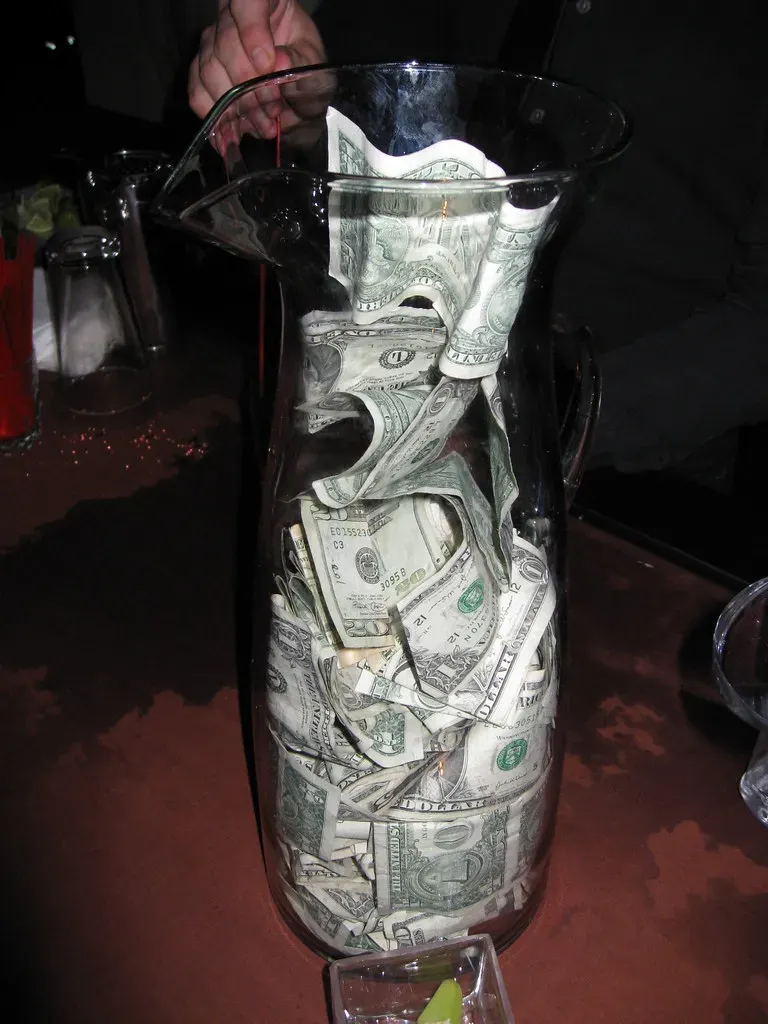
The original social contract around tipping was relatively narrow: servers at sit-down restaurants, bartenders, taxi drivers. That understanding has been stretched well beyond its original boundaries. From self-checkout to retail experiences, every screen now has a tip option even when no actual service is provided. For younger consumers who grew up watching this expansion happen in real time, it carries a different emotional weight than it does for older generations.
Many Americans have become fed up with tipping culture, citing "tipping fatigue" as a result of iPad screens with tipping options suddenly appearing at seemingly every business. A 2025 survey found that sixty-five percent of consumers feel weary of frequent tipping requests, and sixty-six percent feel pressured by digital payment screens suggesting gratuities. When tipping is everywhere, the moral weight that once accompanied it starts to dissolve.
7. They're Reducing Guilt-Tipping More Than Any Other Group
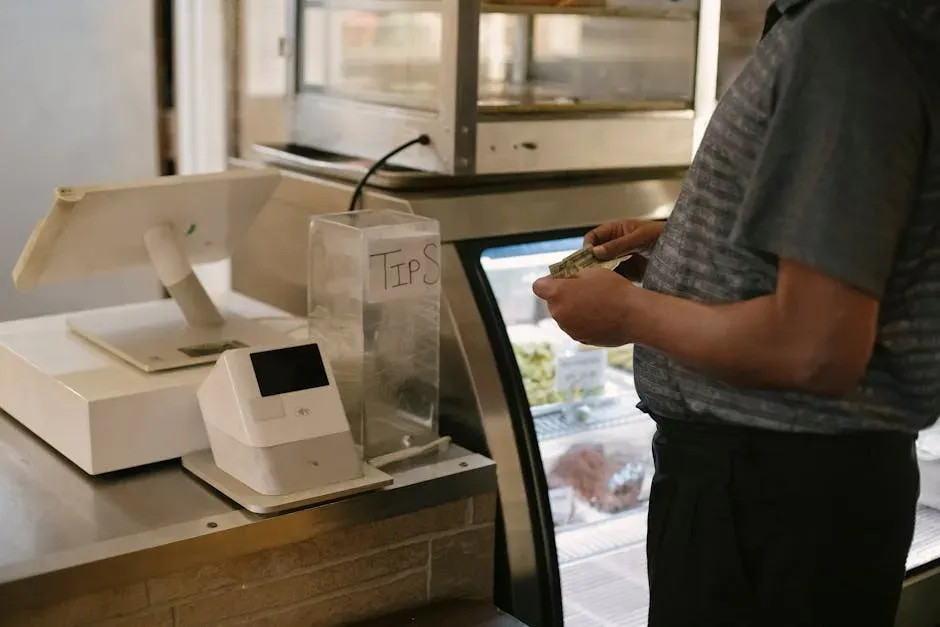
7. They're Reducing Guilt-Tipping More Than Any Other Group (Image Credits: Pexels)
One of the most telling behavioral shifts involves what researchers have started calling "guilt tipping" – paying more than you intend to simply because of social awkwardness. This is declining sharply. The average person reluctantly tips roughly $24 per month more than they feel is fair, adding up to about $283 over a year. That figure is a substantial drop from 2024, when Americans spent $453 in guilt-led tips – a decline of roughly thirty-eight percent in a single year.
The results may suggest the American public is resisting tipping pressures more in recent times, with this year's survey seeing respondents "guilt tip" an average of 4.2 times per month, versus 6.3 times in 2024. Younger generations are leading this shift, gradually normalizing the decision to decline a tip prompt without apology – something that felt socially unacceptable even a few years ago.
8. Their Broader Values Favor Systemic Change Over Individual Workarounds
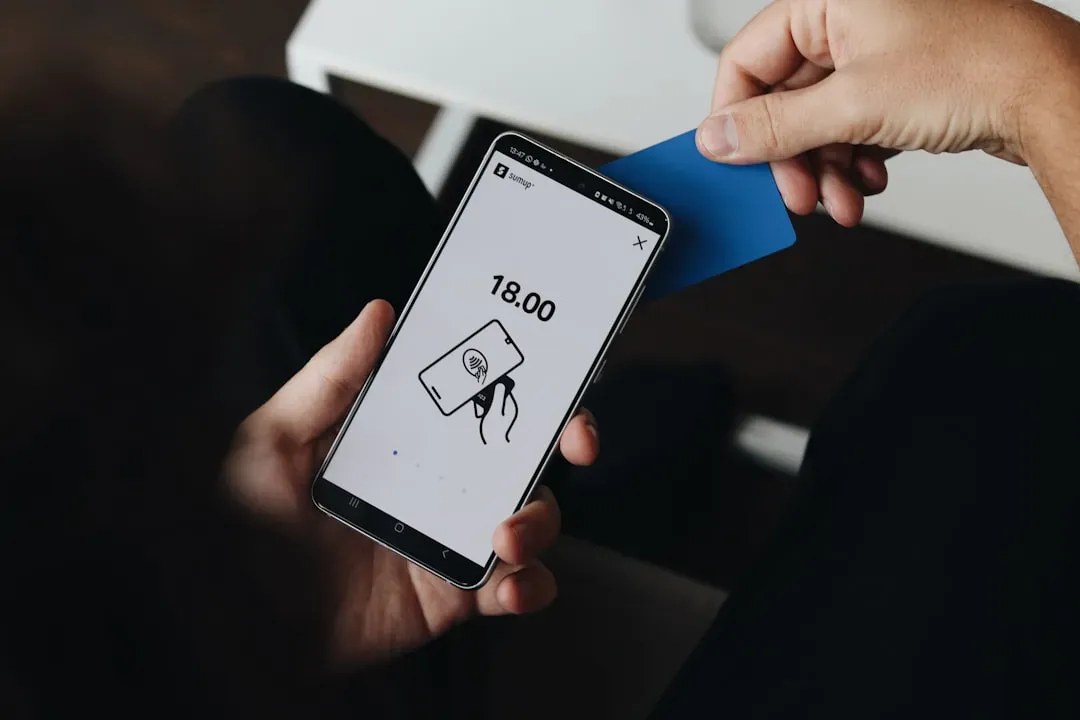
8. Their Broader Values Favor Systemic Change Over Individual Workarounds (Image Credits: Unsplash)
As Gen Z continues to assert its influence on the marketplace, their mixed feelings about tipping may catalyze changes in how service industries approach employee compensation and customer service charges. Discussions about tipping are evolving into broader conversations about wage equity, the value of service work, and the responsibilities of employers and consumers in supporting fair compensation practices.
Instead of tipping to fill the income gap, Gen Z believes businesses should simply pay their workers more – and nearly two-thirds support eliminating tipping in favor of a guaranteed wage. That means they're more likely to support no-tipping restaurants, living wage campaigns, and union-backed efforts to abolish the subminimum tipped wage. Several states are actively pursuing policy changes to end subminimum pay for tipped workers, with Chicago beginning to phase out the tip credit in July 2024, requiring all employers to pay standard minimum wage regardless of tips received.
What's unfolding isn't a generation of bad tippers. It's a generation asking a genuinely uncomfortable question: why are customers expected to subsidize a broken wage structure that employers created? The answer – or lack of one – is slowly reshaping how Americans think about the price of a meal, a coffee, and a haircut.