
Most people hand over their car keys with a vague sense of unease. You don’t know exactly what’s wrong, you can’t see what’s happening in the bay, and you’re relying entirely on someone else’s word for the diagnosis and the price. That dynamic, trust mixed with uncertainty, is exactly what some mechanics count on.
The average cost to repair a vehicle has risen by roughly 44% between January 2019 and January 2025, making every visit to the shop a more significant financial event than it used to be. Knowing the specific phrases that signal trouble can shift that dynamic in your favor before you’ve signed anything.
1. "It Depends on What We Find"

1. "It Depends on What We Find" (Image Credits: Unsplash)
If your mechanic won't give you a detailed, written estimate, that's your first red flag. Vague terms like "a few hundred" or "depends on what we find" leave plenty of room for inflated costs later. An open-ended verbal quote is essentially a blank check, and handing one over before work even begins is a mistake that can be very expensive to undo.
Always ask for a breakdown of parts, labor, and diagnostic fees in writing before agreeing to anything. A shop that resists producing a written estimate is a shop that may be planning to move the goalposts once your car is already disassembled. Reputable shops have no reason to avoid putting numbers on paper.
2. "You Need This Done Right Away"
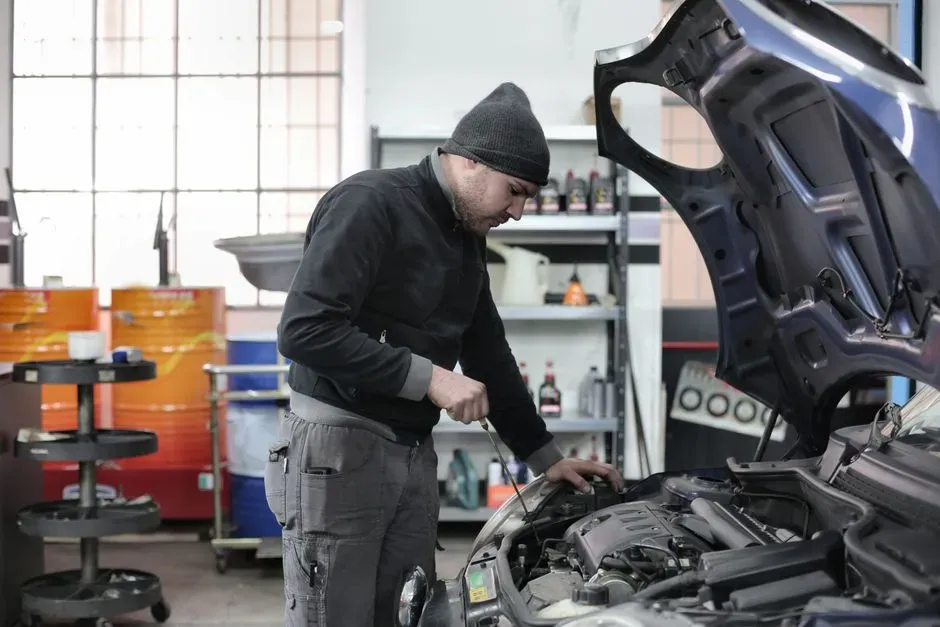
2. "You Need This Done Right Away" (Image Credits: Pexels)
If you're told a repair must be done "immediately" without any real explanation, be cautious. High-pressure tactics are a classic move for overcharging mechanics who want you to make a fast decision. Real safety issues should come with clear reasoning and visual proof. Urgency without evidence is a sales tactic, not a safety warning.
If your mechanic makes you panic over something that isn't a genuine safety issue, question their motives. Any non-pressing routine maintenance tasks or cosmetic fixes should not be positioned as an emergency. Brakes, steering, and tires are legitimately urgent. Your cabin air filter is not. Learning the difference helps you stay calm and ask the right questions instead of signing off out of fear.
3. "We Noticed Some Issues While We Were Under There"
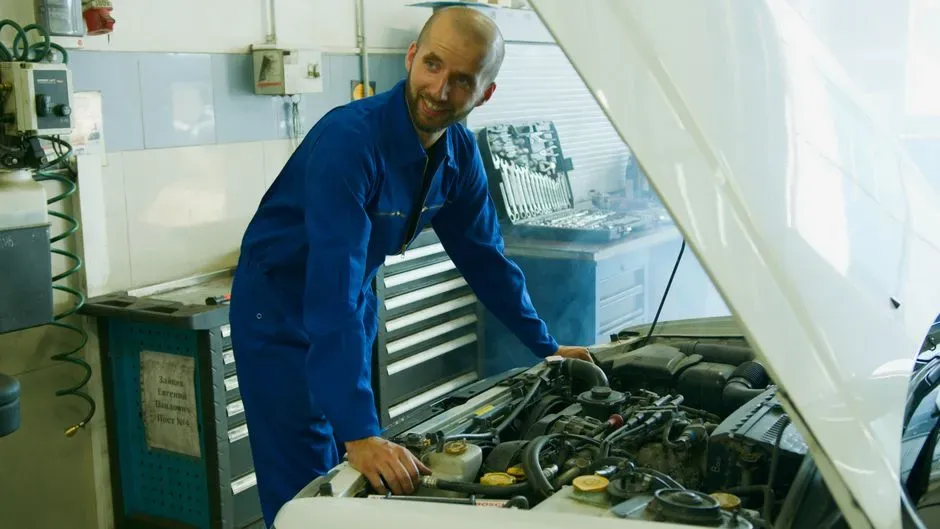
3. "We Noticed Some Issues While We Were Under There" (Image Credits: Pexels)
If you go to the mechanic for an oil change only for them to tell you your car needs a long list of additional, expensive repairs, proceed with caution. Upselling is one of the most common ways for dealerships and independent repair shops to bill you for services or parts that aren't immediately necessary or, in some cases, aren't needed at all. The phrase sounds helpful, almost like a favor. It often isn't.
If you don't know a lot about cars, identifying this tactic can be challenging, and you may find that mechanics try to test your knowledge to see how much they can get away with. If your car was running fine before you arrived and suddenly there's a whole list of things wrong, you should think twice before signing up for the repairs. Asking for photos or a visual inspection of the claimed damage is a reasonable and completely fair request.
4. "There's a System Issue" or "Engine Problem"
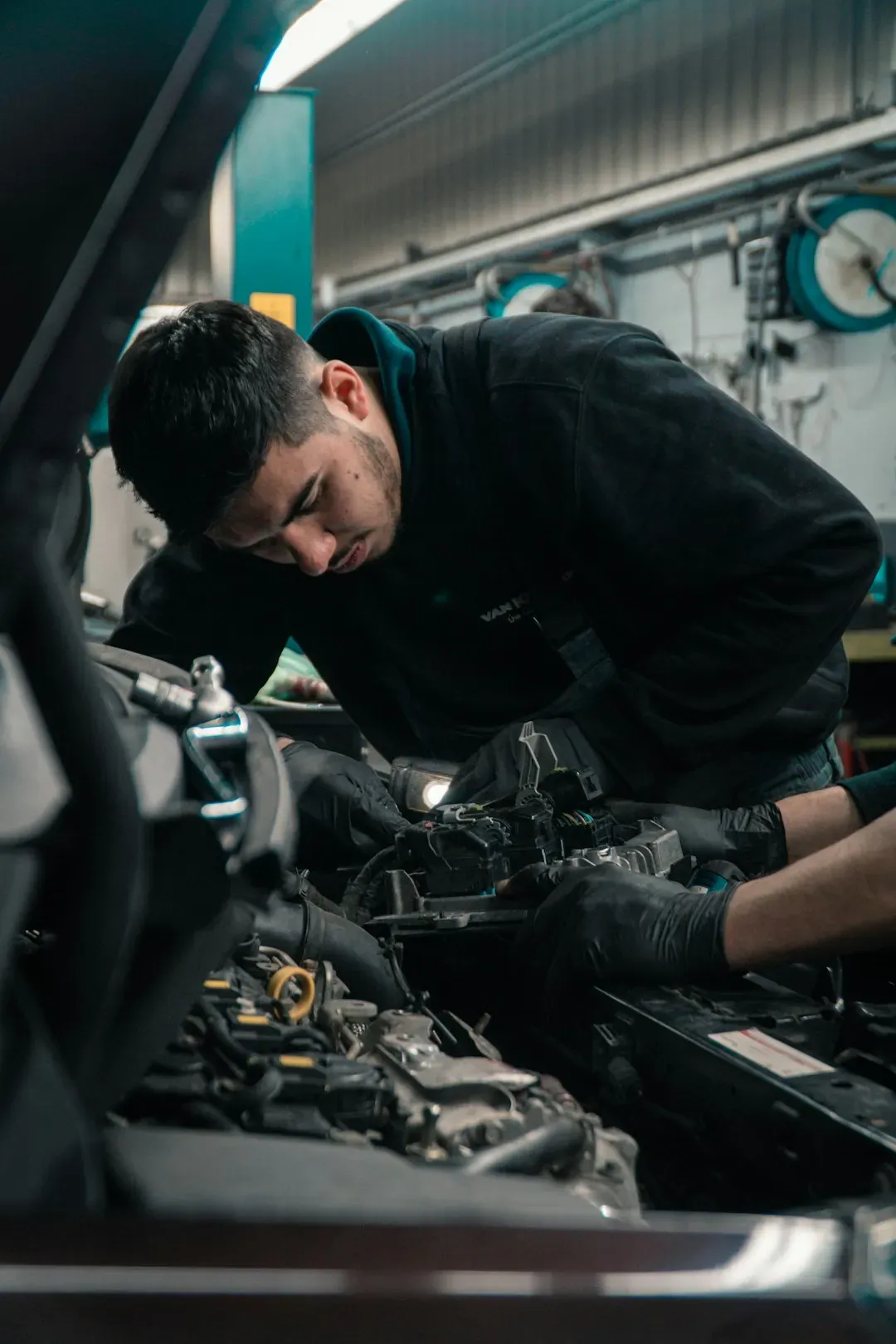
4. "There's a System Issue" or "Engine Problem" (Image Credits: Unsplash)
If your invoice is full of vague terms with no real detail, it's a sign you're being kept in the dark. Phrases like "engine problem" or "system issue" don't mean much without specifics, and they leave plenty of room for overcharging. Technical language that sounds authoritative but lacks any actual specificity is one of the oldest tools in the overcharging playbook.
Ask for exact part names and codes, and request a scan printout if diagnostics were performed. Asking "Can you clarify what system failed and how that was determined?" puts the burden of proof squarely where it belongs. A mechanic who genuinely knows what's wrong will have no trouble giving you a direct, specific answer. Evasiveness is its own answer.
5. "The Job Took Longer Than Expected"
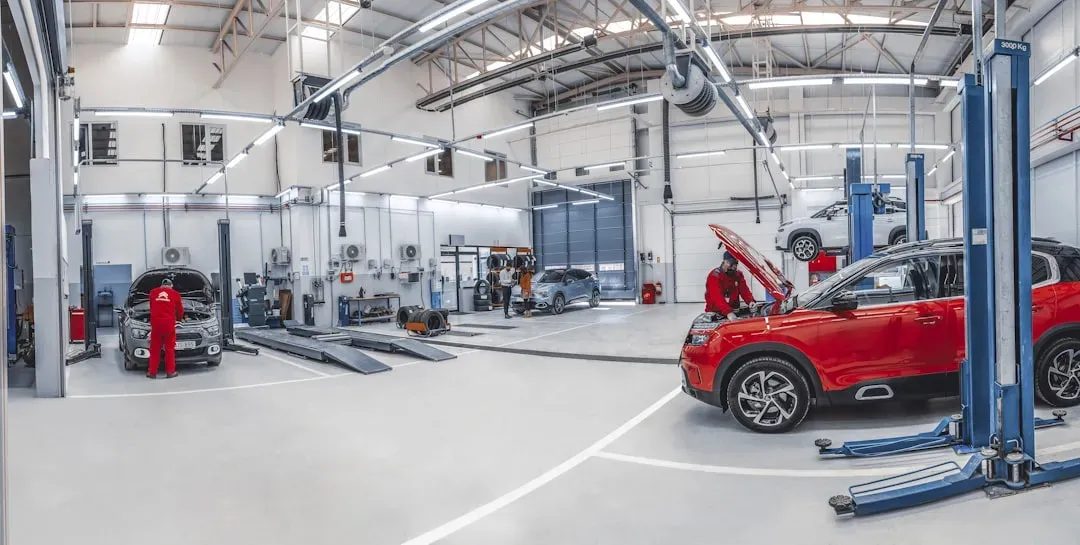
5. "The Job Took Longer Than Expected" (Image Credits: Unsplash)
It's a problem when mechanics take an unnecessary amount of time on even the simplest repair. This practice, also known as "gravy work," is one of the oldest auto mechanic tricks in the book. A dishonest mechanic will say that something took longer than it actually did just to upcharge you. Since most shops bill by the hour, inflated time is one of the cleanest ways to pad a bill without changing a single line item.
If you're wondering whether labor hours are inflated, compare the quoted hours to standard service manuals like ALLDATA or Chilton. If the estimate is significantly higher, ask for a breakdown. A reputable shop will justify the time. You can look up standard repair times online in minutes, and doing so before you authorize any major work is time well spent.
6. "We Can Only Use OEM Parts for This Repair"

6. "We Can Only Use OEM Parts for This Repair" (Image Credits: Pixabay)
OEM parts can be great, but not every repair requires them, especially if they come with a steep markup. Overcharging mechanics may push OEM parts to inflate your bill when reliable aftermarket options are available for much less. Insisting on OEM for every single repair, regardless of the component or the vehicle's age, is rarely a technical necessity. It's a pricing decision.
Using aftermarket parts isn't a problem – many are just as reliable as OEM parts. Asking whether equivalent aftermarket alternatives exist, and what the actual price difference looks like, is a completely reasonable question. If the mechanic can't or won't answer it, that tells you something worth knowing before you approve the work.
7. "We'll Have to Charge You a Diagnostic Fee – It's Standard"
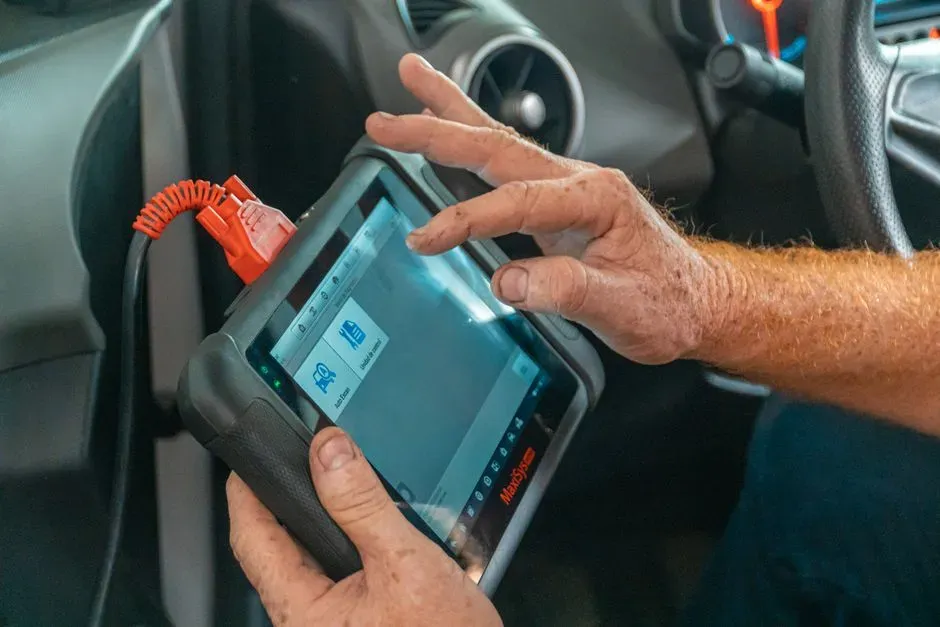
7. "We'll Have to Charge You a Diagnostic Fee – It's Standard" (Image Credits: Pexels)
If you drop your car off for a quick check and suddenly there's a diagnostic fee you weren't warned about, take note. While diagnostic tools and time do cost money, you should always be told upfront. If not, it's a classic overcharge tactic, especially when paired with pressure to "fix the problem right away." Springing a fee on a customer after the fact, rather than disclosing it before any work begins, crosses from standard practice into something more problematic.
Skilled technicians should be able to identify the issue without forcing you to pay for further examination. If diagnostic charges exceed $100 and are not deducted from the repair cost, that's a red flag. Many honest shops will waive or apply the diagnostic fee toward the final repair bill. It's worth asking about that policy before you leave your keys behind.
8. "Trust Me, You Don't Want to Wait on This"

8. "Trust Me, You Don't Want to Wait on This" (Image Credits: Pexels)
Every visit leading to a new urgent issue that needs fixing immediately is a pattern worth recognizing. While cars do age and develop problems, not every trip to the shop should end with a surprise repair. Some shops rely on repeat upsells to boost revenue, assuming customers won't question it. Over time, this adds hundreds of dollars in unnecessary work. The phrase "trust me" is doing a lot of heavy lifting in any conversation where money is on the line.
Learning to ask the right questions and spotting the red flags can help you avoid paying for things you don't need. Trust is important, but blind trust is expensive. The best defense is being informed before you say "yes" to any repair. Getting a second opinion from a different shop costs relatively little and can save you from approving hundreds, sometimes thousands, of dollars in work that was never truly necessary.
The good news is that most mechanics are straightforward professionals who want your repeat business. The warning signs above aren't meant to make you paranoid at every oil change. They exist so you can tell the difference between a mechanic who's being genuinely helpful and one who's counting on you not knowing the difference. A little informed skepticism goes a long way in a shop bay.