
Most homeowners renovate with good intentions. They want a more beautiful space, a more comfortable life, and ideally, a home worth more than what they paid. The problem is that some of the most confident-looking renovation decisions end up working against all three of those goals at once. Contractors see it constantly: money spent, pride taken, and then confusion when a buyer walks away.
The average American household spent $9,322 on home improvement projects in 2024, according to Angi's annual State of Home Spending report. That's real money chasing real results. While homeowners often assume every upgrade adds equity, specific renovations can actually alienate buyers and lower your resale price. This disconnect often happens when functional obsolescence sets in, meaning the changes made render the home less desirable than the average property in the neighborhood. Here are eight choices that repeatedly come up when contractors speak honestly about what quietly tanks a home's value.
The Luxury Kitchen Gut Job That Goes Way Over Budget
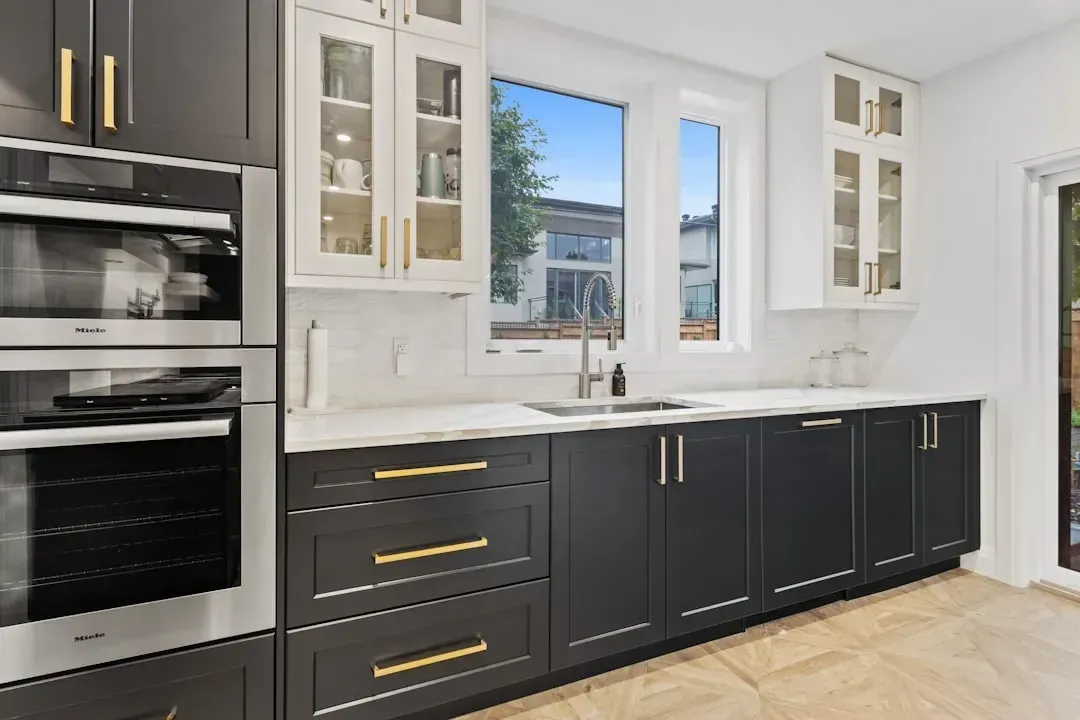
The Luxury Kitchen Gut Job That Goes Way Over Budget (Image Credits: Unsplash)
There’s a gap between a beautiful kitchen and a kitchen that pays off at resale, and it’s wider than most homeowners expect. Many homeowners invest in luxury appliances and high-end finishes, only to discover that buyers may not be willing to pay extra for those features. Kitchen remodels can range from a solid return of over 100 percent for a minor remodel to just 36 percent for a major, upscale renovation. That’s a significant loss for what might feel like your home’s showpiece.
Experts recommend spending no more than 15 percent of your home’s total value on a kitchen renovation to ensure you maximize your return without over-investing beyond your property’s market value. Highly personalized choices such as brightly colored cabinets, open shelving, or ultra-minimalist designs can further narrow buyer appeal. The more specific the vision, the fewer people who share it.
Over-the-Top Bathroom Overhauls
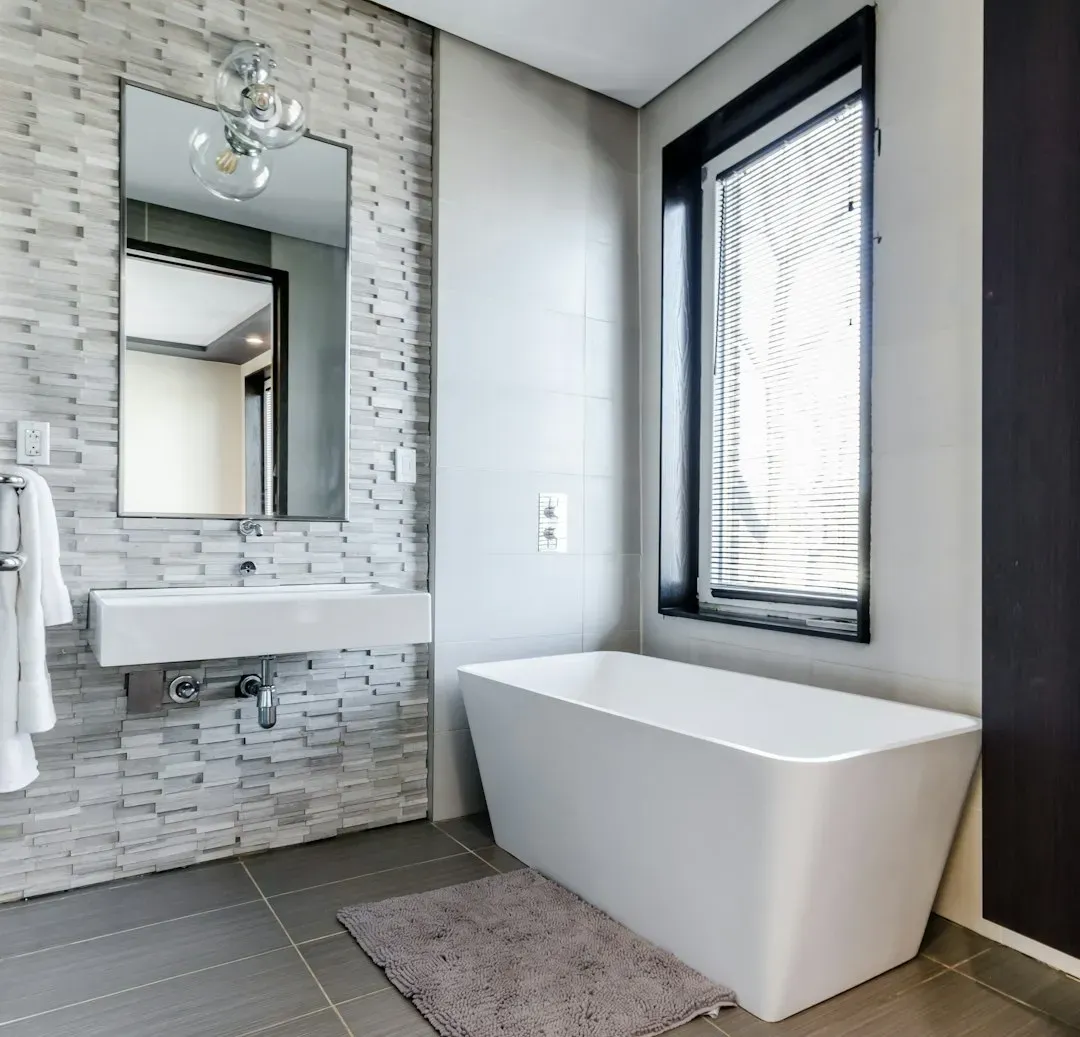
Over-the-Top Bathroom Overhauls (Image Credits: Unsplash)
Spa-like bathrooms are everywhere on social media. Steam showers, heated floors, rainfall fixtures – all stunning, all incredibly expensive, and increasingly losing their shine in the resale market. What feels indulgent to you often reads as unnecessary to a buyer who simply needs a functional, clean bathroom.
The worst-ranking luxury project is an upscale bathroom remodel. The average cost is roughly $29,200, and the average expected value added clocks in at just under $14,300. A luxurious, personalized bathroom might fulfill your fantasies, but it could scare off potential homebuyers who don’t share your vision. Keeping it simple and considering upgrades that appeal to a broader audience is the smarter move.
Removing the Last Bathtub in the House

Removing the Last Bathtub in the House (Image Credits: Unsplash)
In the pursuit of a spa-like bathroom, many homeowners rip out the only tub to install a large, luxury walk-in shower. While showers are popular, removing the only bathing option is a critical error. It’s one of those changes that feels modern on the day it’s installed and becomes a liability the day you list.
Many homeowners replace bathtubs with large showers, especially in master bathrooms. However, families with young children or individuals who enjoy soaking in a tub may view this as a drawback. If your home only has showers, you could lose buyers. Try to keep at least one bathtub in the house to appeal to a wider range of people.
Converting the Garage Into Living Space
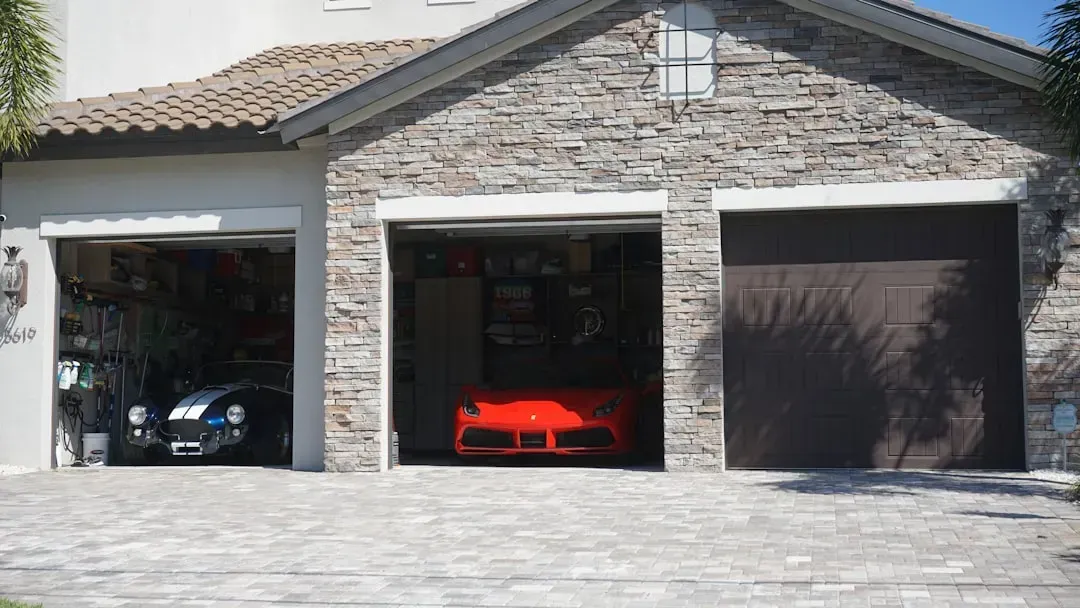
Converting the Garage Into Living Space (Image Credits: Unsplash)
Converting your garage into living space eliminates valuable storage and parking, two features that most buyers highly value. Even if you create a beautiful family room or office, the loss of garage functionality often outweighs the benefits, especially in areas where parking is at a premium. It’s an easy trade that looks sensible on paper and frustrates buyers in practice.
Converting your only garage in places like the Midwest, Northeast, or mountain regions can drastically limit your buyer pool. Some real estate agents report that the lack of garage parking in cold climates can reduce offers by five to ten percent or extend time on market significantly. Unpermitted conversions create even more problems. Lenders may refuse to finance the property or require the space to be reverted to a garage before closing.
Reducing the Number of Bedrooms
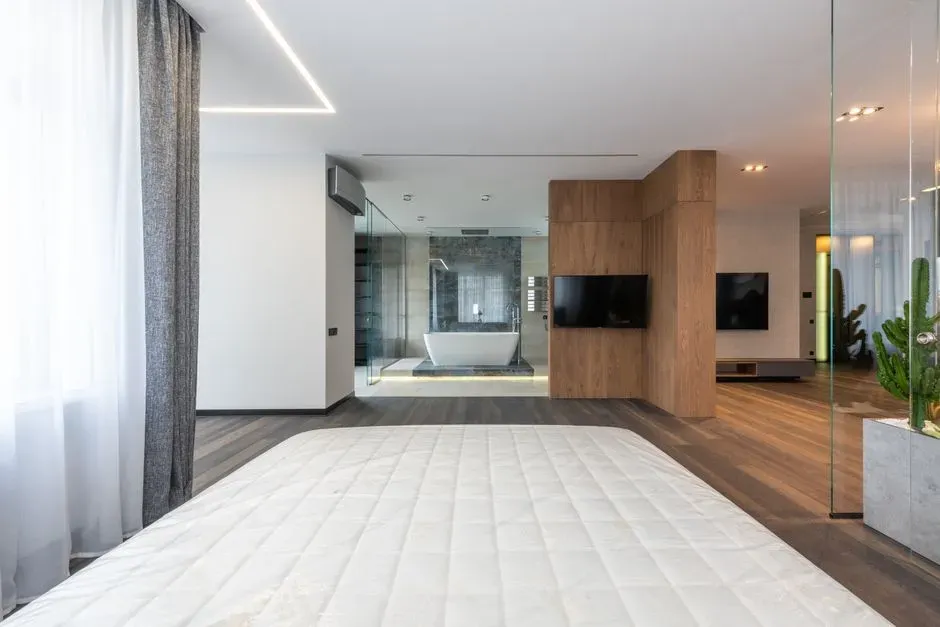
Reducing the Number of Bedrooms (Image Credits: Pexels)
Combining bedrooms into bigger rooms might seem like a good idea, but you should think twice before knocking down walls. While open floor plans are desirable, reducing the number of bedrooms can significantly decrease the value of your home. Bedroom count isn’t just a detail – it’s one of the first filters buyers use when searching online.
Bedroom counts drive home valuations and search filters. The moment you convert a three-bedroom into a two-bedroom-plus-closet, you’ve slashed your buyer pool and your appraisal. Zillow research has found walk-in closet conversions can hurt a home’s value by around half a percent. Eliminating a bedroom restricts the buyer pool, particularly for growing families who need separate rooms for children.
Installing a Pool in the Wrong Climate

Installing a Pool in the Wrong Climate (Image Credits: Unsplash)
Swimming pools rarely add value equal to their cost and limit your buyer pool. Many families view pools as expensive maintenance obligations and safety hazards rather than desirable features. Context matters enormously here, and most contractors know it depends heavily on where the house sits.
A pool might add value in Florida but hurt your resale in Ohio. The high cost of pools does not end after installation. Routine maintenance is also expensive. A Kiplinger report shows the average expense to maintain a standard pool is $177 a week, which doesn’t include repairs and insurance it may require. That additional expense can turn off buyers.
Over-Improving for the Neighborhood
Over-Improving for the Neighborhood (Image Credits: Unsplash)
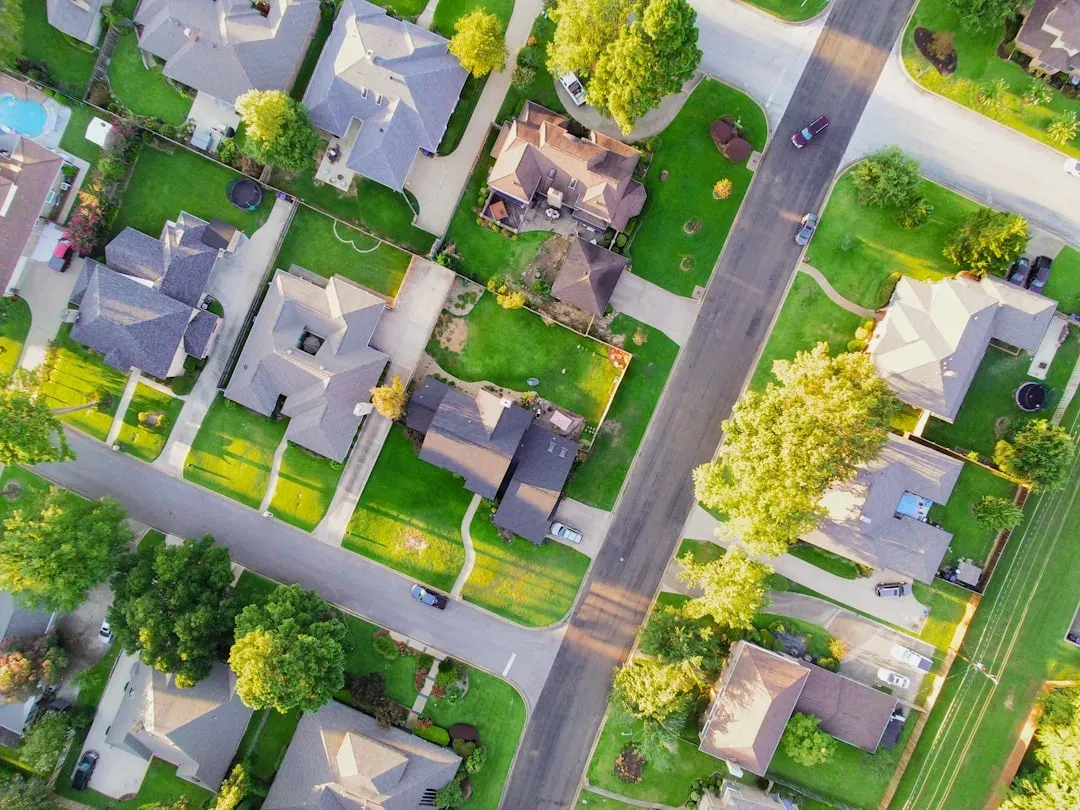
Installing high-end finishes like marble countertops, luxury appliances, or premium hardwood floors in a starter home or modest neighborhood can be a costly mistake. These improvements may push your home’s price above what buyers in that market are willing or able to pay, effectively pricing you out of your natural buyer pool. No matter how beautiful the result, the market has a ceiling.
Real estate pros call this the “neighborhood ceiling.” If homes in your area top out at $350,000, spending $80,000 on renovations to push yours to $400,000 likely won’t work. Your home’s value should align with neighborhood standards, not exceed them by more than ten to fifteen percent. Going above that range rarely earns back the difference.
Bold, Highly Personalized Design Choices

Bold, Highly Personalized Design Choices (Image Credits: Unsplash)
Bold paint colors can help a home stand out, but they don’t always appeal to potential buyers. Deep jewel tones, dark accent walls, and highly personalized color schemes can make it difficult for buyers to picture themselves living in the space. While these choices may reflect a homeowner’s style, they can also limit a property’s broader market appeal and create the impression of future repainting costs.
Your dream home theater with medieval castle theming or a kitchen designed around your collection of vintage appliances might be perfect for you, but they can be major turn-offs for buyers. Highly personalized improvements often require future owners to invest additional money to make the space suit their tastes. Buyers notice crooked tile, uneven paint lines, and poorly fitted fixtures. They assume these visible problems indicate hidden issues throughout the house.
Every one of these eight choices carries a version of the same lesson: renovate for the market you’re selling into, not just the life you’re currently living. What feels like an upgrade today can become a negotiating liability tomorrow. Contractors know this because they see the regret on both sides of the transaction, and the homes that sell fastest and cleanest are almost always the ones where the owner stayed close to the neighborhood’s expectations rather than far beyond them.