
Most homeowners assume that spending money on their property automatically translates to a higher sale price. The logic seems sound: upgrade the home, impress buyers, collect a bigger check at closing. Reality is messier than that. While homeowners often assume every upgrade adds equity, the reality is that specific renovations can actually alienate buyers and lower your resale price.
The projects that trip people up the most aren’t always wild or obscure choices. Many are common, well-intentioned upgrades that simply don’t land the way sellers expect. Before you start knocking down walls or draining your savings into a luxury remodel, it’s worth knowing which renovations the experts consistently flag as money-losers.
1. Converting the Garage Into Living Space
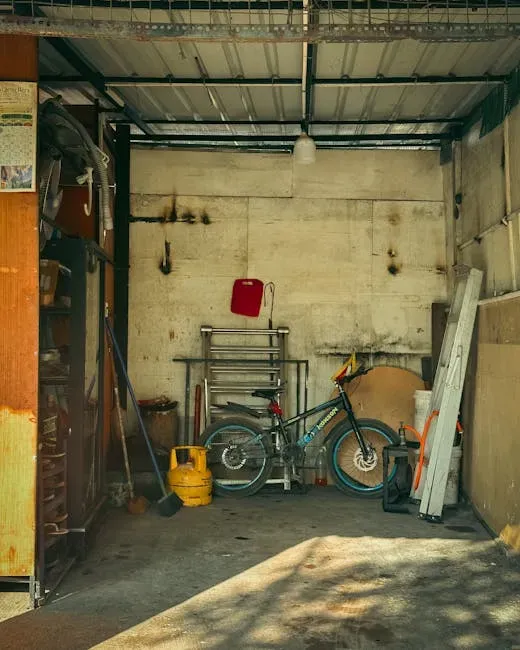
1. Converting the Garage Into Living Space (Image Credits: Pexels)
Garage conversions, such as turning the space into an office, bedroom, or gym, are practical in some cases but can backfire at resale. A converted garage removes valuable parking and storage, which are often high on buyers' priority lists. The trade-off sounds reasonable on paper, but the numbers tell a different story.
On average, homeowners spend around $10,000 to convert their garage into a living space, but this home improvement does not add value to most homes. Most buyers prefer a functional garage to an extended living area. Listings that mention garages are associated with a slight sales premium of 0.3%, according to Zillow's 2024 analysis of listings data. Parking is often tight in urban areas, and with the high price of cars, homes that allow for safe parking could have an edge over homes without a garage.
2. Installing an In-Ground Swimming Pool
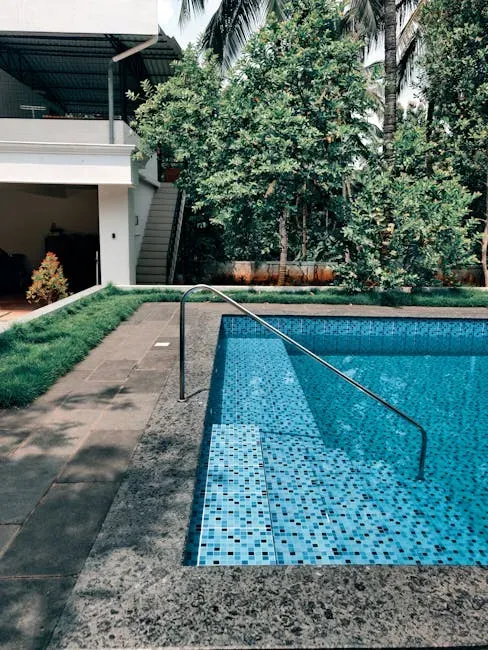
2. Installing an In-Ground Swimming Pool (Image Credits: Pexels)
Many homeowners dream of a backyard oasis, but installing an expensive in-ground pool solely for investment purposes is rarely a winning strategy. The majority of buyers view pools as a significant financial burden rather than a selling point. The enthusiasm you feel during a hot summer rarely matches what prospective buyers feel when they calculate the upkeep.
Installing a pool can cost upwards of $30,000, with yearly maintenance running between $3,000 and $5,000. In some areas, particularly those with cooler climates or family-oriented neighborhoods, a pool can be seen as a safety hazard or an expensive maintenance burden. Be aware that pools also reduce usable yard space for other activities, such as gardening or play areas.
3. A High-End Kitchen Remodel That Overshoots the Neighborhood
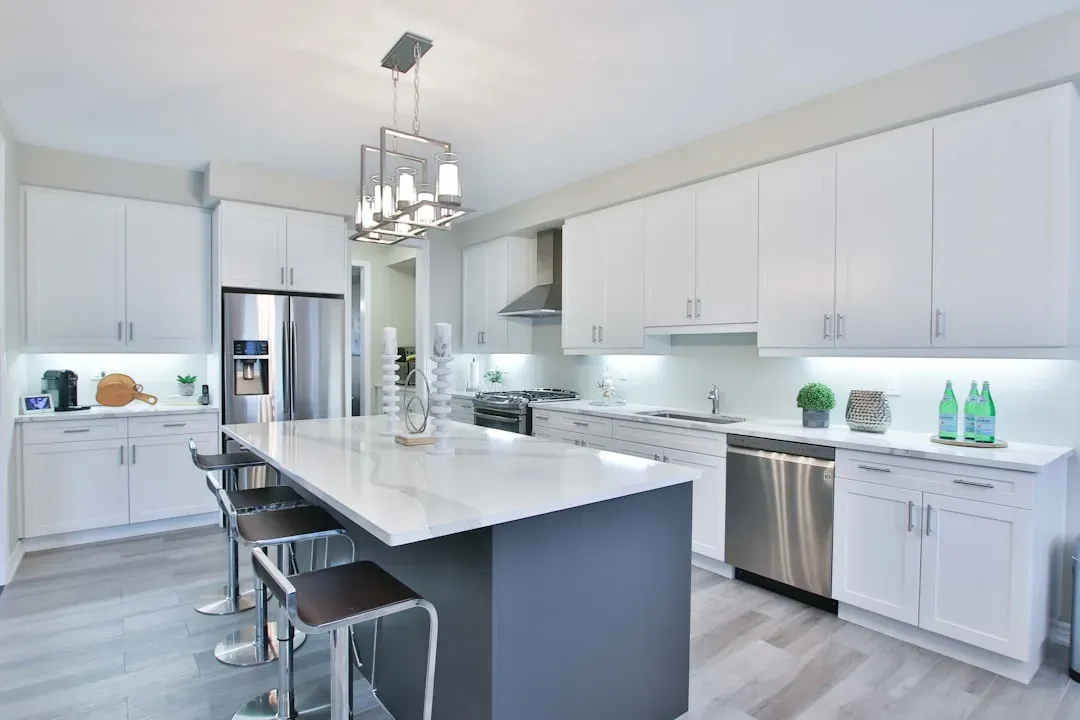
3. A High-End Kitchen Remodel That Overshoots the Neighborhood (Image Credits: Unsplash)
Buyers want an upgraded kitchen, but renovating your kitchen high-end won't guarantee you'll get your money back when it's time to sell. A major kitchen remodel typically returns only about 59 percent of your investment, according to a CNBC report. Going beyond that with premium appliances and custom finishes tends to make the gap even worse.
Over-improving a house with high-end finishes that far exceed the quality of neighboring homes creates an imbalance that the local market cannot support. Being the most expensive house on the block means you are capped by lower-priced comparables. You rarely recoup the cost of premium materials if the neighborhood standard is mid-range. A smart refresh of outdated countertops and appliances almost always outperforms a complete gut renovation.
4. Removing a Bedroom to Expand Another Room
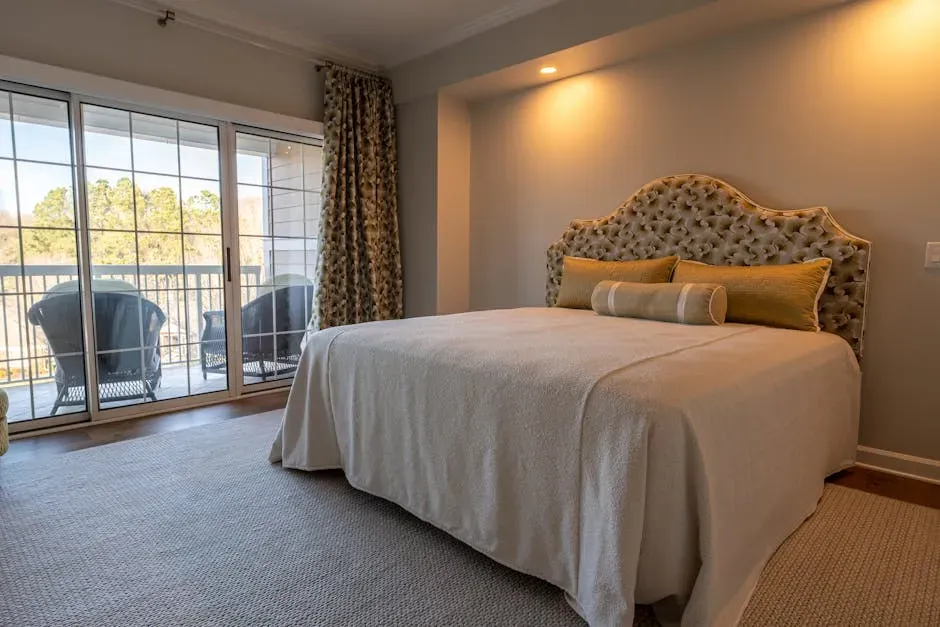
4. Removing a Bedroom to Expand Another Room (Image Credits: Pexels)
You may like big bedrooms, but that doesn't mean potential buyers will. If you combine two small bedrooms to make one big bedroom, you may turn off buyers looking for more bedrooms to accommodate a growing family. Bedroom count is one of the primary search filters buyers use, so losing even one room quietly shrinks your potential audience.
Deciding to sacrifice a bedroom to combine it with another to create a spacious primary suite or a walk-in closet can lower your property appraisal and limit your home's marketability. Experts advise keeping your bedroom count the same as the neighborhood average. Home shoppers usually search for homes based on the number of bedrooms, and a home's value is derived in part from the number of bedrooms it has. A bedroom is going to be more valuable to most buyers than a walk-in closet.
5. Installing Overly Bold or Highly Personalized Finishes
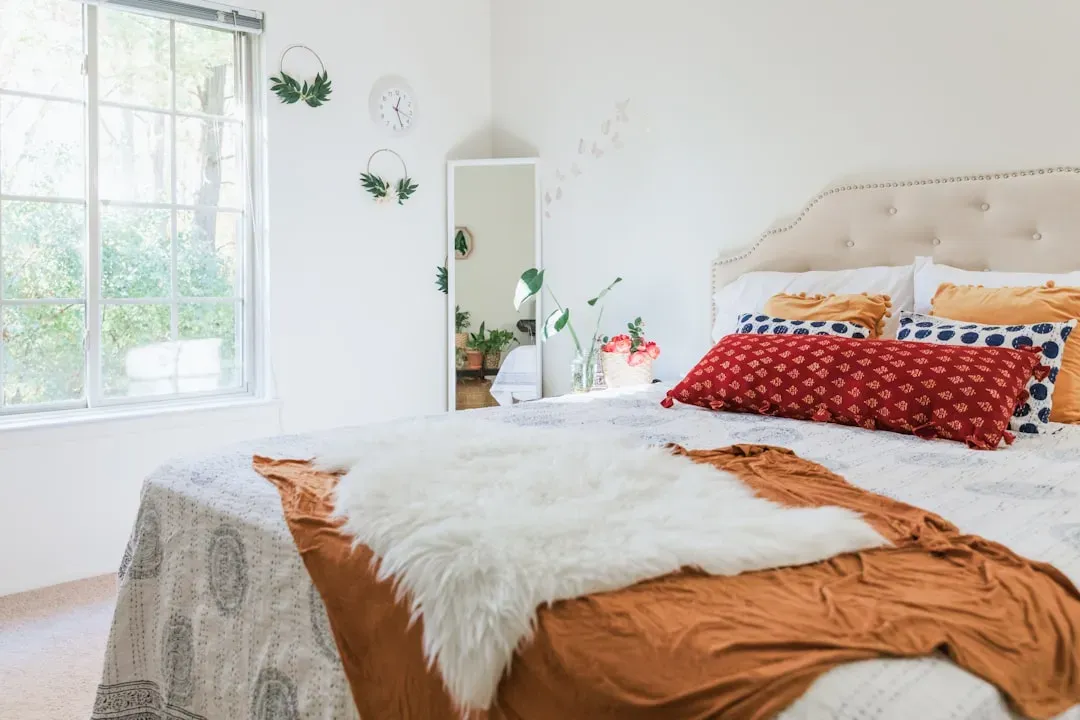
5. Installing Overly Bold or Highly Personalized Finishes (Image Credits: Unsplash)
Over-the-top designs or highly specific customizations can significantly limit the market appeal of your home, no matter how much you put into them. Unique design choices, such as bold colors, intricate wallpapers, or unconventional fixtures, may deter potential buyers who prefer a more neutral palette or envision their personal touches in the space.
Permanent conversions for niche hobbies, such as soundproof recording studios, built-in darkrooms, or wine cellars that replace pantries, can be detrimental. Converting a functional living space into a permanent area for a niche interest forces future buyers to calculate the cost of reversing your work. Themed rooms often signal future renovation work, which can discourage offers. Keeping bold design choices in furniture and decor, rather than in structural finishes, is the far safer path.
6. Wallpaper Throughout the Home
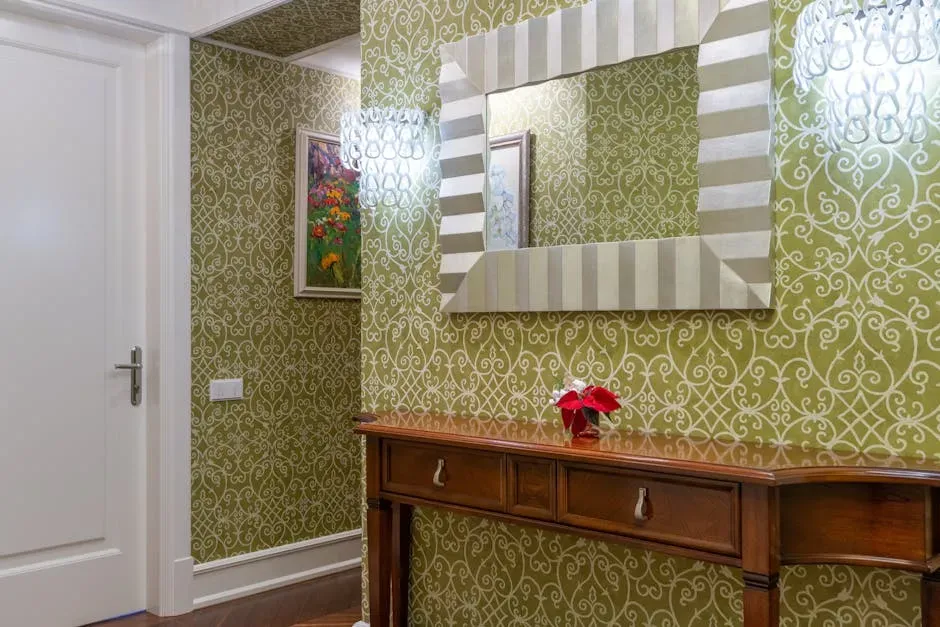
6. Wallpaper Throughout the Home (Image Credits: Pexels)
Wallpaper is making a comeback, but a pattern and color scheme that you love may not appeal to a majority of buyers. On average, installing wallpaper costs homeowners $800 to $1,200, and this cost likely won't be recovered when it's time to sell. Wallpaper removal is also a notoriously time-consuming and messy job.
Wallpaper is highly personal, and a pattern that appeals to you may or may not appeal to a wide range of buyers. Most real estate agents recommend removing wallpaper before selling your home to create a neutral interior with mass appeal. If you're thinking of revamping your walls, consider hiring a professional to apply a fresh coat of light gray, beige, or white paint instead. It's one of the simplest cases where less is genuinely more.
7. Elaborate Outdoor Kitchens and High-Maintenance Landscaping
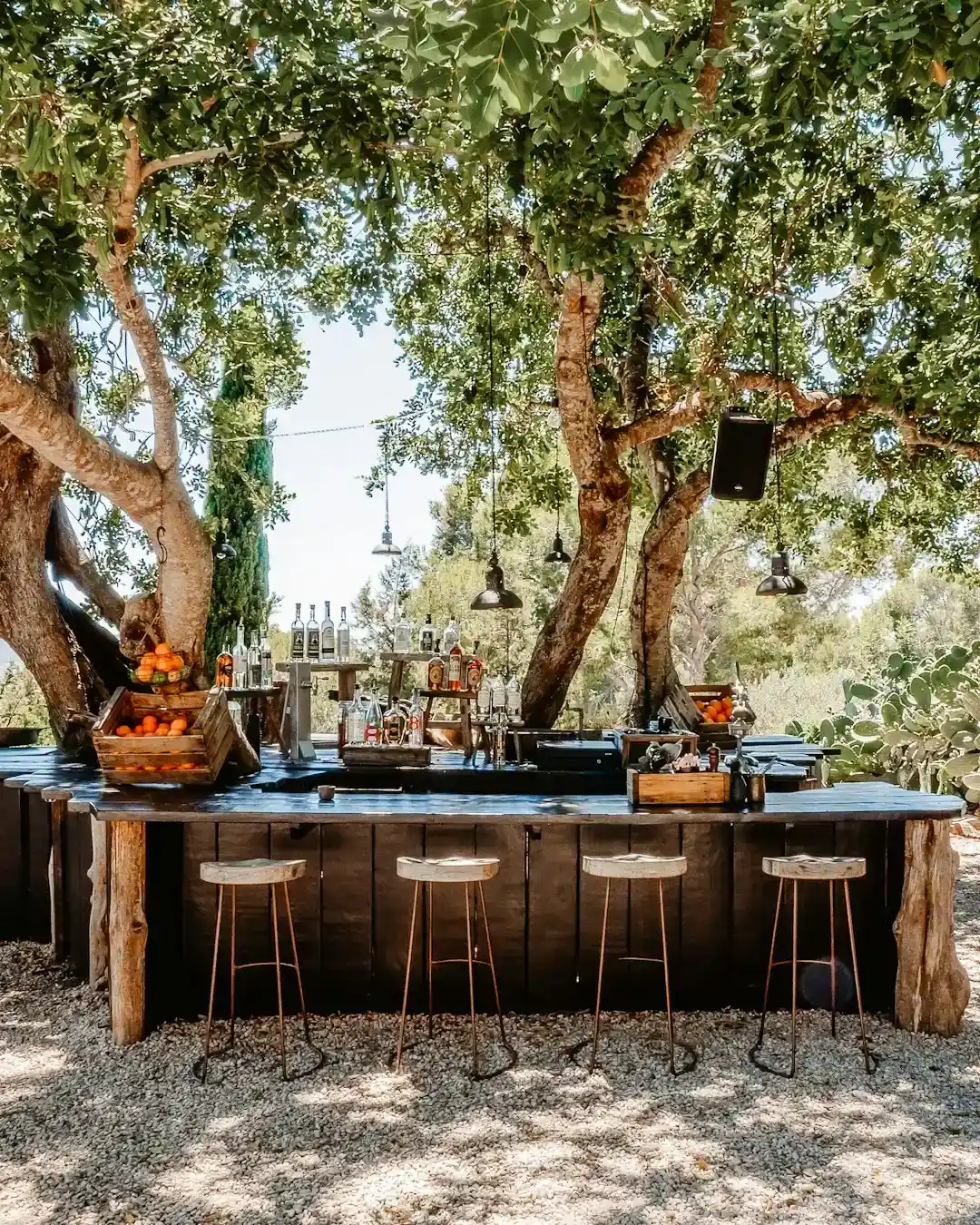
7. Elaborate Outdoor Kitchens and High-Maintenance Landscaping (Image Credits: Unsplash)
Going overboard with elaborate landscaping or high-end outdoor additions like fountains, koi ponds, or deck remodels with custom stonework rarely offers a good return on investment. These are items that may be unnecessary or not valued by buyers, as upgrades can be costly to maintain, and may be seen as burdens rather than benefits. Most potential buyers prioritize low-maintenance yards that are easy to personalize.
Outdoor kitchens can be maintenance-intensive, which may deter prospective homebuyers. Everything exposed to the elements ages faster, and buyers know it. Outdoor fire features can be great for entertaining and adding character to your property, but they're probably not going to boost your home's value enough to recover the cost. According to NAR's 2023 outdoor remodeling impact report, a dry stacked fire feature with gas burners and a small flagstone patio would cost about $9,000, but only recover about $5,000, a cost recovery of just 56%.
8. Removing the Only Bathtub in the Home

8. Removing the Only Bathtub in the Home (Image Credits: Unsplash)
Eliminating and replacing a bathtub with a shower only is a renovation that can hurt your home's value. It seems like a logical modernization, especially for homeowners who never use the tub. The problem is that many buyers, particularly families with young children, consider at least one bathtub a non-negotiable feature.
Removing or dramatically altering bathrooms, such as eliminating a full bathroom to create a larger suite, can be risky. The number of bathrooms in a house is a significant factor for potential buyers, and reducing this number may negatively impact the home's value. A property generally needs at least one tub to retain full market value. If you want a more spa-like shower experience, adding it alongside an existing tub almost always makes more sense than replacing it entirely.
The common thread running through all of these renovations is the gap between personal taste and broad market appeal. What feels like an upgrade to the person living in the home can register as a problem, or even a project, to the buyer walking through it. The most reliable renovations tend to be the least glamorous ones: neutral paint, functional storage, maintained essentials. Spending less thoughtfully often outperforms spending more boldly.