
There’s a certain kind of pleasure that lives in the space between who you present yourself to be and who you actually are at 10 p.m. on a Tuesday. Not dark secrets or anything remotely scandalous. Just small, honest enjoyments that feel slightly too real or too contradictory to mention at a dinner table without receiving a raised eyebrow.
Guilty pleasures are things people enjoy but often feel embarrassed or ashamed about because they’re seen as low-brow or socially unacceptable. Feeling guilty about these pleasures usually comes from internalized social norms rather than actual harm. For women especially, the gap between private enjoyment and public admission can feel wider than it probably should. Here are eight of those things, spoken out loud at last.
1. Falling Asleep to True Crime Podcasts

1. Falling Asleep to True Crime Podcasts (Image Credits: Unsplash)
Users who tune in to true crime content are more likely to be female than male. A YouGov survey found that roughly 58 percent of women say they enjoy true crime compared to 42 percent of their male counterparts. That number climbs even higher in the podcast world. Researchers Kelli Boling and Kevin Hull explored the primary audience of true crime podcasts and found that nearly three quarters of true crime podcast listeners are female.
What’s quietly remarkable is not just the listening, but the timing. Many women prefer to doze off to stories about stalking, kidnapping, and murder. The answer seems to lie between the calmness they experience from hearing soothing voices and the protection they feel from “knowing how to catch criminals” and prepare themselves for the unexpected. Nobody wants to explain that over brunch.
2. Genuinely Loving Trashy Reality TV

2. Genuinely Loving Trashy Reality TV (Image Credits: Pexels)
There is a particular joy in watching a group of strangers argue dramatically on a Mediterranean island, and most women who feel it will describe it as a guilty watch rather than a genuine passion. In everyday language, a guilty pleasure refers to instances where one feels bad about enjoying something, involving the feeling that one should not enjoy it and that there are norms according to which some responses are more appropriate than others. Reality TV sits squarely in that territory for a lot of women who otherwise consider their tastes fairly refined.
Why do people feel guilty about things they enjoy, like low-brow TV? In one study, researchers found that people tended to feel guilty when it seemed like they were going against personal or social norms of what they felt was acceptable to like and enjoy. The actual content rarely matters. It’s the perceived judgment of others that creates the hesitation to admit it openly.
3. The Deeply Satisfying Pleasure of a Completely Empty House
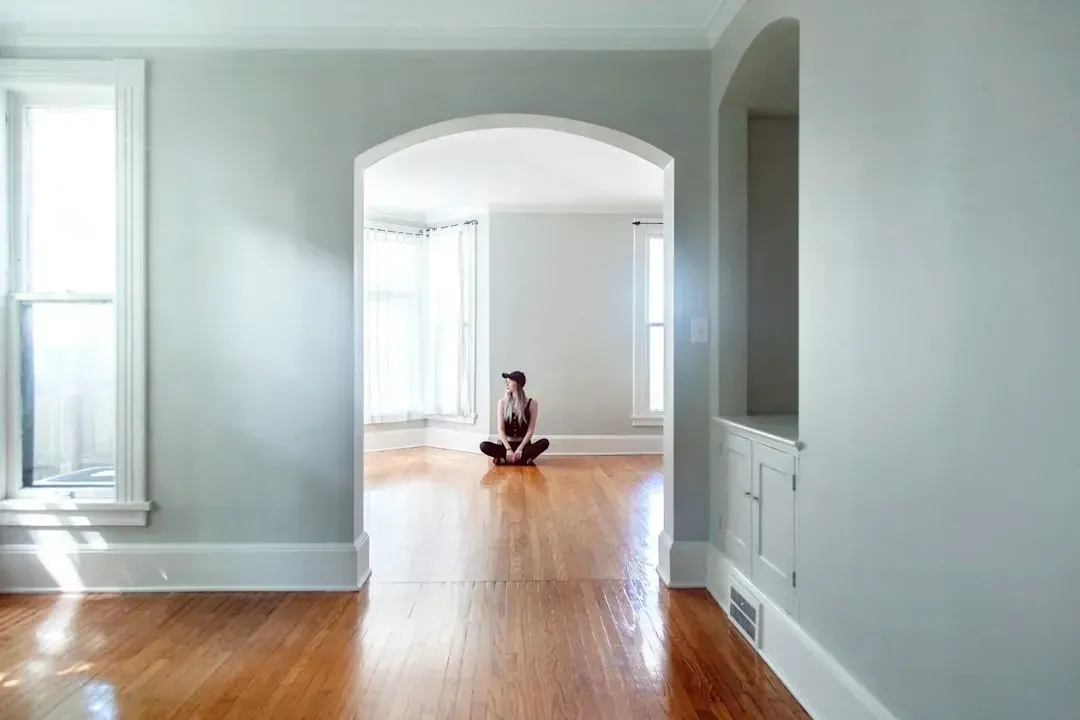
3. The Deeply Satisfying Pleasure of a Completely Empty House (Image Credits: Unsplash)
Few things feel quite as restorative as the moment the last person leaves and the house goes silent. Solitude allows women to prioritize self-care and wellbeing. Many women view solitude as essential for healing and rejuvenation, highlighting its significance in promoting overall wellbeing. Yet admitting that you genuinely savored the quiet, that you didn’t miss anyone, still feels socially awkward in a culture that prizes togetherness.
In 2024, roughly 56 percent of Americans consider time spent alone essential for their psychological balance. Solitude reduces emotional overload and allows time for reflection, which can lead to better emotional regulation and decision-making. Research also suggests that solitude can improve self-awareness and reduce anxiety. Most women know this instinctively. They just don’t always say it.
4. Replaying a Fictional Argument They Won Flawlessly in Their Head

4. Replaying a Fictional Argument They Won Flawlessly in Their Head (Image Credits: Pixabay)
The mental rerun of a conflict, one where every comeback lands perfectly and the other person has no good response, is an experience so common it almost deserves its own word. It offers a sense of control and resolution that real-life conversations rarely provide. Many psychologists believe guilt motivates people to follow social norms. Guilt is a self-conscious emotion that includes our perception of how others value us.
Rehearsing imagined conversations is a recognized cognitive pattern. It can serve as emotional processing, helping people organize their thoughts and prepare for future encounters. The reason women rarely mention it isn’t that it’s unusual. It’s that it sounds slightly unhinged when described out loud, which is precisely what makes it so relatable.
5. Eating Something Entirely Unserious for Dinner, Alone, With Zero Apology

5. Eating Something Entirely Unserious for Dinner, Alone, With Zero Apology (Image Credits: Unsplash)
Crackers and cheese. A bowl of cereal at 7 p.m. Toast with an excessive amount of butter and nothing else on the side. When no one else is watching, many women construct meals that would never pass as dinner in any social context, and they enjoy every single bite. Enjoying guilty pleasures in moderation and without worrying about others’ judgments can help you accept your interests and find supportive communities.
Solitude allows women to take a step back from constant connectivity, offering space for emotional clarity, creativity, and self-discovery. Part of that self-discovery, it turns out, is learning that you genuinely prefer soft bread and spreadable cheese to a balanced plate when the choice is entirely yours. It’s a small freedom, but it’s a real one.
6. Googling an Ex Just to Check (and Feeling Fine About What They Find)

6. Googling an Ex Just to Check (and Feeling Fine About What They Find) (Image Credits: Pixabay)
No contact, no emotional attachment, just occasionally wondering how someone turned out. Through three studies, researchers investigated people’s experiences of guilty pleasures and tentatively concluded that guilty pleasures are more often connected to personal norms and social expectations than to properly aesthetic norms. Looking someone up falls exactly in this category. There’s nothing harmful in it, yet the social script around exes demands performed indifference.
The search itself is often less about longing and more about narrative closure, confirming that a chapter is genuinely finished. The study of guilty pleasures focuses on how people navigate feelings of both positive and negative emotions simultaneously. Researchers describe this as a useful way to understand how people navigate ambivalence on a daily basis. Most women have done it. Almost none will admit it unprompted.
7. Obsessively Organizing Something No One Else Will Ever Notice

7. Obsessively Organizing Something No One Else Will Ever Notice (Image Credits: Pexels)
A perfectly arranged spice shelf. A color-coded wardrobe that took two hours to sort through. A folder structure in an email inbox that could function as a small filing system for a law firm. These quiet organizational projects produce a very specific kind of satisfaction that doesn’t translate well in conversation. Research suggests that solitude is crucial for personal development and independence, particularly for women. Spending time alone fosters a sense of self-reliance, enabling women to make decisions based on their own needs and desires rather than external influences.
For many women, solitude creates the perfect space to rediscover forgotten passions or hobbies. Whether it’s reading, painting, or exploring new interests, these moments of introspection provide insight into what truly brings joy. For some, that turns out to be an alphabetized pantry that no one in the household will ever maintain. The joy is real, even if the motivation defies easy explanation.
8. Genuinely Preferring the Imagined Version of a Plan Over Actually Going

8. Genuinely Preferring the Imagined Version of a Plan Over Actually Going (Image Credits: Unsplash)
The excited yes. The outfit consideration. The mental vision of a fun evening. Followed by the quiet, enormous relief when the other person cancels. Psychologists are revealing that choosing to be alone can be a beneficial move for mental and emotional well-being. This “positive solitude” is fundamentally different from the social isolation often criticized in the media. It offers a space to reconnect with oneself, a dimension that our hyper-connected society tends to overlook or even stigmatize.
Positive solitude is a deliberate choice to spend time alone, whereas social isolation is an unwanted absence of relationships. Being alone doesn’t mean being unhappy; when it’s chosen and not imposed, solitude can be experienced as a connection to oneself, forming a fundamental pillar of mental health. The woman who texts back “No worries, next time!” with a hidden smile knows exactly what this means, and she’s in very good company.
The thread running through all eight of these is not contradiction or hypocrisy. It’s the gap between how social life asks women to present themselves and what they actually find meaningful, funny, restorative, or satisfying when no one is grading their taste. That gap, as it turns out, is often where the most honest pleasures live.