
Every generation has its tells, the small habits that give away exactly when someone was born without them saying a word. Millennials, now mostly in their late twenties through early forties, carry a specific set of behaviors into holiday dinners and backyard barbecues that Gen Z finds baffling and Boomers find exhausting. Some of it is nostalgia. Some of it is trauma from the 2008 recession. Most of it is just muscle memory from growing up at the exact midpoint between analog and digital life.
1. Photographing the food before anyone touches it
1. Photographing the food before anyone touches it (Image Credits: Unsplash)
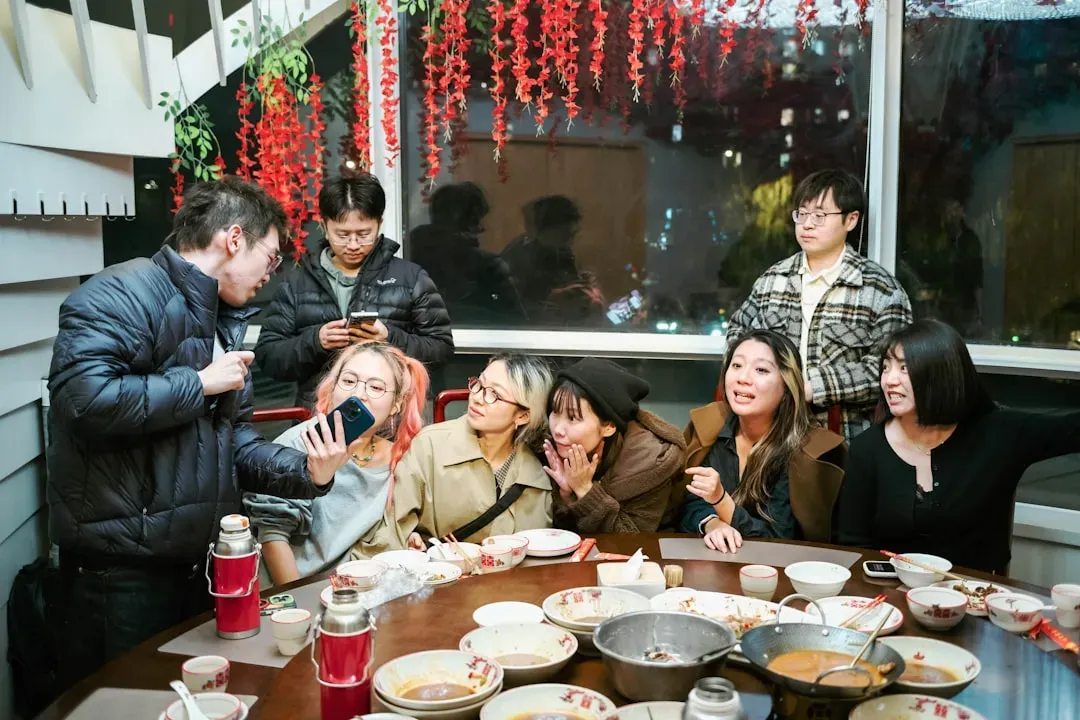
There’s a specific pause that happens right when the turkey or lasagna hits the table, and it belongs almost entirely to millennials. Phones come out, angles get adjusted, someone asks everyone to wait just one more second, and the food cools slightly while a slightly overexposed photo gets uploaded to Instagram. This habit traces back to the platform’s early 2010s food photography boom, when millennials were the primary demographic driving its growth.
Younger relatives usually skip this step entirely or do a quick video instead, since TikTok and BeReal culture favors motion and spontaneity over the static, styled shot. Older relatives just want to eat. Millennials, caught in the middle, still feel a low hum of obligation to document the meal like it’s going in a magazine.
2. Bringing up a childhood show or toy nobody under thirty recognizes

2. Bringing up a childhood show or toy nobody under thirty recognizes (Image Credits: Pexels)
Someone always mentions Tamagotchis, Lisa Frank folders, or the exact sound a dial up modem made, and it always lands as a total mystery to anyone born after 2005. This isn’t just sentimentality. Millennials grew up as the first generation to experience a full technological transition within a single childhood, going from landlines to smartphones before turning thirty.
That whiplash created an unusually strong attachment to specific cultural touchstones, from Blockbuster nights to early internet chat rooms. Bringing them up at gatherings functions almost like a generational password, instantly recognized by anyone born between 1981 and 1996 and instantly confusing to everyone else at the table.
3. Asking if there's a vegetarian or gluten free option before even sitting down

3. Asking if there's a vegetarian or gluten free option before even sitting down (Image Credits: Unsplash)
Dietary questions used to be rare at family meals, but millennials normalized asking about them well before anyone else did. Survey data from food industry groups has repeatedly shown millennials are more likely than older generations to identify as vegetarian, vegan, or flexitarian, and that shift shows up loudly at holiday tables. It’s rarely about being difficult. It’s often about a decade of restaurant menus that made asking feel completely ordinary.
Older relatives sometimes bristle a little, treating the question as unnecessary fuss over a meal that’s always been the same. Millennials, meanwhile, see it as basic courtesy, shaped by years of eating out in cities where dietary customization became the norm rather than the exception.
4. Explaining a meme that nobody asked about
4. Explaining a meme that nobody asked about (Image Credits: Unsplash)
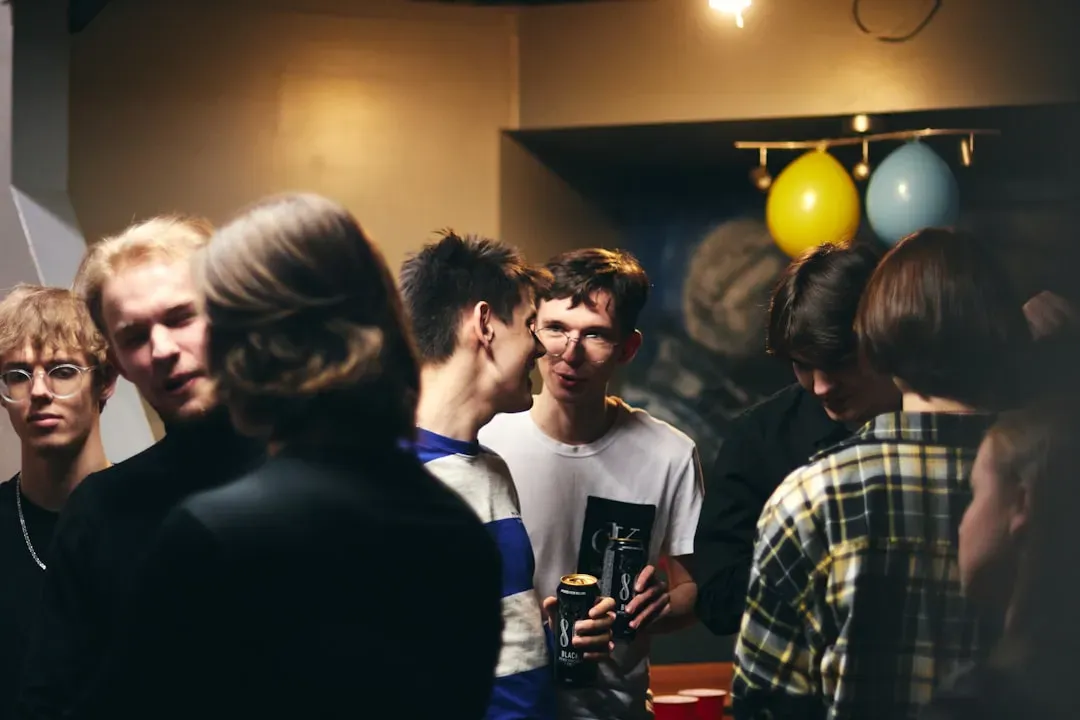
At some point during the gathering, a millennial will reference a meme, then immediately feel compelled to explain its origin story in more detail than anyone requested. This comes from having watched internet humor evolve in real time, from early 2000s forums to Vine to today’s fast moving meme cycles. Millennials didn’t inherit meme culture, they helped build it, so there’s a mild instinct to contextualize a joke rather than just let it land.
Gen Z relatives usually respond with a flat “I know” or don’t react at all, since for them the meme is just current, not historical. The generational gap here isn’t about humor itself, it’s about millennials treating internet culture as something with a documented past worth narrating.
5. Complaining about student loans, even at a totally unrelated event

5. Complaining about student loans, even at a totally unrelated event (Image Credits: Gallery Image)
It doesn’t matter if the gathering is a birthday party or a baby shower, student debt has a way of entering the conversation. This isn’t random venting. Federal Reserve data has consistently shown millennials carry a disproportionate share of national student loan debt compared to other generations, a burden tied directly to the sharp rise in college tuition during the 2000s and 2010s.
The topic tends to surface especially around news cycles involving loan forgiveness programs or interest rate changes, both of which remained active policy discussions into 2025 and 2026. For many millennials, the debt isn’t background noise, it’s a financial reality still shaping decisions about homeownership and savings well into their thirties and forties.
6. Correcting relatives who spread misinformation from Facebook
6. Correcting relatives who spread misinformation from Facebook (Image Credits: Pixabay)
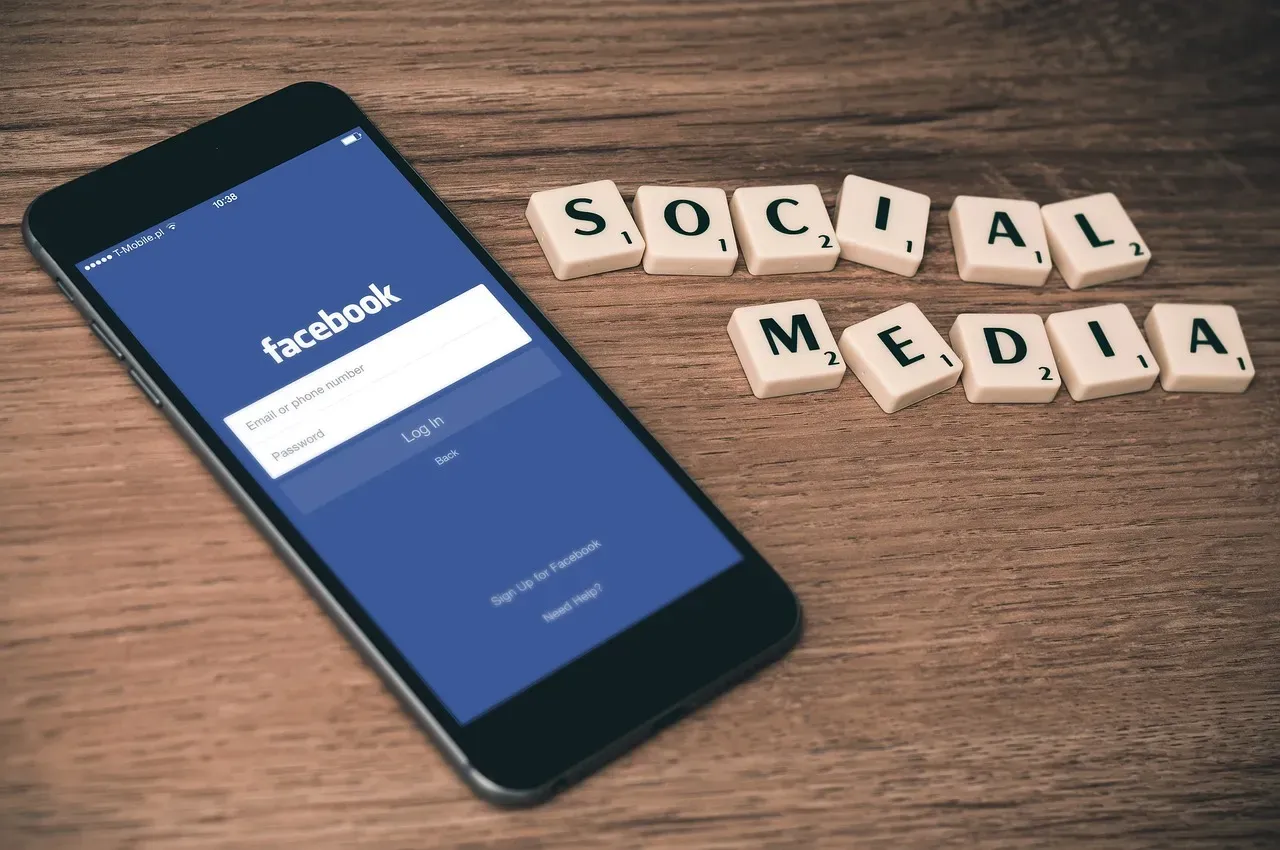
Somewhere between dessert and coffee, a millennial ends up gently, or not so gently, fact checking something an older relative read online. This role often falls to millennials specifically because they straddle two information ecosystems, comfortable with older platforms like Facebook where many parents and grandparents get news, while also being fluent enough in digital literacy to spot obviously false claims.
Pew Research has documented that Facebook remains one of the most common sources of news, and misinformation, for older adults, which puts millennials in an awkward but familiar mediating position. It’s less about being right and more about years of watching news feeds shift from mostly reliable to increasingly cluttered with unverified content.
7. Bringing a "signature dish" that's actually from a meal kit or recipe app
7. Bringing a "signature dish" that's actually from a meal kit or recipe app (Image Credits: Unsplash)
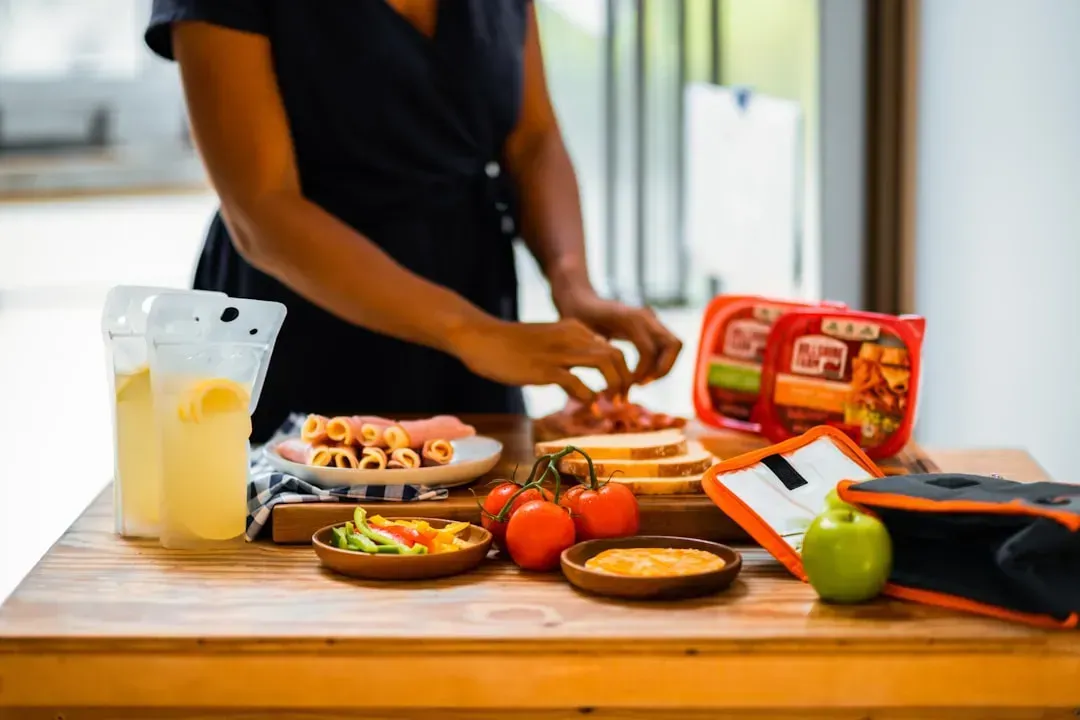
Millennials love showing up with something homemade, but the backstory often involves a subscription meal kit or a recipe pulled from an app the night before. This isn’t laziness so much as a byproduct of growing up during the rise of services that made cooking feel more approachable through step by step guidance. Companies built entire business models around exactly this millennial comfort zone, offering pre-measured ingredients and simplified instructions.
The dish usually gets genuine compliments, and the millennial usually mentions, unprompted, exactly which app or kit made it possible. Older relatives sometimes find this baffling, since their own cooking knowledge was passed down through family recipes rather than a phone screen.
8. Checking work email or Slack messages under the table

8. Checking work email or Slack messages under the table (Image Credits: Pexels)
Even at a purely social gathering, there’s often a moment where a millennial quietly glances at a phone under the table to check a work notification. This habit reflects a broader shift in work culture that intensified during the pandemic years, when remote work blurred the boundaries between personal time and professional availability. Surveys on workplace burnout have repeatedly identified millennials as the generation most likely to report feeling unable to fully disconnect from work outside office hours.
It’s not necessarily about ambition. It’s often about anxiety built up during a career that started right as the 2008 financial crisis reshaped job security expectations, followed by another disruption during the pandemic. That combination left a lingering, low level vigilance that shows up even during a relaxed Sunday dinner.
These habits aren’t really flaws, they’re artifacts of a specific historical moment. Millennials came of age during a stretch of rapid technological and economic change, and those experiences quietly shape everything from how they eat to how they relax, even at something as simple as a family gathering.