
A napkin seems like the least complicated object on a table, yet it quietly reveals more about someone's upbringing and social awareness than almost any other utensil in the room. Etiquette experts have long pointed out that small, unconscious gestures with a napkin often speak louder than actual conversation at a dinner table. Before the main course even arrives, observant company may have already formed an impression based on how that folded piece of cloth or paper gets handled.
Tucking It Into Your Collar Like a Bib
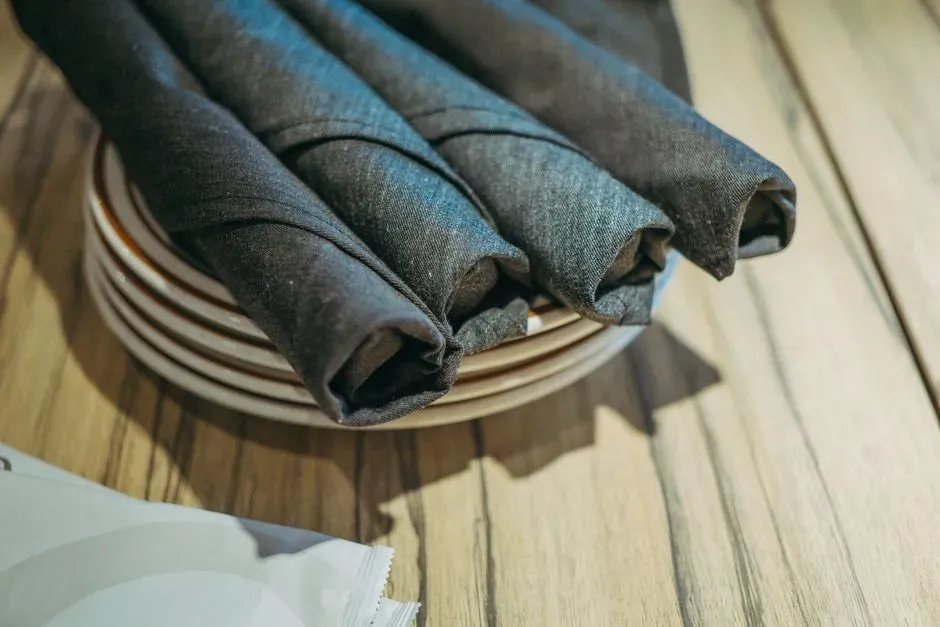
Tucking It Into Your Collar Like a Bib (Image Credits: Pexels)
Tucking a napkin into a shirt collar or waistband might feel practical, especially when the meal involves sauce or seafood, but it reads as a distinctly childish habit at a formal or semi formal table. The proper placement, according to long standing etiquette guidance from institutions like The Emily Post Institute, is unfolded across the lap, not affixed to clothing.
This habit tends to draw quiet attention precisely because it treats the napkin as a shield rather than a tool. Adults who tuck napkins into their collars are often unconsciously signaling that they expect to make a mess, which itself can feel like an admission of sloppy eating before a single bite is taken.
Using It to Blow Your Nose

Using It to Blow Your Nose (Image Credits: Pexels)
Few napkin mistakes cause as much visible discomfort at a table as someone using it to blow their nose. Etiquette professionals consistently list this as one of the clearest lines between acceptable and unacceptable table behavior, since the napkin is meant strictly for dabbing the mouth and fingers, not for handling nasal fluids.
If a sudden sneeze or runny nose happens, the polite move is to excuse oneself and step away from the table entirely, using a tissue instead. Reaching for the napkin in that moment, even briefly, tends to be remembered by other diners far longer than the excuse for leaving would have been.
Wiping Lipstick or Makeup Onto It
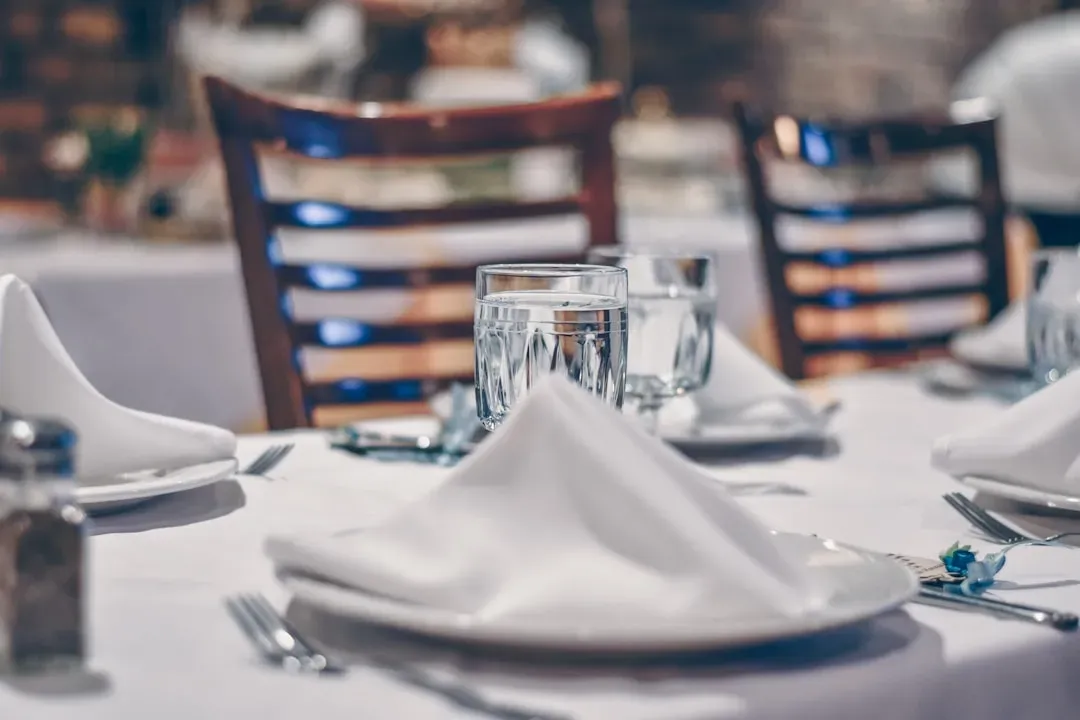
Wiping Lipstick or Makeup Onto It (Image Credits: Unsplash)
Using a shared or restaurant issued napkin to wipe off lipstick, foundation, or other makeup is generally considered a breach of dining etiquette because it stains the fabric and can visibly transfer product for other diners or staff to notice. Formal etiquette guides recommend blotting lightly before a meal begins rather than using the napkin mid meal as a makeup removal tool.
The issue is not vanity itself but timing and public visibility. Doing this openly at the table, especially in a restaurant with cloth napkins meant for reuse, shifts a private grooming habit into a shared space where it becomes someone else's problem to clean.
Refolding It Too Neatly When You Leave
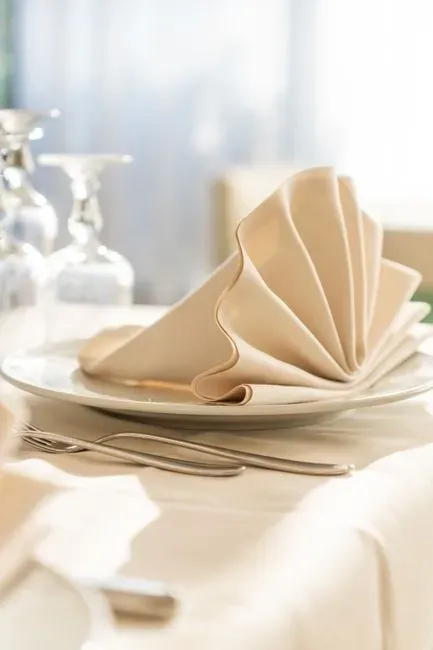
Refolding It Too Neatly When You Leave (Image Credits: Pexels)
It sounds like a small courtesy, but neatly refolding a napkin into its original crisp shape after a meal is actually a subtle etiquette misstep at many formal tables. The Emily Post Institute and similar etiquette authorities note that a used napkin should be left loosely gathered, not folded, since a too tidy fold can signal to the host or waitstaff that it was barely used.
The correct approach is simply to place it to the left of the plate in loose folds when leaving the table temporarily, or in the center of the setting at meal's end. A napkin folded like new can unintentionally suggest either that the diner did not eat properly or that they are being overly fussy about presentation.
Twisting or Wringing It During Conversation
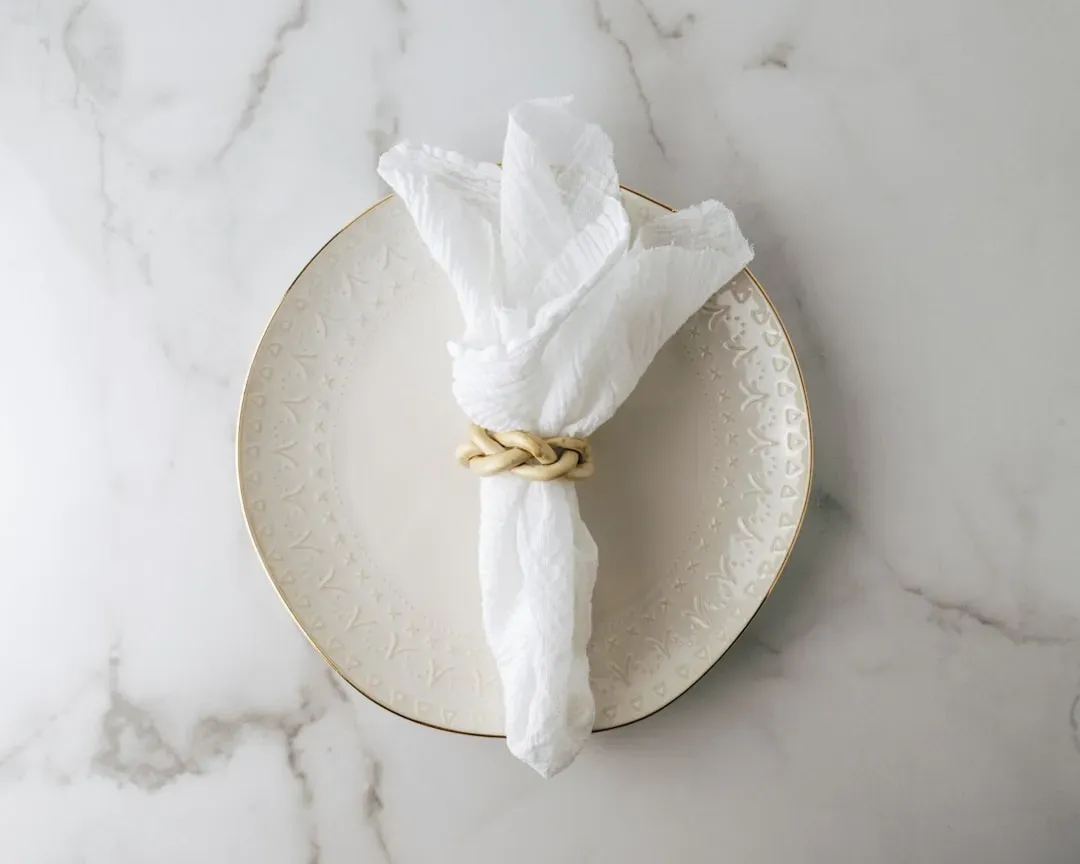
Twisting or Wringing It During Conversation (Image Credits: Unsplash)
Nervously twisting, rolling, or wringing a napkin during a lull in conversation is one of those habits people rarely notice in themselves but that others pick up on almost immediately. It reads as visible anxiety or impatience, and at a business dinner or first meeting with in laws, it can undercut an otherwise composed impression.
Unlike tapping a foot under the table, this behavior happens in plain sight, right where hands are supposed to be calmly managing food and drink. Etiquette coaches often mention this as one of the more common physical tells because the napkin is within easy reach and becomes an unconscious outlet for fidgeting.
Leaving It on the Chair When Standing
Leaving It on the Chair When Standing (By Patrick Pelletier, <a href="https://commons.wikimedia.org/w/index.php?curid=33555562" target="_blank" rel="noopener">CC BY-SA 3.0</a>)
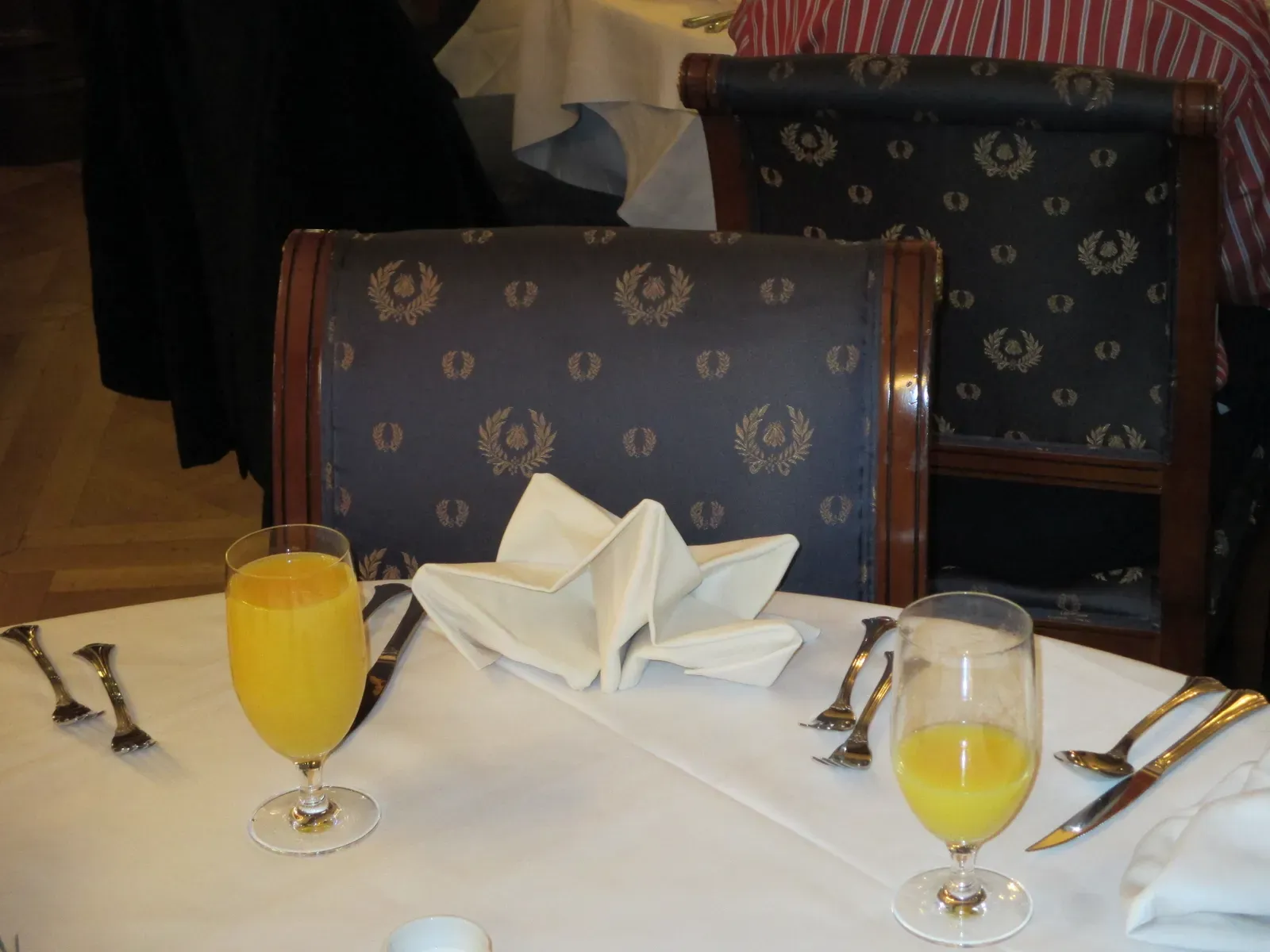
When stepping away from the table mid meal, whether for the restroom or a phone call, the widely accepted rule is to leave the napkin on the chair rather than on the table. Placing it back on the table before the meal has fully concluded is a small but noticeable mistake, since it visually suggests the meal is over when it is not.
This distinction matters more in restaurant settings, where staff often use napkin placement as a cue for whether to begin clearing plates. A napkin left on the table too early can result in confused service, while one properly placed on the chair signals clearly that the diner intends to return.
Using It Excessively After Every Small Bite
Using It Excessively After Every Small Bite (Image Credits: Pexels)
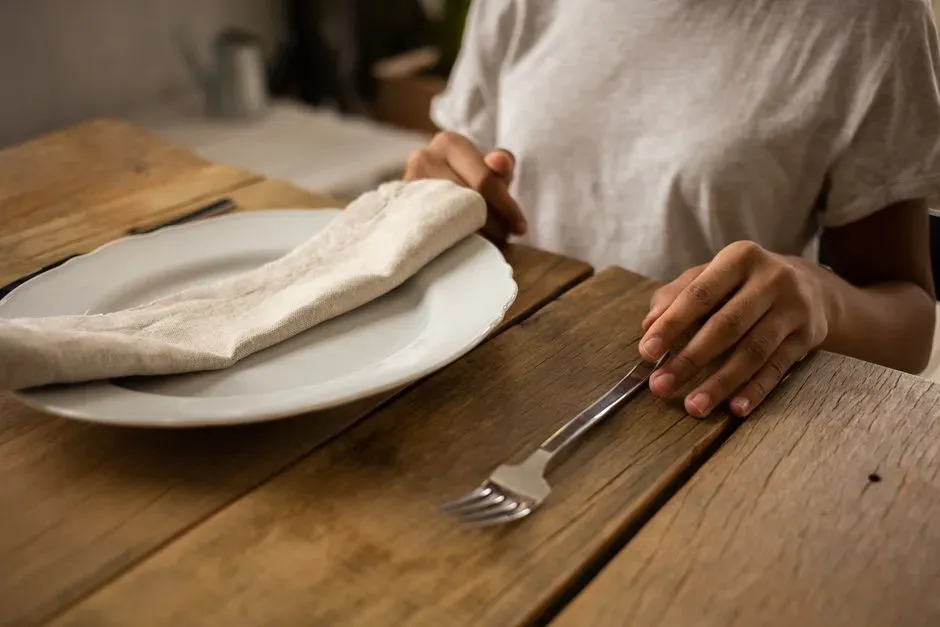
Dabbing the mouth after every single bite, even when there is nothing visible to wipe, is a habit that can come across as performative rather than polite. The generally accepted etiquette is to use the napkin when needed, particularly before taking a sip of a drink, so that no food residue transfers to the glass.
Overusing it, on the other hand, tends to draw attention to itself in the wrong way, making table companions wonder if something is wrong with the food or the diner's comfort level. A more measured, occasional dab strikes the right balance between cleanliness and unnecessary fuss.
Ignoring It Completely Throughout the Meal
Ignoring It Completely Throughout the Meal (Image Credits: Unsplash)
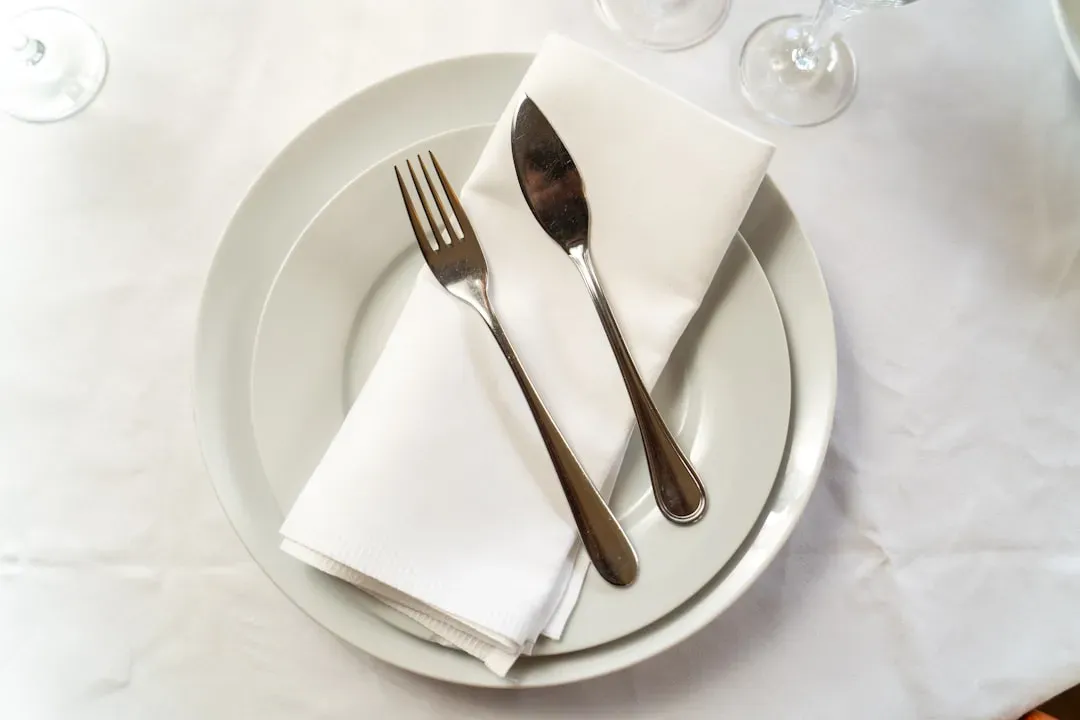
At the opposite extreme, some diners simply never touch their napkin at all, letting it sit untouched on the table or lap for the entire meal regardless of what gets spilled or smudged. This oversight is just as noticeable as overusing it, since sauce stains or crumbs left visibly on the face or hands suggest a basic disregard for the napkin's actual purpose.
Etiquette guidance is consistent on this point across formal and casual settings alike: the napkin is meant to be placed on the lap almost immediately after sitting down and used periodically throughout the meal. Skipping it entirely, whether from distraction or simple habit, tends to be one of the more obvious signals that formal dining norms were never fully learned.
Napkin etiquette is rarely taught explicitly, yet it functions as a quiet test at nearly every shared meal, from casual family dinners to formal business functions. Small adjustments, like placing it on the lap early, using it sparingly, and leaving it loosely on the chair when stepping away, cover most of what separates confident dining from noticeable missteps.