
Every parent has been there. A bedroom needs clearing, a garage is overflowing, or a big move is coming up, and suddenly everything that seemed precious just months ago looks like clutter. Bags get filled. Boxes go to the curb. And then, years later, an adult child asks, “Whatever happened to…?” The answer is rarely a comfortable one.
The true sentimental value of certain items often becomes clearer over time, sometimes when it’s too late to get them back. Items are like a time stamp. They tell us about who we were at that time in our lives, and the objects we own seem to tell that story to other people. These are nine of the most commonly mourned childhood items that parents threw away far too soon.
1. Original LEGO Sets and Star Wars LEGO in Particular
1. Original LEGO Sets and Star Wars LEGO in Particular (Image Credits: Rawpixel)
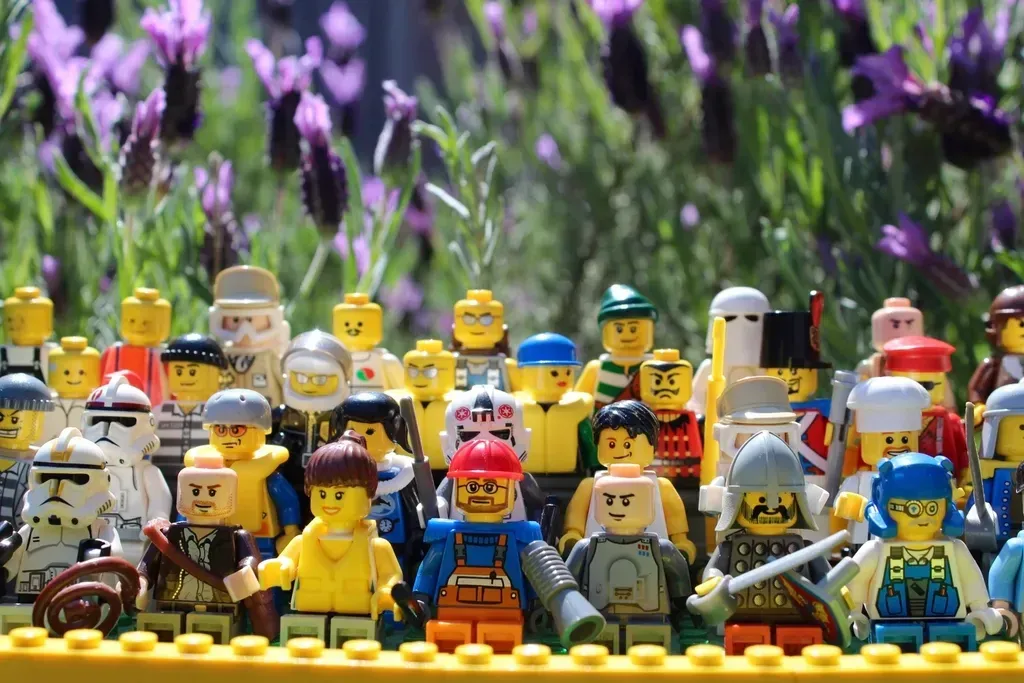
Few things look more disposable than a bin full of plastic bricks when you’re trying to reclaim a playroom. Most parents didn’t think twice about donating or tossing old LEGO sets once their kids stopped building with them. The problem, of course, is that those sets aged extremely well.
The Lego Star Wars Cloud City set sold for a remarkable £2,050, with close contenders including the Skull’s Eye Schooner Pirate Ship fetching £1,700 and the Lego Star Wars Ultimate Collectors Millennium Falcon selling for £1,120. The demand for Lego sets is extraordinary, not just in the resale market but also in online search trends. In the UK alone, searches for “Lego Star Wars” receive an average of 74,000 hits per month, and this continued demand is likely a driving factor behind their high resale value.
2. Pokémon Card Collections
2. Pokémon Card Collections (Image Credits: Unsplash)
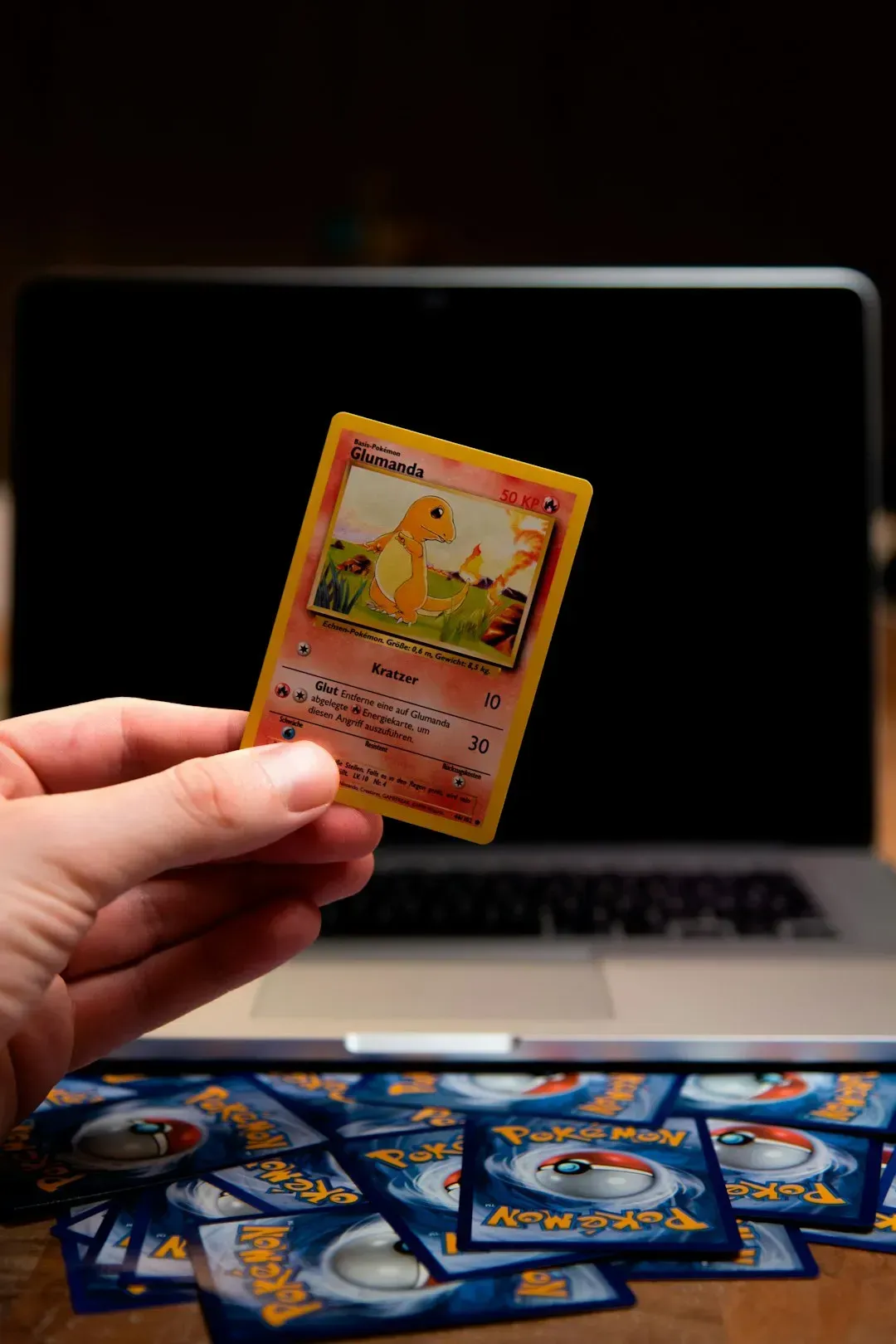
Trading card binders stuffed into shoeboxes didn’t look like much when parents were cleaning out the spare room. They were flimsy pieces of cardboard that children traded at school. Surely no one would ever want those again. That turned out to be one of the more expensive assumptions a parent could make.
No card is more iconic or valuable in English Pokémon collecting than the 1st Edition Base Set Charizard. In December 2025, an ultra-rare PSA 10 copy of this shadowless holo Charizard sold for a staggering $550,000 at Heritage Auctions, eclipsing the pandemic-era high of around $369,000. Even everyday cards carry real worth. For most collectors, the more relevant range is $50 to $500 for cards in good condition but not legendary, and the everyday market at shows hovers between $20 and $40 for most cards people encounter.
3. Vintage Star Wars Action Figures
3. Vintage Star Wars Action Figures (JD Hancock, Flickr, <a href="https://creativecommons.org/licenses/by/2.0/" target="_blank" rel="noopener">CC BY 2.0</a>)
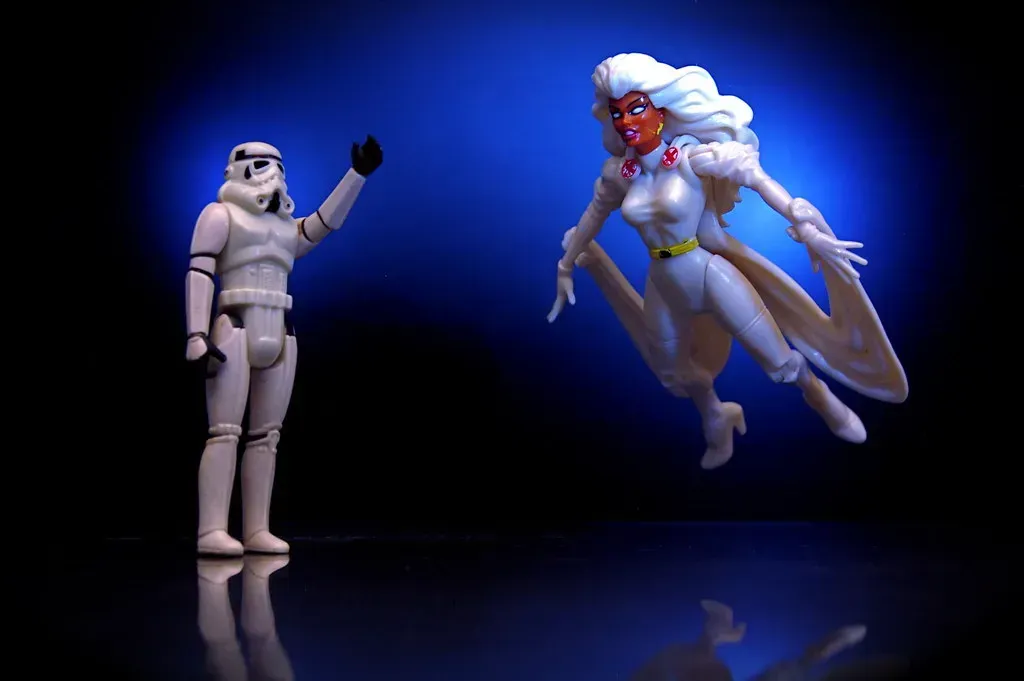
The original Star Wars toys from the late 1970s and early 1980s were played with hard. Parents kept a few, donated others, and simply tossed the ones that were missing weapons or looked too banged up to give away. That turned out to be a costly oversight, especially for any figures still in their packaging.
The Star Wars franchise, launched in 1977, spawned a plethora of toys now considered vintage collectibles. The characters immortalized in plastic have become iconic collectibles, with notable figures including the Luke Skywalker action figure from 1978 and the Boba Fett Action Figure. These figures, especially when found in mint condition or in their original packaging, can fetch astonishing prices. The Luke Skywalker figure from 1978 carries an estimated value ranging from $2,000 to $25,000, while the Boba Fett Action Figure can range from $5,000 to $32,000.
4. Fisher-Price Little People Sets
4. Fisher-Price Little People Sets (Image Credits: Pexels)
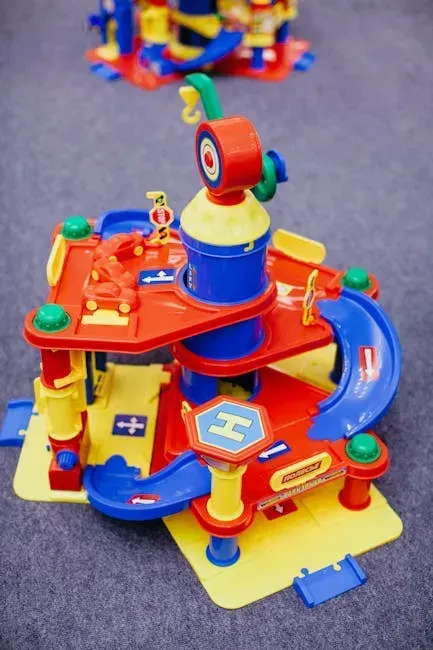
Those chunky wooden and plastic play figures from Fisher-Price were a fixture in millions of households for decades. Parents who cleared them out during decluttering sessions, or handed them along to a younger cousin, rarely imagined they’d become sought-after collector items. Complete sets, it turns out, are quite the opposite of worthless.
Vintage Little People Play Family sets can hold much value, especially when complete, as even a single missing piece can potentially reduce value by 20 to 30 percent. The Play Family Farm from 1968 was a hit with kids then and remains a favorite of collectors today. The first play-and-carry Little People set, with its pieces stored inside the barn, sees complete sets selling between $100 and $600. Certain prized sets, like the Play Family Airport, have sold for up to $1,000 when still factory-sealed.
5. Handmade Childhood Artwork
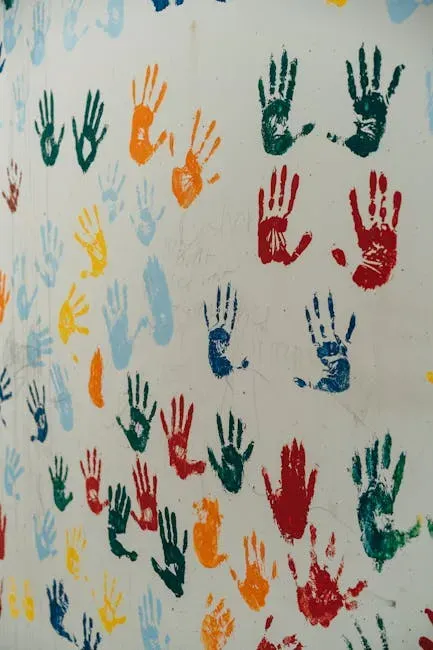
5. Handmade Childhood Artwork (Image Credits: Pexels)
Children produce artwork in enormous volumes. Finger paintings, handprint turkeys, crayon drawings of the family dog. Most parents kept a few on the fridge until new ones replaced them and then quietly slipped the old ones into the recycling. It felt practical. Years later, many wish they’d kept more.
Keeping a small sampling of handprint art from a child’s early childhood is worthwhile, because those tiny handprints lose their scale when digitized. Sentimental things evoke a strong emotional response, particularly a sense of nostalgia. When you see or hold that item, you’re reminded of a person, place, or time in your life that was memorable. Unlike toys, handmade art is truly irreplaceable. There’s no auction house that can bring back a four-year-old’s drawing of their house.
6. Baby Clothes and First-Year Items
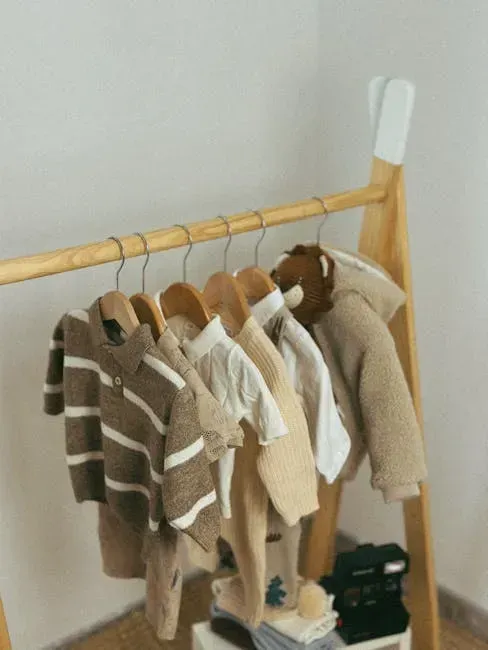
6. Baby Clothes and First-Year Items (Image Credits: Pexels)
Tiny baby clothes disappear fast. They’re outgrown within weeks, they take up surprising amounts of space, and the pragmatic voice in a parent’s head says there’s no reason to hold onto them. Many parents donate or discard them without a second thought, only to feel a quiet but real pang of loss years later.
Childhood items like baby blankets or stuffed animals often carry deep sentimental value, which is why many people hold onto them as they grow older. Between the challenges of moving, smaller living spaces, and limited storage options, it’s easy to lose track of what matters most. People often don’t realize how much they miss these items until they’re gone. A single hand-knitted sweater or a christening outfit can hold a weight of memory that no photograph quite captures.
7. Vintage Hot Wheels and Die-Cast Cars
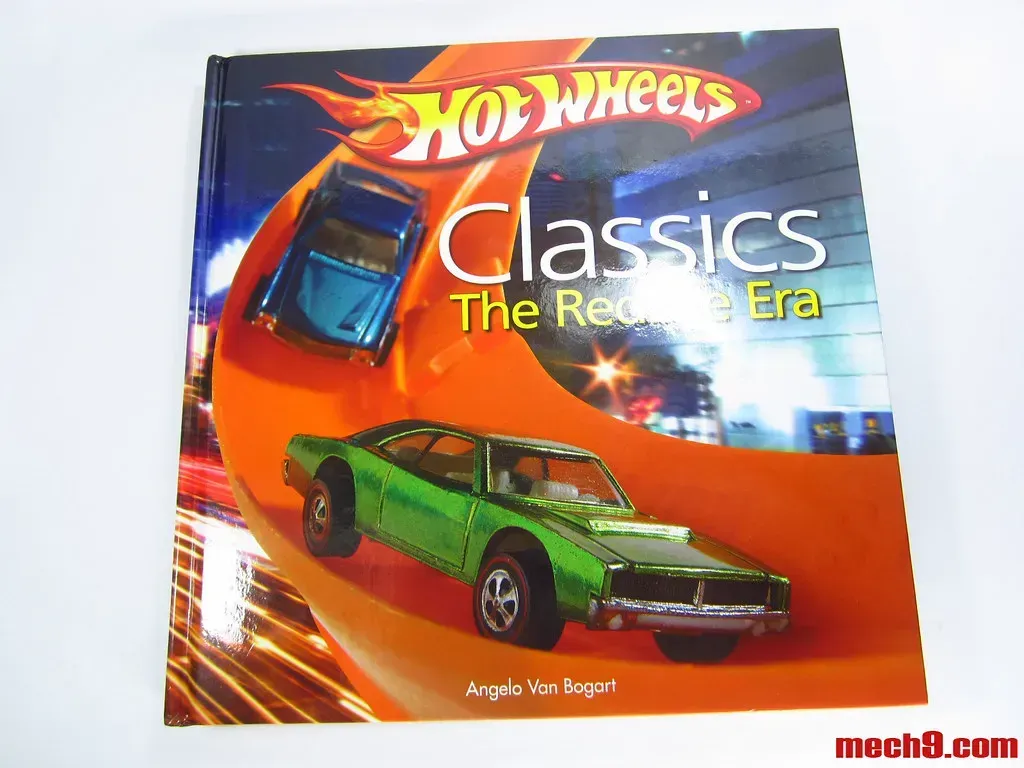
7. Vintage Hot Wheels and Die-Cast Cars (mechnine, Flickr, <a href="https://creativecommons.org/licenses/by/2.0/" target="_blank" rel="noopener">CC BY 2.0</a>)
Metal toy cars were everywhere in homes during the 1970s and 1980s. Kids drove them across carpets, lost them under sofas, and kept dozens in old cookie tins. When parents finally cleaned out those tins, the cars usually went as a job lot to a garage sale or straight to the bin. The ones with red stripes on their tires, however, were not just toys.
Hot Wheels cars with the famous “Redline” tires, produced between 1968 and 1977, are a favorite among collectors. These models, named for the red stripe on their wheels, often reach high auction prices, particularly rare models in pristine condition. A mint-condition Pink Beach Bomb prototype is known to have sold for over $70,000. Vintage toy cars represent a highly popular area of collectible toys, and collectors can be found all around the world, from Europe to Japan and the US.
8. School Reports, Letters, and Certificates
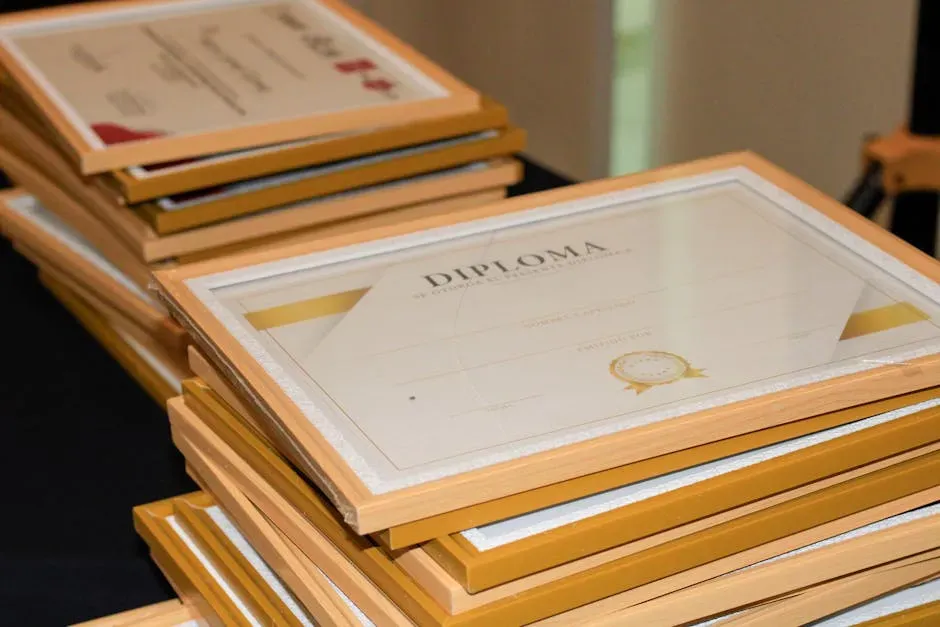
8. School Reports, Letters, and Certificates (Image Credits: Pexels)
Report cards, school certificates, and handwritten letters rarely look like treasures at the time. They pile up in drawers and folders, and eventually they go. Parents who toss them during a clearing-out weekend usually feel no immediate regret. The absence tends to sting later, when their child is grown and curious about their own early history.
Before throwing out items wholesale, it’s worth asking yourself not only if something has sentimental value to you, but also if it might be interesting to your children or grandchildren. One or two well-chosen objects can tell descendants a lot about you and your life at that time. As time passes, people tend to have an increased sentimental set of thoughts towards the objects they own. They seem to grow in value and meaning, and it becomes a self-reinforcing cycle.
9. Vintage Barbie Dolls and First-Edition Fashion Dolls
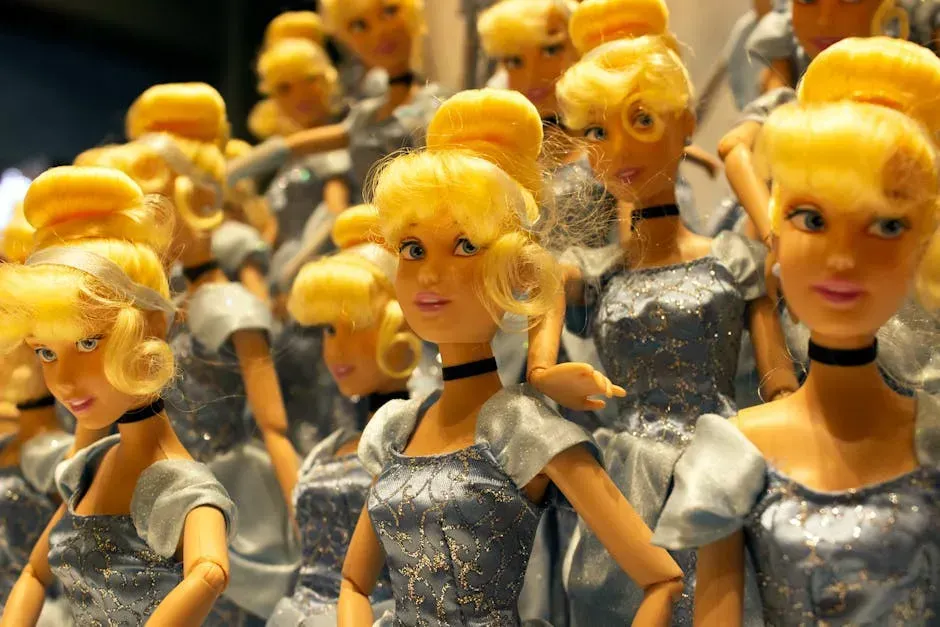
9. Vintage Barbie Dolls and First-Edition Fashion Dolls (Image Credits: Pexels)
Barbie dolls were perhaps the most casually discarded toy of the last seventy years. Children played with them intensely and then largely forgot them. Parents saw crumpled hair, missing shoes, and outdated outfits. What they often didn’t see was the collector market quietly building behind the scenes.
Recognizable by her black and white swimsuit and ponytail hairstyle, the original Barbie set the standard for fashion dolls. Collectors may pay upwards of $23,000 for a pristine, boxed original. Even more recent limited editions hold real value. One notable sale was the “Barbie Meadow Mares Horse – Rare Original Unopened Box,” which sold for £928. Limited edition Barbie dolls, particularly those from high-profile fashion collaborations, also fetch impressive sums, with Christian Dior and Juicy Couture limited edition dolls selling for £175 and fashion model collection Barbies going for between £200 and £300.
The thread running through all nine of these items is the same. Childhood items are more than just physical objects. They’re reminders of joy, growth, and unforgettable moments, yet many people are left with a lingering sense of loss about the potential for these memories to be gone forever. The monetary value is almost a side story. What most parents really mourn is the irreversibility of the decision, the fact that some things, once gone, simply can’t be retrieved. Keeping even a small, well-curated box of the most meaningful items may be one of the quieter acts of care a parent can offer a future adult child.