
Most people can walk into a room and sense within seconds whether it feels right. There’s something hard to name about a space that genuinely settles the nervous system – a quality that goes well beyond tidy surfaces or matching furniture. Research in environmental psychology shows that our nervous systems respond to environmental cues within milliseconds of entering a space, and this isn’t simply a matter of personal preference – it’s about how human biology interacts with our surroundings.
The good news is that calm is not accidental. Our surroundings have the power to influence our emotions, behavior, and overall sense of well-being, and interior design can either promote feelings of calm and relaxation or contribute to stress, anxiety, and discomfort. By carefully considering the principles of design, it’s possible to create spaces that genuinely nurture mental health. What follows are nine features that consistently achieve that – and two that quietly work against it.
1. Layered, Dimmable Lighting
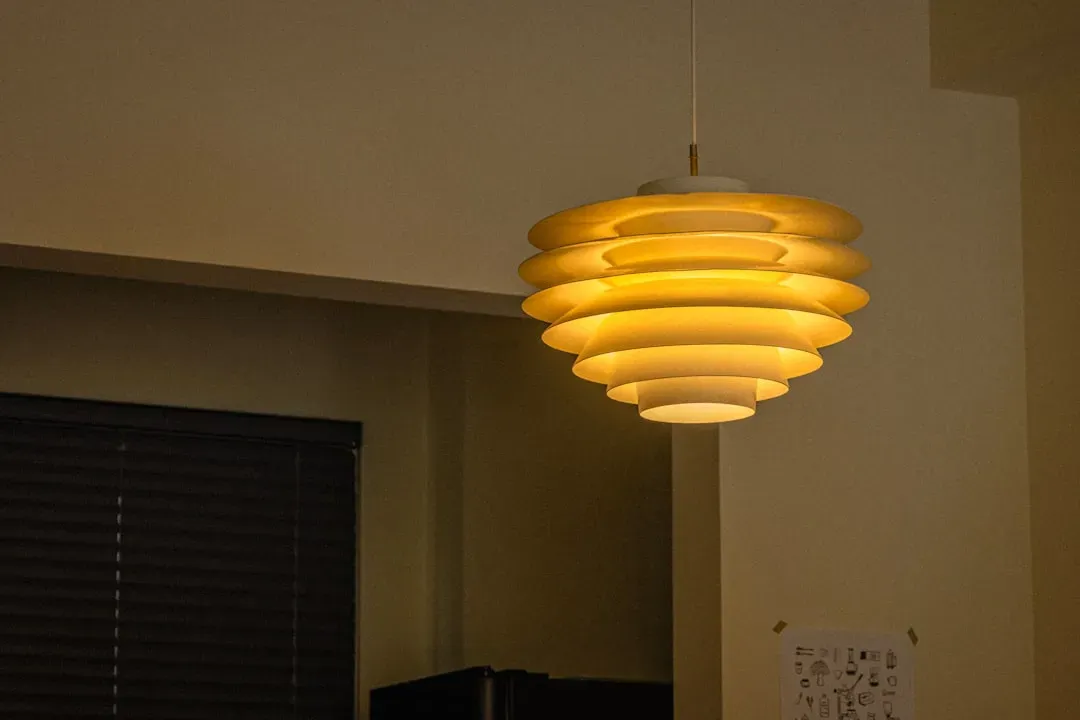
1. Layered, Dimmable Lighting (Image Credits: Unsplash)
A well-thought-out lighting scheme delivers the appropriate brightness where you need it while creating an inviting and relaxing ambiance. No single light fixture does it all, and layered lighting is the most effective way to make a home feel calm. Layering gives you more control over how a room looks and feels at different times of day.
Overhead lighting alone can sometimes feel harsh or stark. By incorporating elements like table lamps, wall sconces, dimmer switches, and even candles, you can soften a space with just the flick of a switch. Making the most of windows by keeping them unobstructed and using sheer curtains to diffuse sunlight during the day, and switching to soft warm lighting with dimmable lamps or candles in the evening, creates a soothing, responsive atmosphere throughout the day.
2. A Muted, Nature-Inspired Color Palette
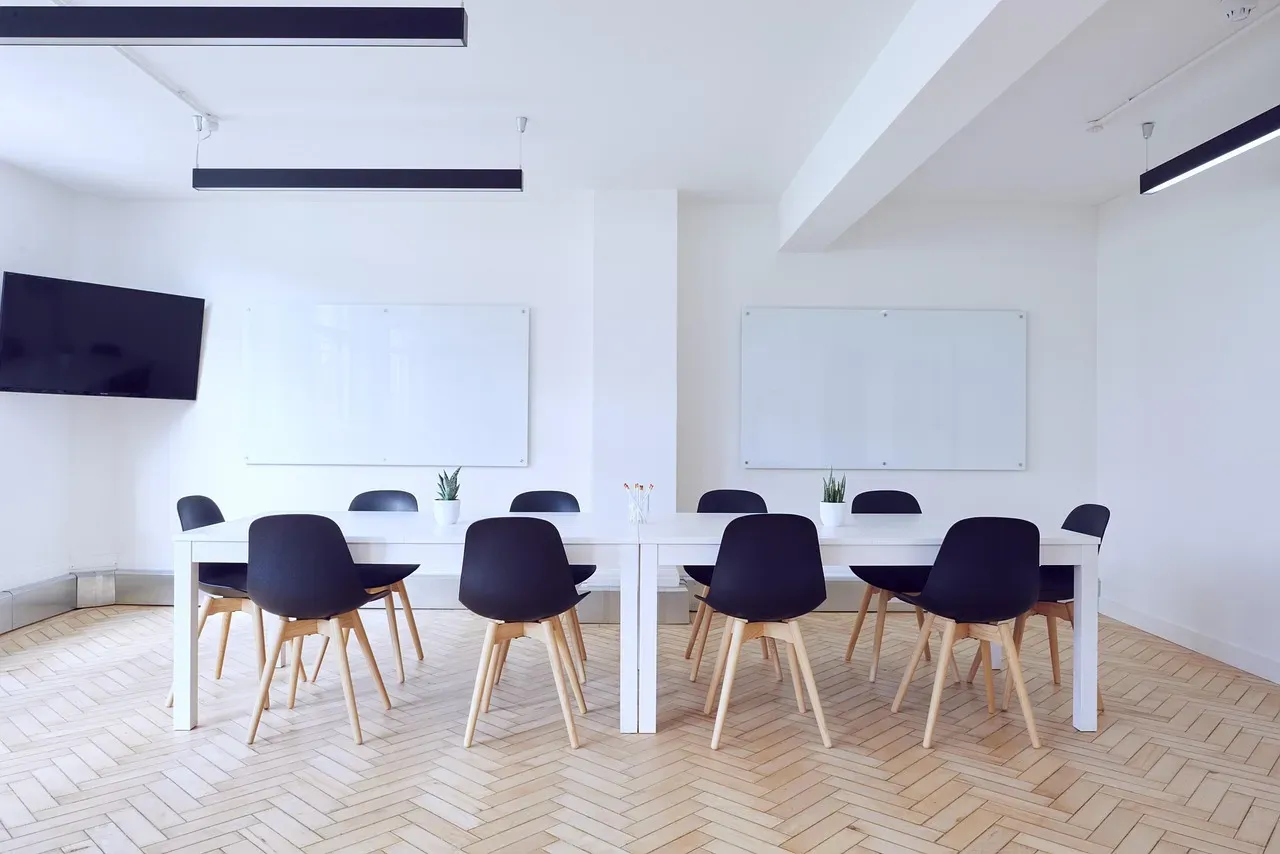
2. A Muted, Nature-Inspired Color Palette (Image Credits: Pixabay)
Color has a major influence on how a room feels. While bold tones can energize, softer and neutral hues have the opposite effect, offering a sense of calm and quiet. Muted tones like warm whites, soft grays, creamy taupes, and light beiges work particularly well. Layering tonal variations of the same color adds depth without overstimulating the eye, and earthy colors like sage green or clay can bring a soothing, natural feel.
Shades of blue, especially softer and more muted tones like powder blue or pale aqua, can evoke a genuine feeling of peace and tranquility. Calming colors such as blue and green promote relaxation and reduce anxiety, and color can also be used to create a sense of warmth and comfort in a space, which is particularly beneficial in bedrooms and living rooms.
3. Abundant Natural Light
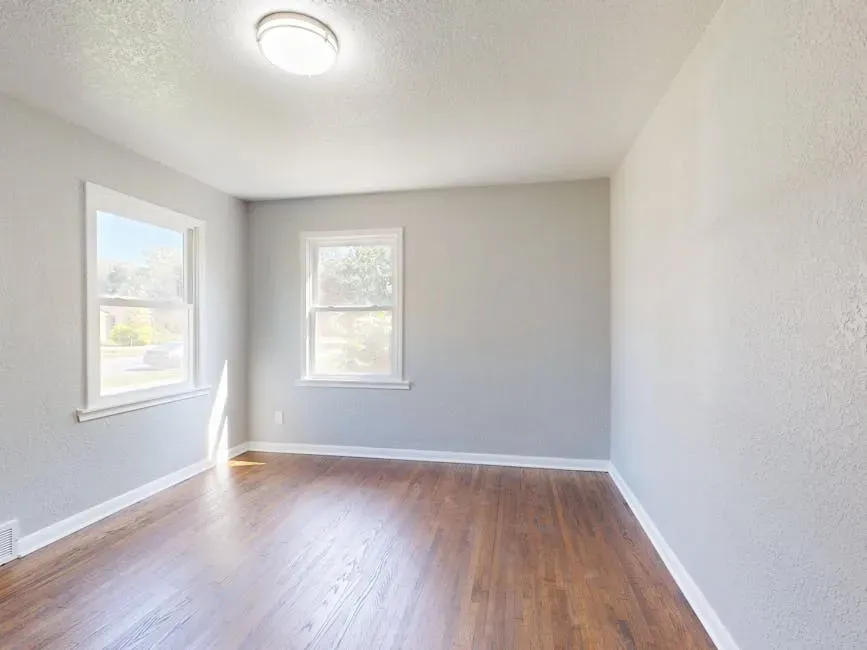
3. Abundant Natural Light (Image Credits: Pexels)
One of the most important natural elements in any room is light. How much natural light enters a space can profoundly affect mood and overall mental health. According to environmental psychology, natural light exposure is linked to increased serotonin levels, which are known to affect mood and emotional state.
Studies have found that natural light can improve mood, reduce stress, and enhance cognitive performance. Exposure to natural light is also essential for regulating the body's circadian rhythm, which improves sleep quality. Natural light is soothing and gentler on the eyes than artificial lighting, and it changes naturally as the day continues – a quiet rhythm that the body responds to without effort.
4. Indoor Plants and Biophilic Elements
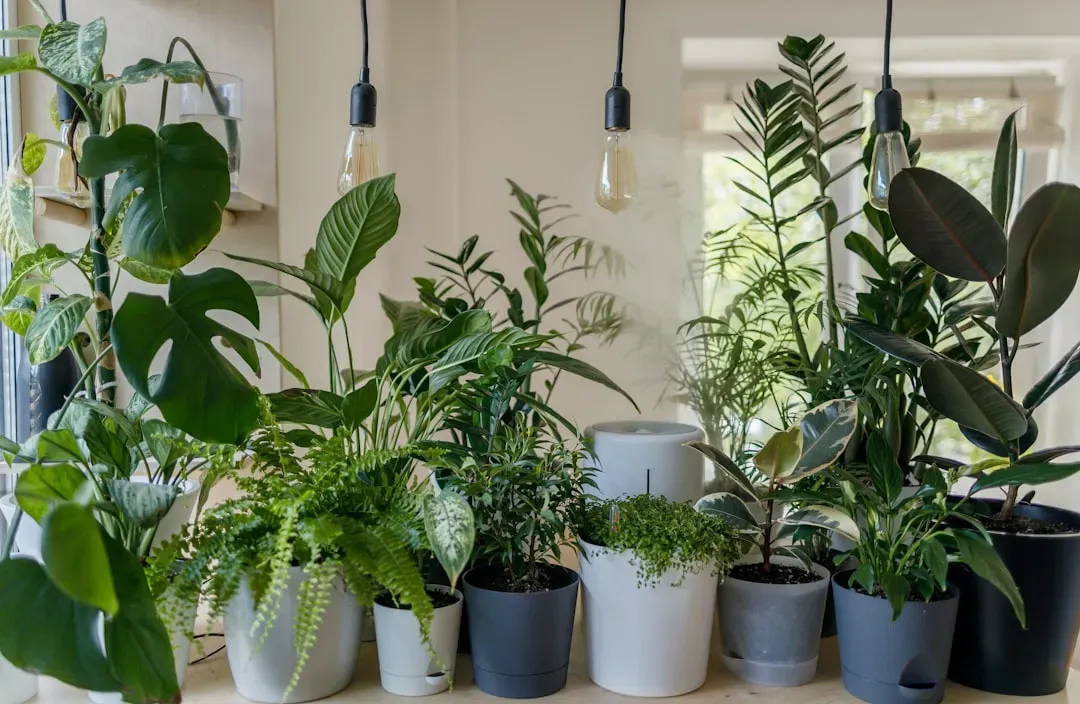
4. Indoor Plants and Biophilic Elements (Image Credits: Unsplash)
Biophilic design – bringing the calm, good feelings we experience in nature into our homes – focuses on incorporating natural aspects that positively contribute to overall health, wellness, and productivity. It goes well beyond placing a single succulent on a shelf. Holistic integration of nature involves natural light, organic materials, plant life, and views of the outdoors to create environments that improve well-being, reduce stress, and boost creativity.
A study found that environments devoid of nature have a negative effect, and that indoor plants had the potential to reduce stress and even decrease health complaints. Studies have also shown that incorporating plants and flowers into living spaces can reduce stress levels, improve concentration, and enhance memory retention. Even a few well-placed plants, a wooden surface, or a view of greenery through a window can meaningfully shift how a room registers emotionally.
5. Deliberate Decluttering and Organized Storage

5. Deliberate Decluttering and Organized Storage (Image Credits: Unsplash)
Research suggests that clutter can have similar emotional effects to post-traumatic stress disorder. A study published in UCLA Magazine revealed how brains respond to disarray, finding that a messy environment can heighten feelings of anxiety and make relaxation difficult. A cluttered environment can lead to mental clutter, as excess visual stimuli overwhelm the brain and make it harder to focus while increasing stress levels.
Implementing simple storage solutions – such as concealed cabinetry, baskets, or floating shelves – can help keep a space organized and visually calming. Smart storage solutions that hide bulky items behind sleek cabinetry free up valuable counter and floor space while maintaining a room's visual appeal. This approach is not just about hiding clutter – it's about creating a more efficient and visually pleasing environment overall.
6. Soft Textiles and Tactile Comfort

6. Soft Textiles and Tactile Comfort (Image Credits: Pixabay)
Textures play a significant role in how a space makes us feel. Soft textiles like plush rugs, cozy throws, and linen or cotton fabrics add comfort and warmth. Contrasting these with hard surfaces such as metal or glass, which can make a space feel cold and unwelcoming, the goal is to create a balance between structure and softness that enhances feelings of security and relaxation.
Natural materials activate the parasympathetic nervous system, which in turn makes us feel calmer and more relaxed. Research that measured stress responses after people touched wood versus constructed materials like stainless steel found that when people touch wooden surfaces, their stress responses decrease. Choosing furniture and finishing materials with warmth in mind – linen, raw wood, woven textiles – pays off in ways that are genuinely felt.
7. Clear Spatial Flow and Logical Furniture Arrangement
7. Clear Spatial Flow and Logical Furniture Arrangement (Image Credits: Unsplash)
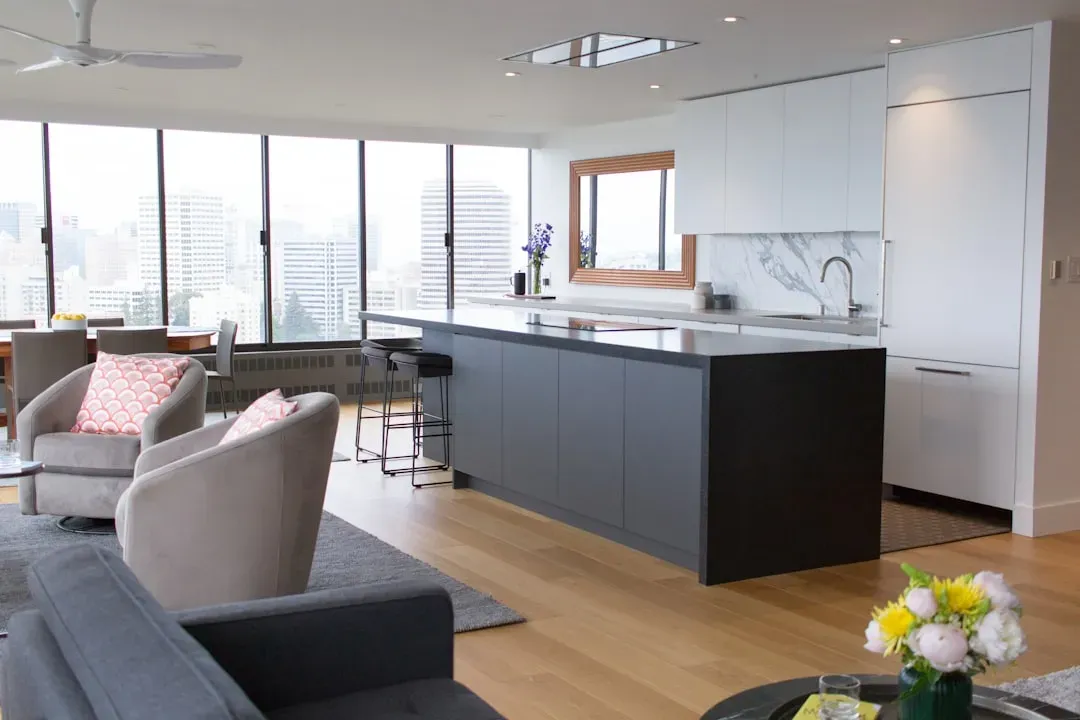
Interior design principles related to spatial flow have profound psychological impacts. Humans have an innate need to understand and navigate their environment easily. When spatial relationships feel confusing or blocked, stress levels rise automatically. Calming homes create clear sight lines and logical traffic patterns. You should be able to understand a layout quickly and move through spaces without feeling trapped or confused – this connects to an ancestral need to assess our environment for safety.
The way furniture is arranged impacts how we move through a space and interact with it. Open layouts with clear pathways create a sense of flow, while overcrowded spaces can induce a feeling of entrapment. Prioritizing functionality and ease of movement creates a more stress-free environment. Something as straightforward as pulling a sofa away from the wall or removing a rarely used chair can noticeably change how a room breathes.
8. Curved and Organic Shapes in Furniture and Architecture
8. Curved and Organic Shapes in Furniture and Architecture (Image Credits: Pexels)
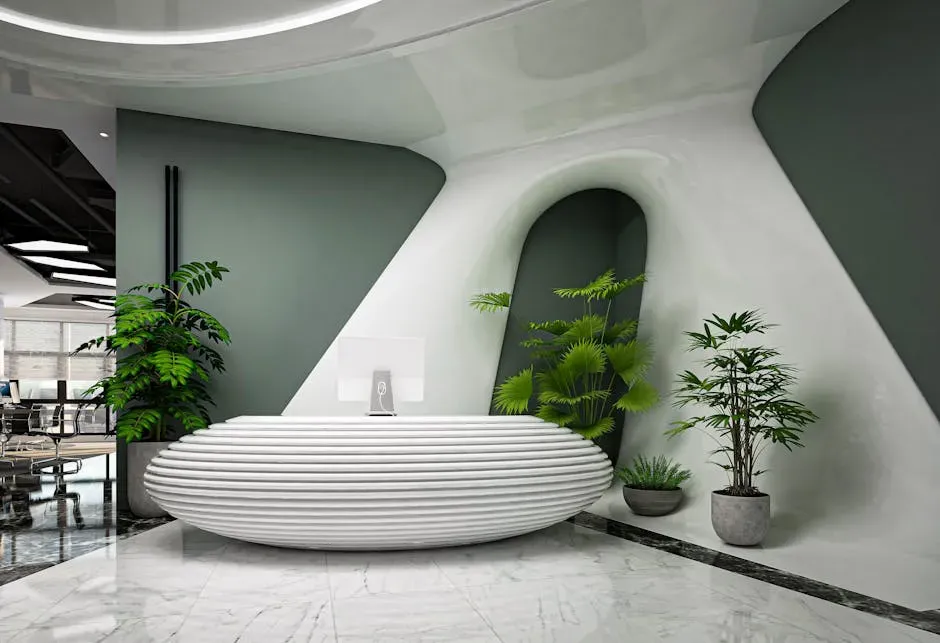
Departing from the sharp, rigid lines of modernism, curved and organic architecture embraces flowing forms and soft silhouettes inspired by the natural world. This approach introduces a gentler, more human-centric way of experiencing living spaces. It uses arches, rounded furniture, and sculptural elements to create interiors that feel harmonious, fluid, and inherently calming.
Eye-tracking studies in babies show they are actually drawn more toward curved shapes rather than angular ones. Research also demonstrates that when people are shown pictures of angular objects, it activates the amygdala, which is responsible for the fight-or-flight response. Organic shapes guide the eye gently through a space, fostering a feeling of tranquility and sophisticated comfort that is both visually interesting and deeply restorative.
9. A Dedicated Quiet Zone or Retreat Corner

9. A Dedicated Quiet Zone or Retreat Corner (Image Credits: Pexels)
Even without a full room to spare, carving out a corner of the home for moments of peace makes a measurable difference – a reading nook with a cozy chair and blanket, a yoga mat tucked into a quiet spot in the bedroom, or a window bench with soft lighting. Designating a small, distraction-free zone tells the brain: this is where I go to unwind.
Setting up a meditation or retreat area – whether used for reflection, yoga, or simply a favorite de-stressing hobby like painting or playing music – creates a space designed specifically for helping you relax. Establishing boundaries around how a space is used is crucial for fostering a calm and mindful environment. Creating tech-free zones or screen-free times creates opportunities for deeper human connection and reduces stress and anxiety.
Disruptor 1: Visual Clutter and Overcrowded Surfaces

Disruptor 1: Visual Clutter and Overcrowded Surfaces (Image Credits: Unsplash)
Spaces that conflict with our psychological needs activate the sympathetic nervous system – the fight-or-flight response. This explains why some homes leave us feeling anxious or restless even when we can't identify the specific problem. A cluttered environment can be overwhelming and cause anxiety, while a tidy, minimalistic space helps calm the mind and body.
A messy environment makes it difficult to relax and concentrate. Piles of laundry, stacks of papers, or an overabundance of decorative items can create a chaotic atmosphere that feels overwhelming. The tricky part is that clutter tends to accumulate gradually, so the disruption it causes often goes unnoticed until it reaches a tipping point. Regular editing of surfaces is one of the simplest and most effective things a person can do for the emotional quality of their home.
Disruptor 2: Harsh, Unvaried Overhead Lighting
Disruptor 2: Harsh, Unvaried Overhead Lighting (Image Credits: Pexels)
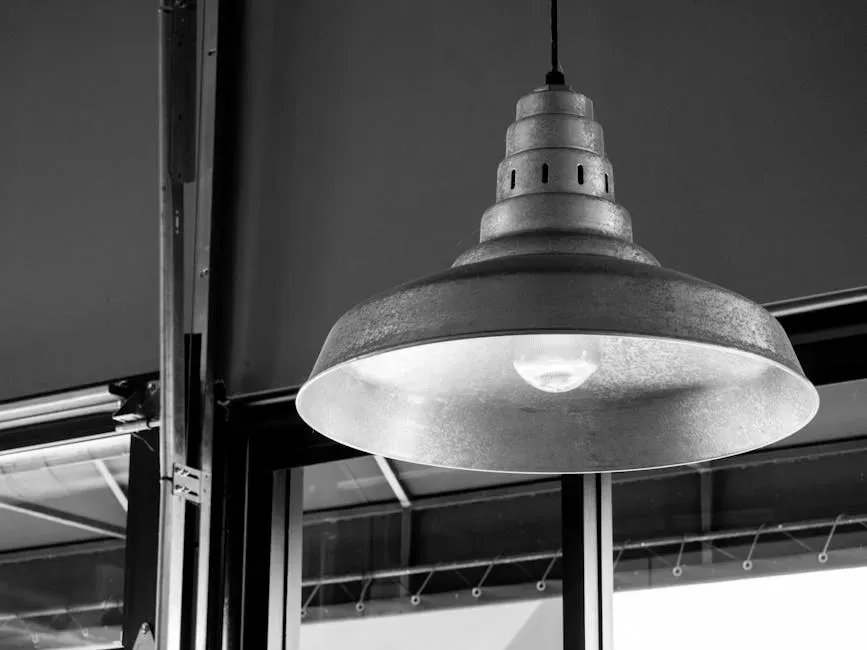
Harsh, fluorescent lighting can cause eye strain and headaches, and may disrupt the body's natural circadian rhythm. This can contribute to feelings of fatigue and stress. Harsh, artificial lighting increases stress levels, whereas natural light enhances mood and well-being. A room lit solely by a single glaring overhead fixture offers no variation and no sense of warmth, which the nervous system registers as a low-grade irritant.
One way to reduce tension and promote calm in the home is to limit exposure to harsh blue-toned light. Blue light from screens on phones, computers, and televisions can be particularly harsh and disruptive. Limiting blue light exposure helps people sleep better, feel less anxious, and promotes a calming atmosphere in the home. Replacing a single harsh overhead bulb with layered, warmer sources is one of the quickest and most affordable changes a home can make – and one of the most immediately noticeable.
A calm home rarely comes from a single dramatic renovation. More often, it's the accumulation of many small, considered choices – the quality of light at dusk, the softness underfoot, the absence of things competing for your attention. You don't need a full renovation to make a home feel more peaceful. Often, small changes – like simplifying a room, switching up lighting, or adding a cozy throw – have the biggest impact. When a home supports the nervous system, everything else in the day feels a little easier.