
America has always been a country where food tells the story of its people. Waves of immigrants arrived with their recipes, their rituals, their carefully guarded techniques, and the memory of what a meal was supposed to mean. For a while, those traditions held. They traveled in suitcases, in the minds of grandmothers, in the smell of a kitchen that felt, for a moment, like somewhere else entirely.
Traditionally, and statistically, in the case of migration to the United States, native language and customs can be lost in one generation. Food tends to outlast language, and it tends to outlast religion. Food culture has begun to change on a major, global scale – much faster than ever before. What follows are nine food traditions from around the world that are quietly losing their footing in American life.
1. The Ethiopian Gursha: Feeding Someone with Your Hands
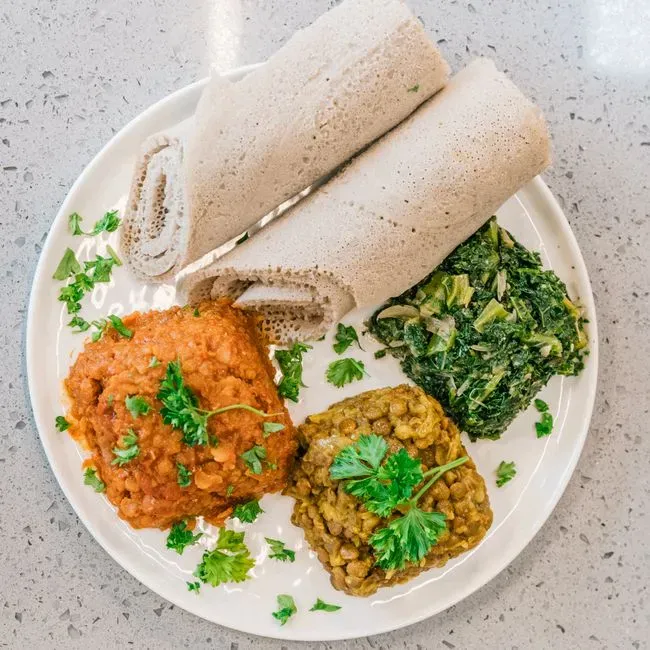
1. The Ethiopian Gursha: Feeding Someone with Your Hands (Image Credits: Pexels)
Communal eating is a central part of Ethiopian food culture and is aided with the use of injera, a thin sourdough-risen flatbread with a spongy texture. Most Ethiopian meals are eaten with one's hands and from a communal plate placed in the middle of the table. The practice of the gursha, where one person lovingly places a small bite of food into another's mouth, is among the most intimate gestures in Ethiopian culture, carrying a meaning that goes far beyond nutrition.
Traditionally, meals begin with the oldest at the table taking the first bite, a custom to indicate respect to elders. In American Ethiopian communities, the injera remains, but the full ceremony around it – the hierarchy, the hand-feeding, the quiet reverence of the shared plate – tends to simplify with each passing generation. Because of this strong relation between food and identity, for most immigrants, losing traditional culinary practices is associated with the abandonment of community, family, and religion.
2. The Japanese Bento: A Meal as an Act of Care
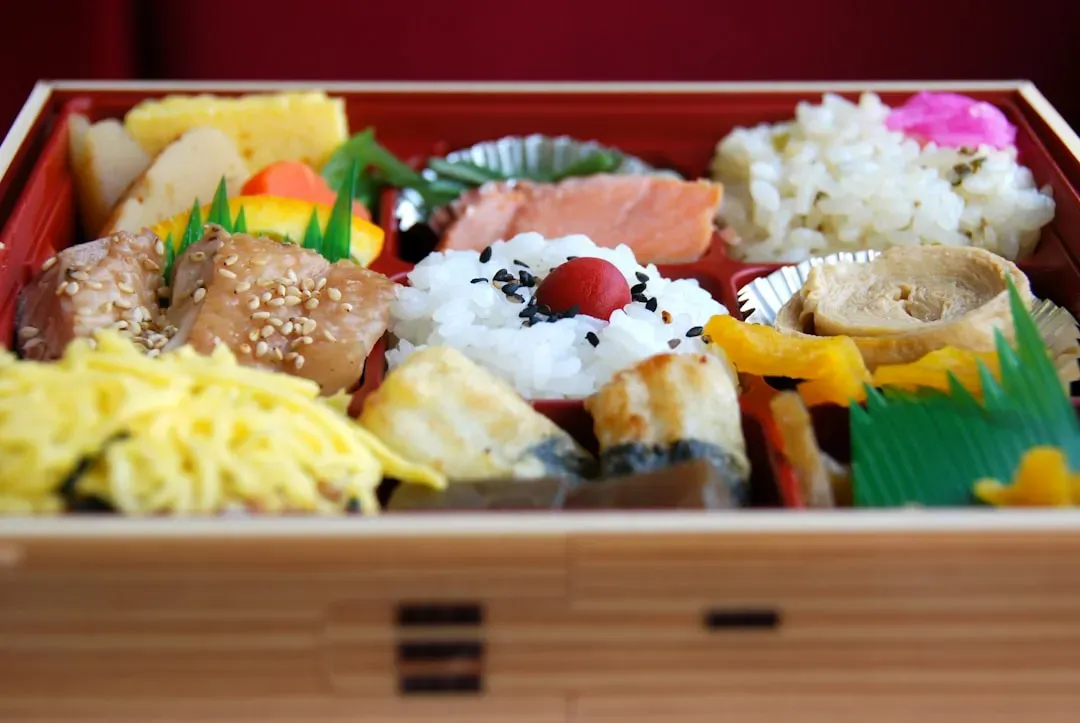
2. The Japanese Bento: A Meal as an Act of Care (Image Credits: Unsplash)
In contemporary Japan, the lunchbox known as bento reflects daily discipline, aesthetics, and social expectations that quietly shape everyday life. Bento culture refers to the practice of preparing neatly arranged meals in compact lunchboxes, often eaten at school, work, or during travel. While it appears simple, the tradition reveals deeper values about care, presentation, and responsibility.
Homemade bento are wrapped in a furoshiki cloth, which acts as both a carrying bag and a table mat. In Japan, it is common for mothers to make bento for their children to take to school. In the United States, the bento box has become a trend, popularized by social media and specialty stores, but the original cultural weight – the idea that preparing a meal is a daily act of devotion – rarely makes it across the Pacific. The aesthetics get adopted; the deeper meaning does not.
3. Cantonese Yum Cha: Drinking Tea as a Social Ritual
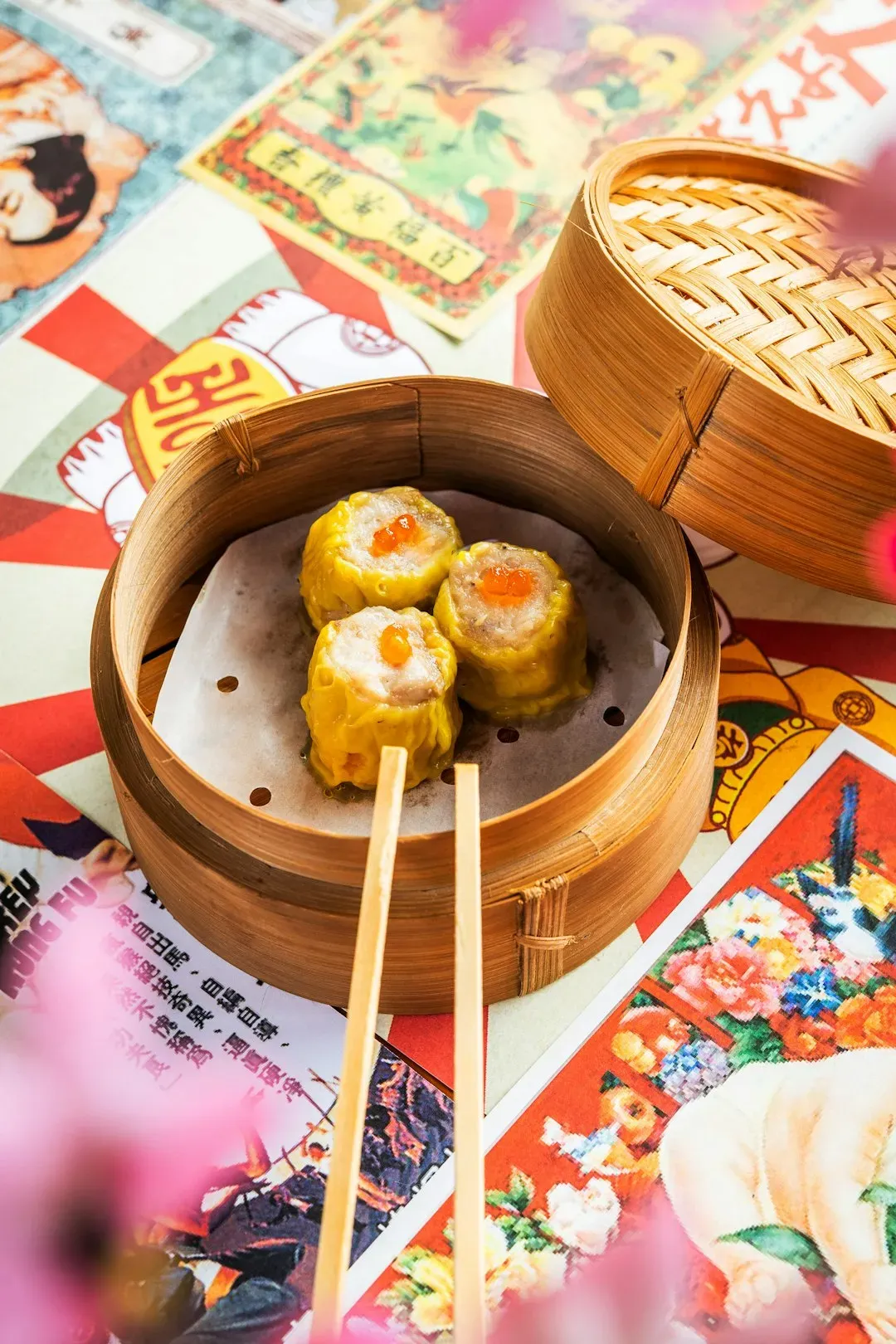
3. Cantonese Yum Cha: Drinking Tea as a Social Ritual (Image Credits: Unsplash)
Among various types of breakfast in China, Cantonese morning tea, or Yum Cha, is unique in its form and feature. Morning tea is a Cantonese tradition of morning activity, originating in the Qing dynasty. After years of change, it evolved to its current form, serving an assortment of small dishes known as dim sum alongside Chinese tea. The tradition isn't really about food at all – it's about sitting, talking slowly, and being present with family over hours, not minutes.
Morning tea supports social interactions and connections of daily human life, providing a practical and acceptable channel for old friendships to nurture and new bonds to build. In American Chinatowns, dim sum restaurants have survived well, but the leisurely, multi-hour morning ritual of yum cha as a weekly family gathering is gradually giving way to quicker, more convenient visits. As immigrant restaurateurs adapted to the American culture and economy, they altered traditional dishes to conform to local tastes in order to make a living.
4. Mexican Mole Negro: The Slow Art of Celebration Cooking
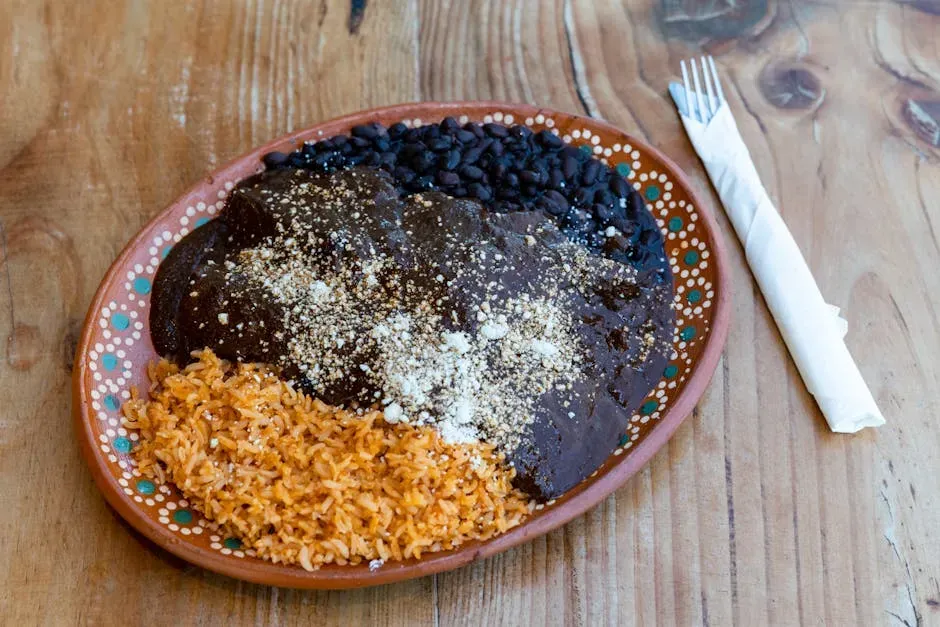
4. Mexican Mole Negro: The Slow Art of Celebration Cooking (Image Credits: Pexels)
Mole negro, the deep, complex sauce from Oaxaca, is one of the most labor-intensive preparations in any culinary tradition on earth. It involves dozens of ingredients – dried chiles, chocolate, spices, charred vegetables, and hours of careful grinding and toasting – traditionally prepared communally over an open fire for weddings, funerals, and major festivals. Maintaining home eating and cultural food habits represents a strategy to recreate the "home" and the practical and metaphorical rituals for remembrance of the imaginary unity migrants tend to miss. Traditional food is the recreation of the abstract meaning of home through concrete activities, such as cooking the typical Sunday meals, which can alleviate the sense of isolation caused by displacement.
As immigrant restaurateurs adapted to American culture and economy, they altered traditional dishes to conform to local tastes in order to make a living. Mole negro in American restaurants is frequently a simplified sauce available in a jar, or a condensed version with a fraction of the original complexity. The communal, days-long preparation that gave the dish its cultural purpose simply doesn't fit the pace of American life, and the knowledge of making true mole is rarely passed to the next generation.
5. Italian Sunday Lunch: The Sacred Hours of the Family Table
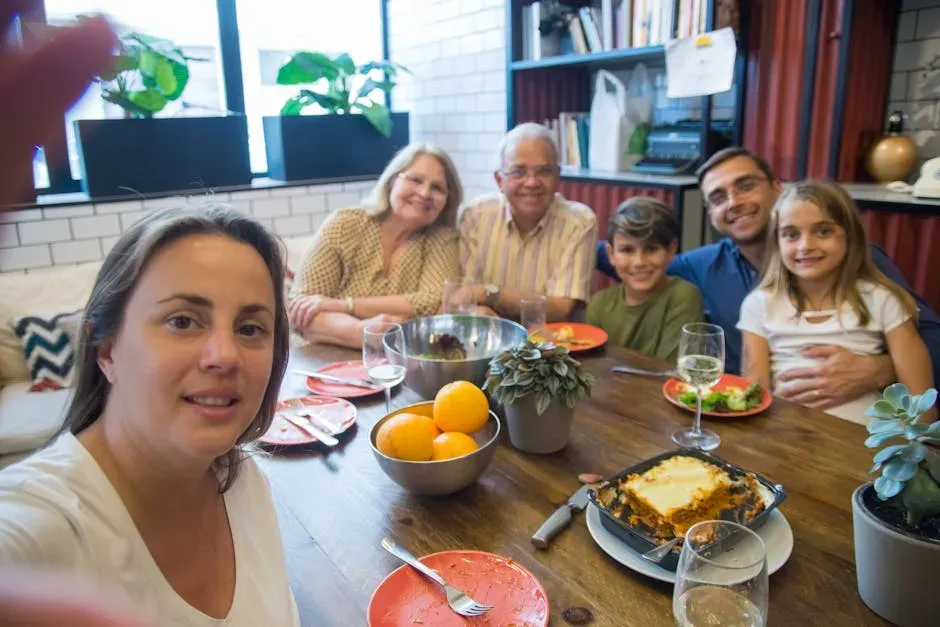
5. Italian Sunday Lunch: The Sacred Hours of the Family Table (Image Credits: Pexels)
In Southern Italian tradition, Sunday lunch is not a meal – it's an institution. It starts around midday and continues for several hours, passing through multiple courses, with the whole family present. It is the anchor of the week, a time governed by unspoken rules: no rushing, no phones at the table, and the cooking begins Saturday. The traditional food is the recreation of the abstract meaning of home through concrete activities, such as cooking the typical Sunday meals, which can alleviate the sense of isolation caused by displacement.
Few of the old "ways" survived intact. Interactions with a new environment and with an alien and often hostile culture produced a synthesis of old and new, a synthesis that changed as one generation replaced another. Italian-American identity held on to the food itself – the pasta, the gravy, the bread – but the unhurried ceremony of the multi-hour Sunday table has steadily compressed into a quick family dinner indistinguishable from any other weeknight.
6. Indian Thali Service: The Philosophy of a Balanced Plate
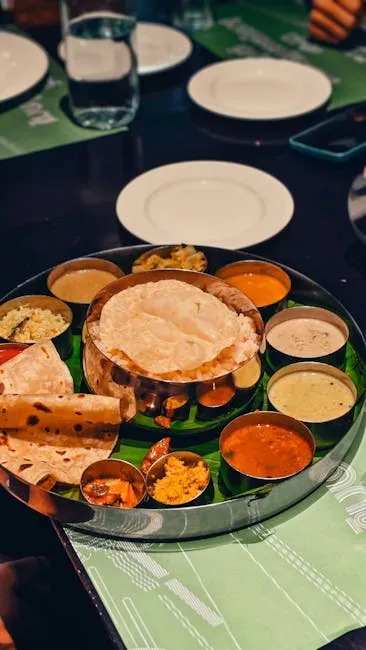
6. Indian Thali Service: The Philosophy of a Balanced Plate (Image Credits: Pexels)
The traditional thali is not simply a round plate with multiple small bowls. It is a system of nutritional and Ayurvedic thinking made visible: each small bowl represents a different taste, element, or digestive quality, designed to produce a complete and balanced meal. In India, the composition of a thali varies by region, season, and even the occasion, carrying generations of culinary knowledge in every arrangement. Bicultural eating patterns can emerge, during which individuals maintain traditional foods and eating patterns at certain meals or occasions, and incorporate host country eating patterns at other times, as opposed to simply adopting the diet and customs of the host culture.
In American Indian restaurants, the thali has largely become a marketing format – a convenient way to offer multiple dishes rather than a philosophically coherent meal. Dietary acculturation encompasses various dimensions, including changes in food choices, preparation methods, meal timing, and eating behaviors, as well as a decline in the consumption of traditional foods. The deeper logic of the thali – its relationship to the body, the season, and the moment of the day – rarely accompanies it into the American dining room.
7. Korean Kimjang: The Community Kimchi-Making Tradition
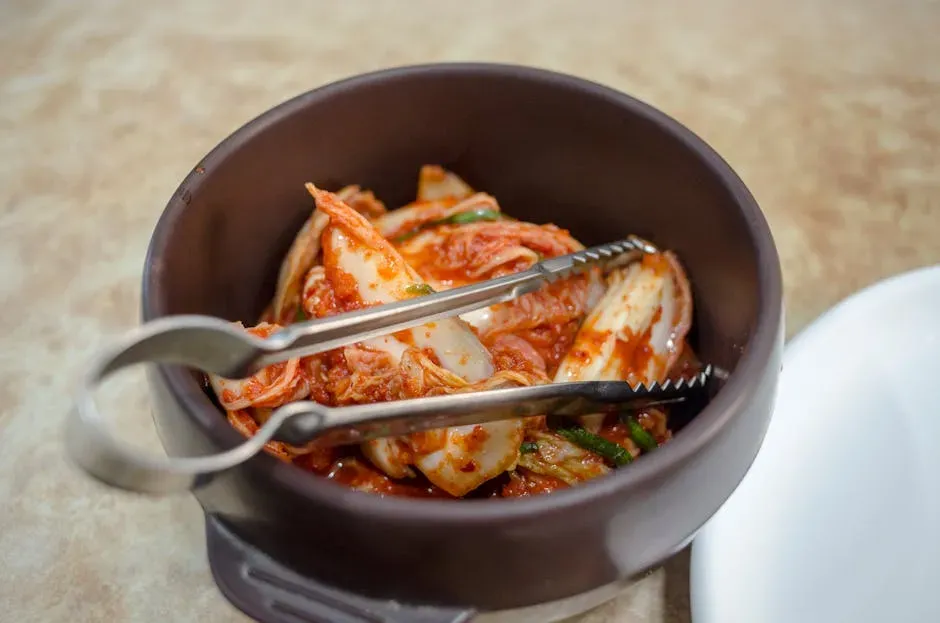
7. Korean Kimjang: The Community Kimchi-Making Tradition (Image Credits: Pexels)
Kimjang is the annual Korean tradition of preparing large quantities of kimchi before winter, a collective activity that once brought entire neighborhoods and extended families together for days of chopping, salting, and fermenting. Fermentation and preservation are a key part of global food culture, blending tradition with innovation in every bite. UNESCO recognized kimjang as an Intangible Cultural Heritage of Humanity in 2013, precisely because its value lies not just in the kimchi itself but in the social bonds the practice creates and renews each year.
As food and culinary practices circulate through immigration, globalization, and social media, they become an evolving element shaped by globalization. Fusion cuisines surface, contributing to the adaptation, but also simplification and rebranding of these practices. In Korean-American households, store-bought kimchi has made the communal labor of kimjang largely unnecessary. The fermented product survives on American shelves and menus, but the collective ritual of making it – the singing, the shared labor, the intergenerational knowledge exchange – belongs increasingly to memory.
8. Middle Eastern Mezze: Hospitality as a Food Tradition
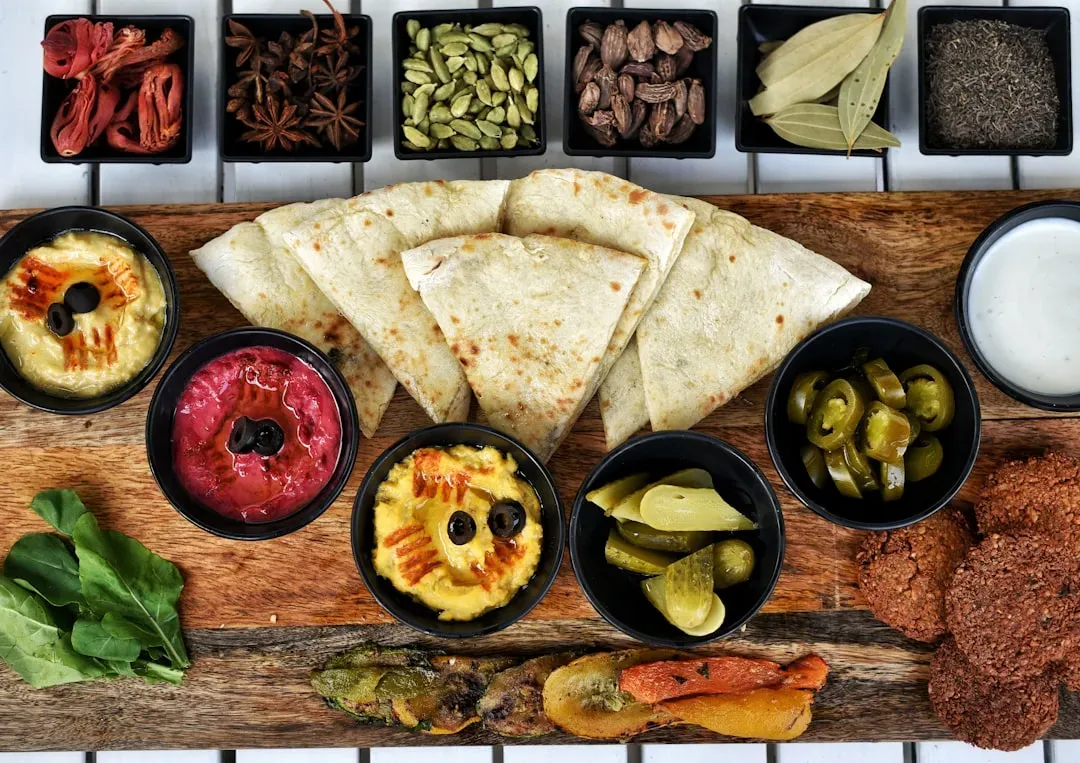
8. Middle Eastern Mezze: Hospitality as a Food Tradition (Image Credits: Unsplash)
Mezze is not just a selection of small dishes. In Lebanese, Syrian, and broader Arab culture, it is the physical expression of hospitality – a table that keeps expanding, a meal that communicates generosity, welcome, and esteem for the guest. According to Arab cultures, hospitality represents a strong tradition combined with food. It is common and quite daily for Arab families to prepare extra food at meal times to cover the eventuality of unexpected visitors and welcome them with traditional foods.
With the help of commercial brands, traditional food practices take on new meanings that prioritize novelty, convenience, or aesthetic. Fast food chains and food corporations attempt to meet consumer demands at the expense of localized production. In America, mezze has been reduced to a restaurant appetizer format: hummus, pita, and a few dips, served quickly and eaten without ceremony. The tradition of laying out a table specifically to honor a guest – one that reflects hours of preparation – gets swallowed by the speed of American dining culture.
9. West African Communal Pot Cooking: Eating from a Shared Bowl
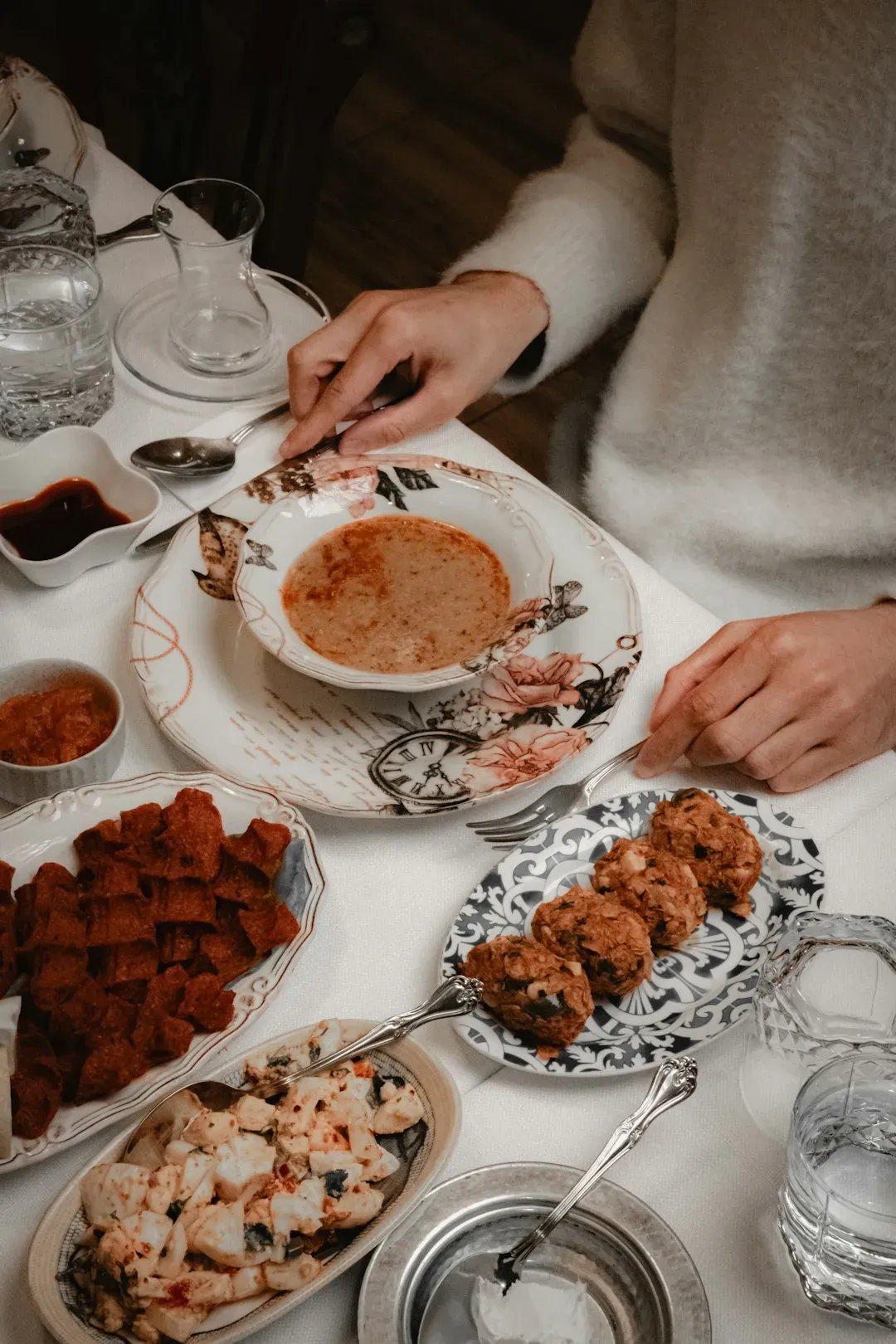
9. West African Communal Pot Cooking: Eating from a Shared Bowl (Image Credits: Unsplash)
Across many West African cultures, the shared bowl at mealtimes is not a logistical choice but a social one. Eating from a common pot with others reinforces bonds, signals equality, and is tied directly to concepts of community and belonging. Such a need has led to a kind of communal snacking culture, in which groups share nibbles of food. From spreads of hummus and babaganoush, to tapas of cheese and olives, to steamed buns of dim sum, communal eating habits around the world exemplify how the best meals are always shared.
Unique food cultures are quickly disappearing and old recipes being thrown out to be replaced by foreign recipes that take advantage of new, dominant crops and food sources. For West African immigrant communities in the United States, the practical reality of apartment kitchens, different work schedules, and individualized American meal culture makes the shared communal pot a difficult tradition to maintain. A standardized, fast food reliant, convenience-based food system is leading to a lack of biodiversity, narrowing taste, unhealthy eating, and disappearing foods and traditions. The food itself often survives in adapted forms, but the communal act of eating directly from a shared vessel – with all the meaning that carries – tends to quietly fade.
What's worth noticing in all nine of these traditions is that the food itself rarely disappears entirely. The kimchi stays, the injera stays, the mole finds its way onto menus. What slips away is harder to name: the pace, the ceremony, the social contract around the table, the understanding that eating together was never really just about eating. We lose the stories and traditions that make up our unique societies, creating a more bland world and eliminating the insights that come from different ways of thinking and understanding the world. That loss is quieter than a recipe going extinct, and in some ways it is more permanent.