
Five years ago, the real estate playbook seemed pretty clear. Open everything up, add a pool, wire the whole house with smart tech, and convert that spare bedroom into a proper home office. Buyers would love it. The value would climb. It made sense at the time.
What nobody quite predicted was how dramatically buyer priorities would shift. Remote work patterns changed, maintenance costs ballooned, and a new generation of buyers started looking at certain “luxury upgrades” the way the previous generation looked at avocado-green appliances. Here are nine features that went from selling points to stumbling blocks.
1. The Fully Open-Concept Floor Plan
1. The Fully Open-Concept Floor Plan (Image Credits: Unsplash)
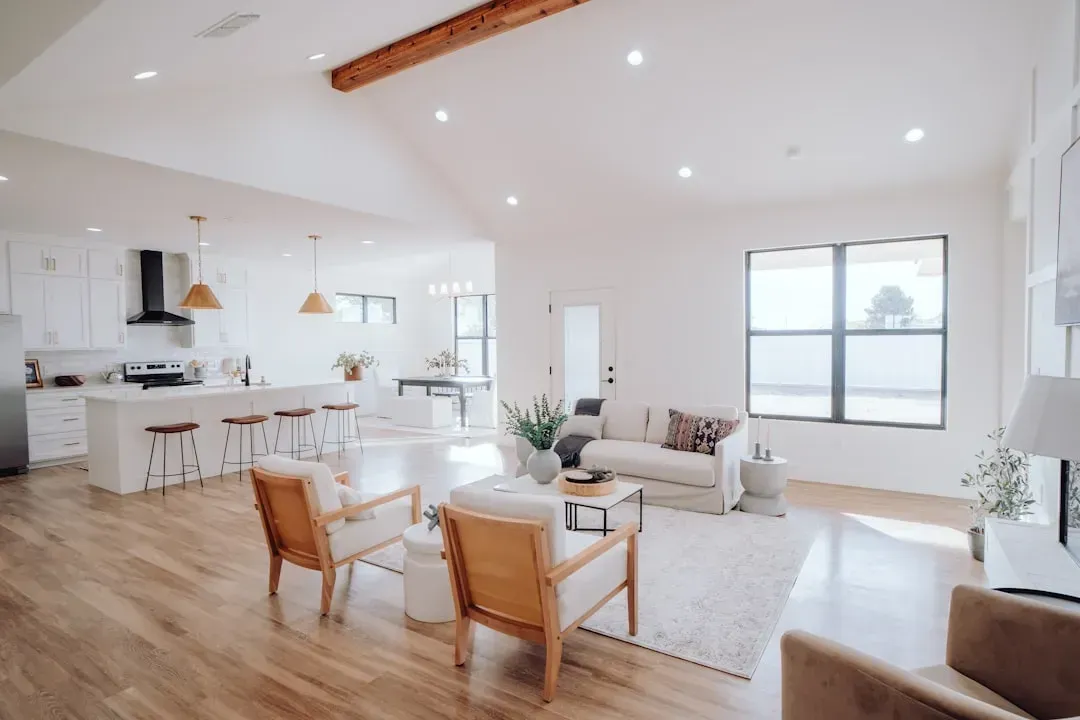
For years, open-concept living dominated real estate, but a clear shift is now underway. Open-concept kitchens in particular are starting to lose ground as buyers look for zone-layout designs instead. It’s a quiet but meaningful reversal after nearly two decades of wall demolitions.
In the era of remote work, homeschooling, and multi-generational living, everyone needs a little space. The once-celebrated “great room” can easily start to feel like a shared office, cafeteria, and daycare all at once. Walls serve a real purpose, and in many homes, their absence is being felt. Open concept isn’t dead, but it’s no longer the automatic resale boost it once was.
2. The Inground Swimming Pool
2. The Inground Swimming Pool (Image Credits: Pixabay)
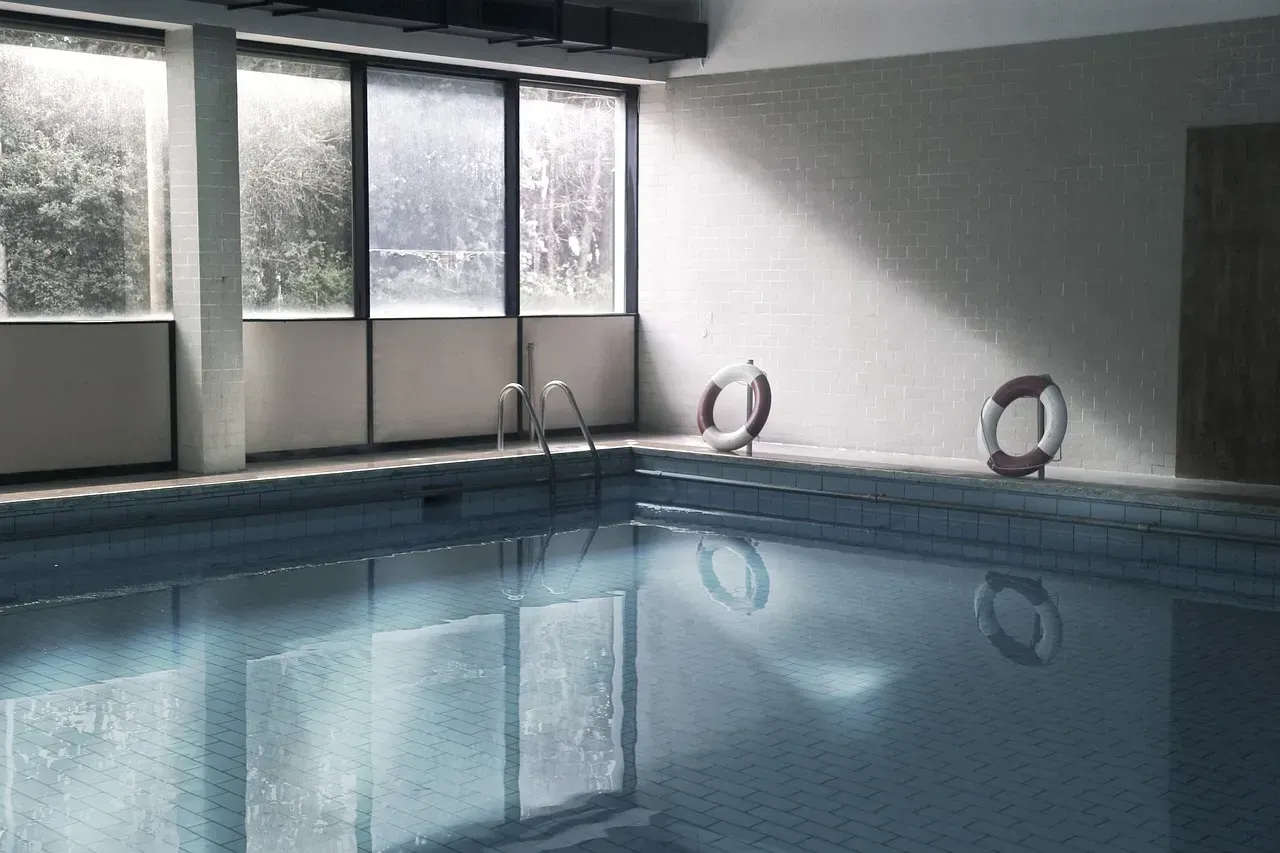
Swimming pools are the classic value trap. They cost between $50,000 and $80,000 to install, and outside of hot-climate markets like Arizona and South Florida, many buyers see a pool as a maintenance, insurance, and safety liability rather than an asset. Unless pools are expected in your neighborhood, it may be wise to skip one if you plan to sell within five years.
According to the 2026 Cost vs Value Report, swimming pools deliver roughly 24% ROI at resale, making them among the lowest-performing projects a homeowner can undertake. In states such as Illinois, Oregon, Minnesota, and much of the Northeast, a pool may add little to no value. In some cases, it can even be viewed as a liability, prompting buyers to factor in removal, maintenance, or insurance costs when making an offer.
3. Wall-to-Wall Carpeting Throughout the Home
3. Wall-to-Wall Carpeting Throughout the Home (Image Credits: Pixabay)
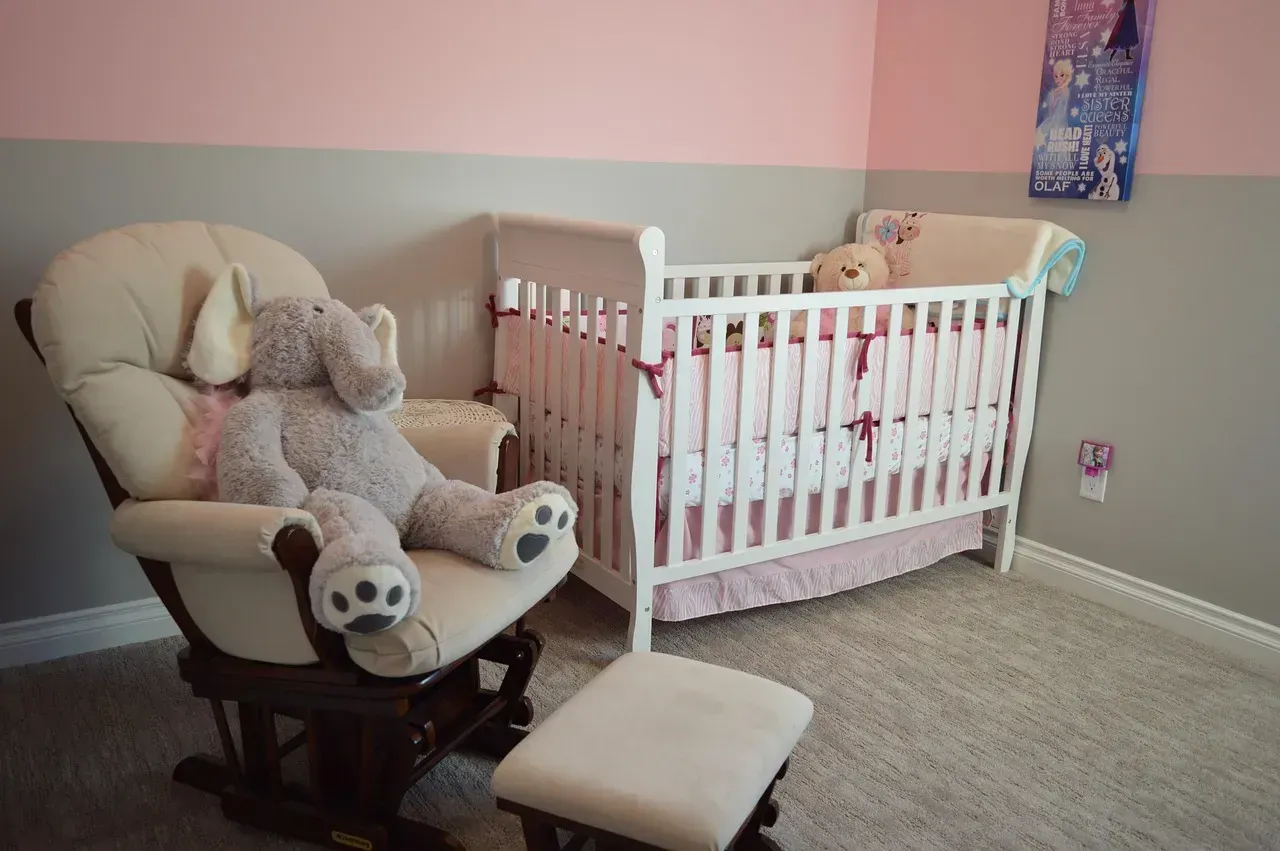
Carpet used to be the ultimate luxury – soft, cozy, and found in every room from the bedroom to the dining room. In 2025, however, this once-coveted flooring choice has become one of the biggest red flags for potential buyers. The shift happened faster than most homeowners expected.
Carpet traps allergens, absorbs odors, and wears visibly over time. Even new, neutral carpet can raise red flags for buyers. They wonder whether it’s covering up damage to the subfloor or hiding pet stains underneath – creating suspicion rather than confidence. Data from real estate sales suggests homes with carpet sell for roughly one to three percent less than comparable homes with hard flooring. On a $400,000 home, that translates to $4,000 to $12,000 in lost value.
4. The Dedicated Home Office Conversion

4. The Dedicated Home Office Conversion (Image Credits: Unsplash)
Repurposing spaces like a guest room or dining area into a home gym, theater, or office can limit a home’s appeal, especially if it takes away from other essential areas like bedrooms or storage. What felt like a pandemic-era essential in 2020 and 2021 has quietly become a flexibility problem for sellers.
High-end home office conversions rank among the lowest-ROI projects in the 2026 Cost vs Value Report, returning only about 28% of the investment at resale. Reducing your bedroom count is one of the most expensive mistakes homeowners can make. That extra converted space might cost you $30,000 at resale. Buyers today want rooms that can flex into whatever their life demands, not spaces locked into a single use.
5. The Whirlpool or Oversized Soaking Tub
5. The Whirlpool or Oversized Soaking Tub (Image Credits: Unsplash)
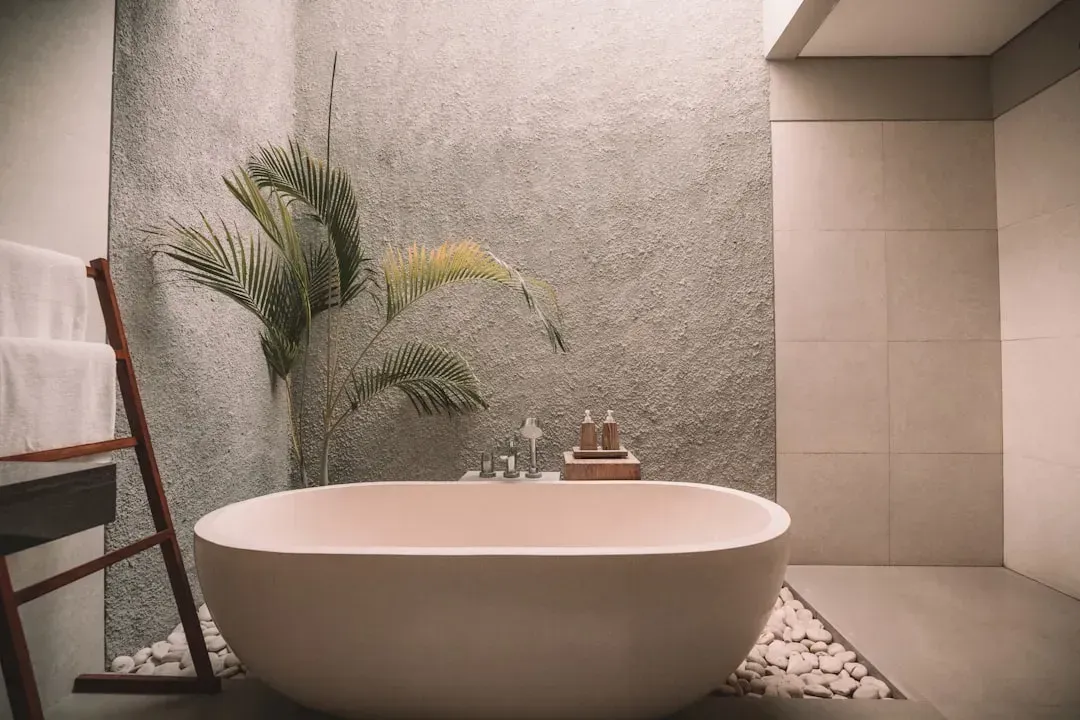
Although an upgraded bathroom can add value to your home, going too high-end often backfires when selling. That freestanding or whirlpool tub may be a source of pride, but a buyer may see it as a waste of space, according to Realtor.com. The bathtub as a spa statement turned out to have a very narrow audience.
Luxury bathrooms filled with bold tile patterns, oversized tubs, or unconventional fixtures can quickly feel outdated. Buyers tend to see hot tubs like swimming pools when it comes to resale value – a costly maintenance issue. Don’t be surprised if buyers want the feature removed before they sign on the dotted line. A clean, functional walk-in shower tends to outperform the grand soaking tub in today’s market almost every time.
6. Over-Automated Smart Home Systems
6. Over-Automated Smart Home Systems (Image Credits: Unsplash)
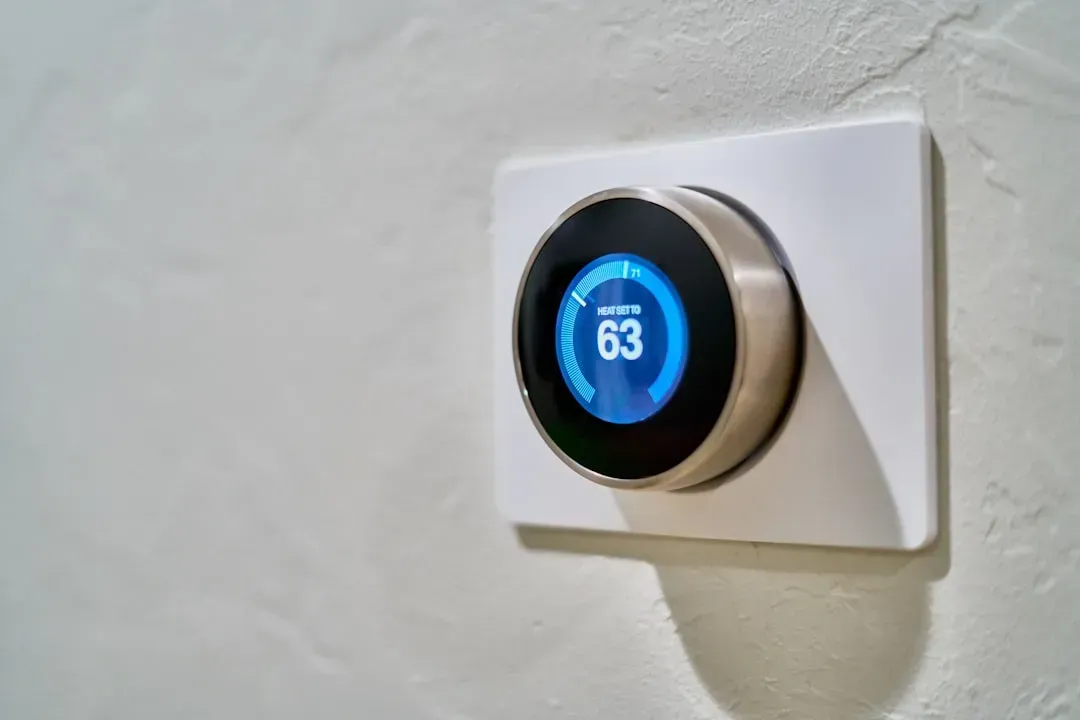
Technology can boost a home’s appeal, but excessive automation sometimes backfires. Complex systems controlling blinds, lighting, security, and appliances through multiple apps can overwhelm buyers unfamiliar with the setup. Realtors frequently hear concerns about repair costs, software compatibility, and learning curves after closing.
Smart features work best when they simplify daily life rather than turning the home into a technical support project. The problem isn’t smart technology itself. It’s the heavily customized, multi-platform ecosystems that buyers inherit without instruction manuals or familiar interfaces. The upgrades that hurt resale value almost always share one trait: they reflect a specific owner’s preferences rather than broad market appeal. Bold colors, niche features, reduced flexibility, and high maintenance all narrow the buyer pool.
7. The High-End Upscale Kitchen Remodel
7. The High-End Upscale Kitchen Remodel (Image Credits: Unsplash)
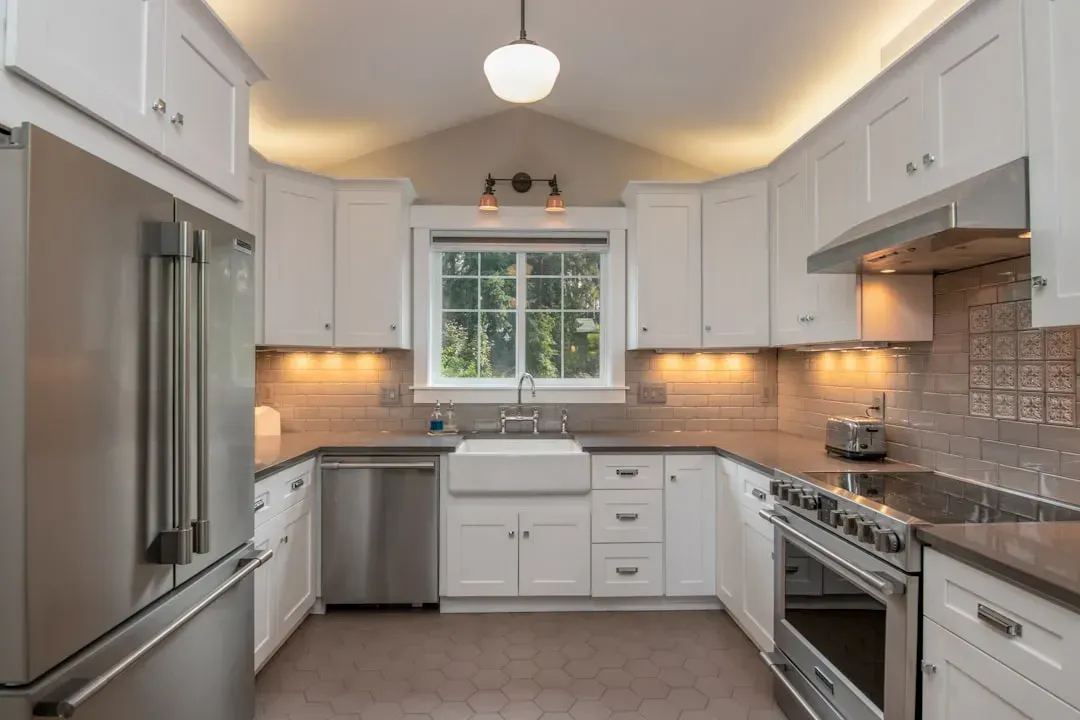
Gutting the kitchen down to the studs and installing custom cabinets, quartz waterfall islands, and a $4,000 range is a costly trap. Buyers tend to balk at hyper-personalized luxury kitchens because tastes differ wildly. The fancier you go, the smaller your buyer pool gets.
A major upscale kitchen remodel can cost $80,000 to $150,000 or more, so even a large value increase translates into roughly 40% ROI. A minor midrange kitchen remodel, by contrast, returns about 96% because it costs far less while still modernizing the space. In 2026, understated upgrades tend to outperform flashy kitchen statements.
8. Elaborate and High-Maintenance Landscaping

8. Elaborate and High-Maintenance Landscaping (Image Credits: Pexels)
While a lush yard might seem like a selling point, too much maintenance can scare off buyers. Today’s homeowners want curb appeal without the time commitment. Elaborate gardens, koi ponds, or intricate hedges are now seen as work, not charm. Drought-friendly and low-maintenance landscaping is increasingly preferred. The modern buyer values ease and efficiency over picture-perfect lawns.
Buyers increasingly worry about ongoing upkeep costs, irrigation bills, and maintenance demands. Real estate professionals note that clean, functional outdoor spaces often outperform overly complicated landscapes. In 2026, buyers tend to favor usable patios, simple greenery, and low-maintenance curb appeal over backyard showpieces.
9. Niche Luxury Rooms Like Wine Cellars and Home Theaters
9. Niche Luxury Rooms Like Wine Cellars and Home Theaters (Image Credits: Pexels)
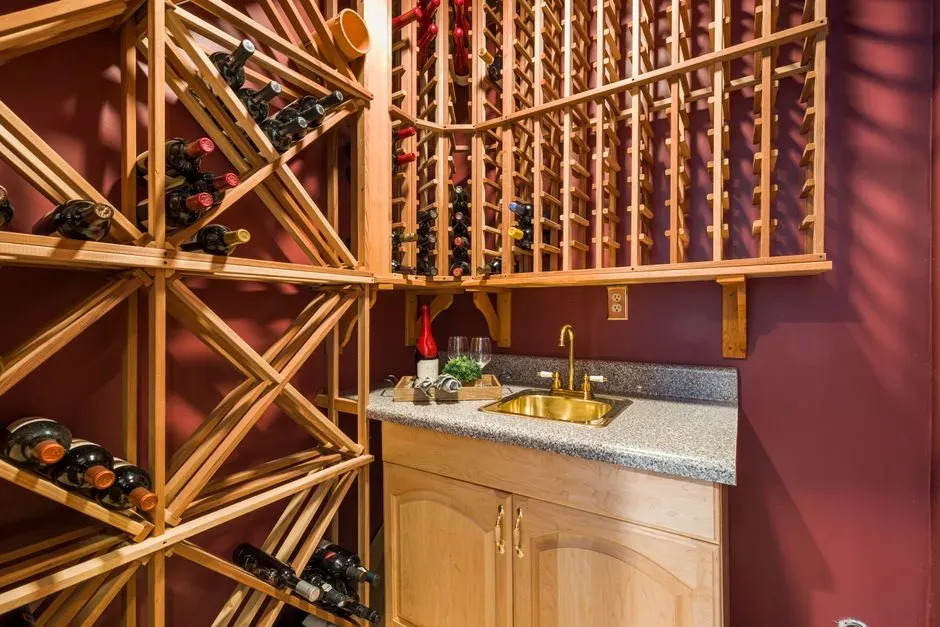
A climate-controlled wine room may sound impressive, but many buyers see it as wasted square footage. Realtors say highly specialized spaces can limit a home’s audience, especially in mid-range markets. A buyer touring a four-bedroom home may prefer a home office, gym, or storage area instead. Unless you’re selling in a true luxury enclave, niche upgrades like wine cellars rarely deliver a strong return.
Permanent conversions for niche hobbies – such as soundproof recording studios, built-in darkrooms, or wine cellars that replace pantries – can be particularly damaging. Converting a functional living space into a permanent area for a niche interest forces future buyers to calculate the cost of reversing your work. Unless you live in Napa or your home tops $2 million, a wine cellar reads as wasted square footage to buyers. It’s expensive to build, expensive to climate-control, and useful to maybe a small fraction of the market.
The throughline across all nine of these features is the same: what appealed to one era of homeowners became a burden for the next. Buyer priorities evolved toward flexibility, low maintenance, and practicality, while many of these investments were built around a very specific vision of how life should look. The market rarely rewards specificity. It rewards rooms that let people imagine their own lives unfolding inside them.