
There’s a quiet social contract that kicks in the moment you sit down to share a meal with someone. It’s not written anywhere, but most people feel it instinctively: this time belongs to the people at the table. Smartphones have made honoring that contract genuinely difficult, not because people are selfish, but because the devices are built to demand attention constantly.
High-ranking irritants at the dinner table include chewing loudly, using the phone at the table, and taking food off other people’s plates, yet many of those polled admitted that they answered calls and texts at dinner. That gap between what we find annoying and what we actually do says a lot. These nine habits are the ones people notice most, even when they’re too polite to say anything.
1. Placing Your Phone on the Table Before Anyone Even Sits Down
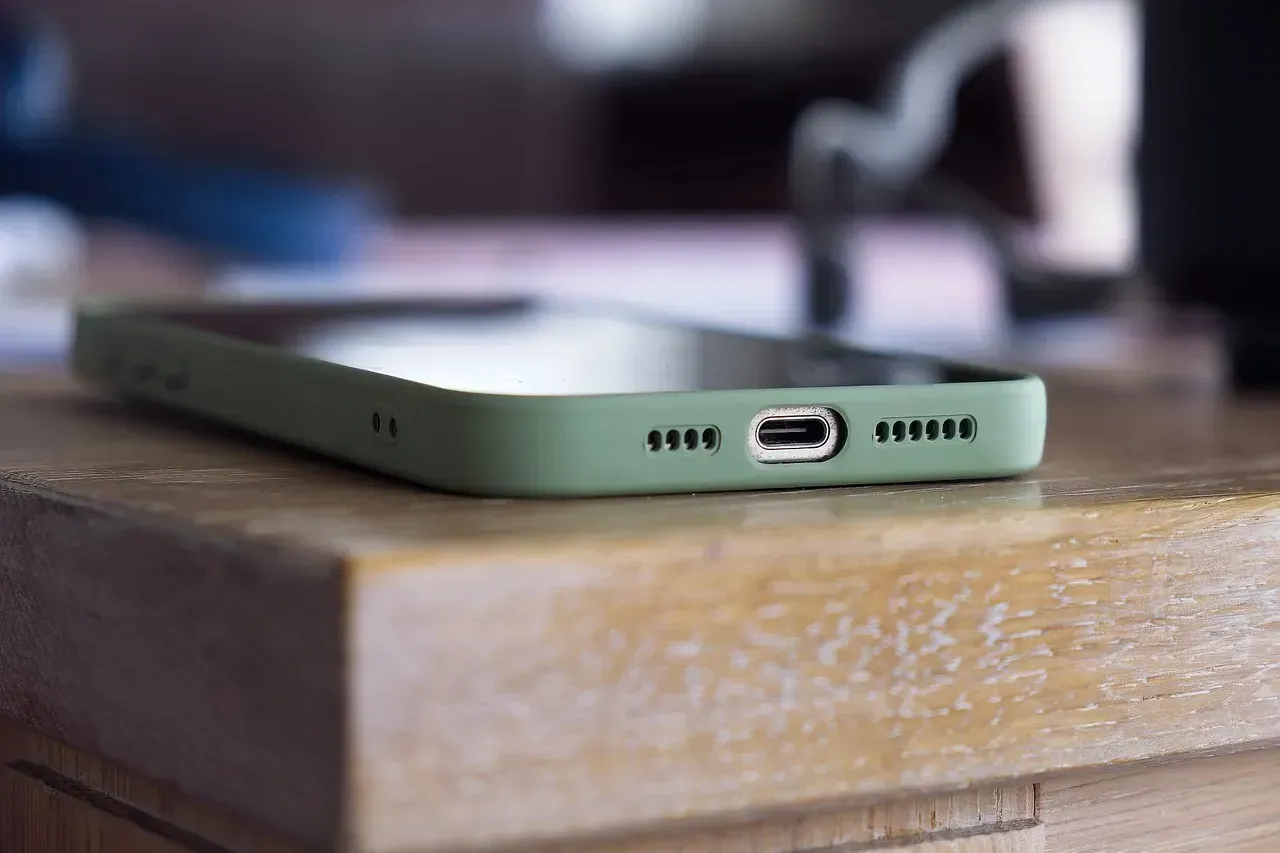
1. Placing Your Phone on the Table Before Anyone Even Sits Down (Image Credits: Pixabay)
No phones belong on the table. They should be turned off or silenced, and if you need to field a call or text, you should excuse yourself and go to a location away from the dining area. If your phone is out, it indicates that it is more important than the person you are dining with.
Leaving your phone out makes people feel like they’re competing with it, and it can kill the mood while being considered a lack of knowledge concerning etiquette and poor table manners. It’s a subtle signal, but it lands immediately. The phone on the table says, in effect, that the conversation is already competing for second place.
2. Scrolling Through Social Media Mid-Conversation
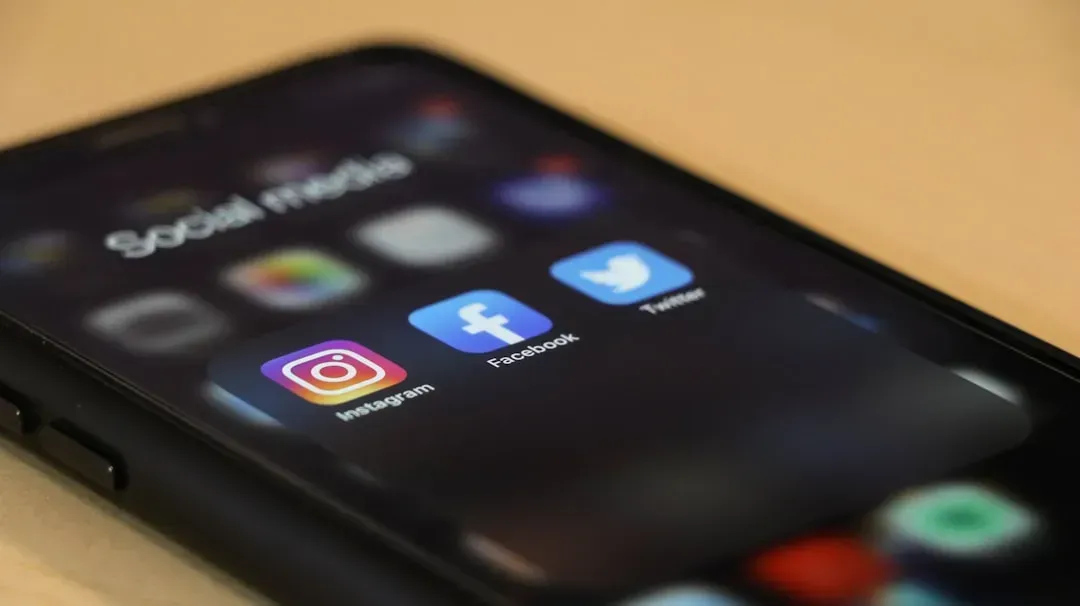
2. Scrolling Through Social Media Mid-Conversation (Image Credits: Unsplash)
Extended phone calls, scrolling through social media for long periods, or playing games can be seen as impolite. These actions can signal disinterest in the people you’re with and disrespect for the staff serving you. There’s a meaningful difference between a quick necessary glance and a slow scroll through an Instagram feed while someone is talking to you.
One of the most blatant forms of rudeness associated with phone use during face-to-face interactions is the disregard for the present moment. When individuals prioritize their screens over the person in front of them, they send the message that the digital world holds more significance than the real world, which not only disrespects the person they are with but also diminishes the value of the interaction.
3. Taking a Call Without Stepping Away From the Table
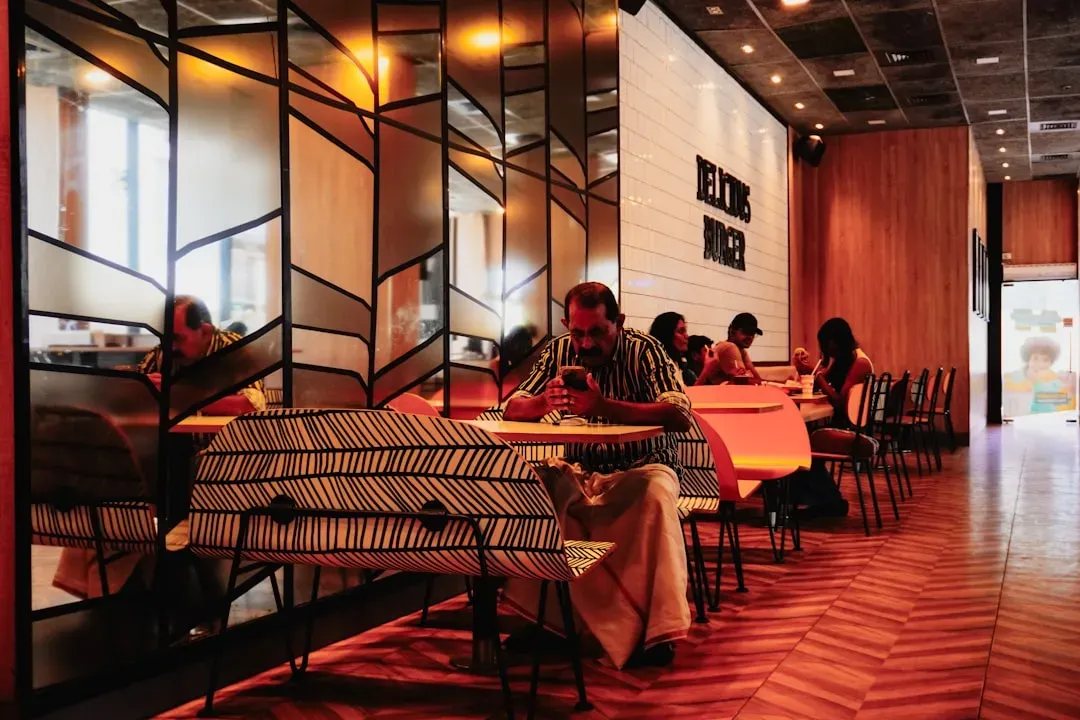
3. Taking a Call Without Stepping Away From the Table (Image Credits: Unsplash)
If you’re expecting an important call or message, it seems fair to warn your companions, but that doesn’t mean you have free reign to stare at your phone. The most sensible response is to leave the table for a call you judge more important than the meal. Staying seated and conducting a full phone conversation while others are trying to eat is one of the clearest violations of shared table courtesy.
Many gatherings are jarred by the beeps and buzzing of nearby phones. The alerts are irritating enough, but even more so when texts, calls, or FaceTime invitations are answered and the guest is no longer participating in the meal. Everyone left at the table is suddenly forced into an uncomfortable silence while you conduct your business out loud.
4. Using Speakerphone at or Near the Table
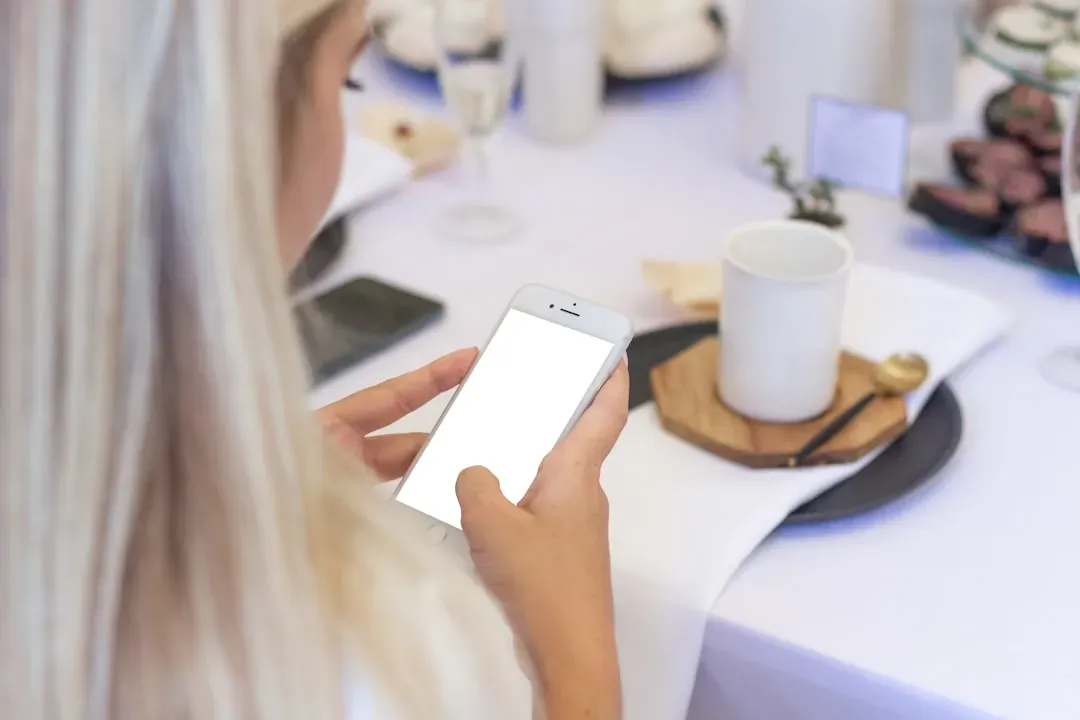
4. Using Speakerphone at or Near the Table (Image Credits: Unsplash)
Speakerphone use in public is a major irritant among survey respondents, as is turning attention away from in-person conversations to respond to a text or giving full attention to a digital device. The speakerphone situation is its own particular offense. It doesn’t just pull you away from the table, it pulls everyone else into a conversation they never agreed to join.
People began recognizing that the phone could be an imposition, and certain spaces, like theaters and dinner tables, where there is a captive audience, deserve quiet. If people can’t get up and leave, you don’t subject someone to half a conversation. That principle applies just as much to a speakerphone call as it does to any other unwanted audio.
5. "Phubbing" – Snubbing the Person Across From You for Your Screen

5. "Phubbing" – Snubbing the Person Across From You for Your Screen (Image Credits: Pexels)
Researchers refer to the phenomenon of ignoring a conversational partner in favor of a phone as “phubbing,” a combination of phone and snubbing. Studies have confirmed that people find such instances of focusing on smartphones instead of partners during conversations to be rude and disruptive, and report that the quality of their social interactions and relationships suffers as a result.
Research shows that female observers in particular perceive lower conversation quality when observing phubbing than male observers, and that observing phubbing diminishes the perceived appropriateness of the interaction. The person on the receiving end of phubbing often won’t say anything in the moment. They’ll simply remember it.
6. Letting Your Phone Ring or Buzz Audibly Throughout the Meal

6. Letting Your Phone Ring or Buzz Audibly Throughout the Meal (Image Credits: Pexels)
Many gatherings are jarred by the beeps and buzzing of nearby phones. The alerts are irritating enough, but even more so when texts, calls, or FaceTime invitations are answered and the guest is no longer participating in the meal. Even if you don’t answer, a phone that pings and vibrates through every course quietly signals that you haven’t made an effort to be fully present.
Turning off your phone before sitting down is a clear and simple courtesy. It is considered rude to talk on your phone or text while in the company of others, and your phone should be out of sight, whether in a handbag or pocket. Putting a device on silent takes about one second. Not doing it communicates something.
7. Photographing Your Food Extensively Before Anyone Begins Eating
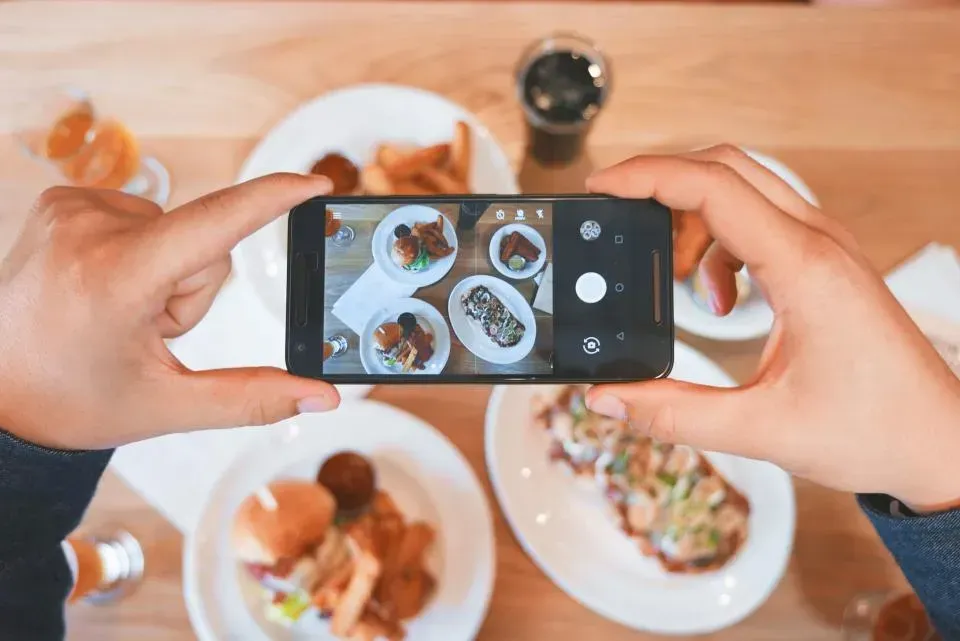
7. Photographing Your Food Extensively Before Anyone Begins Eating (Image Credits: Stocksnap)
Avoiding excessive social media posting and resisting the urge to constantly update your status or share photos is a practical courtesy at the table. A quick photo is generally harmless. The problem arises when the photo session stretches into multiple angles, retakes, and lighting adjustments while food goes cold and everyone waits for the performance to end.
Dining out is often viewed as a social activity, a time to connect with friends, family, or colleagues. When someone is engrossed in their phone, they are effectively disengaging from the present moment and the people around them. Treating the meal primarily as content for an audience that isn’t at the table is a fairly clear statement about where your priorities lie.
8. Repeatedly Glancing at Your Screen During the Conversation
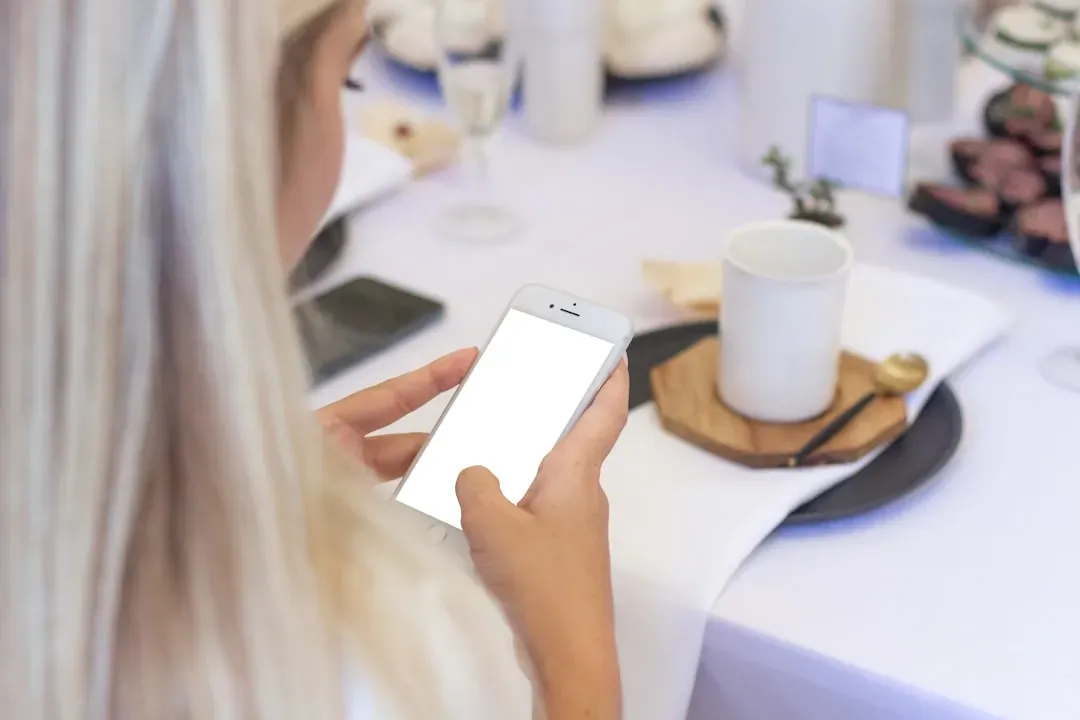
8. Repeatedly Glancing at Your Screen During the Conversation (Image Credits: Unsplash)
Constantly checking one’s phone, interrupting conversations, or failing to maintain eye contact all signal a lack of respect for another person’s time and presence. It doesn’t even need to be a full check-in. A repeated downward glance toward a lit screen mid-sentence tells the person talking to you that part of your attention is already somewhere else.
When individuals remain engrossed in their phones, their capacity for meaningful conversation is significantly impaired. They may miss important cues, fail to grasp the nuances of a discussion, or misinterpret the emotions of those around them, leading to misunderstandings and strained relationships. Conversation is more fragile than it looks. Even partial distraction changes its quality noticeably.
9. Checking Your Phone Without Any Acknowledgment or Apology

9. Checking Your Phone Without Any Acknowledgment or Apology (Image Credits: Pexels)
If you’re expecting to receive an important call or message, it does seem fair to warn your companions. That small act of transparency makes an enormous difference. Simply saying you’re expecting something important shifts the dynamic completely, because it shows awareness of the shared space you’re in.
Americans broadly feel that when people focus on their phones instead of their companions, it hurts the group in which they are participating, and people can be offended when they feel ignored. The habit that tends to sting most isn’t the checking itself. It’s the checking done as if no one else is at the table, with no explanation, no glance up, and no apology. That wordless dismissal is what people remember long after the meal is over.
Most of these habits aren’t born from malice. They’re born from routine. Phones have become so embedded in daily life that reaching for one at the table can feel as automatic as reaching for a glass of water. Recognizing that reflex is the first step toward changing it. The people across the table from you almost certainly notice, even when they say nothing.