
Some things that were once considered perfectly normal in relationships now seem, at best, outdated, and at worst, genuinely harmful. The shift hasn’t happened overnight. Decades of evolving attitudes around gender, autonomy, and emotional health have slowly brought certain old norms into sharp, uncomfortable focus.
What’s striking is how many of these behaviours weren’t even recognised as problems at the time. They were simply “how relationships worked.” Looking back at them now offers a useful mirror, not just for understanding the past, but for thinking more carefully about how we treat the people closest to us today.
Expecting a Woman to Give Up Her Career After Marriage

Expecting a Woman to Give Up Her Career After Marriage (Image Credits: Unsplash)
Historically, traditional gender roles were rooted in practical survival. Men worked outside the home, women raised children and managed the household. These roles were once considered practical, but in today’s world, where women work, men parent, and both partners contribute in diverse ways, they are increasingly restrictive. For much of the twentieth century, a woman leaving her job at the altar was not a sacrifice, it was an expectation.
These expectations quietly limited choices, shaped self-belief, and affected relationships, careers, and emotional well-being. Over time, what started as “normal” became restrictive, not just for individuals, but for families and society as a whole. Entire generations of women navigated professional ambition alongside the unspoken rule that marriage came first, and careers a distant second.
Treating Jealousy as a Sign of Love
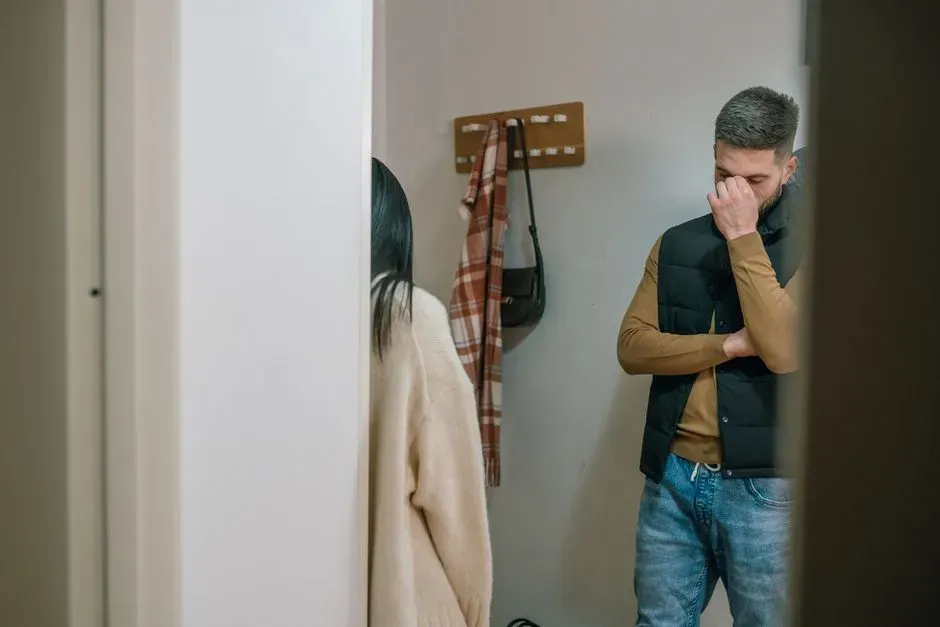
Treating Jealousy as a Sign of Love (Image Credits: Pexels)
For decades, jealousy was framed as romantic proof of devotion. If a partner checked on your whereabouts, demanded to know who you were talking to, or grew cold when you spent time with friends, it was often interpreted as caring deeply. There are generally recognised patterns and characteristics that distinguish toxic behaviours, such as manipulation and control tactics, from genuinely healthy ones. Certain behaviours are universally understood as harmful and damaging within relationships.
Clinical studies indicate that toxic relationships have a broad effect on mental health and raise risk factors for mental health disorders. Neuroscientific research highlights the neural foundations associated with toxic relationship dynamics and reveals the neurobiological underpinnings of psychological distress. Jealousy dressed up as love still causes real harm, regardless of the era it came from.
Staying Together "For the Children" No Matter What
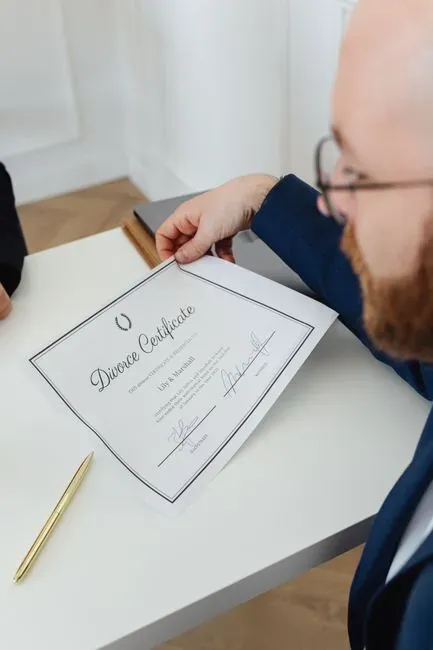
Staying Together "For the Children" No Matter What (Image Credits: Pexels)
The idea that parents owed it to their children to remain in an unhappy or even damaging marriage was treated as near-universal wisdom for much of the twentieth century. Divorce carried heavy social stigma, and the emotional cost of a loveless household was rarely weighed against the perceived stability of keeping a family intact. Participants in recent research distinguished between genuine commitment and forced endurance, a distinction particularly relevant in contexts where societal and familial expectations compel individuals to remain in toxic relationships.
Toxic relationships have long-term consequences for an individual’s emotional and social development throughout their lifespan. Children raised in high-conflict households experience those effects well into adulthood, which fundamentally undermines the entire rationale behind staying together for their sake.
The Man Always Controlling the Household Finances

The Man Always Controlling the Household Finances (Image Credits: Pexels)
In many households through the mid-to-late twentieth century, men handled all financial decisions as a matter of default. Women in some marriages were given an “allowance” by their husbands, with little visibility into savings, debts, or major expenses. Traditional gender roles often created unequal power dynamics within relationships, with men holding more decision-making authority and control. Financial control wasn’t always experienced as abuse at the time, but that framing has shifted considerably.
Traditionally, societal norms placed men as providers and women as caregivers. However, evolving cultural expectations, shifting workplace dynamics, and increased gender equality have reshaped these roles, leading to both opportunities and challenges for modern relationships. Today, financial transparency and shared decision-making are broadly considered the healthier foundation for a partnership.
Dismissing a Partner's Emotional Needs as Weakness

Dismissing a Partner's Emotional Needs as Weakness (Image Credits: Pexels)
Men were expected to lead, earn more, avoid emotional vulnerability, and make major decisions. This norm didn’t just limit men. It meant that anyone who expressed emotional distress within a relationship was often met with dismissal, ridicule, or silence. Vulnerability was framed as a personal failing rather than a normal human need.
Language often praised men for being assertive while criticising women for the same behaviour. Over time, this reinforced passivity in women and emotional restraint in men, shaping how people see themselves and others. The downstream effects of that emotional suppression still show up in relationship counselling offices today, often carried quietly by people who were never taught that their feelings were worth expressing.
Pressuring Partners Into Having Children

Pressuring Partners Into Having Children (Image Credits: Unsplash)
The assumption that marriage naturally and inevitably led to children was so embedded in previous generations that openly choosing not to have them was treated as suspicious, selfish, or medically concerning. A couple who declined to have children was routinely subjected to intrusive questioning from family, friends, and even doctors. Generational differences between young people and their families, especially in cultural and social areas, can lead to significant disagreements on marriage-related issues. Parents may hold views and values that seem unacceptable or outdated to today’s young people. These generational differences may manifest in issues such as gender roles within the family and expectations from marital life, leading to conflicts.
According to the Singles in America study conducted by Match.com and the Kinsey Institute, roughly two-thirds of Gen Z and slightly more than three-fifths of Millennials are interested in marriage, but only about half of Gen Z say they want children in the future, which is lower than past generations at the same age. The slow decoupling of marriage from parenthood represents one of the most significant shifts in how younger generations approach long-term commitment.
Expecting Women to Manage All Emotional Labour Alone
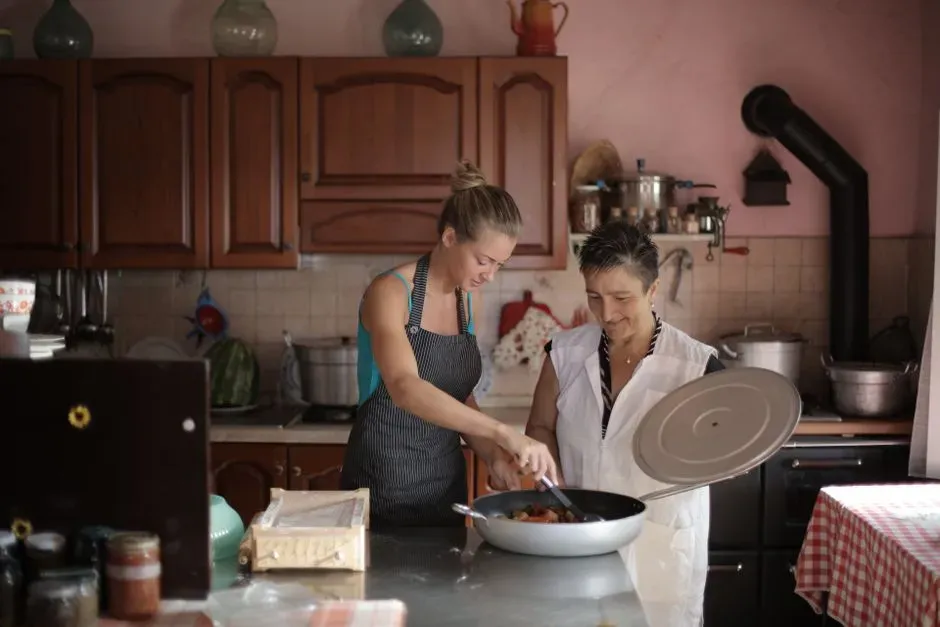
Expecting Women to Manage All Emotional Labour Alone (Image Credits: Pexels)
Women were expected to support, focus on domestic responsibilities, prioritise relationships, and act as emotional caretakers. This extended far beyond cooking or childcare. It encompassed remembering birthdays, managing social calendars, soothing tensions, and keeping the emotional temperature of the home comfortable, all without acknowledgement or reciprocity.
Research emphasising shared goals, emotional partnership, and equitable division of responsibilities reflects a shift away from rigid gender roles, challenging patriarchal norms that often pressured women to prioritise relationships over personal aspirations. The idea that emotional labour is invisible work, and that it deserves recognition, is a relatively recent development in how relationships are discussed and understood.
Using "He's Just Jealous" to Excuse Controlling Behaviour

Using "He's Just Jealous" to Excuse Controlling Behaviour (Image Credits: Pexels)
Entire generations absorbed the idea that a man who monitored his partner’s movements, checked her correspondence, restricted her friendships, or dictated her clothing was simply demonstrating how much he loved her. Popular culture reinforced this repeatedly. Novels, films, and songs reframed possessiveness as passion and surveillance as devotion. Gaslighting and controlling behaviours within relationships are often signs of deeper issues. People are increasingly becoming aware of unhealthy behaviours and are using tools like therapy and education to call them out.
Both toxic and abusive behaviours can be harmful. Research has repeatedly shown that maltreatment does not need to be severely abusive, nor does it need to be physical in order to cause lasting harm. Naming coercive control as a pattern, rather than a quirk of an intense personality, is one of the more significant conceptual shifts in how modern relationships are understood and legally treated.
Treating Marriage as an Economic Transaction

Treating Marriage as an Economic Transaction (Image Credits: Unsplash)
For much of history, marriage was fundamentally a financial arrangement. A woman’s value in the “marriage market” was assessed by her family’s standing, her dowry, or her domestic skills. Love was considered a pleasant bonus rather than a prerequisite. Marriage and relationships were once seen as economic necessities. Today, younger generations are choosing independence, self-care, and financial security over outdated expectations. The transactional model left little room for individual compatibility or emotional fulfilment.
The growing cultural shift around relationships reflects that people are no longer content to settle for outdated norms or unhealthy behaviours. Instead, they are seeking out new ways to define love, set boundaries, and prioritise their well-being. The move away from marriage as a contract toward marriage as a chosen partnership, built on mutual respect and genuine connection, is arguably one of the most meaningful changes in how intimate relationships have evolved over the last century.
None of these behaviours existed in a vacuum. They were shaped by legal systems, cultural norms, economic realities, and deeply held beliefs about gender that took generations to build and are still taking generations to dismantle. Recognising them for what they were, and what they caused, doesn’t require condemning everyone who lived through them. It just requires being honest about the cost.