
Anyone who has spent real time on the floor of a restaurant will tell you the same thing: tipping habits often show up long before the check ever lands on the table. Servers pick up on small cues, tone, ordering choices, even how someone reacts to a simple greeting, and over time those cues start to form a pattern.
None of these signs are guaranteed, and plenty of exceptions exist every single shift. Still, servers across the country keep describing the same handful of behaviors, and the overlap is hard to ignore.
1. Ignoring the greeting entirely
1. Ignoring the greeting entirely (Image Credits: Unsplash)
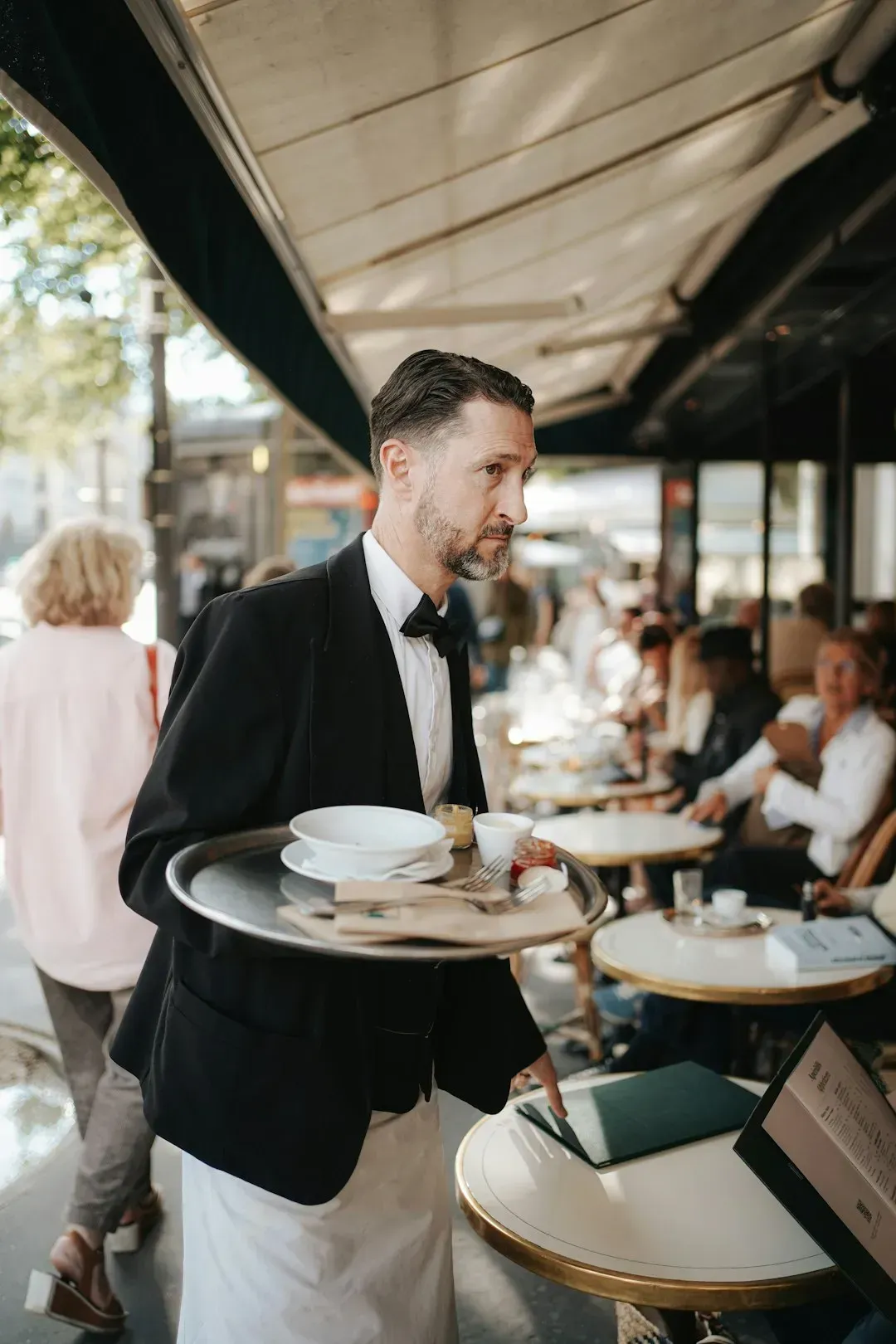
A cold or nonexistent response to a server’s opening hello is one of the most commonly cited red flags in the industry. One Virginia-based server described it directly, saying one of the signs is not being responsive to her greeting, explaining that when she goes to greet a table happy and bubbly, and asks how they’re doing, she gets zero response.
It is a small moment, but servers say it sets the tone for the entire interaction. A separate account echoed the same pattern, noting that customers who ignore her greeting or complain about their food only after the check arrives tend to not leave a tip. The lack of basic acknowledgment reads less as shyness and more as disengagement from the whole exchange.
2. Overpromising with phrases like "I'll take care of you"
2. Overpromising with phrases like "I'll take care of you" (Image Credits: Pexels)
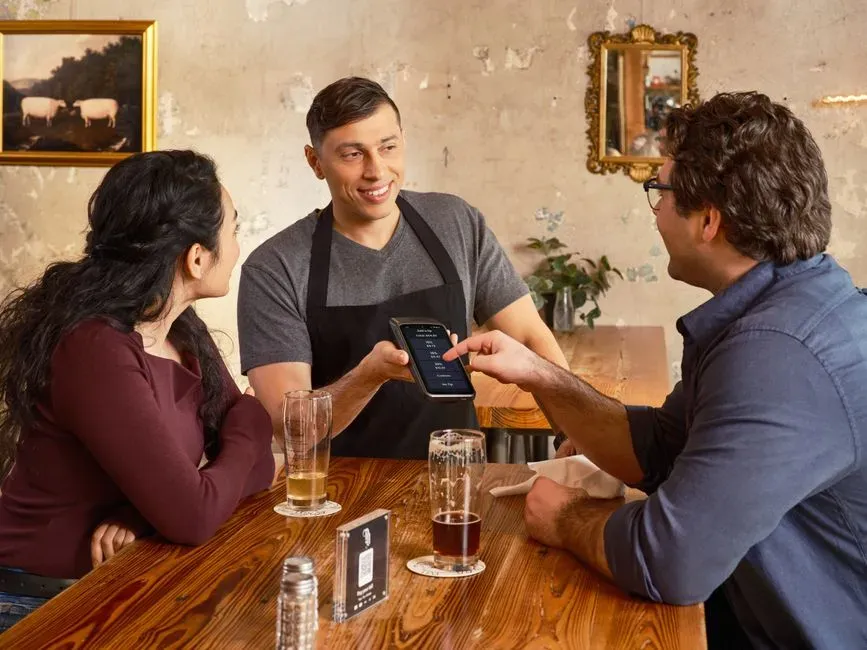
Few lines in a restaurant carry as much irony as a guest announcing upfront that they plan to tip well. Servers who have heard it repeatedly say the promise rarely matches the payout, and one account bluntly summarized the pattern: when a customer indicates that if they’re well taken care of, they will in turn take care of you, it implies a hefty tip, but it never results in that, generally it’s far below the average.
The phrase seems to function almost as a placeholder for genuine generosity. Another server put it even more plainly, noting that the promise to “take care of you” often means the tip you’ll get is maybe fifty cents more than expected. A different Florida-based server added her own version of the same complaint, recalling that it was always the “don’t worry, I’ll take care of you” customers that never did end up taking care of me.
3. Fixating on price before the meal even starts
3. Fixating on price before the meal even starts (Image Credits: Unsplash)
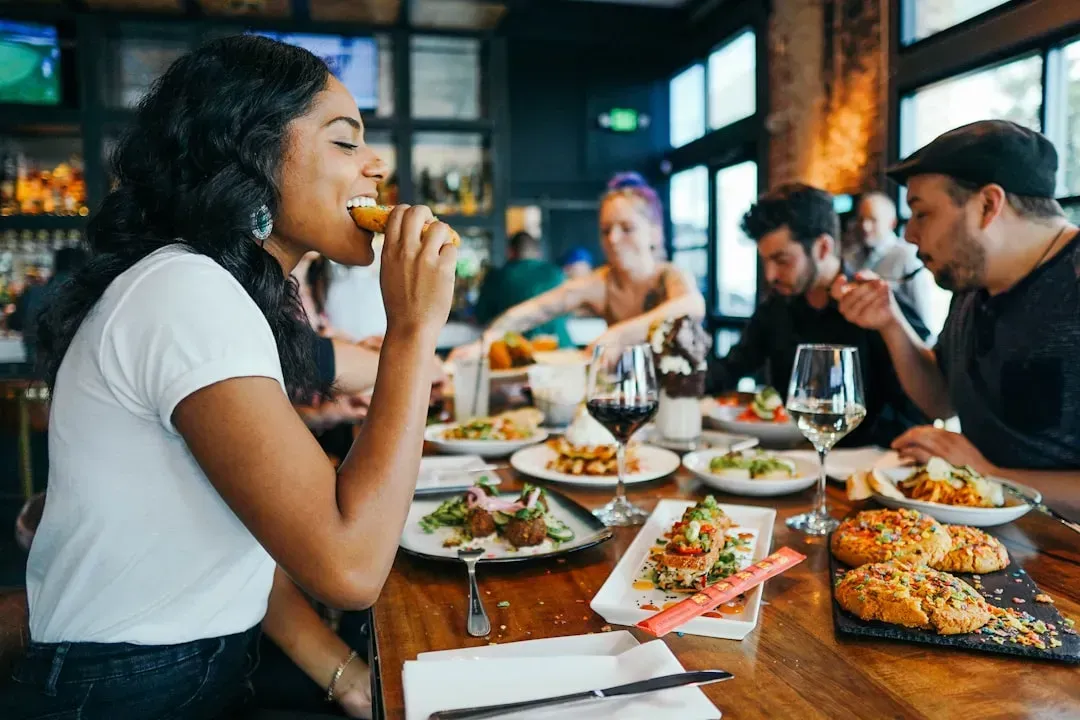
Budget awareness is normal, but servers say there’s a specific pattern that stands out from ordinary cost consciousness. Early questions like whether a menu item includes tax or whether refills are free are frequently mentioned as tells, since a customer who asks “How much will this be with tax?” or “Do you offer free refills?” or “What can I substitute this side for that won’t be an up-charge?” is always a good indication that the customer is watching their pennies and they for sure aren’t going to watch very many of them go into the apron of their server.
It’s not the budgeting itself that raises flags, since plenty of careful spenders still tip generously. Rather, servers describe it as a rapid, cost-focused rhythm to the questions that starts before the food even arrives, which experienced staff say they can recognize almost instantly.
4. Announcing they work in the industry themselves
4. Announcing they work in the industry themselves (Image Credits: Unsplash)
Logically, someone who has waited tables should be the most sympathetic customer in the room. In practice, servers report the opposite. One account described the pattern this way: anytime a customer immediately declares themselves to be a server or bartender, they are going to be very demanding and leave a bad tip, and ninety five percent of the time they work somewhere corporate and don’t actually have any experience working in real bars.
The self-identification seems to function as a kind of credential meant to earn extra attention, without the tip to match. Servers say the announcement often signals a customer who expects industry-insider treatment while contributing little in return.
5. Excessive compliments and calling the manager over
5. Excessive compliments and calling the manager over (Image Credits: Pexels)
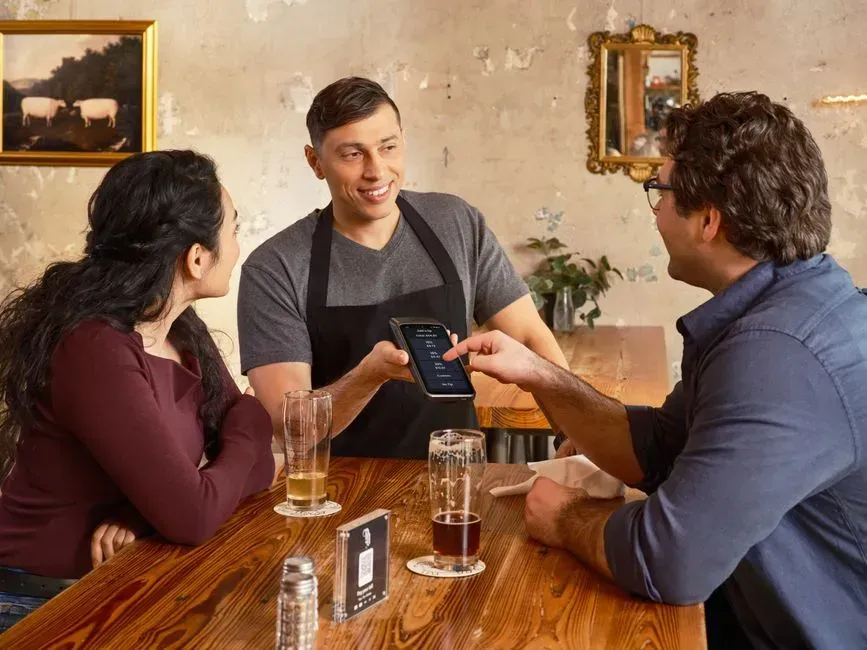
Warm words sound like a good sign, but servers consistently say the opposite holds true. As one hospitality piece explains, it sounds backwards, but the nicest sounding tables are often the worst tippers, and when a customer constantly praises the server, calls them amazing, or calls the manager over to say they deserve a raise, that’s a moment to brace for.
A similar observation came from a longtime industry writer, who noted that being overly complimentary often travels together with a specific kind of remark: this friendliness goes hand in hand with being overly complimentary and praising a job well done, and “you deserve a raise” basically means they want their server to be paid more so they no longer have to tip. The compliment substitutes for the gratuity rather than accompanying it.
6. Requesting extra freebies to build their own drinks or sides

6. Requesting extra freebies to build their own drinks or sides (Image Credits: Pexels)
Servers have coined nicknames for this exact behavior. In the Florida Keys, one server described the type bluntly, explaining that these guests ask for free items to craft their own DIY lemonade, mimicking their request as “can we get extra waters with extra lemons with sugar packets.”
Similar patterns show up elsewhere too, with servers describing requests for extra ramekins of sugar or hot water to soak silverware as recurring signals of a table unlikely to leave much behind. It is rarely one small ask that raises eyebrows. It is the accumulation of multiple free add-ons requested in a short window.
7. Splitting the bill many ways within a large group
7. Splitting the bill many ways within a large group (Image Credits: Pexels)
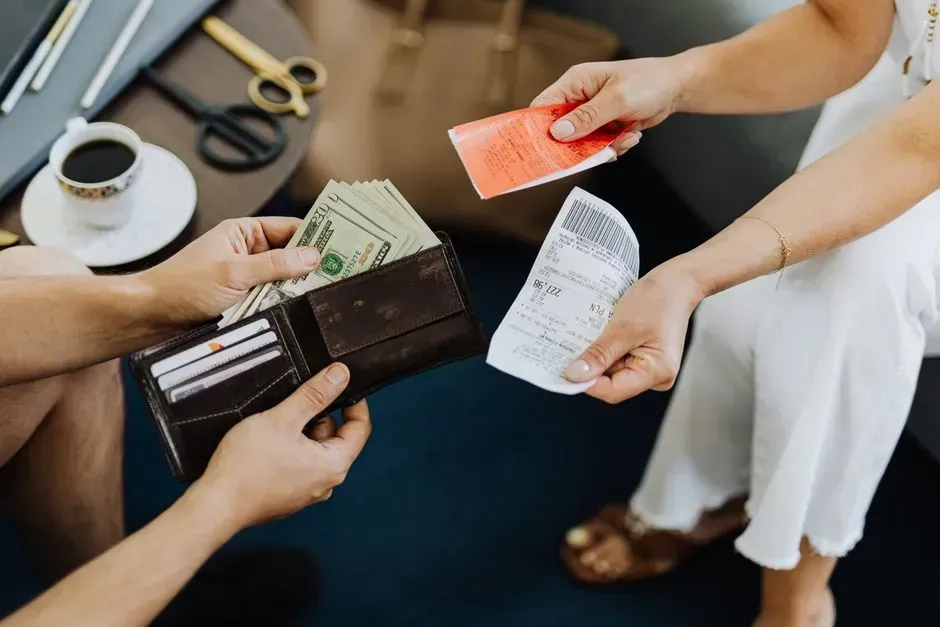
Group dynamics change tipping behavior in predictable ways, according to servers who have worked large parties for years. One breakdown of the pattern noted that when effort and complexity increase because a group wants a complicated split, the outcome tends to move in a specific direction, since servers believe tips are a function of their performance and the customer’s willingness to tip, and when the effort goes up and group dynamics kick in, the tip almost always goes down.
The same source described it as a kind of diffusion of responsibility among diners, calling it the bystander effect at the dinner table, plain and simple. A related example cited a specific scenario involving a large check divided into many small shares among younger diners, which servers say often ends with a disproportionately small tip relative to the extra math and time involved.
8. Sticking to water or the cheapest possible order

8. Sticking to water or the cheapest possible order (Image Credits: Pixabay)
Beverage choice has become one of the more talked-about signals among servers trying to read a table early. Multiple accounts describe a common bias in the industry, where many servers believe that a customer who orders water instead of a more expensive beverage is a “cheap” customer and therefore a poor tipper, and this can cause a server to give that table less attention.
This isn’t necessarily fair, and plenty of water drinkers tip perfectly well. Still, servers openly admit the assumption shapes how they allocate their attention across a shift, treating the drink order as an early data point rather than a firm rule.
9. Complaining about the meal only after the check arrives

9. Complaining about the meal only after the check arrives (Image Credits: Pexels)
Timing matters more than most guests realize. A server who has tracked this pattern closely observed that customers who complain about their food only after the check arrives tend to not leave a tip, a detail that stood out enough to be repeated across multiple accounts from different regions.
The logic servers describe is straightforward: genuine dissatisfaction usually surfaces while there’s still time to fix the dish or offer a replacement. Waiting until the bill is already on the table, they say, often looks less like an honest complaint and more like a built-in justification for skipping the tip altogether.
None of these signals work as a perfect prediction, and servers are quick to admit that plenty of exceptions break the pattern every single shift. What the overlap across so many independent accounts does suggest is that certain habits, tone, timing, and small requests, tend to cluster together far more often than chance would allow.