
There's a particular kind of confusion that happens when a twenty-something watches their grandmother wash a paper towel to reuse it later. It's not judgment exactly, more like watching someone speak a language you half recognize but can't quite translate. Kitchens have quietly become one of the clearest places where generational habits collide, and the gap says a lot about how differently these two groups were raised to think about food, waste, and time.
What follows isn't a list of complaints. It's more of a gentle tour through the habits that make sense if you grew up during shortages, inflation spikes, or a single household income stretching to feed six people, but look downright mysterious to someone who grew up with same-day grocery delivery and air fryers built into their apartment lease.
1. Saving butter containers and takeout tubs for leftovers
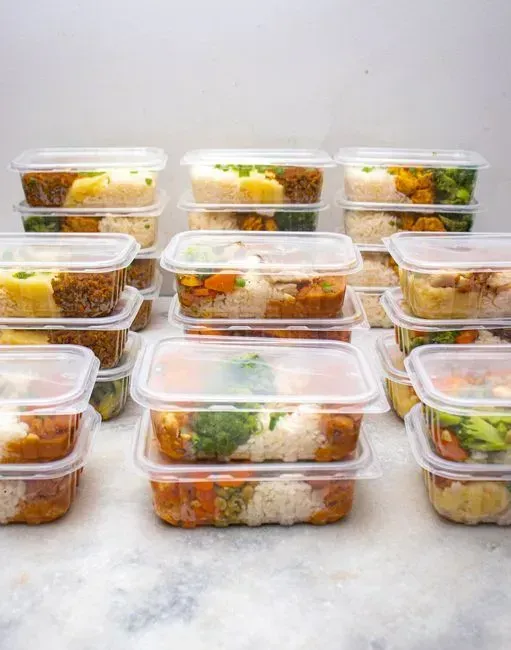
1. Saving butter containers and takeout tubs for leftovers (Image Credits: Pexels)
Walk into almost any boomer’s kitchen and open a random cabinet, and there’s a decent chance you’ll find a stack of Cool Whip tubs that haven’t held whipped topping in decades. This habit traces back to a mix of Depression-era parenting influence and the simple economics of the 1970s and 80s, when reusing containers meant fewer trips to buy actual storage products. It wasn’t really about the container itself, it was about not letting anything with potential use go to waste.
Gen Z, raised on curated pantry organization content and matching glass containers from social media aesthetics, often finds this baffling rather than practical. To them, mismatched plastic tubs look cluttered and slightly chaotic compared to the uniform, label-everything systems popularized online. The disconnect isn’t really about function, since both methods store leftovers fine, it’s about what each generation associates with an organized, “put-together” kitchen.
2. Keeping a coffee can full of bacon grease by the stove
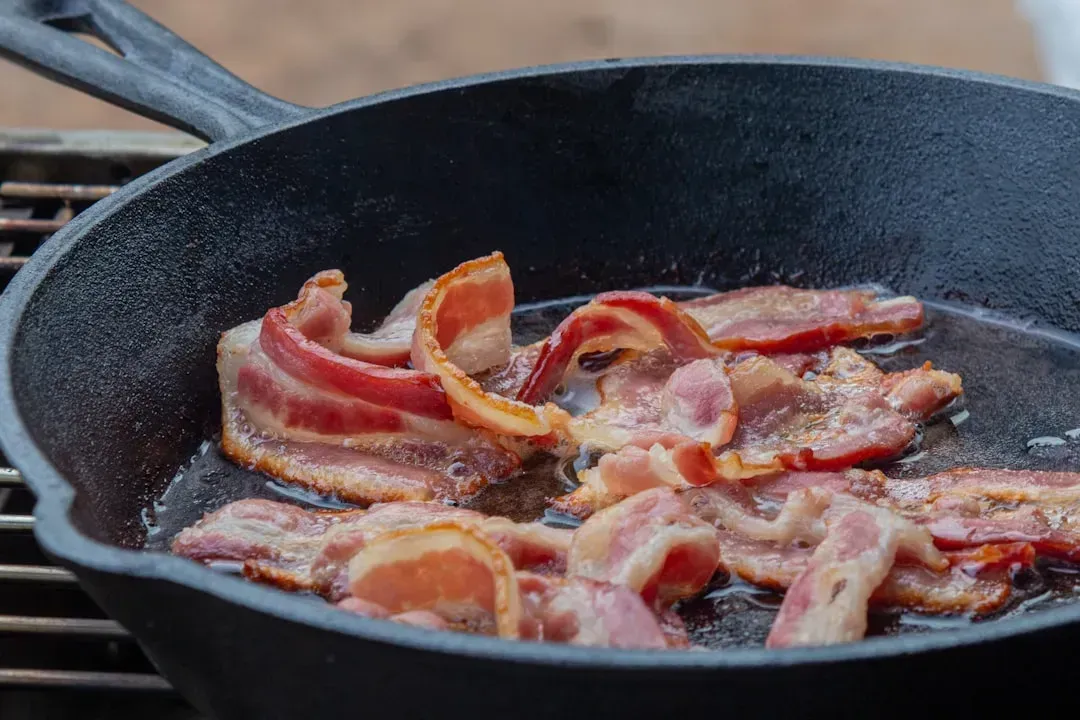
2. Keeping a coffee can full of bacon grease by the stove (Image Credits: Unsplash)
For many boomers, saving rendered fat in a can or jar next to the stove isn’t unusual at all, it’s just how their mothers cooked. Bacon grease adds flavor to vegetables, cornbread, and gravies, and tossing it out felt like throwing away a useful ingredient rather than trash. This habit is rooted in older Southern and Midwestern cooking traditions where fat wasn’t separated from flavor the way modern diet culture often treats it.
To younger cooks who’ve absorbed years of messaging about saturated fat, cholesterol, and “clean” cooking oils, a jar of solidified grease sitting on the counter can look almost alarming. Gen Z home cooks are more likely to reach for olive oil or avocado oil by default, treating fat reuse as an unfamiliar extra step rather than a kitchen staple. It’s less a moral disagreement and more a completely different starting assumption about what belongs in a pan.
3. Refusing to throw out food that's "still good" past the date
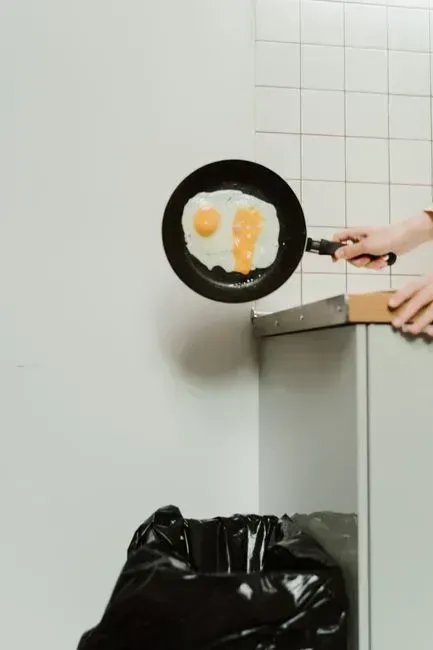
3. Refusing to throw out food that's "still good" past the date (Image Credits: Pexels)
Boomers grew up smelling, touching, and visually inspecting food to determine freshness, largely because “use by” and “best by” labeling didn’t become widespread on most products until the 1970s. Even now, many treat printed dates as loose suggestions rather than firm rules, trusting their own senses over a stamped number. This isn’t recklessness, it reflects an era when food waste was seen as wasteful spending, not just a health question.
Gen Z, by contrast, has grown up during a period of heightened food safety awareness, with apps, labels, and viral warnings about expired products shaping their instincts. Many will toss something the moment the date passes, regardless of appearance or smell, partly because they never developed the same sensory confidence boomers built through decades of trial and error. The result is two very different relationships with the same expiration sticker.
4. Washing and reusing aluminum foil or plastic bags
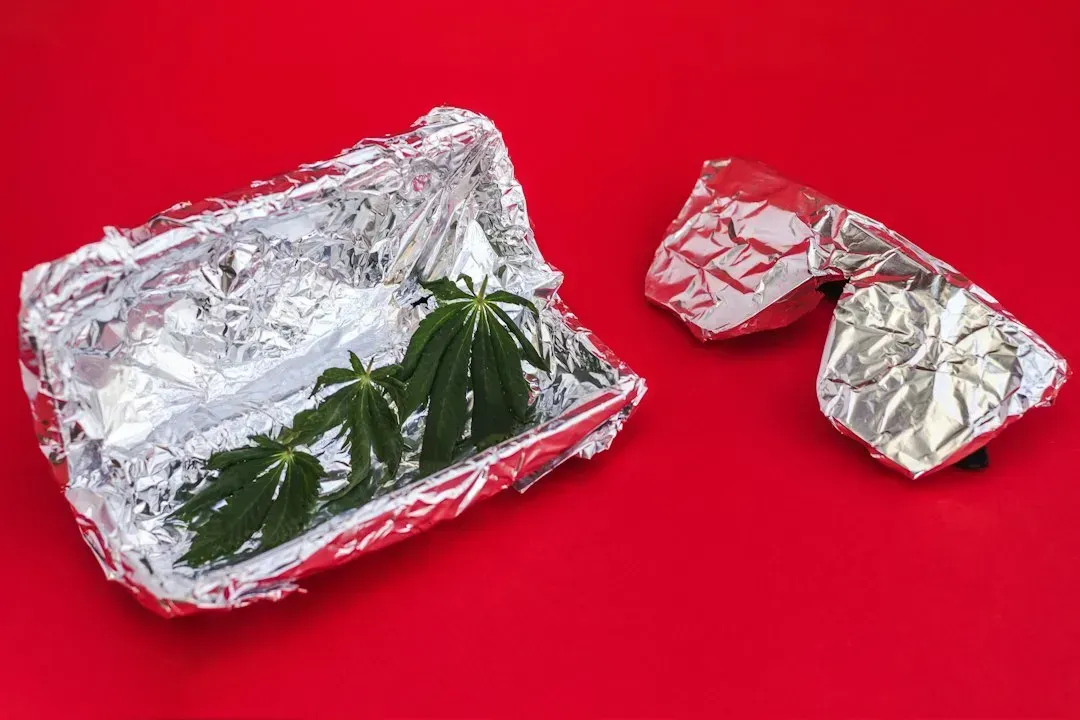
4. Washing and reusing aluminum foil or plastic bags (Image Credits: Unsplash)
There’s a specific boomer move where a piece of foil gets rinsed off, smoothed out, and set aside to dry on the counter for later use. This comes directly from decades when household budgets were tighter relative to income and reusing packaging materials was a normal, unremarkable part of daily frugality. It wasn’t seen as extreme, it was simply how people avoided unnecessary purchases.
For Gen Z, who’ve mostly known foil and bags as cheap, disposable, buy-in-bulk items from big box stores, the practice can look almost like a strange ritual. Many younger consumers are more focused on reducing plastic altogether through reusable silicone bags or beeswax wraps, which ironically shares the same underlying goal of waste reduction, just through a completely different method and mindset.
5. Cooking everything in one giant pot "to be safe"
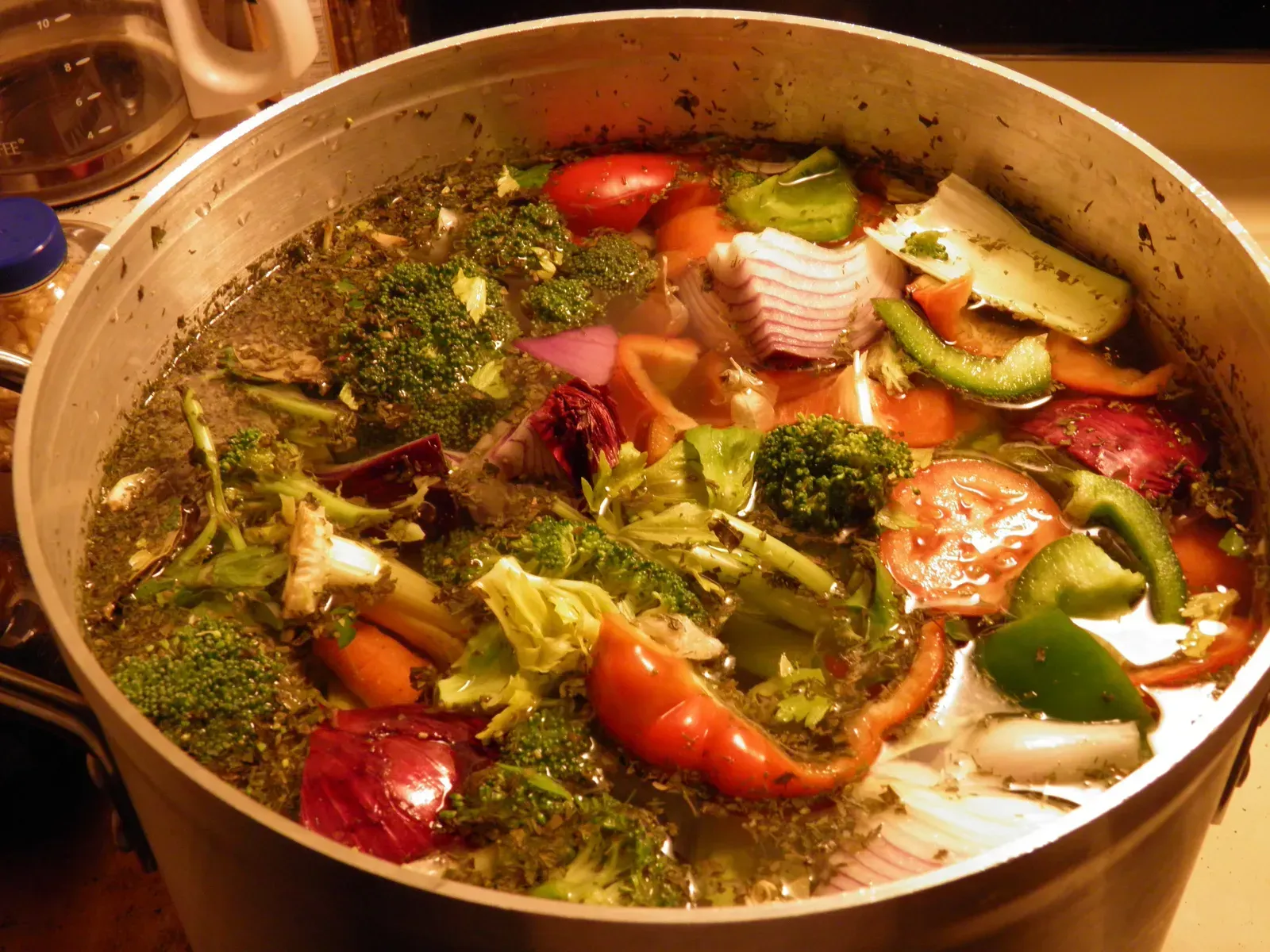
5. Cooking everything in one giant pot "to be safe" (By Michael W. Kolton (Talk), <a href="https://commons.wikimedia.org/w/index.php?curid=23549840" target="_blank" rel="noopener">CC BY-SA 3.0</a>)
Ask a boomer how much pasta to make and the answer is often “more than we need,” just in case someone extra shows up or seconds are wanted. This habit comes from a hospitality culture where running out of food at a family meal was considered a small failure, especially in households that regularly hosted extended family or neighbors. Cooking in volume was both practical and a quiet form of generosity.
Gen Z, often cooking in smaller apartments with less storage and a stronger habit of precise portioning influenced by nutrition tracking apps and meal-prep culture, tends to cook exactly what’s needed. Massive pots of food can feel wasteful or overwhelming rather than generous, especially when fridge space is limited and leftovers aren’t always wanted. The instinct to overprepare simply doesn’t translate the same way across a smaller household.
6. Insisting on hand-washing dishes even when there's a dishwasher
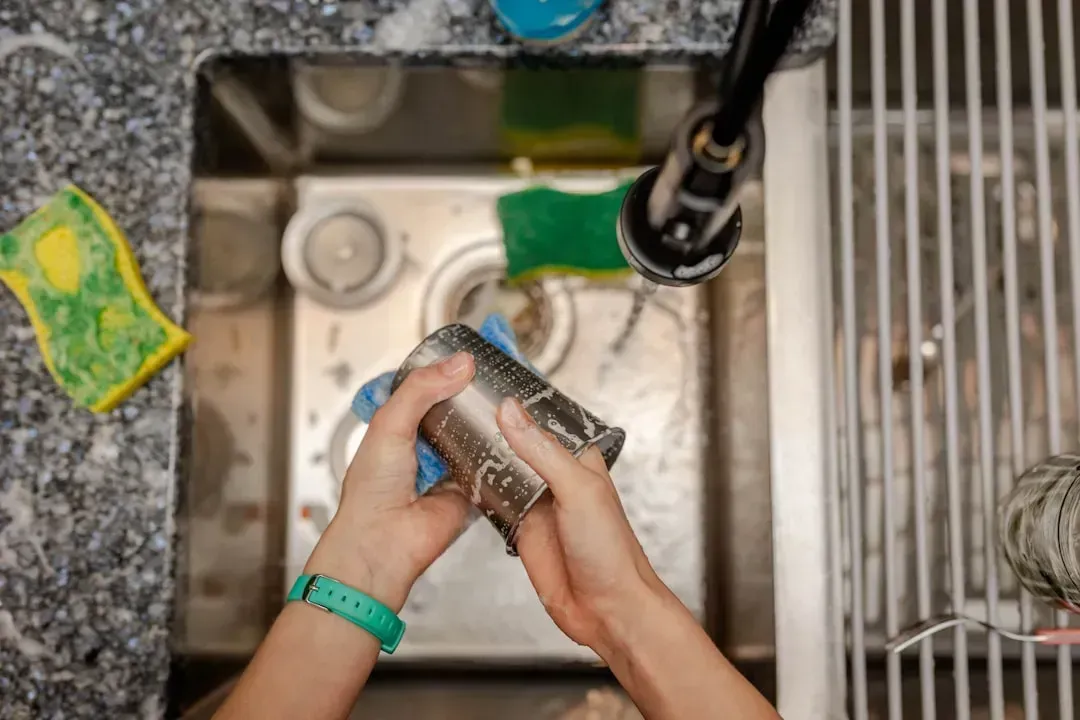
6. Insisting on hand-washing dishes even when there's a dishwasher (Image Credits: Unsplash)
Plenty of boomers own dishwashers and still choose to wash dishes by hand, at least for certain items like good pans or delicate glassware. Some of this comes from earlier dishwasher models in the 1970s and 80s being less reliable or effective, which built long-term skepticism that modern machines haven’t fully erased. There’s also a practical habit loop, since hand-washing right after a meal was simply the standard for decades.
Gen Z, having mostly grown up with dishwashers as a default kitchen appliance rather than a luxury, tends to load them without much hesitation and trust the machine to do the job. The idea of hand-washing a full sink of dishes when a perfectly good dishwasher sits three feet away can feel like unnecessary extra labor. It’s less about cleanliness standards and more about which generation trusts the technology.
7. Keeping a landline-era recipe box instead of using apps
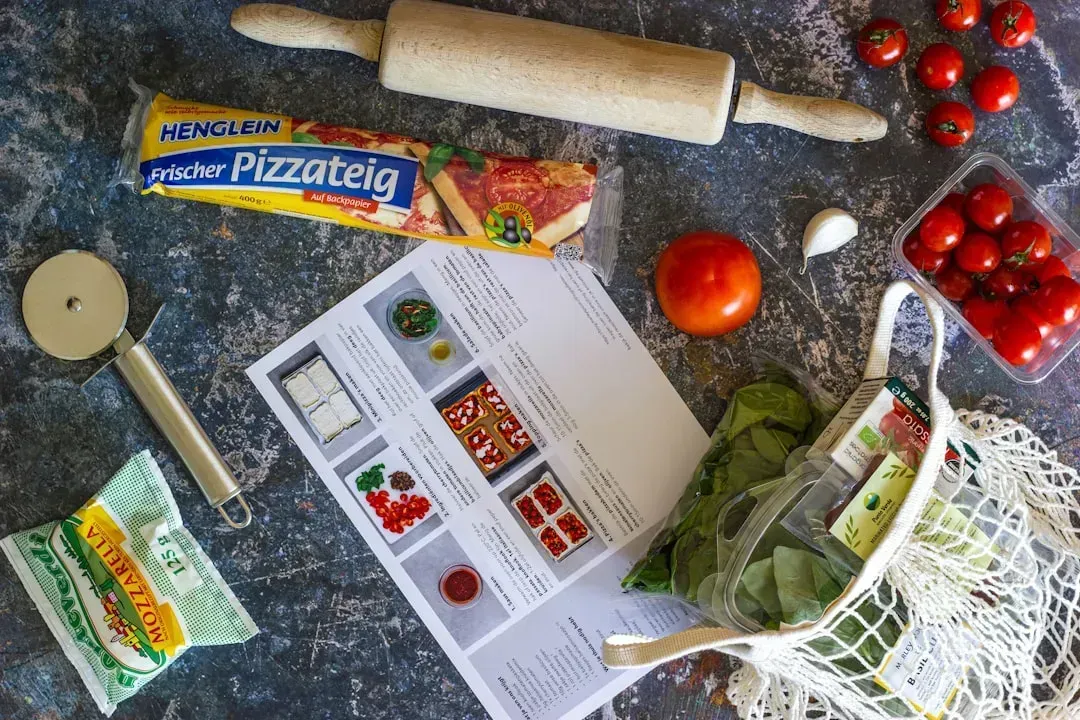
7. Keeping a landline-era recipe box instead of using apps (Image Credits: Unsplash)
Many boomer kitchens still have a physical recipe box or a binder stuffed with index cards, clipped newspaper recipes, and handwritten notes passed down from relatives. These systems predate the internet entirely and often carry sentimental weight, since a card might be in a mother’s or grandmother’s actual handwriting. Switching to digital wasn’t really about resistance to technology, it was more that the system already worked and had emotional value attached to it.
Gen Z cooks, who’ve grown up searching recipes through apps, saved Instagram posts, or quick voice searches, sometimes see the recipe box as almost quaint or archival rather than functional. Digital recipes offer instant substitutions, video steps, and comment sections full of tweaks, something a static index card simply can’t provide. Both systems get dinner on the table, they just represent completely different relationships with information itself.
8. Turning off the oven a few minutes early to "save energy"
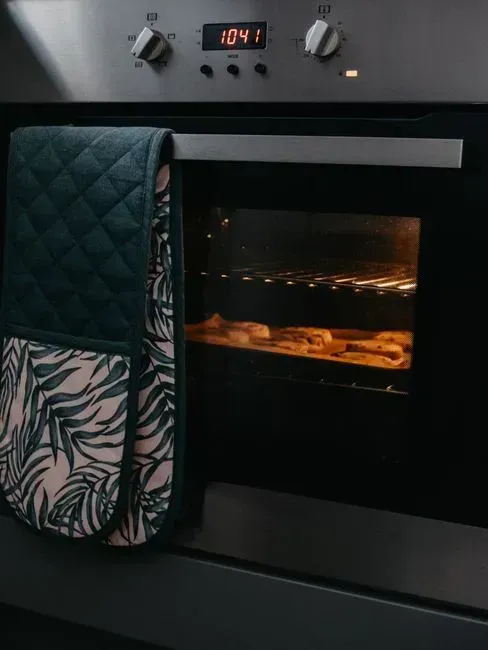
8. Turning off the oven a few minutes early to "save energy" (Image Credits: Pexels)
Some boomers will shut off the oven several minutes before a dish is technically done, relying on residual heat to finish the cooking process. This trick became common during the energy price spikes of the 1970s, when household electricity and gas costs rose sharply and small savings habits became ingrained daily behavior. It’s a small move, but one repeated enough times over decades that it becomes automatic rather than a conscious calculation.
Gen Z, who mostly haven’t lived through a comparable sustained energy crisis in the same formative way, often finds this habit puzzling, especially with recipes and cooking apps that expect precise timing down to the minute. Smart ovens and digital timers common in newer kitchens have also made “estimated” cooking approaches feel outdated compared to app-guided precision. The habit isn’t wrong, it’s just built around a very different cost environment than younger cooks have known.
9. Refusing to measure ingredients and cooking "by feel"
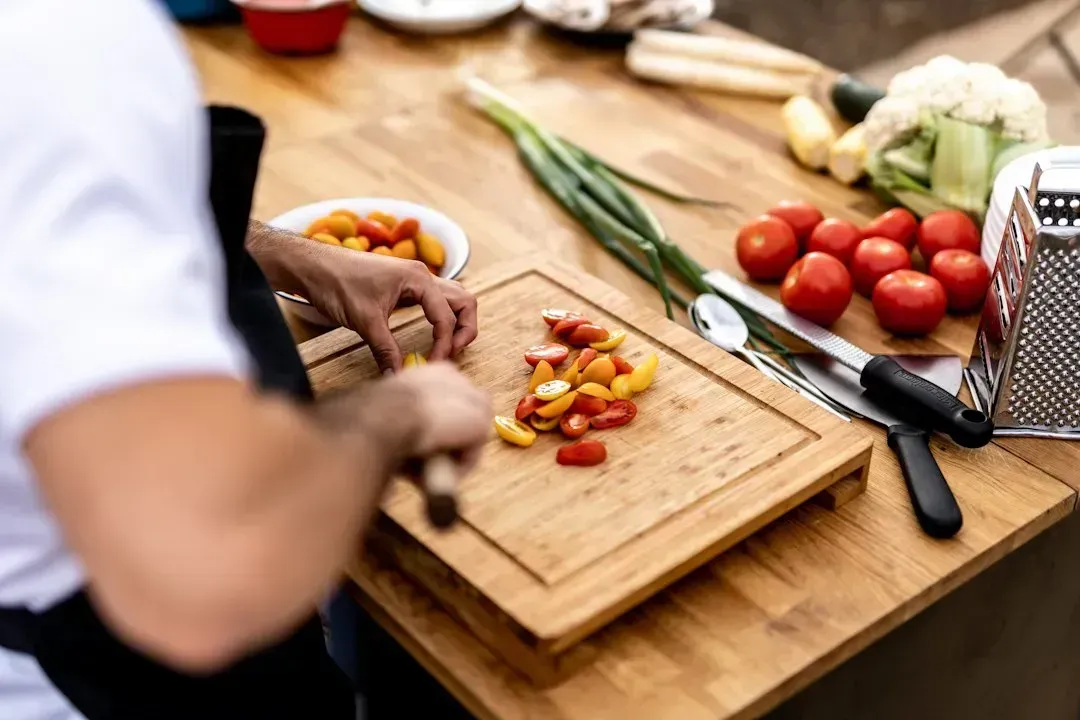
9. Refusing to measure ingredients and cooking "by feel" (Image Credits: Unsplash)
Ask a boomer for an exact recipe and you might get vague gestures instead of measurements, phrases like “enough flour until it feels right” rather than a specific cup amount. This comes from a cooking culture built on repetition and observation passed down through family kitchens, where recipes were taught by watching rather than reading. Precision mattered less than intuition built over years of making the same dish.
Gen Z, who often learn cooking through structured videos, exact measurements, and step-by-step apps, can find “cooking by feel” frustrating or intimidating rather than freeing. Without a reference point, an instruction like “a pinch” or “until it looks right” offers no clear starting place for someone still building kitchen confidence. It highlights a real difference in how each generation was taught to learn a skill in the first place, one through repetition and memory, the other through documented, replicable steps.
These habits rarely come from stubbornness on one side or impatience on the other. They’re mostly shaped by the economic conditions, technology, and family teaching styles each generation happened to grow up inside. Kitchens end up being one of the few places where those differences show up in something as small and ordinary as a jar of bacon grease or a stack of reused butter tubs.