
Every generation looks at the one that comes after it and thinks: what on earth are they doing? That’s not cynicism, it’s just how generational change works. The rules that felt natural in one era can look baffling, even alarming, to people who grew up with a completely different set of defaults. Nowhere is that tension more visible than in relationships.
Gen Z, now roughly between 13 and 28 years old, is navigating relationships in a landscape shaped by digital culture, political polarization, and rapidly evolving ideas about gender and sexuality. The result is a set of relationship behaviors that can genuinely confuse older observers. Some of those behaviors are healthier than what came before. Some are genuinely complicated. Most are simply different.
1. Staying in Situationships Instead of Defining the Relationship

1. Staying in Situationships Instead of Defining the Relationship (Image Credits: Unsplash)
Gen Z tends to reject traditional relationship labels, favoring ambiguous, fluid arrangements known as situationships. These are relationships that exist somewhere between friendship and a committed romantic relationship, often without clear commitment. For older generations who expected a clear progression from dating to exclusivity to commitment, the idea of two people emotionally entangled without any agreed-upon framework is genuinely hard to parse.
According to a 2024 study by Hinge, roughly two thirds of Gen Z users said they’ve been in at least one situationship in the last year. The emotional problem with situationships is not the lack of labels; it is the lack of certainty. The human mind is not designed to stay in prolonged ambiguity. When there is no clarity, people overthink, self-doubt increases, and anxiety quietly grows.
2. Ghosting Instead of Having a Difficult Conversation

2. Ghosting Instead of Having a Difficult Conversation (Image Credits: Pexels)
Ghosting means suddenly cutting off all communication without any explanation, leaving the other person confused or hurt. To Gen Z, this can feel like the path of least resistance. To the person on the receiving end, especially someone from an older generation who expected even a brief breakup conversation, it can feel like an erasure.
Gen Zers tend to be easy-going and conflict avoidant, and in attempting to avoid drama, many are jumping out of entanglements in styles that can be confusing for the person on the other end. The irony is that ghosting often creates more distress, not less. The silence leaves the other person searching for reasons that never arrive.
3. Using Therapy Language in Everyday Relationship Conflicts

3. Using Therapy Language in Everyday Relationship Conflicts (Image Credits: Pexels)
Research from the Journal of Adolescent Health indicates that Gen Z’s comfort with therapy creates relationships where partners actively support each other’s mental health, including normalizing therapy attendance, understanding trauma responses, and creating relationships that function as healing spaces. That’s genuinely valuable. The friction comes when clinical vocabulary enters the middle of a heated moment with a parent, a sibling, or a partner from an older generation who isn’t fluent in the same language.
A lot of conflict language now starts and ends inside the self. Those statements can be healthy in the right context. They can also land like a closed door when there is no follow-up. Telling someone they’re “triggering” you or violating your “boundaries” without further explanation can shut down the very conversation that might have resolved things.
4. Prioritizing Personal Boundaries Over Family Expectations

4. Prioritizing Personal Boundaries Over Family Expectations (Image Credits: Unsplash)
A focus on self-growth and autonomy is central to Gen Z dating trends. For many, singlehood is not a temporary phase but a conscious choice. More than half of single Gen Z respondents say they prioritize personal goals and mental wellness over societal expectations. Older generations built their identities, at least in part, around family milestones. Watching a young adult opt out of those milestones, calmly and without apparent regret, can feel like a personal rejection.
Traditional relationship milestones are becoming outdated. Young adults are slowing down their pursuit of finding “the one,” owning a home, and having kids. This isn’t necessarily disengagement. It often reflects a deliberate recalibration of what a meaningful life looks like, though that context rarely makes it easier for grandparents waiting to hear about wedding plans.
5. Being Unusually Open About Vulnerability Early On
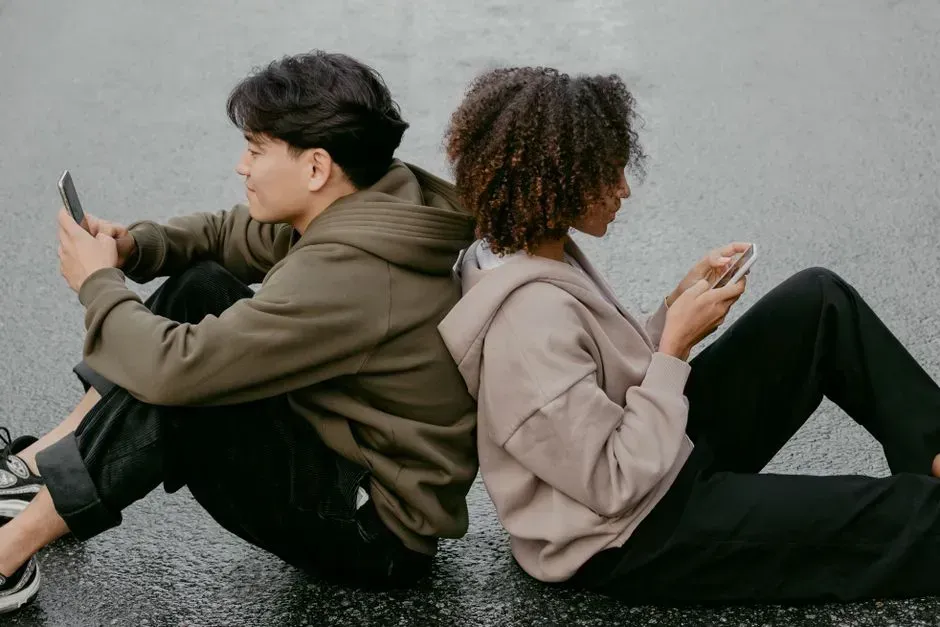
5. Being Unusually Open About Vulnerability Early On (Image Credits: Pexels)
Gen Z is comfortable expressing emotions, discussing expectations early on, and being transparent about their intentions. Vulnerability, which older generations often viewed as risky, feels less daunting to them. Instead of overanalyzing every interaction in the early stages of dating, many Gen Z individuals approach relationships with a sense of openness. This can catch older generations off guard. Many were raised in environments where emotional disclosure came slowly, earned over years.
Unlike past generations that focused on traditional dating rituals, Gen Z values authenticity, mental health, and honest communication. They’re not afraid to be vulnerable and share their insecurities early on, often using social media as a space to express their feelings. What reads as oversharing to a Boomer or Gen Xer might actually be a practiced skill in emotional intelligence, one that research increasingly links to stronger long-term relationships.
6. Rejecting Traditional Gender Roles in Dating
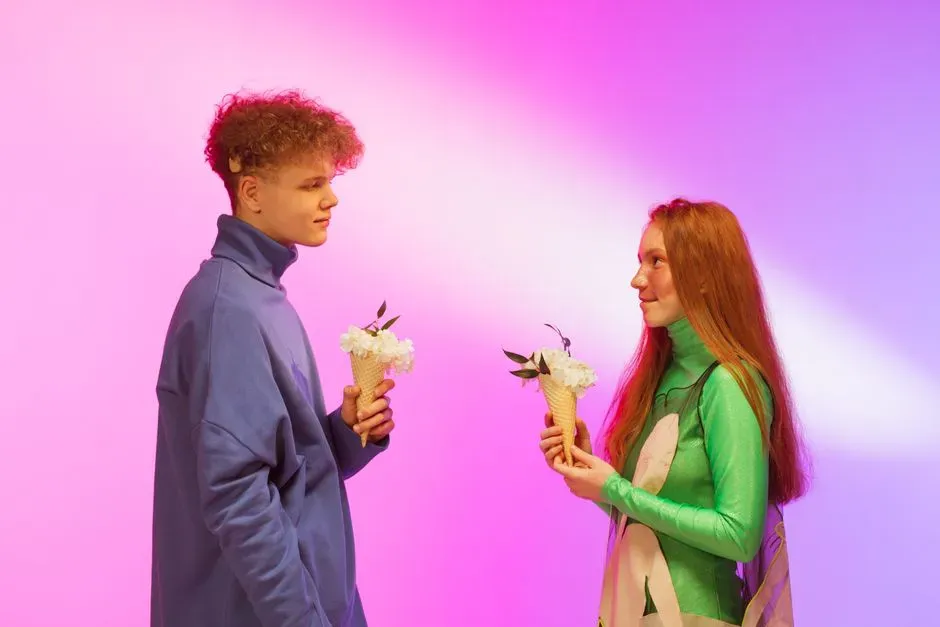
6. Rejecting Traditional Gender Roles in Dating (Image Credits: Pexels)
A majority of young adults no longer expect men to lead in dating and to pay for dates. About six in ten Gen Z men and women say that dating responsibilities, including paying for dates, should be shared equally. For generations raised on the assumption that the man proposes, pays, and leads the household, this kind of structural equality can feel disorienting, even if it looks logical on paper.
The traditional “men as breadwinner and women as caretaker” model is not what most of Gen Z believes. More than eight in ten Gen Z women and roughly two thirds of Gen Z men say couples should divide work and home responsibilities in whatever way works best for them. The flexibility is the point. Yet older generations who built stable lives within those traditional structures sometimes read this as an unwillingness to commit to anything at all.
7. Treating Breakups as Learning Experiences Rather Than Failures

7. Treating Breakups as Learning Experiences Rather Than Failures (Image Credits: Pexels)
For Gen Z, relationships that don’t work out are often seen as part of the learning process. A breakup isn’t necessarily catastrophic; it’s another experience that contributes to personal growth. This mindset encourages experimentation rather than avoidance. To older generations, especially those who stayed in long relationships out of social obligation or genuine idealism, a breezy approach to ending things can look emotionally shallow.
When it comes to marriage, Gen Z are thinking about finding soulmates at an earlier age, and are more comfortable with the idea of divorce. That comfort with impermanence isn’t nihilism. It’s partly a response to watching their parents’ generation hold unhappy marriages together until they didn’t. The anxiety it creates in older observers is real, though so is the logic behind the attitude.
8. Having Less Sex Than Previous Generations Did at Their Age
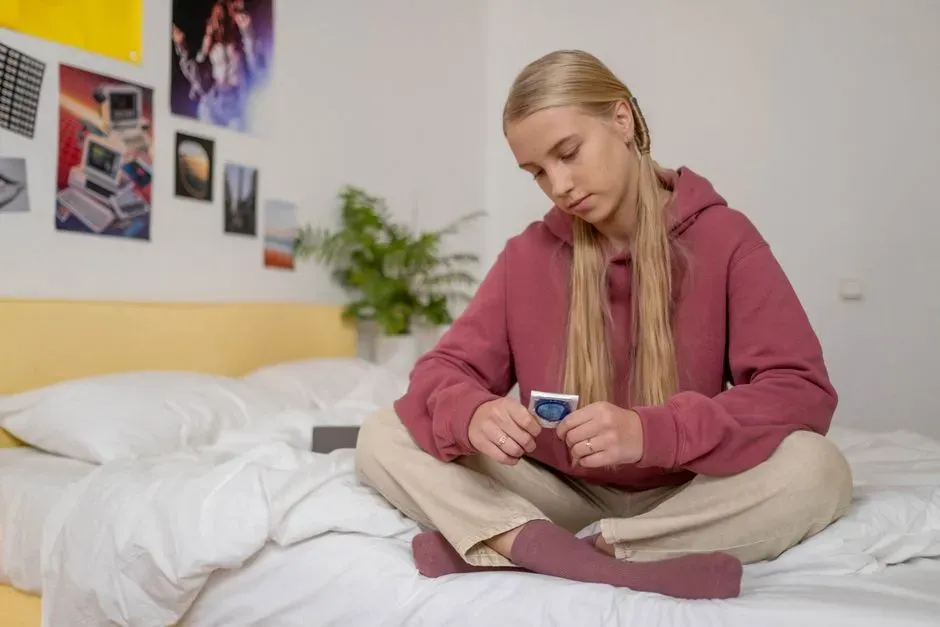
8. Having Less Sex Than Previous Generations Did at Their Age (Image Credits: Pexels)
About three in five Gen Z members said they and their friends do not commonly have one-night stands. Only roughly one in four say they have casually hooked up, which is markedly different from responses the Times got from young millennials in 2004. Back then, about one in five young people said they don’t have one-night stands, and roughly three quarters said they did partake in sex on a first date. This one surprises a lot of people. Gen Z is actually more conservative in this area than the generation that came before them.
Research from the Kinsey Institute and Lovehoney reports that roughly one in four Gen Z adults aged 18 to 24 have not yet had sex. Gender differences are notable: one in three Gen Z men reports no partnered sexual experience, compared with one in five Gen Z women. For older generations who expected young adulthood to look a certain way, this unexpected restraint can produce its own kind of worry, a concern about isolation, loneliness, and whether younger people are disconnecting from intimacy altogether.
9. Soft Launching Partners on Social Media Before Officially Announcing Them
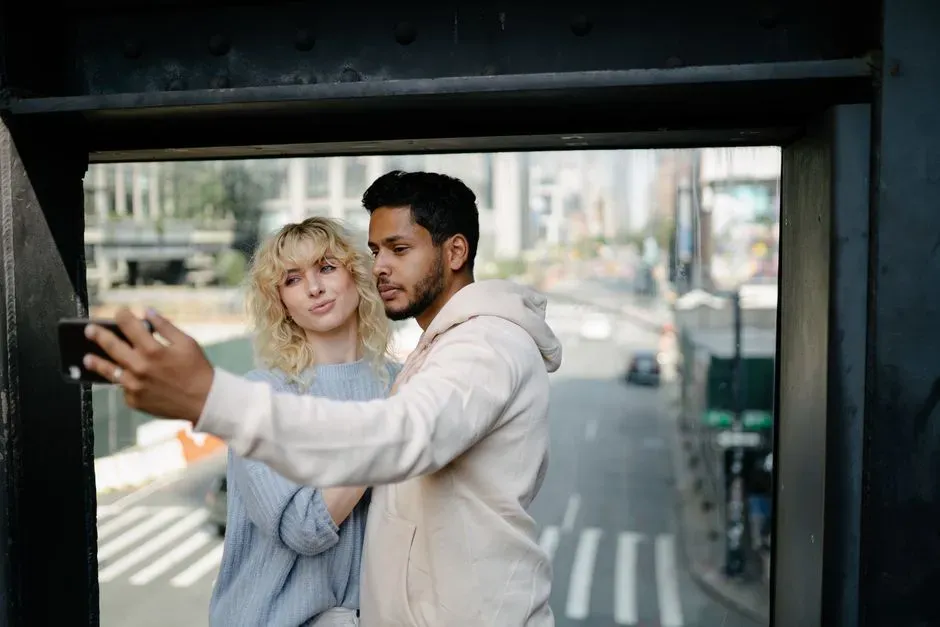
9. Soft Launching Partners on Social Media Before Officially Announcing Them (Image Credits: Pexels)
Terms such as “soft launching” or “hard launching” have become part of Gen Z’s digital relationship vocabulary. Soft launching puts a boundary between the viewer and the creator, allowing them to gradually share their relationship online without rushing into it. The idea of calibrating a relationship’s public existence through staged social media reveals is alien to anyone who grew up simply telling their friends at school or calling their family on Sunday.
From dating videos to live-streamed breakups, post-date debriefs, hard launches, and dating recaps, dating has become a kind of ongoing content. Research shows that being authentically you will become top-of-mind, with roughly two in five singles celebrating dating and relationship content that shows the highs and the lows. The soft launch isn’t dishonesty. It’s a way of protecting something new before it’s strong enough to survive public opinion. That it needs protecting from followers and comment sections at all is, perhaps, the strangest part of all for older generations to sit with.
What looks like anxiety from the outside often turns out, on closer inspection, to be a generation doing something older generations never had a precise word for: building their own version of intimacy from scratch, in a world that gave them more options and less certainty than any that came before.