
There’s a quiet shift that happens in some relationships, one that rarely announces itself with a dramatic argument or a clear turning point. A man who once planned surprise dinners, who checked in throughout the day, who showed up fully present, starts to pull back. Slowly. Almost imperceptibly. Until one day, the effort is just gone.
Many men don’t immediately recognize what they’re feeling when appreciation fades. Instead, the emotional impact often surfaces as irritation, distance, or checking out. The behaviors that follow aren’t always deliberate. They’re often the quiet, cumulative result of a need going unmet for too long. Here are nine things men tend to stop doing when they no longer feel valued in a relationship.
1. Planning Special Moments Together
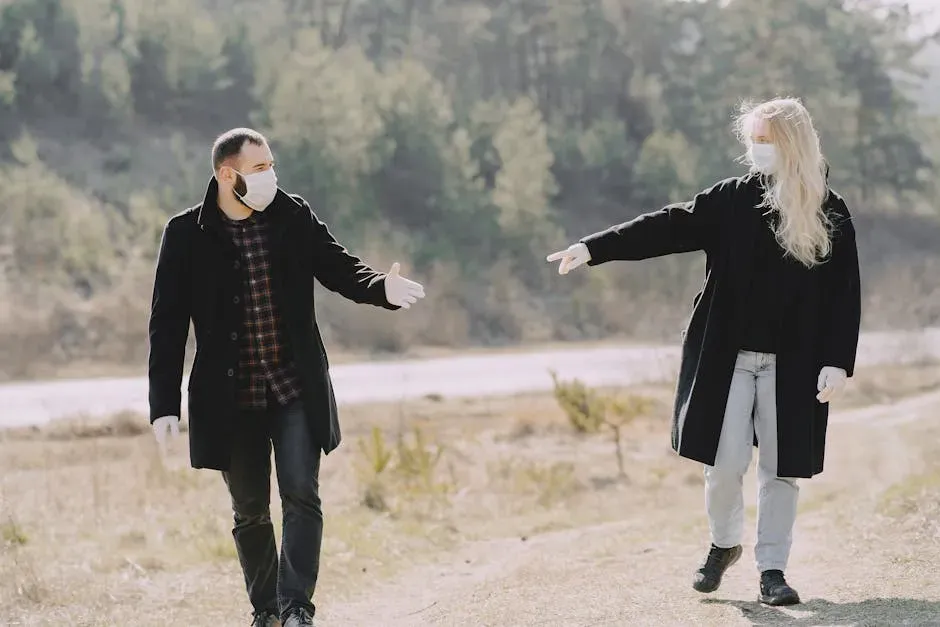
1. Planning Special Moments Together (Image Credits: Pexels)
Rarely planning dates, trips, or even small gestures signals a deeper disinterest. A man's effort is most visible in the actions he takes to build shared memories, and when appreciation is absent, waiting for the other person to carry all the planning can leave the relationship feeling stale. What started as enthusiastic initiative, booking restaurants, organizing weekend trips, setting up movie nights, quietly disappears.
If a man feels unappreciated, he'll withdraw from the relationship by no longer initiating plans. Constantly feeling a lack of appreciation can lead to resentment and a loss of motivation to put energy into the relationship. By no longer initiating, he ends up feeling like he's protecting himself from further disappointment. It's less about laziness, and more about a kind of self-preservation.
2. Opening Up Emotionally
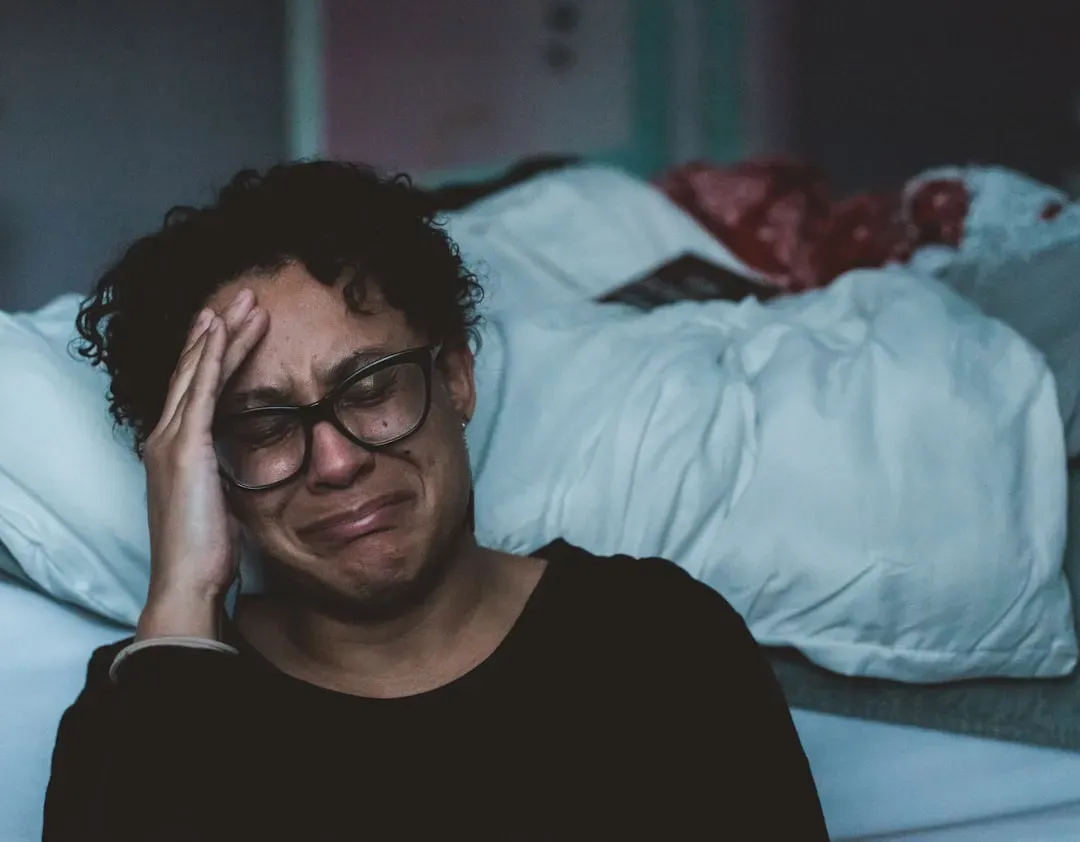
2. Opening Up Emotionally (Image Credits: Unsplash)
If he doesn't feel appreciated, he will stop sharing his feelings. He'll begin to view opening up as a vulnerable act he's not willing to commit to if he feels like it will be overlooked. For him to feel comfortable with emotional honesty, he needs others to validate his feelings through active listening and recognition of his efforts.
When a man feels unappreciated, he may start to withdraw emotionally. It's hard to give everything he has to someone he feels doesn't reciprocate. He's hurt, but might be unable to verbalize those feelings. Instead, he'll signal the disconnect by subtly pulling away. Over time, conversations that used to go deep start staying on the surface.
3. Putting in Extra Effort at Home

3. Putting in Extra Effort at Home (Image Credits: Pexels)
If his efforts are going unnoticed or taken for granted, it doesn't take long before he starts to question why he's giving his energy in the first place. This kind of behavior can easily be mistaken for laziness or even selfishness, but it's more often rooted in disappointment and emotional fatigue.
Letting shared tasks slide or leaving responsibilities for his partner to handle alone creates tension quickly. It's easy to assume the small things don't matter, but withdrawing from shared responsibility communicates a deeper disengagement. A 2020 study published in Current Psychology found that feeling appreciated in a relationship and expressing appreciation were both strongly associated with higher levels of satisfaction. When that appreciation loop breaks, the willingness to go above and beyond tends to go with it.
4. Communicating Meaningfully

4. Communicating Meaningfully (Image Credits: Pexels)
One-word answers, silence, or deflecting when a partner wants to talk are classic signals that effort is slipping. Communication isn't just about talking; it's about listening and connecting. Avoiding real conversations can make a partner feel invisible and alone.
Silence doesn't protect the relationship; it slowly erodes it. A man who once initiated deep conversations may retreat to giving functional, transactional responses. He's not necessarily angry. He's just stopped expecting that talking will change anything, and that alone is a warning sign worth taking seriously.
5. Showing Physical Affection

5. Showing Physical Affection (Image Credits: Pexels)
Physical closeness, emotional bonding, and intimacy all decline when effort fades. Touch, compliments, and affectionate gestures may disappear. This withdrawal often signals a deeper emotional detachment. The hugs that used to come naturally, the hand on the back, the spontaneous kiss, don't get replaced with anything. They simply stop.
When he feels his love isn't being valued, the effort to show up the way he once did suddenly no longer exists. Physical affection for many men is closely tied to how emotionally safe they feel in a relationship. When that safety erodes, the warmth tends to follow. It becomes one of the most noticeable external signs of an internal shift.
6. Initiating Difficult Conversations
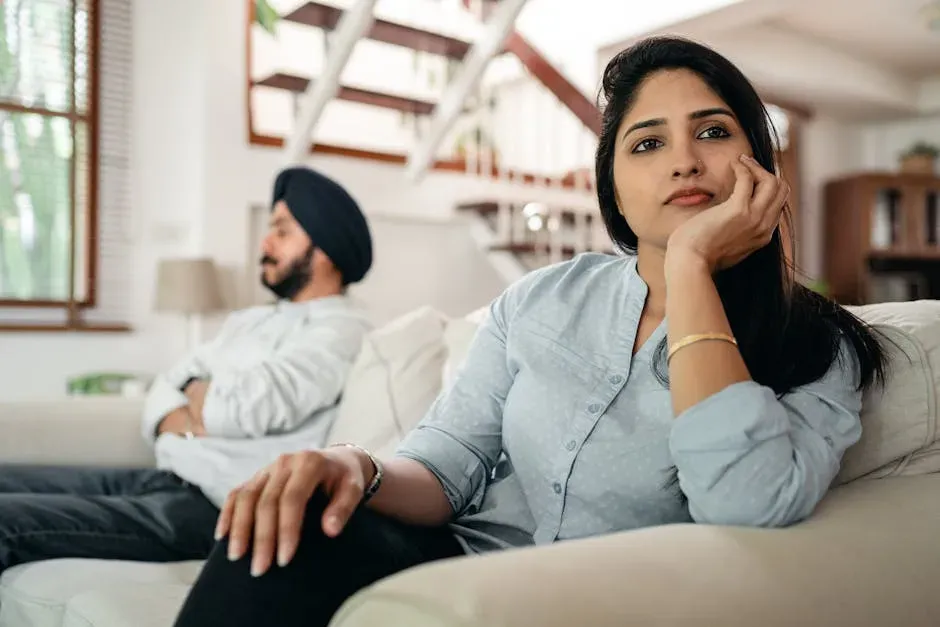
6. Initiating Difficult Conversations (Image Credits: Pexels)
If a man feels his efforts are unappreciated, he may start to avoid difficult conversations. This can be a form of defensive or avoidant silence rooted in a fear of further judgment or emotional dismissal. The things he once would have raised openly, concerns about the relationship, frustrations, future plans, get buried instead.
Minor disagreements tend to explode into major fights when frustration accumulates silently. Avoiding earlier communication fuels resentment. Arguments are often more about built-up neglect than the surface issue being discussed. The cruel irony is that the avoidance of hard conversations is itself what makes things harder, but by the time a man reaches that point, he's often decided it isn't worth the effort.
7. Making Future Plans Together

7. Making Future Plans Together (Image Credits: Pexels)
Men often respond to appreciation as a form of reinforcement. When effort is not acknowledged, motivation declines. He may begin to feel that what he does no longer matters, which can lead to less investment without any direct conversation about it. Long-term planning is one of the first casualties.
A future together is a shared project, especially in a committed relationship. If a man is no longer including his partner in his future plans, it implies a loss of commitment and a fading sense of shared direction. The enthusiastic talk about trips, goals, and milestones tends to go quiet when a man no longer feels like his vision for the future is being honored or even noticed.
8. Seeking His Partner's Company

8. Seeking His Partner's Company (Image Credits: Unsplash)
When a man can't emotionally connect, things like date nights and quality time together grow few and far between. He won't enjoy doing the little things with his partner anymore. Their time together often becomes only what's necessary, and the connection stays surface-level.
A man who feels unappreciated may withdraw by staying out later than usual. He may be trying to build connections with people who genuinely appreciate the effort he puts in. By seeking validation elsewhere, he may be hoping to feel acknowledged and valued in ways that benefit his self-worth. It's not always a search for someone new. Sometimes it's simply a search for a room where someone is glad he's there.
9. Expressing Vulnerability or Asking for Support

9. Expressing Vulnerability or Asking for Support (Image Credits: Pexels)
Society doesn't exactly equip men with emotional vocabulary for this kind of pain. Men aren't necessarily sad or hurt in an obvious way, but they're struggling to admit to themselves or anyone else that their very human need to feel seen is going entirely unfulfilled. When appreciation disappears, the first thing a man quietly stops doing is asking for anything at all.
By constantly having to deal with the emotions caused by others overlooking his efforts, he can become overwhelmed and feel the need to separate himself in order to protect himself. Eventually, he pulls back entirely, showing less interest, affection, and availability. Not because he doesn't care, but because caring without appreciation hurts. That, perhaps more than anything else, is what unaddressed unappreciation ultimately costs a relationship.
Appreciation in a relationship isn't about grand gestures or constant praise. It's about the consistent, honest signal that someone's presence and effort genuinely matter. Feeling unappreciated can significantly impact emotional well-being, while appreciation, when present, greatly increases satisfaction and makes each partner feel cherished. The behaviors described here aren't character flaws. They're responses. Recognizing them early, and understanding what they actually communicate, is where real change has a chance to begin.