
Most parents don’t set out to wound their children. The offhand remark at the dinner table, the frustrated exhale followed by a few sharp words, the comparison dropped casually during a car ride – none of it is intended to leave a mark. Yet research makes clear that parental communication, including tone and word choice, plays a significant role in shaping a child’s emotional and cognitive development long-term, influencing emotional regulation, self-esteem, and the internal experiences children carry into adulthood.
The unsettling part isn’t the deliberately cruel moments. It’s the throwaway ones. As adults, we may say things casually to children because we want them to be safe, sometimes exaggerating or making situations seem more dangerous than they actually are – and in doing so, we can cause a fear in a child that they carry with them for the rest of their lives. What follows are nine phrases that pass through almost every household, and what they quietly do to the child on the other side.
1. "Why Can't You Be More Like Your Brother/Sister?"

1. "Why Can't You Be More Like Your Brother/Sister?" (Image Credits: Unsplash)
Comparison between siblings is one of the oldest parenting habits in the book, and one of the most quietly destructive. When a child hears this, the message beneath the surface isn't "try harder" – it's "you are not enough as you are." When parents communicate in negative or dismissive tones, children are more likely to experience serious emotional problems such as low self-esteem, depression, and anxiety.
The sibling comparison plants a specific kind of self-doubt that tends to outlast childhood. It shapes how kids think about their own identity in relation to others, making them chronic comparers as adults. Harsh words, criticisms, or constantly highlighting mistakes can induce fear of failure, cultivate self-doubt, or stagnate creativity and eagerness to learn. The drive to measure themselves against the people around them doesn't simply disappear when they grow up.
2. "Stop Crying. You're Fine."
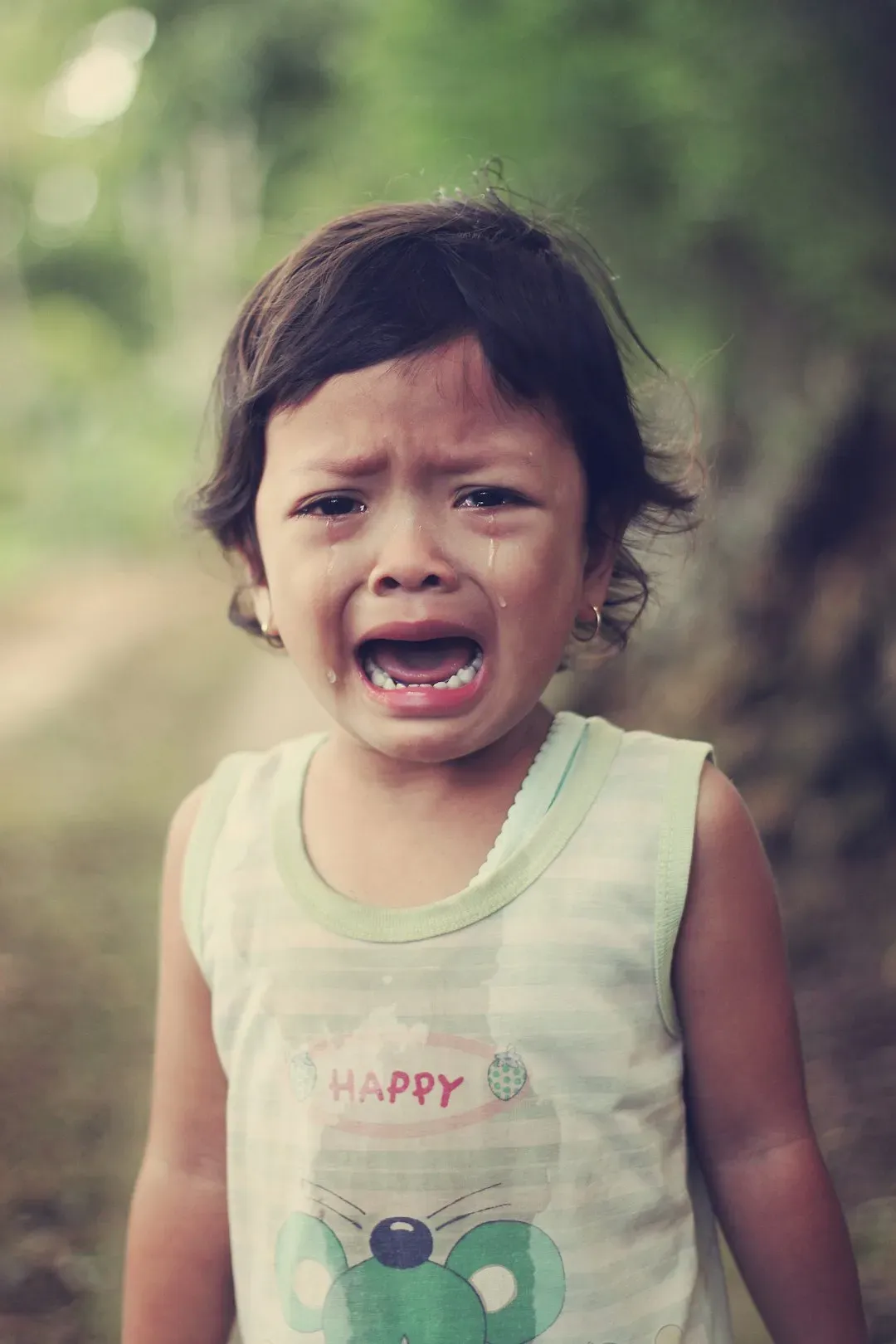
2. "Stop Crying. You're Fine." (Image Credits: Unsplash)
This one comes from a genuinely good impulse: the desire to reassure a distressed child. The problem is that "you're fine" communicates something the child knows isn't true in that moment. They are not fine. They are upset. When children consistently get dismissed or made to feel like they can't express their emotions, they learn to stay silent to avoid any more hurt.
Over time, that silence becomes a habit. This can lead them in adulthood to bottle up their emotions, which can negatively impact their relationships later in life. The child who learned that tears were unwelcome often becomes the adult who can't ask for help, can't identify what they're feeling, and struggles to stay present in emotionally charged conversations.
3. "You Should Be Ashamed of Yourself."
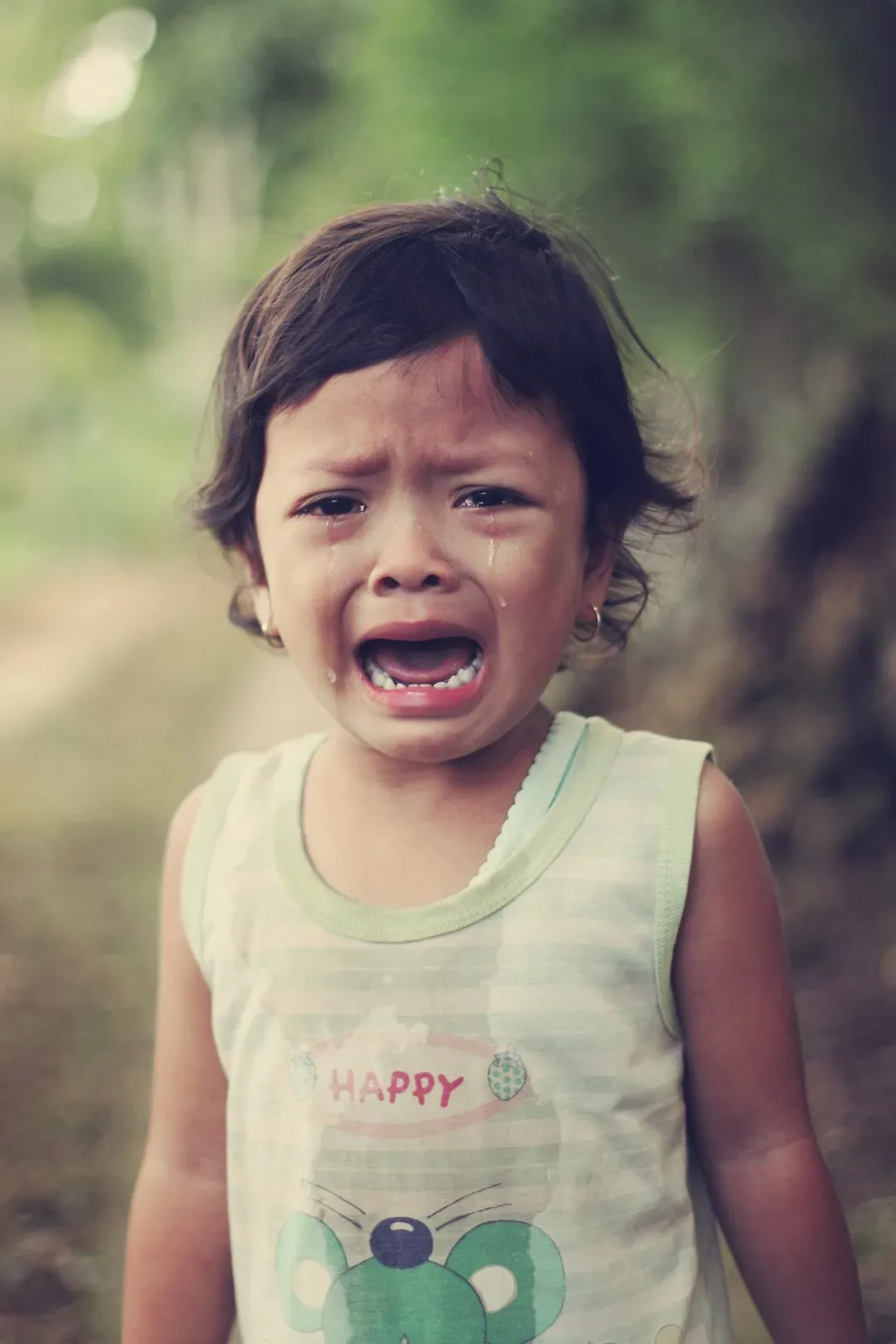
3. "You Should Be Ashamed of Yourself." (Image Credits: Unsplash)
Shame is not the same as accountability, though parents often reach for this phrase hoping to teach the latter. Accountability says "what you did was wrong." Shame says "you are wrong." That's a fundamentally different message, and children aren't always equipped to separate the two. This phrase can cause a child to become ashamed of who they are and can lead to long-term feelings of guilt and inadequacy.
In psychodynamic psychotherapy, understanding how parental criticism influences self-esteem is key to helping those who struggle with feelings of worthlessness later in life. Children who are regularly shamed don't tend to become more responsible. They tend to become more secretive, hiding their mistakes rather than owning them, because exposure feels unbearable.
4. "I'm Disappointed in You."

4. "I'm Disappointed in You." (Image Credits: Pexels)
Few phrases hit a child harder than this one. Coming from the person they most want to please, it lands like a verdict. This phrase can make a child feel like they have let their parent down and can cause feelings of guilt and shame. The child internalizes not just the failure of the specific moment but a broader narrative: that they are a source of letdown.
The ripple effect stretches well into adult life. Many adults who heard this phrase repeatedly as children develop a deep-seated fear of failure rooted not in the consequences of failing but in the imagined reaction of others. Children who face frequent verbal criticism and unrealistic expectations from parents are at higher risk for depression, and they often internalize that criticism, engaging in harsh self-talk like "I'll never be good enough."
5. "You're So Smart" (Said Instead of Praising Effort)
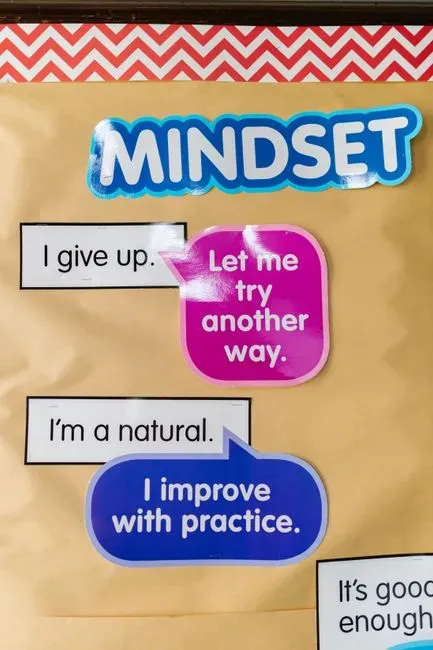
5. "You're So Smart" (Said Instead of Praising Effort) (Image Credits: Pexels)
This one might feel out of place on a list like this. Telling a child they're smart sounds like a gift. The research tells a more complicated story. When children are praised for a fixed trait like intelligence rather than for the effort they put in, they become risk-averse. They start avoiding challenges because failure would contradict the label they've been handed.
It's important to speak in ways that praise effort, because it builds a growth mindset and puts the value of hard work and effort at the forefront – qualities that are actually within a child's control. Praising intelligence, by contrast, quietly teaches children that ability is something you either have or don't, rather than something you develop. That belief can stall them for decades.
6. "You're Too Sensitive."

6. "You're Too Sensitive." (Image Credits: Pexels)
A child who cries easily, who feels things deeply, who gets upset over things that seem minor to an adult – that child is not broken. They are wired a certain way, and telling them otherwise doesn't change the wiring. It just teaches them to distrust their own inner experience. Low self-esteem caused by dismissive parenting can impact all areas of someone's life, even into adulthood, making it harder for them to speak up for themselves, make decisions, and build healthy relationships, causing deep self-doubt and a tendency to constantly question their own worth.
Adults who were told they were "too much" as children often spend years in therapy relearning that their emotional responses are valid. The phrase doesn't toughen kids up. It teaches them that their inner world is a problem to be managed rather than a signal worth listening to.
7. "Because I Said So."

7. "Because I Said So." (Image Credits: Pexels)
As a one-off response during an exhausted moment, this phrase is harmless enough. As a habitual answer to a child's genuine questions, it communicates something more lasting: that their curiosity doesn't deserve a real response, and that authority doesn't need to justify itself. Using language that's filled with empathy and explanations about the reasons behind rules and expectations helps the child feel understood and respected.
Children raised on this phrase often grow into adults who either blindly defer to authority or reflexively rebel against it. Parents' mental health and wellbeing may to some extent determine their parenting practices, and those practices subsequently influence their children's social, emotional, and behavioral adjustment. The instinct to explain rather than simply command is one of the more meaningful ways a parent can build a child's capacity for independent reasoning.
8. "You Always Do This" / "You Never Listen."

8. "You Always Do This" / "You Never Listen." (Image Credits: Pexels)
The words "always" and "never" feel satisfying to say in a moment of frustration. They capture the full weight of exasperation. For a child, though, they function as a character verdict rather than feedback on a specific behavior. Research links harsh, aggressive, and intrusive parenting styles to children developing internalizing and externalizing symptoms, and these symptoms can lead to long-term struggles in relationships and emotional regulation.
When a behavior gets labeled as permanent and total, children stop trying to change it. If they "always" do something wrong, then there's no version of events in which they succeed. Bad parenting can cast a long shadow over a child's emotional and psychological well-being, with children raised in environments of criticism often facing challenges such as low self-confidence, anxiety, and depression. Labels that feel permanent tend to become self-fulfilling.
9. "Wait Until Your Father/Mother Gets Home."
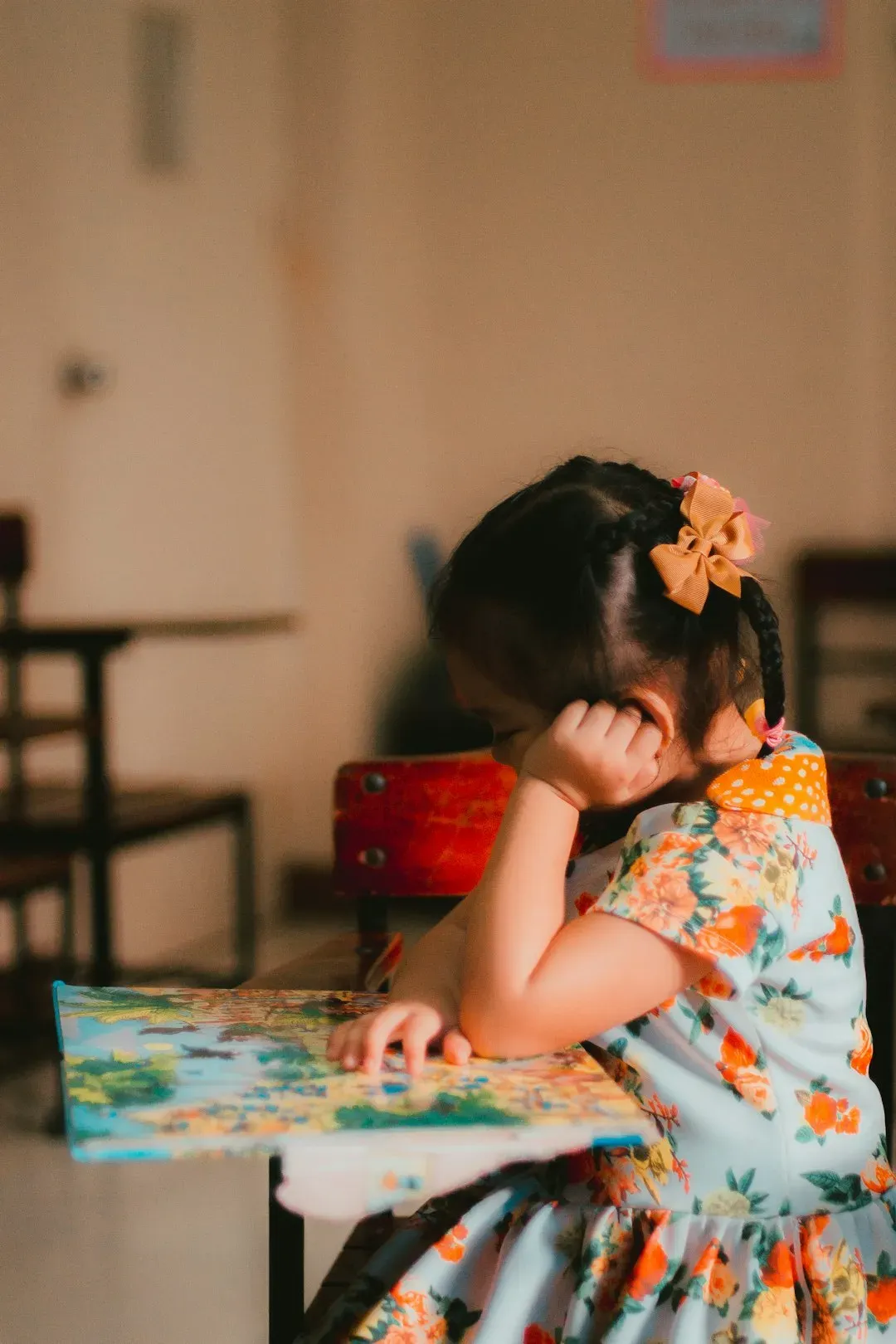
9. "Wait Until Your Father/Mother Gets Home." (Image Credits: Unsplash)
This phrase might seem mild compared to the others on this list, but it carries a specific psychological payload. It teaches children that consequences are deferred, unpredictable, and tied to fear rather than to understanding. A calm or kind voice signals safety, love, and connection to a child, while a harsh voice can make a child feel scared or stressed. Turning one parent into a threat that the other parent wields poisons both relationships at once.
The child spends hours waiting in a state of anxious dread, which has its own neurological cost. Yelling and the anticipation of punishment, even briefly experienced, can cause stress in the brain, making it more difficult for children to manage their emotions and think clearly over time. More than the eventual consequence, it's the waiting and the dread that shape the child's nervous system and their baseline relationship with authority figures going forward.
None of these phrases make someone a bad parent. They make someone human. The parents who said them were often tired, overwhelmed, or repeating patterns they inherited without question. Research shows that the role of parents in shaping their child's future is both powerful and lasting, and if a parenting approach is detrimental to a child's development, the child may suffer lifelong implications. Awareness doesn't erase the past, but it does change what happens next.
The most useful thing isn't guilt. It's simply noticing which phrases show up automatically, and asking what they're actually teaching. Words said in two seconds can live in a child for two decades. That's not a reason for paralysis – it's a reason for a little more thought before speaking.