
Splitting a bill should be simple math, yet somehow it turns into one of the most socially awkward moments of any group outing. Whether it’s dinner with coworkers, drinks with old friends, or a weekend trip with family, the way you handle your share of the check says a lot about you. Some habits that feel harmless in the moment actually come across as inconsiderate or, worse, oblivious to everyone else at the table.
The good news is that most of these missteps are easy to fix once you notice them. Here are nine common bill-splitting behaviors that tend to make people roll their eyes, even if nobody says anything out loud.
1. Ordering the Most Expensive Thing, Then Suggesting an Even Split

1. Ordering the Most Expensive Thing, Then Suggesting an Even Split (Image Credits: Pexels)
There’s a special kind of audacity in ordering the surf and turf with a glass of top-shelf wine, then casually proposing that everyone split the bill equally. It puts the person who had a salad and water in the position of subsidizing your steak dinner, and most people notice even if they’re too polite to bring it up.
This habit tends to erode trust in group settings faster than almost anything else. Friends and coworkers keep mental tallies, and if this happens more than once, you’ll likely find people suddenly “forgetting” to invite you to the next group dinner.
2. Whipping Out a Calculator for a $4 Difference

2. Whipping Out a Calculator for a $4 Difference (Image Credits: Unsplash)
Precision has its place, but turning bill-splitting into a forensic accounting exercise over a few dollars makes everyone at the table uncomfortable. Spending five minutes debating who owes an extra dollar and change for tax makes the whole group feel like they’re being audited rather than enjoying a meal together.
Most social situations call for a little generosity of spirit. Rounding up or down by a small amount saves time and keeps the mood light, and the people who insist on exact-to-the-penny math are usually remembered for the wrong reasons.
3. "Forgetting" Your Wallet at the Table
3. "Forgetting" Your Wallet at the Table (Image Credits: Unsplash)
This one is a classic, and everyone has seen it happen at least once. Somebody suddenly needs the bathroom right as the check arrives, or they pat their pockets and realize they left their wallet in the car, conveniently timed to avoid contributing.
Doing this occasionally by genuine accident is understandable, but making it a pattern is a fast way to get a reputation. Friend groups talk, and being known as the person who never quite has cash or a working card when the bill shows up isn’t a good look.
4. Venmo-Requesting People for Odd, Unrounded Amounts
4. Venmo-Requesting People for Odd, Unrounded Amounts (Image Credits: Gallery Image)
Sending a payment request for something like 14 dollars and 37 cents feels needlessly fussy, especially when a simple 14 or 15 dollars would do just fine. It signals that you’re more focused on extracting every last cent than on the shared experience of the meal.
Digital payment apps have made splitting bills faster, but they’ve also made it easier to nickel-and-dime friends in ways that feel petty. A little rounding, in either direction, tends to be appreciated far more than mathematical perfection.
5. Not Accounting for Tax and Tip in Your Share

5. Not Accounting for Tax and Tip in Your Share (Image Credits: Unsplash)
Some people calculate their portion based only on the price of their food or drink, ignoring the fact that tax and tip apply to the whole bill. This leaves other people at the table quietly covering the difference, often without realizing it until they add everything up later.
In most parts of the United States, sales tax and a standard tip of around eighteen to twenty percent can add a significant amount to a check. Forgetting to factor those into your share isn’t just a math error, it’s an easy way to come across as someone who isn’t paying attention.
6. Suggesting a Payment App, Then Never Actually Sending the Money
6. Suggesting a Payment App, Then Never Actually Sending the Money (By Océanos y dados, <a href="https://commons.wikimedia.org/w/index.php?curid=119015398" target="_blank" rel="noopener">CC0</a>)
Saying “I’ll Venmo you later” has become a socially acceptable way to delay payment, but it only works if there’s a “later” that actually happens. Too many people say this phrase and then let it quietly disappear, assuming nobody is counting.
Someone usually is counting, even if they never say anything directly. A pattern of unpaid “I’ll send it” promises is one of the quickest ways to get quietly excluded from future group plans without ever knowing exactly why.
7. Insisting on Splitting Evenly When Someone Didn't Drink
7. Insisting on Splitting Evenly When Someone Didn't Drink (Image Credits: Pexels)
Alcohol can dramatically shift the total on a bill, and insisting that a non-drinker pay an equal share isn’t fair to them. A round of cocktails or a couple of bottles of wine can easily add tens of dollars per person, and it’s not reasonable to expect someone who stuck to water to cover part of that cost.
This becomes especially noticeable with younger diners, since more people in their twenties are drinking less or not at all according to recent surveys on generational drinking habits. Groups that keep defaulting to an even split without adjusting for this are increasingly out of step with how people actually socialize now.
8. Making a Big Show of "Treating," Then Expecting Reimbursement
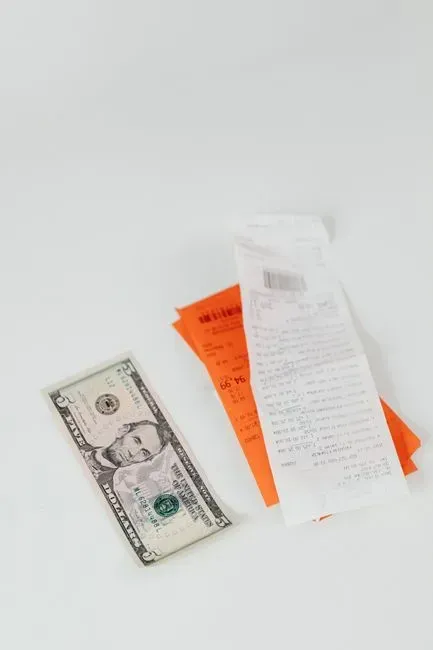
8. Making a Big Show of "Treating," Then Expecting Reimbursement (Image Credits: Pexels)
Grabbing the whole check with a dramatic gesture feels generous in the moment, but if it’s immediately followed by a request for everyone to Venmo their share, it defeats the purpose entirely. This move confuses people because it looks like a genuine treat until the follow-up message arrives.
Real generosity doesn’t come with fine print. If the plan was always to split the bill, it’s better to just say so upfront rather than staging a moment of kindness that turns out to be conditional.
9. Refusing to Use Bill-Splitting Apps Out of Stubbornness
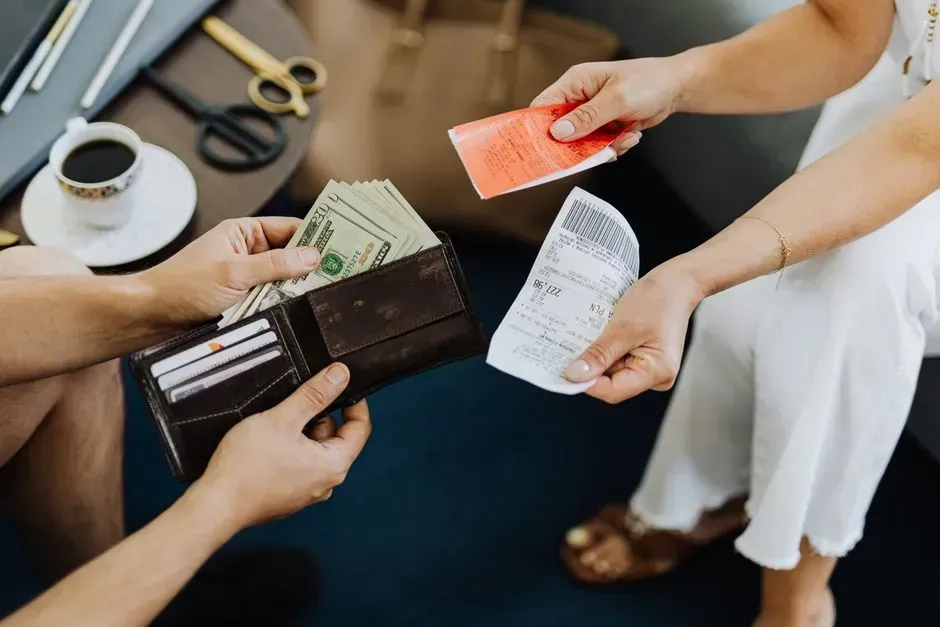
9. Refusing to Use Bill-Splitting Apps Out of Stubbornness (Image Credits: Pexels)
Apps like Splitwise, Venmo, and Zelle have made dividing group expenses far easier than passing cash around or doing mental math at the table. Someone who insists on doing everything the old-fashioned way, writing IOUs or demanding exact change, ends up slowing the whole group down for no real benefit.
These tools have become mainstream enough that most people expect to use them in group settings by now. Digging in against convenient technology for the sake of nostalgia or stubbornness just makes the process more annoying for everyone else involved.
None of these habits are unforgivable on their own, and everyone slips up occasionally when the check arrives and the math gets complicated. Still, patterns matter more than isolated incidents, and the people who consistently avoid these nine missteps tend to be the ones who get invited back without a second thought.
At the end of the day, splitting a bill well isn’t really about getting the numbers perfect. It’s about showing basic consideration for the people you’re sharing a meal with, and that’s a much easier thing to get right than most people make it out to be.