
Every family has its unspoken zones. Topics that float near the surface during holiday dinners but never quite break through. For millennials and Gen Z, those zones have quietly expanded, shaped by economic pressures, shifting values, and a world their parents and grandparents simply did not grow up in. The gap isn’t about affection. Most young adults genuinely love their families. It’s about the very different realities they’re navigating behind closed doors.
Differences between parents and Gen Z often lead to conflict because each generation has its own way of thinking, lifestyle, and values. That tension doesn’t always show up as arguments. Often, it shows up as silence. Here are nine things younger generations tend to keep to themselves when it comes to older family members.
1. The True State of Their Mental Health

1. The True State of Their Mental Health (Image Credits: Pexels)
Research by the Walton Family Foundation found that roughly two in five Gen Zers struggle with depression and feelings of hopelessness, which is nearly twice the rate of people over the age of 25. Despite these numbers, many young people still don't bring their mental health struggles up at family gatherings. The fear of being misunderstood or dismissed runs deep.
According to the Indian Journal of Psychiatry, there is a generational gap in those willing to go to therapy, and mental illnesses are more stigmatized in older generations such as Gen X, whereas younger generations such as millennials and Gen Z are more accepting of mental illness. Telling a grandparent you're in therapy, or that anxiety is affecting your daily life, can feel like speaking a different language entirely. So younger people often stay quiet, managing quietly on their own or with peers instead.
2. How Much They're Actually Struggling Financially
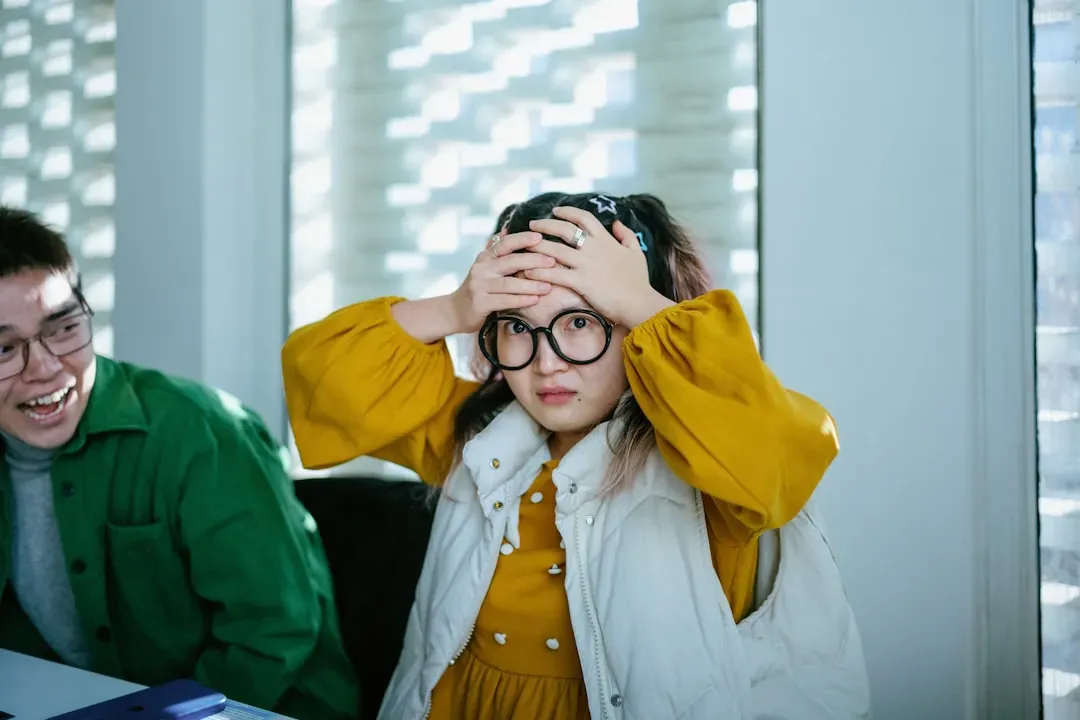
2. How Much They're Actually Struggling Financially (Image Credits: Unsplash)
A Bank of America Better Money Habits study found that over half of adult Gen Z Americans feel they don't make enough money to live the life they want, painting a picture of a generation grappling with financial challenges that seem increasingly insurmountable. Many would rather project confidence around older relatives than admit how precarious things truly are.
Roughly a third of Gen Z report that financial issues are their primary source of stress, with rising costs of living, an unpredictable economy, and stagnant wages fundamentally reshaping how they think about their futures. Admitting this to parents or grandparents who owned homes in their twenties can feel like a quiet failure, even when it's entirely a product of circumstances outside anyone's control.
3. Their Relationship Status and Romantic Choices

3. Their Relationship Status and Romantic Choices (Image Credits: Pexels)
Younger adults continue to delay marriage or favor long-term partnerships without formal vows. This is a deliberate, considered choice for many, but it's one that can be awkward to defend at a family dinner table where traditional milestones carry significant weight. Many young people simply sidestep the conversation rather than engage in another round of "when are you getting married?"
Studies indicate that younger generations prioritize emotional compatibility and mental well-being over conventional markers of success such as marriage and children. For some, that means non-traditional relationship structures or choosing to stay single long-term. These choices often remain carefully hidden from older relatives who hold different expectations, not because of shame but because the energy required to explain is rarely worth the outcome.
4. Their Political and Social Views
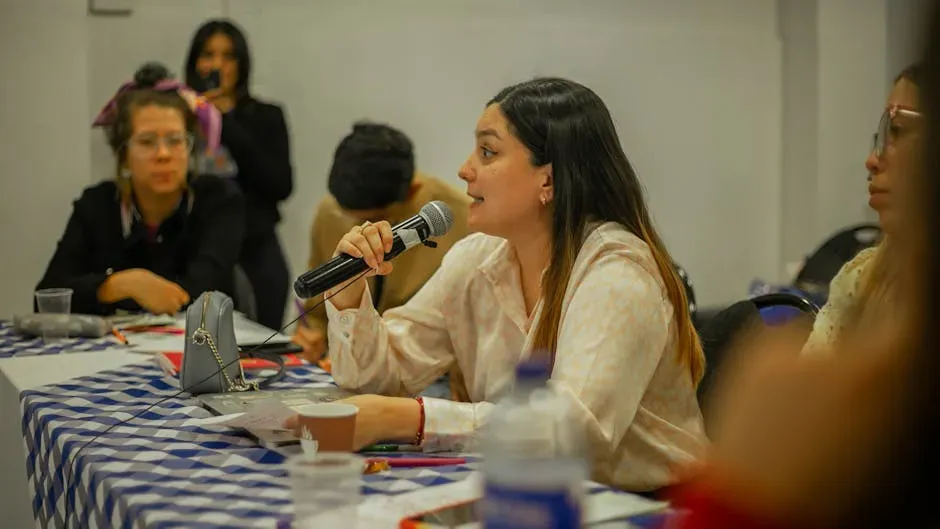
4. Their Political and Social Views (Image Credits: Pexels)
For younger generations, the influence of parental political preferences is uneven. More than three quarters of Gen Z adults raised in a Democratic household identify as Democrats, while among Gen Z raised in a Republican household, only about three in five say they are still Republican. Political identity among young people is genuinely shifting, sometimes in directions that diverge significantly from the family line.
Rather than spark conflict, many young people quietly hold their views and avoid the topic at family events. Gen Z is highly aware of social issues, often participates in social movements, and tends to pursue creative, flexible approaches to both work and life. These values don't always align with older generations, and silence becomes the easiest form of peacekeeping when certain topics have historically ended in frustration on both sides.
5. Their Career Path and Job Instability

5. Their Career Path and Job Instability (Image Credits: Pexels)
Gen Z tends to pursue creative, flexible, and free careers that allow them to express their personality and maximize their strengths. Meanwhile, many parents still want their children to choose stable careers to ensure a solid future, and this often causes conflicts when parents feel worried while Gen Z wants to be supported and trusted in the path they choose.
Mental health challenges and career struggles contribute substantially to Gen Z's sense of crisis. Freelancing, gig work, career pivots, and periods of underemployment are common realities for young workers today, but they're rarely shared openly with older relatives who may interpret any deviation from a traditional career path as recklessness. It's simpler to say "work is fine" than to explain the whole picture.
6. Their Online Lives and Digital Identities

6. Their Online Lives and Digital Identities (Image Credits: Unsplash)
Children increasingly rely on personal technological devices like smartphones to define themselves and create social circles apart from their families, and younger users have created their own inventive, quirky, and very private written language. This extends well beyond slang. Entire identities, communities, and relationships exist online that most older family members know nothing about.
The safety afforded by anonymity online lowers social barriers and encourages openness, allowing individuals to discuss topics like mental health, trauma, sexuality, and personal crises without shame. Anonymous forums and private communities often serve as the spaces where young people process the things they'd never say aloud at home. Older relatives rarely know these spaces exist, let alone what's being shared within them.
7. Their Parenting Struggles and Doubts
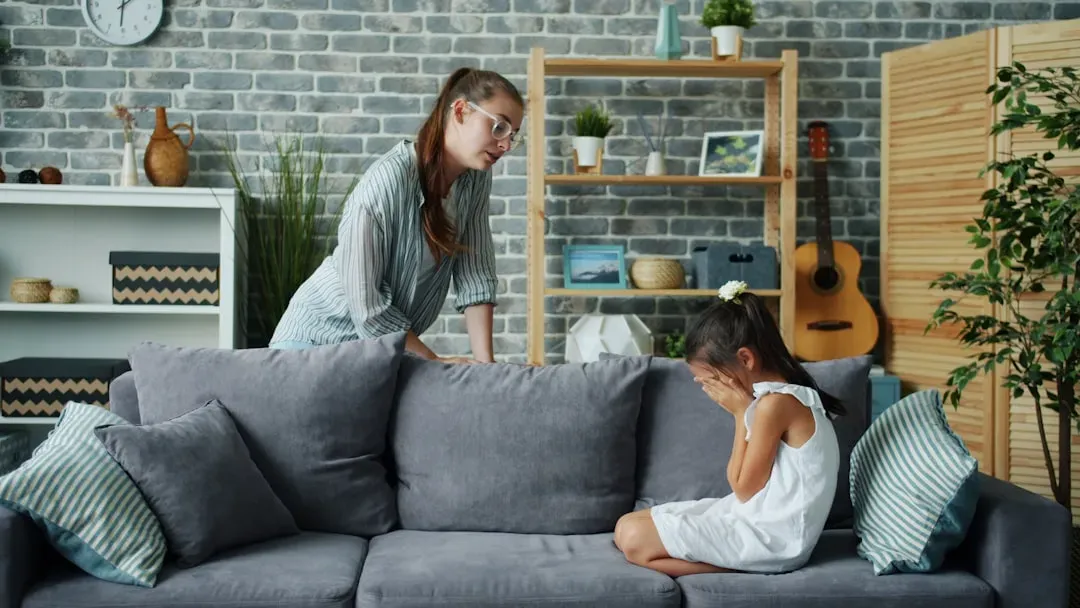
7. Their Parenting Struggles and Doubts (Image Credits: Unsplash)
More than four in ten parents of young kids keep their frustrations about parenting all to themselves, with Gen Z parents being most likely to keep their struggles a secret. This is a striking pattern. The generation most vocal about mental health on social media is simultaneously the most likely to hide parenting difficulties from the very people who could offer the most firsthand experience.
Part of this comes down to fear of judgment. The majority of Gen Z parents are prioritizing preparing their children for the real world, while most millennial parents focus on supporting their children's mental and emotional well-being. These newer priorities can feel hard to explain to grandparents raised with entirely different frameworks. Admitting doubt or exhaustion sometimes risks inviting unsolicited advice that's more frustrating than helpful.
8. Their Loneliness and Sense of Disconnection

8. Their Loneliness and Sense of Disconnection (Image Credits: Pexels)
Despite the ubiquity of digital platforms, young people are experiencing what experts describe as a "loneliness epidemic," with nearly half of young adults saying they feel alone on a weekly basis, even though they are digitally tethered to hundreds of peers. This kind of loneliness is particularly hard to explain to older generations who associate connection with being physically surrounded by people.
Previous research highlights that the younger generation, particularly Gen Z, is experiencing the highest cases of loneliness, often linked to their various attachment styles. Telling a grandparent that you feel isolated despite having thousands of social media followers doesn't exactly land well. Most young people quietly carry this feeling rather than try to bridge that explanatory gap at Sunday dinner.
9. Their Doubts About the Future

9. Their Doubts About the Future (Image Credits: Pexels)
More than two in five Gen Zers believe their generation isn't set up for success, and nearly two thirds don't feel financially stable. This deep uncertainty about what adult life will actually look like is something many young people experience almost daily, yet rarely voice to older family members who tend to expect optimism and forward momentum from the young.
Nearly three quarters of Gen Z respondents said today's economy makes them hesitant to set up long-term financial goals. When the future genuinely feels uncertain, it's exhausting to articulate that to someone who built a life on a very different economic foundation. So many young people smile, say they're figuring it out, and keep the deeper worry quietly to themselves.
There's no villain in this story. Older family members often ask from a place of love, and younger generations often go quiet for exactly the same reason. The gap between what gets said and what gets felt isn't really about secrets. It's about the honest difficulty of translating one era's reality into another's. Some of that distance may simply be the natural texture of family life across generations, present in every era, just wearing different clothes today.