
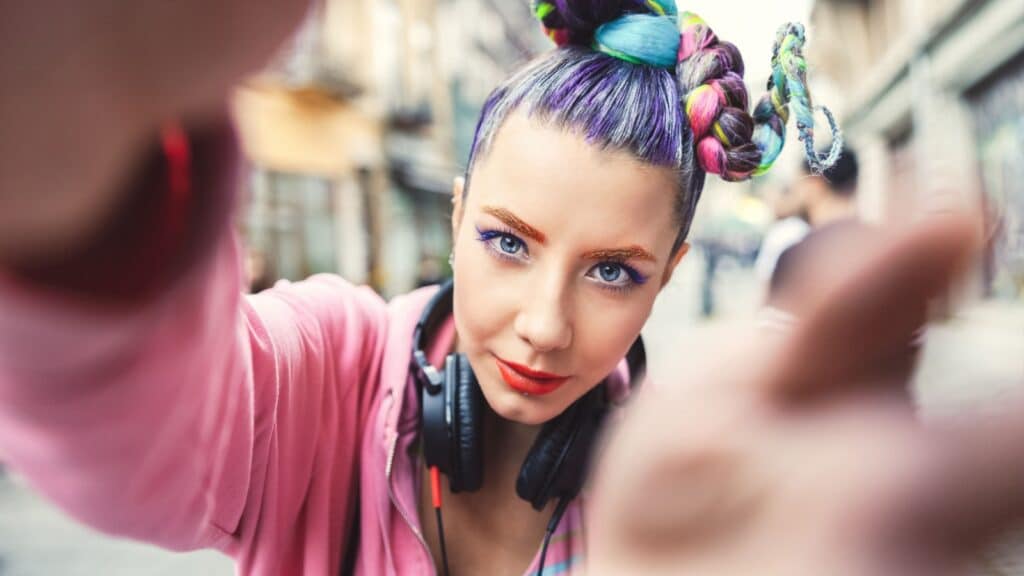
Before anyone panics – this is not a Gen Z hate piece. It’s just an observation. Because, well, Gen Z did actually grow up marinating in social media algorithms, and… it kind of shows. So, to put it simply, social media has changed both the way Gen Z communicates and how they react to and express themselves – and, while these changes aren’t “wrong,” they are different, which can lead to awkward situations and ‘annoyances’ when transferred from the virtual world to the “real world.”
Thinking Viral = Valid
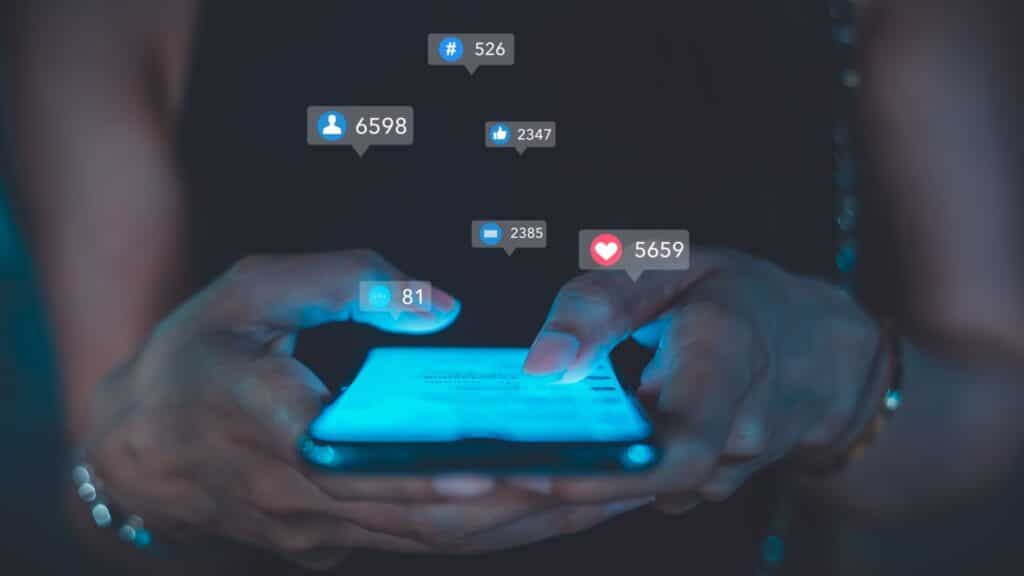
Gen Z’s mantra is simple: If something gets likes, it must be true… right? Social media has conditioned people to give preference to popularity over factual evidence. When something receives large amounts of likes and/or engagement, it means it has more substance or weight. Unfortunately, this is how misinformation spreads, ultimately resulting in loss of nuance.
Just because someone is confident while on camera doesn’t necessarily mean they’re right; it really just means that they are being loud. When people are pursuing validation rather than truth, they become defensive when someone challenges them, because to them, disagreement feels like a personal attack.
Diagnosing Everyone in the Comments

Thanks to TikTok wisdom, it seems half the internet now holds a PhD in armchair psychology. One argument? Instant diagnosis – narcissism for sure. An awkward first date? Attachment disorder, no question. Mood swings from nowhere? Ah, definitely childhood trauma hiding beneath the surface.
True, being aware counts – can’t argue there – but online spaces have twisted complex psychology into trendy tags that Gen Z keep tossing around like confetti. Labeling replaces listening; easier, maybe – yet see how fast care and accountability fade away.
Turning Everything Into “Content”
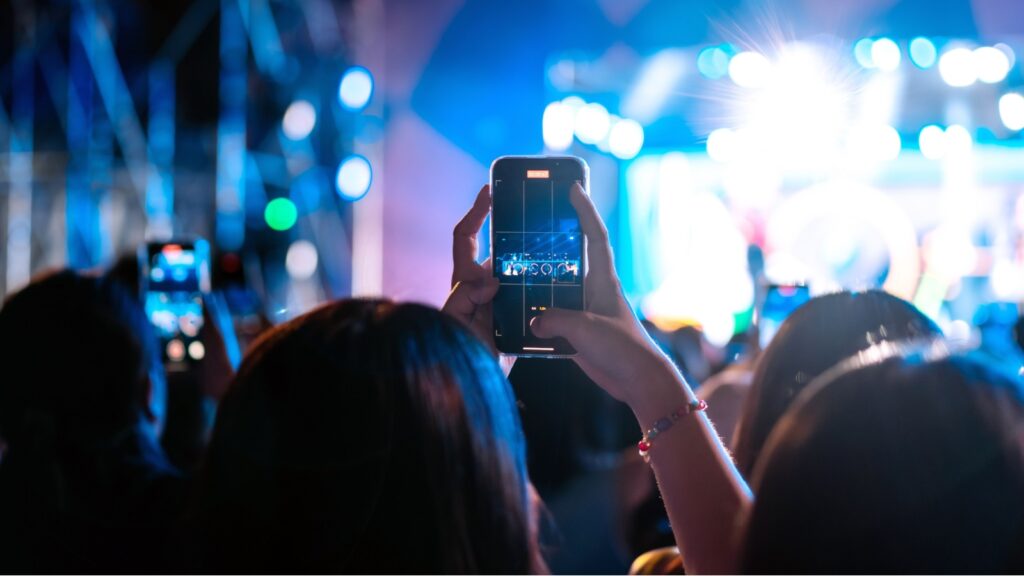
Life is just reduced to social posts and reels. Gen Z doesn’t understand that not every moment demands a spotlight, a caption, hashtags, or a “POV.” And not every brunch needs to be filmed just for a perfect snap to spam everyone. Unfortunately, the culture of social media has trained people to experience life like it is some kind of documentary.
Good news? Yep, they ate brunch. Bad news? Everyone had to watch it from six different angles. Instead of being actually present in the moment, the only thing they think of is whether or not it is “post-worthy.”
Filming Before Experiencing
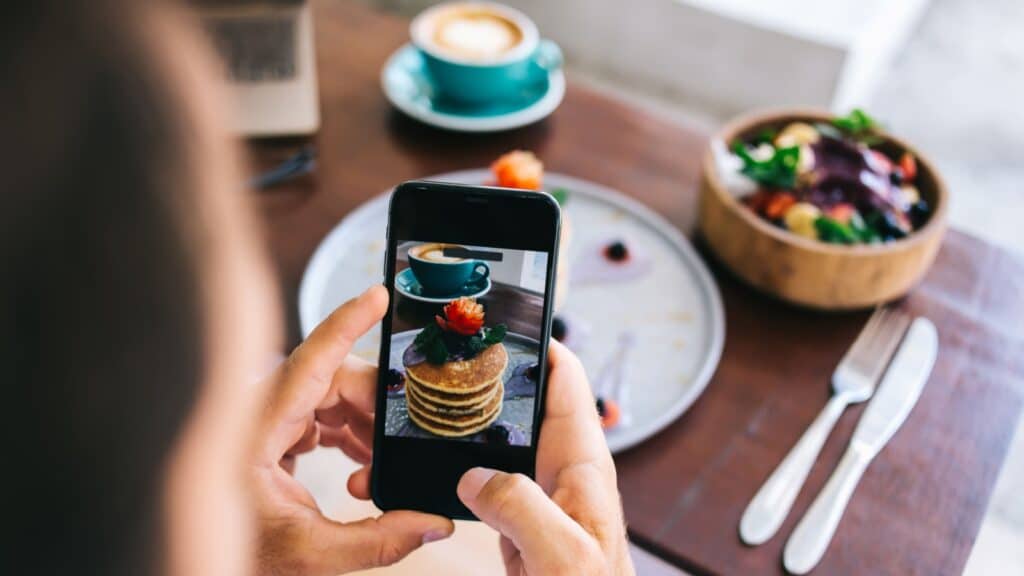
At concerts, on trips, at dinner, dates, or any emotional moment, the first thing this generation does is pull out their phone to take a picture or video of the moment before just experiencing it naturally. The desire to document the moment takes precedence over actually being present for it. Because social media “likes” or rewards documenting the moment rather than actually living it.
Therefore, as time goes on, your memories become less real unless you have documented them. And when you live life through a screen, many times, the moments that you actually experience become somewhat distant from you, and then you wonder why everything feels shallow.
Overusing Therapy Language Incorrectly

The original definitions of certain words, such as ‘gaslighting,’ ‘boundaries,’ and ‘trauma,’ have been diluted by their common usage. For example, if you did not respond quickly enough, you’re now accused of gaslighting. If you disagree with someone, you are accused of violating their boundaries, and for not sending someone a good morning text, you’re accused of emotional abuse.
Social media has made the use of these terms as buzzwords and has complicated the identification of real issues. Since everyone has experienced trauma, nobody has experienced trauma. Misusing these terms doesn’t make you any emotionally intelligent; it just makes serious conversations messier.
Calling Everything Self-Care

Delaying responsibilities? Self-care. Avoiding confrontation? Protecting your peace. Ghosting people? Boundaries. In Social Media, self-care has become a buzzword that everyone uses to avoid taking responsibility for their actions.
However, sometimes the most important acts of self-care involve actually doing the hard things, like having hard talks, showing up tired, and following through. But these acts of self-care generally are not as popular or attractive because they aren’t comfortable. When comfort becomes the priority, your personal growth will suffer. Taking care of you should never come at the cost of refusing to mature or accept responsibility for your actions or those around you.
Interesting Differences Between Gen Z and Previous Generations

They relate to technology, society, and work differently than their predecessors, approaching the world in a different situation than the millennials, Gen X, and Baby boomers. How are they different? Here We’ll explore various interesting differences between Gen Z and previous generations.
Interesting Differences Between Gen Z and Previous Generations