

Gen X was one of the last generations that didn’t grow up online. Instead, they grew up around it as it slowly arrived & eventually became useful. They learned habits that didn’t come from apps or warnings, giving them a kind of protection from scammers and other bad-faith actors. Here are eight Gen X habits that make them hard to scam online.
They still treat surprise emails like AOL spam

Gen X still remembers when email was loud and generally full of nonsense. They read & sent chain letters, with messages written all in caps, and they learned the hard way about why they shouldn’t do that. It’s a habit that serves them well today. Nowadays, they won’t automatically trust any random emails that show up.
Gen X doesn’t rush to open files. They choose to ignore any “urgent” subject lines that are trying to get their attention, and such a reflex comes from dealing with years of inbox clutter. Modern security advice has nothing on that because it stops a lot of scams at the very first step.
They screen calls
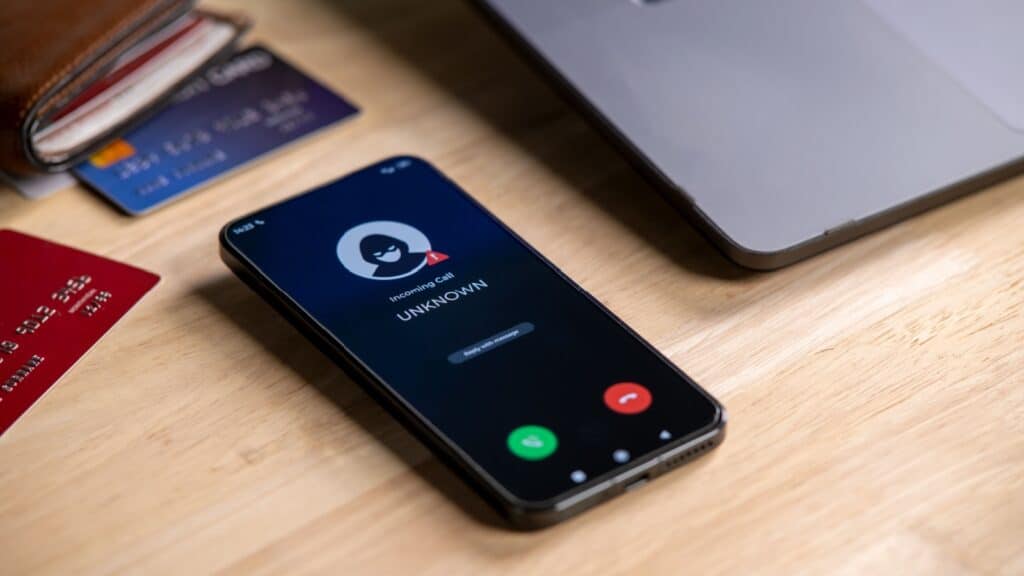
The days before caller ID involved answering phones with no caller info, and that taught Gen X to be rather cautious about who they were talking to. Then caller ID appeared. Soon enough, screening calls became the norm, and the habit stuck with Gen X, who continue to allow voices to go straight to voicemail & hang up on robotic voices.
They’ll completely reject any messages asking for quick action. Unlike other generations that might tap whatever pops up, Gen X calls back using saved numbers, and they’ll wait to check that the message actually matters to them. They’re essentially still screening calls, but on a different kind of screen.
They use offline numbers

Anytime that money is involved, Gen X refuses to trust the message itself. No, they trust the number they already have. The text or email might claim there’s a problem with their account, but Gen X closes it & uses the phone number they know actually works. It’s a habit that came from them spending years dealing with billing errors and customer service lines.
They became familiar with these systems long before online banking was normal, and that helps them recognize scams today. You won’t find Gen X panicking or quickly clicking links they receive. They know it’s much better to use an offline number instead.
They prefer desktop browsing

Anytime they have something important, like banking or taxes, Gen X waits until they’re on a laptop or a desktop to deal with it. Bigger screens make things easier to check. They can see the web addresses more clearly, and the pop-ups feel more obvious, with such a habit dating back to the days of home PCs & early dial-up internet.
Doing so helps them avoid any scams that depend on small screens or quick taps. They’re unlikely to use any in-app browsers that have fake pages that blend in much too easily. You can’t beat a good old-fashioned PC.
They pay with credit cards more often

Gen X was around when credit cards became things that people use every day. Many still default to using them online. They’re less likely to send money through wire transfers or gift cards, nor with app-only payments that would be difficult to reverse. They’d rather rely on credit cards because they know they’ll be easier to fix when something goes wrong.
Scammers usually want fast & final payments. Gen X knows that. They’ll avoid the whole thing by using something familiar, like credit cards, because they know exactly how they work, and they know that the lending company will have their back, should something bad happen.
They’re used to scam variety
Gen X has seen technology come and go. As such, they’re used to scams happening via mail & phone calls, fax machines & email, and now texts & social media. Nothing feels immediately trustworthy to them, simply because it’s somewhere new. Having such long exposure really matters for Gen X.
Whenever a single channel feels off, they’ll refuse to assume that another one is safer by default, and they’re used to switching formats instead. They’ll keep an eye on any recycled tricks that come with new packages. No matter how much the method changes, the patterns are still quite familiar to this generation.
They’re skeptical of anyone asking for remote access

Gen X remembers the days when fixing a computer involved clicking the wrong thing and accidentally making it worse. It’d cause toolbars to appear out of nowhere & browsers to seemingly change on their own. That experience stuck with them. Today, when they get a message claiming to be tech support, Gen X takes it as a warning.
Alarm bells go off as soon as someone asks to control the screen. For Gen X, it’s perfectly fine to shut down the computer completely if the tone of the person they’re talking to feels rushed. It’s simply not worth the risk.
They keep a paper trail habit

You’ll find that the majority of Gen Xers still know what their real bills look like, down to the usual amounts & timing. They spent years receiving statements in the mail and using filing cabinets. It built a memory that serves them well today because, when they get an email claiming that money is overdue, Gen X knows that they don’t need to rush to pay it.
They’ll notice when the amount feels wrong, or the company name looks slightly off. Rather than blindly clicking the link, Gen X compares it against what they already have saved to make sure it’s the right one.
15 Phrases Scammers Use to Trick People Over 60

These scammers don’t come with flashing warning signs; they slide in with polite voices, fake urgency, and phrases scripted carefully to push emotional buttons. If you are over 60 (or have loved ones who are), you need to know the exact lines they use and why they work. Read this before you hand over your wallet.
15 Phrases Scammers Use to Trick People Over 60