
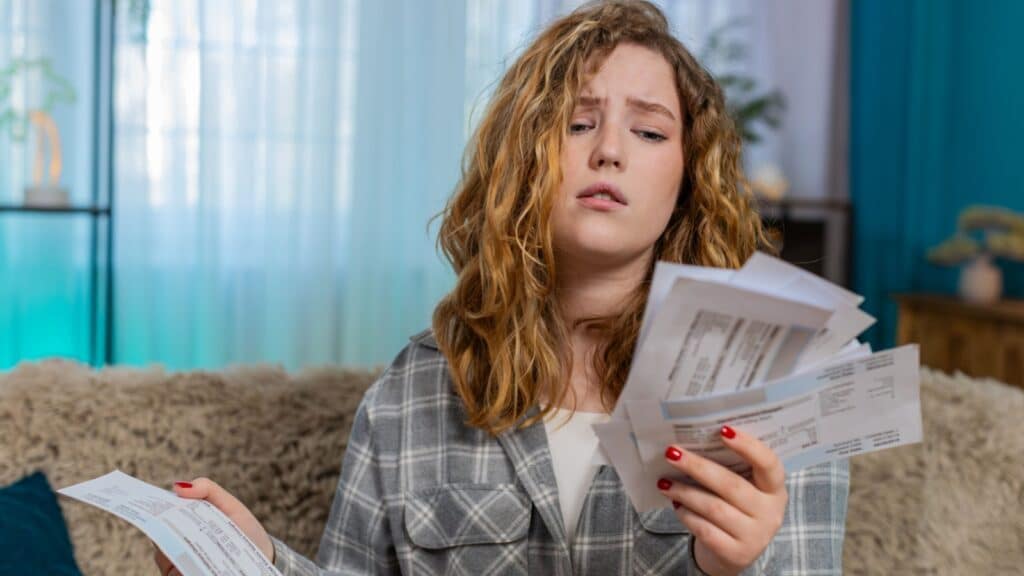
A lot of everyday spending in America doesn’t seem like much. After all, the little habits we have when we pay for things or get billed for services each month are a standard part of life, especially since everyone around us does the same. But that doesn’t mean they make us feel good. In fact, some of our habits have a tendency to make us feel worse, and here are seven habits that make Americans feel broke, even when we’re not.
Paying for everything with a credit card
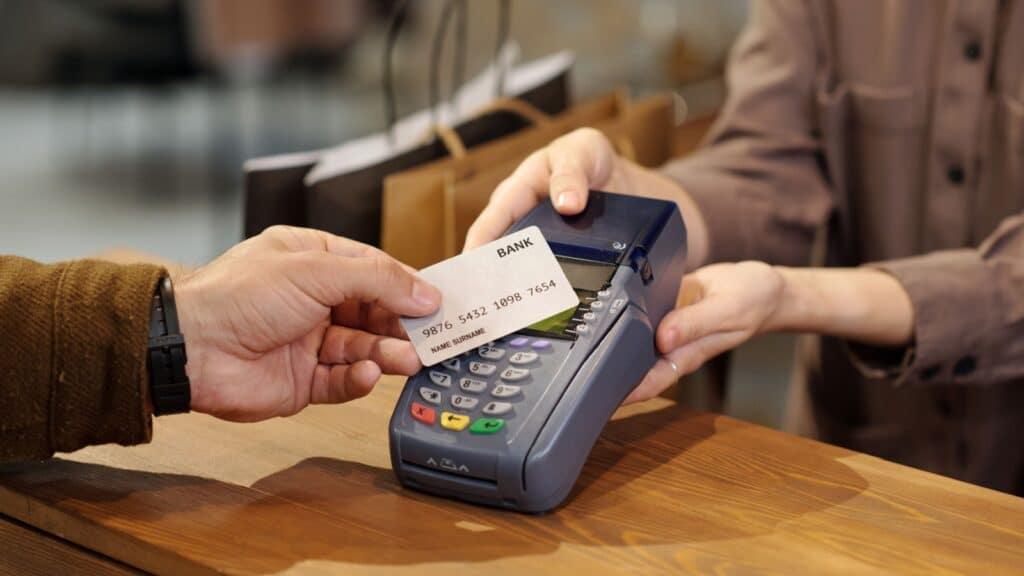
So many Americans are happy to swipe a credit card for anything, without actually looking at the running total. At least, not until the statement shows up. They’ll pay for groceries & gas with a card, and in the moment, it all feels completely separate. Their checking accounts seem healthy because nothing has directly left it yet. But then the payment hits all at once.
Sadly, it’s then that people realize that the extra money they thought they had was never actually extra, and the hardest part to deal with is the fact that it wasn’t one big purchase that did it. It’s the small aspects of normal life piling up that cause the balance to shrink rather quickly.
Allowing for merchant holds
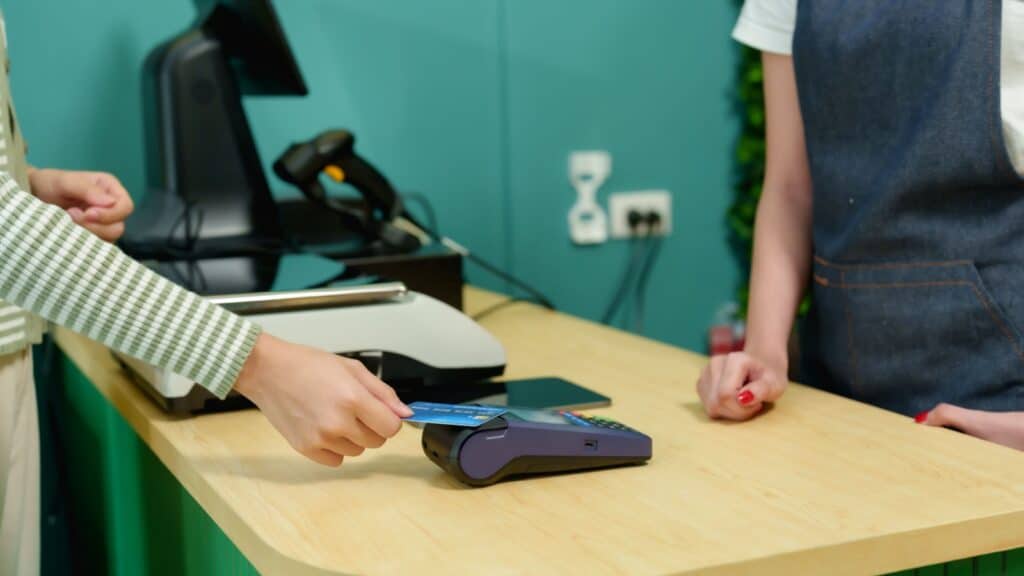
That’s not all for cards. In America, you’ll see that a lot of debit cards allow merchants to place a hold on them, such as when you go to the gas station. The pumps will put a larger hold than what you actually pumped, while at hotels, they’ll add room on your card for any incidentals. That doesn’t necessarily mean that your money is gone, yet your bank app may not make that clear.
So many people simply look at the lower number and begin second-guessing every purchase they’ve ever made. Thankfully, the hold later adjusts. But it’s scary during that window because it makes your account look smaller than it actually is.
Using available credit as your real money number

There are also those who don’t even look at cash first because they’ll simply look at the available credit on their credit card instead. Every grocery run or stop at a gas station causes the number to go down a little. That feels rather personal. It doesn’t matter that you might plan to pay the card off later, as seeing that limit go down makes you feel like you’re broke.
Such a habit makes everyday spending feel as though it has become a running countdown. It doesn’t take long for that shrinking number to really hurt. Soon enough, you think your money is disappearing a lot faster than it actually is.
Returning stuff and counting the refund before it lands
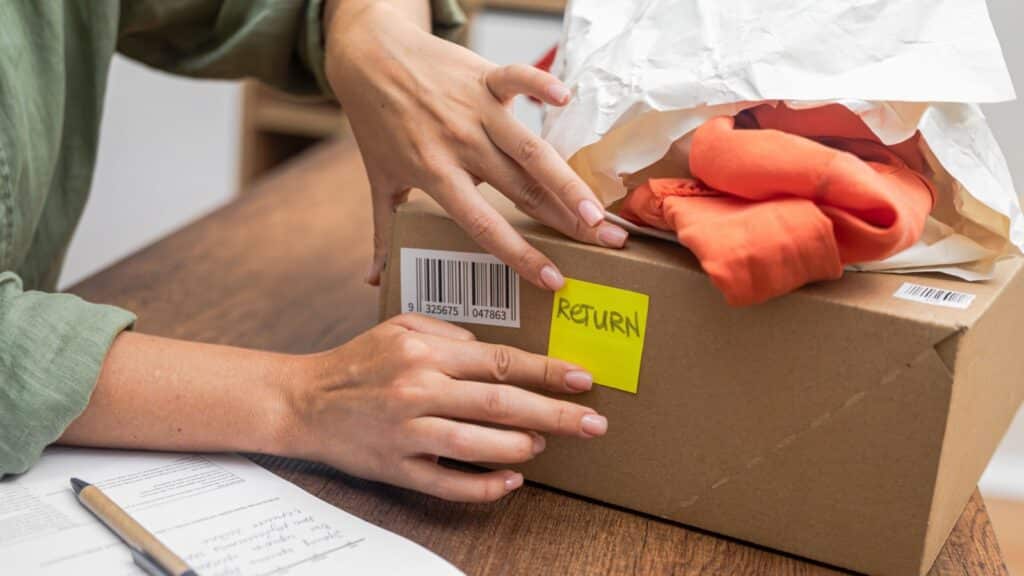
Sure, online shopping is normal, and so is getting returns. The issue comes from people assuming that they’ve already received the refund as soon as they return the package to the carrier. But they haven’t. In reality, the merchant still needs to process the return & the bank has to post the return, which is hardly quick.
The original charge will stay there until everything has been cleared. As a result, anyone who has a few returns at one time might see that their bank account looks rather low for days or weeks at a time. The money belongs to you, but not yet.
Keeping everything in one checking account

It feels so simple having a single checking account, and that’s why so many Americans keep it that way. Their paychecks get deposited & bills come out from the same account. However, the real issue comes from the automatic payments coming together in the middle of the month. Rent and insurance come out around the same time.
Sadly, these cause the number in the account to drop a lot more than some people are expecting, even though nothing unusual actually happened. It’s simply that regular life pulled everything from a single place. Failing to separate your money for different uses means that the balance can change quite a bit.
Opening store cards for discounts
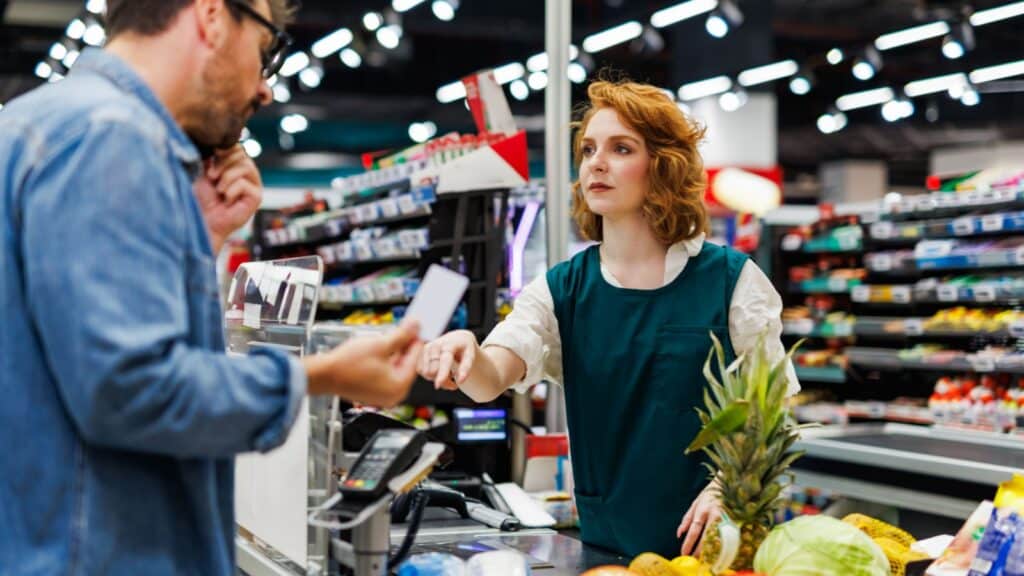
Most Americans don’t realize how American it is to have store cards. Quite a lot of checkout counters will offer a discount for opening a store card, and lots of us agree to do so because it saves us a few dollars right there. Then those cards continue hanging around months later. Unfortunately, the timing of the charges rarely lines up with your main credit card.
That makes it quite hard to keep track of each balance, and missing one could cost you, regardless of whether it was a large purchase. Dealing with changing due dates sure does make your money feel tight.
Pulling cash in small trips

Even in 2026, cash is still a big part of our daily lives, including for tips or quick stops. That’s why so many Americans grab $20 here, or $40 there, whenever they go past an ATM. It can cause problems because the balance only drops a little each time. However, it’s not always easy to remember what it was for because it’s such a small amount, and it can make you feel broke.
Cash differs from card purchases because there are no itemized lists that you can check in an app later. Once you’ve made a few withdrawals, the account looks lower & lower, and it’s hard to explain why. No wonder you might feel so uncertain after doing so.
16 Things You Think You Need at Home – But Don’t

From pointless gadgets to “home upgrades” no one asked for, your home is most likely clutter, not comfort. Here are 16 things you believe you need in your home… but honestly? You really, really don’t.
16 Things You Think You Need at Home – But Don’t